
Table of Contents >> Show >> Hide
- Why Roast Swiss Chard Stems?
- Flavor Profile: What Do Swiss Chard Stems Taste Like?
- Ingredients
- Step-by-Step: Roasted Swiss Chard Stems
- Alternate Method: Parboil First for Extra-Thick Stems
- Flavor Variations (Because Plain Is a Choice)
- Serving Ideas
- Storage, Reheating, and Make-Ahead Tips
- Troubleshooting: Common Problems (and Fixes)
- FAQ
- Conclusion
- Extra: Real-World Roasted Swiss Chard Stem Experiences (So You Feel Seen)
- SEO Tags
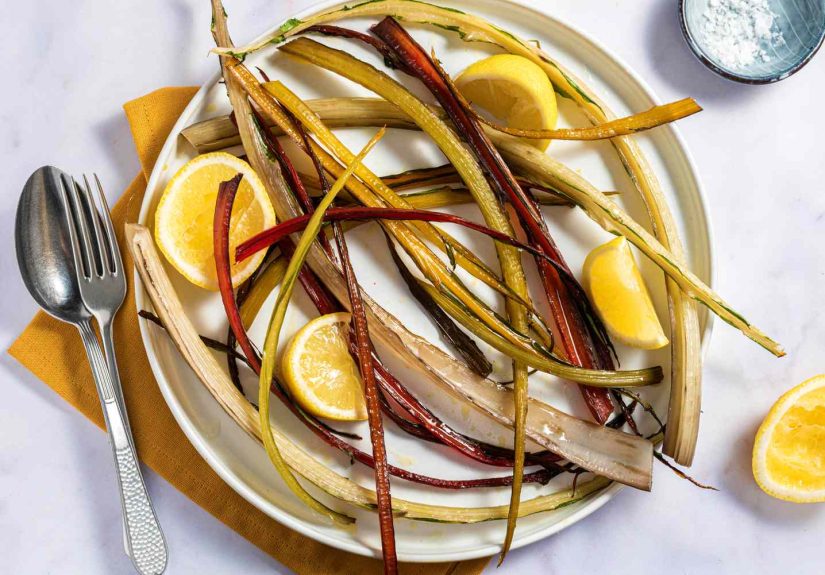
If you’ve been tossing Swiss chard stems in the trash, I have one question: why are you bullying the crunchy part? Those colorful stalks (a.k.a. “the stems,” “the ribs,” “the part your recipe politely ignores”) are basically a built-in vegetable side dishmild, slightly sweet, and begging for a hot oven and a little swagger.
This guide gives you a foolproof roasted Swiss chard stems recipe that turns “kitchen scraps” into a crispy-tender, caramelized side you’ll start making on purpose. We’ll cover prep, roasting techniques for thin vs. thick stems, flavor variations (hello, Parmesan and sesame), serving ideas, and the most common “why is mine still crunchy?” mysteries.
Why Roast Swiss Chard Stems?
Swiss chard is the rare leafy green that shows up with a two-for-one deal: silky leaves and sturdy stems. The leaves cook fast. The stems take longer. And roasting is the stem’s glow-up moment.
- Better texture: Roasting transforms stems from “raw celery’s moody cousin” into tender bites with browned edges.
- Sweeter flavor: Heat coaxes out a gentle sweetness and tamps down bitterness.
- Zero-waste cooking: You paid for those stems. Let them earn their keep.
- Easy side dish energy: A sheet pan, olive oil, salt, and the oven does the heavy lifting.
Think of roasted chard stems as a bridge between roasted asparagus and roasted fennel: crisp-leaning, aromatic, and great with lemon, garlic, cheese, or a tangy dressing.
Flavor Profile: What Do Swiss Chard Stems Taste Like?
Swiss chard stems are mild and vegetal with a slight earthy note. The thicker the stem, the more “juicy crunch” it hassimilar to celery or bok choy stems. Roasting adds caramelized notes and makes the whole thing taste more “intentional” and less “I’m improvising because the recipe told me to discard half the plant.”
Ingredients
This recipe is designed for the stems from one large bunch of Swiss chard (rainbow chard works perfectly). Adjust seasoning to tastestems vary in size and water content.
For the basic roasted Swiss chard stems
- Stems from 1 large bunch Swiss chard (about 3 to 4 cups stems after trimming)
- 1 1/2 tablespoons extra-virgin olive oil
- 1/2 teaspoon kosher salt (plus more to finish)
- 1/4 teaspoon black pepper
- 2 cloves garlic, finely grated or minced (optional but strongly encouraged)
- 1 to 2 teaspoons fresh lemon juice (plus zest if you’re feeling fancy)
Optional upgrades
- 2 to 3 tablespoons grated Parmesan (or pecorino) for savory crispiness
- Pinch of red pepper flakes for gentle heat
- 1 teaspoon Dijon mustard whisked into lemon juice for a brighter finish
- 1 teaspoon balsamic or sherry vinegar for tang
- Toasted sesame seeds or a drizzle of sesame oil for a nutty vibe
Step-by-Step: Roasted Swiss Chard Stems
The key is treating the stems like the denser vegetable they are. Thick stems need either a quick head start (steam, blanch, or parboil) or a covered roast. Thin stems can go straight onto the sheet pan.
1) Prep the stems (the “five-minute respect” they deserve)
- Separate leaves from stems. Slice along each side of the rib to remove the leaf, or fold the leaf in half and cut out the rib. Save the leaves for sautéing, soups, eggs, or quick roasting later.
- Wash well. Chard can hide grit where stem meets leaf. Rinse stems under running water and scrub lightly if needed.
- Trim and cut. Trim dry ends. Cut stems into 2 to 3-inch pieces (batons). If any stems are very thick, split them lengthwise so everything cooks evenly.
- Dry thoroughly. Moisture = steaming when you wanted browning. Pat dry with a towel.
2) Preheat and season
- Heat oven to 425°F. High heat helps browning and keeps the stems from turning watery.
- Toss stems with oil and seasoning. In a bowl, toss stems with olive oil, salt, pepper, and garlic (if using). Spread on a rimmed baking sheet in a single layer.
3) Roast using the steam-then-roast method (best for thick stems)
- Cover tightly with foil and roast for 10 to 12 minutes.
- Remove foil, toss stems, and roast uncovered for 10 to 15 minutes more.
- Check doneness. You want stems tender when pierced, with browned edges. If they’re still too crunchy, roast 3 to 5 minutes more.
4) Finish like a pro (without acting like one)
- Brighten: Sprinkle with lemon juice (and zest if you like).
- Salt check: Add a pinch more salt if neededroasted veggies love a final seasoning.
- Optional cheese moment: Add Parmesan in the last 3 to 5 minutes of roasting so it melts and toasts.
Quick timing guide:
Thin stems: 15 to 20 minutes uncovered total.
Medium stems: 10 minutes covered + 10 to 12 minutes uncovered.
Very thick stems: consider a 2 to 4 minute parboil first (details below).
Alternate Method: Parboil First for Extra-Thick Stems
If your chard stems look like they lift weights, give them a quick parboil before roasting. This softens the interior so the oven can focus on browning, not negotiating.
- Bring a pot of salted water to a boil.
- Boil stems for 3 to 6 minutes (3 for medium, 6 for very thick).
- Drain well and pat dry.
- Toss with oil, salt, pepper, and roast at 400°F to 425°F for 12 to 18 minutes, until browned and tender.
This approach is also great when you’re baking something else at 400°F and don’t want to juggle temperatures.
Flavor Variations (Because Plain Is a Choice)
Lemon-Garlic Parmesan (most popular for a reason)
Add 2 tablespoons grated Parmesan during the last 3 to 5 minutes of roasting. Finish with lemon juice and a pinch of red pepper flakes. It tastes like a snack you’d pay $12 for if it came in a tiny cast-iron skillet.
Sesame-Tamari Dressing (savory, creamy, slightly addictive)
Roast stems at 425°F until browned and tender. Whisk a quick dressing: 1 tablespoon mayo (or yogurt), 1 teaspoon sesame oil, 1 teaspoon rice vinegar, 1 teaspoon tamari/soy sauce, and a sprinkle of crushed toasted sesame seeds. Drizzle over warm stems.
Feta + Onion Sheet Pan Style
Roast stems with sliced onion for 10 to 15 minutes, then add chopped leaves on top and roast until the leaves crisp and the stems are tender. Sprinkle feta near the end so it gets creamy and golden around the edges.
Sweet-Tangy Balsamic Finish
After roasting, toss stems with 1 teaspoon balsamic vinegar and a tiny drizzle of honey. Great with pork, chicken, or anything that likes a sweet edge.
Herby “Green Goddess” Shortcut
Finish roasted stems with a spoonful of store-bought green goddess dressing or chimichurri. Instant upgrade, minimal effort, maximum smugness.
Serving Ideas
Roasted Swiss chard stems are flexible. Use them as a side dish, fold them into meals, or snack on them while pretending you’re only “tasting for seasoning.”
- With proteins: salmon, roasted chicken, steak, tofu, or a fried egg.
- In bowls: grain bowls with quinoa/rice, chickpeas, tahini, and herbs.
- On toast: ricotta + roasted stems + lemon zest.
- In pasta: toss with olive oil, garlic, chili flakes, and Parmesan.
- Snack board: serve alongside olives, pickles, nuts, and cheese like a crunchy vegetable sidekick.
Storage, Reheating, and Make-Ahead Tips
Storing raw chard
Keep chard in the refrigerator, loosely wrapped or in a bag with a paper towel to absorb excess moisture. For best texture, use within about a week. If stems start looking slimy or limp, it’s time to say goodbye.
Storing roasted stems
Cool completely, then refrigerate in an airtight container for up to 3 to 4 days. The stems will soften over time, but they’ll still taste great.
Reheating (how to keep them from getting sad)
- Best: Reheat in a skillet with a small drizzle of oil over medium heat.
- Also good: Air fryer at 375°F for 3 to 5 minutes to revive crisp edges.
- Microwave: Works, but expect softer texture. Add lemon after reheating.
Freezing
If you want to freeze chard (stems included), blanch first for best color and texture. Drain well, dry thoroughly, then freeze in airtight containers. Frozen stems are best used in soups, stews, or sautés rather than for crisp roasting.
Troubleshooting: Common Problems (and Fixes)
“My stems are still crunchy.”
They probably needed more time or an assist. Next time: split thick stems lengthwise, use the foil-covered stage, or parboil for a few minutes before roasting.
“They got watery instead of browned.”
Too much moisture or overcrowding. Dry stems well, use a large sheet pan, and spread in a single layer. High heat helps, too.
“They taste bitter.”
Add acid (lemon/vinegar) and a little salt at the end. Roasting longer (until browned) also mellows bitterness. A sprinkle of cheese or a creamy dressing can balance flavors fast.
“The garlic burned.”
Add garlic after the foil comes off, or mix garlic into a finishing drizzle (olive oil + garlic + lemon) instead of roasting it the whole time.
FAQ
Can you eat Swiss chard stems?
Yes. They’re edible, flavorful, and full of crunch. They just need a longer cooking time than the leaves.
Are rainbow chard stems different?
Mostly in color. The flavor and texture are very similar, though thickness varies by bunchso cook time should be based on size, not color.
Do I need to peel the stems?
Usually no. If stems are older and stringy, you can lightly peel tough outer fibers with a vegetable peeler, but most grocery-store chard doesn’t need it.
What should I do with the leaves?
Sauté with garlic, add to soups, fold into eggs, toss into pasta, or roast for quick crispy edges. The leaves are the fast-cooking partner to your slow-roasting stems.
Conclusion
Roasting Swiss chard stems is one of those small kitchen wins that feels bigger than it is: less waste, more flavor, and a side dish that tastes like you planned ahead. Whether you keep it simple with olive oil and lemon or go full “Parmesan snowstorm,” the method is the sametreat the stems like a real vegetable, not an afterthought.
Next time you buy chard, you’re not buying one ingredient. You’re buying a whole strategy.
Extra: Real-World Roasted Swiss Chard Stem Experiences (So You Feel Seen)
Let’s talk about what actually happens in real kitchenswhere the oven preheats slower than your optimism, and the sheet pan you swear is “clean enough” is always suspiciously sticky.
First, you’ll notice Swiss chard stems have personalities. Some bunches come with stems that are slim and politethose roast quickly, brown nicely, and make you feel like a culinary genius. Other bunches show up with thick stems that look like they could moonlight as tiny canoe paddles. Those need either the foil-covered start or a quick parboil. This is normal. It’s not you. It’s the chard.
The second “experience” is the moment you realize drying matters. The stems carry water like it’s their job. If they’re even a little wet, they’ll steam and soften before they brown, and you’ll think, “Why are these kind of… squeaky?” Pat them dry, spread them out, and suddenly the edges caramelize and the texture turns snackable.
You’ll also experience the Great Sheet Pan Debate: parchment vs. bare metal. Parchment is tidy and prevents sticking. Bare metal browns more aggressively. If you’re chasing deep golden edges, a lightly oiled bare pan often gets you there faster. If you’re chasing sanity and easy cleanup, parchment wins. Both are valid. Your sink will have opinions.
Then there’s the garlic situation. Roasted garlic is amazing until it isn’t. Minced garlic can burn at high heat, especially if it’s sitting directly on the pan. Many home cooks end up loving a “finish garlic” approach: roast the stems, then toss them with a tiny spoonful of garlicky olive oil (or even a quick rub of a raw garlic clove on the warm stems) and lemon. You get the aroma without the bitter, burnt bits that taste like regret.
Another common experience: the “accidental appetizer.” You’ll take the pan out, you’ll taste one stem to check seasoning, and thenmysteriouslythree more will disappear. That’s the roasted-edge effect. The browned corners are the potato chip of vegetables: no one eats just one.
If you’re serving this to people who claim they “don’t like greens,” don’t lead with “Swiss chard stems.” Lead with “roasted lemon-garlic veggie sticks” or “crispy-tender roasted stalks with Parmesan.” Sometimes the brain needs a friendlier headline. Once they taste them, you can reveal the truth. Or not. You’re not legally required to disclose the identity of a delicious vegetable.
You’ll also learn the power of acid. Lemon juice (or vinegar) at the end can rescue a batch that tastes flat. It makes the stems pop and balances any earthy bitterness. The same is true for a pinch more salt after roasting. Seasoning often needs a second look once moisture evaporates and flavors concentrate.
And finally, you’ll experience the most satisfying part: using the whole bunch. When the leaves become a quick sauté, soup add-in, or crispy roast on a second pan, it feels like you cooked more food without buying more groceries. That’s the quiet magic of zero-waste cooking: less trash, more dinner, and a small smug glow that pairs beautifully with a glass of something cold.
Once you make roasted chard stems a few times, you’ll start buying chard for the stems as much as the leavesand that’s when you officially cross into the “I have a favorite method for vegetables most people ignore” era. Welcome. We have lemon.







 Close
Close