
Table of Contents >> Show >> Hide
- What a Mattress Vacuum Actually Does (and Why It Feels Like Cheating)
- Why This Tool Wins My “Most Likely to Change Your Life” Award
- Mattress Hygiene 101: The Not-So-Cute Truth About Dust Mites
- How to Use a Mattress Vacuum Like a Pro (Without Turning It Into a Production)
- What Features Make a Mattress Vacuum Worth It?
- How Often Should You Vacuum Your Mattress?
- The Mattress Vacuum + “Layered Clean” Routine That Actually Works
- Common Myths (Because the Internet Loves a Mattress Panic)
- Who Benefits Most From a Mattress Vacuum?
- Real-Life “Mattress Vacuum” Experiences (The Part That Converts People)
- Conclusion: A Small Tool That Makes Your Bed Feel Like a Better Place to Live
I used to think “cleaning the bed” meant washing sheets and calling it a day. Then I met reality: a mattress is basically a
giant, comfy sponge that quietly collects lint, dust, skin flakes, pollen, and whatever else floats through your bedroom
like it pays rent. You can’t always see it. You can definitely feel it when allergies flare up, when the room smells a little
“sleepy,” or when your otherwise-fresh sheets start to feel… less fresh by night three.
That’s why a dedicated mattress vacuum (sometimes marketed as an “anti-mite” vacuum) has earned a permanent spot in my
cleaning routine. It’s not glamorous. It doesn’t sparkle. But it does something deeply satisfying: it pulls out the fine,
clingy debris that a normal vacuum attachment often skims right overespecially in seams, tufted areas, and fabric textures.
If you’re the kind of person who loves a tool that delivers immediate, visible proof that you did a good job, this is your
new favorite hobby.
What a Mattress Vacuum Actually Does (and Why It Feels Like Cheating)
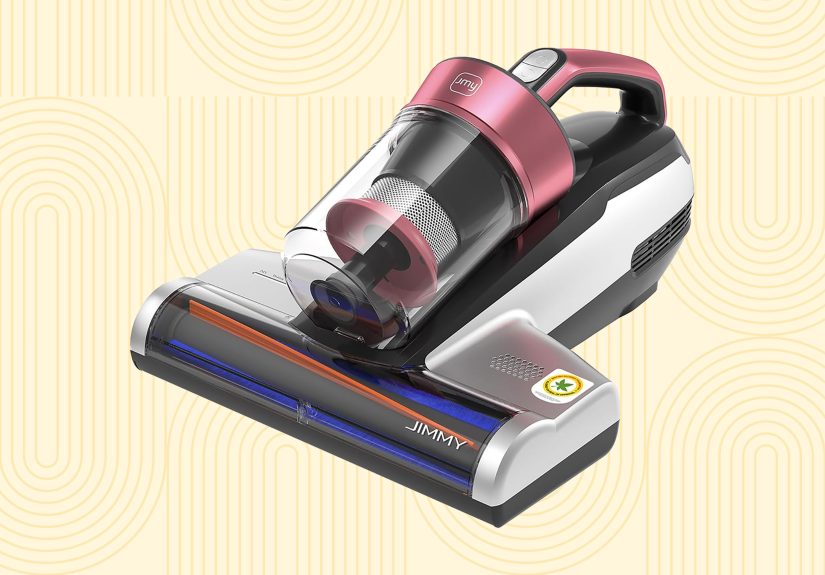
A mattress vacuum is a handheld or compact vacuum designed specifically for soft, flat surfacesmattresses, pillows, sofa
cushions, upholstered headboards, and even pet beds. The best ones combine three things:
- Strong suction tuned for fabric surfaces
- A beating or vibrating pad/brush that “shakes loose” embedded dust
- Better filtration (often HEPA-style) so what you remove doesn’t get blown back into the room
Think of it like this: a typical upright vacuum is great for floorsbig debris, wide passes, lots of air movement. A mattress
vacuum is more like a precision tool. It works slower, smaller, and closer to the fabric. That matters because bedding and
mattresses are major “reservoirs” for indoor allergens like dust mites (and the allergenic particles associated with them),
plus everyday dust that settles into fibers over time.
Why This Tool Wins My “Most Likely to Change Your Life” Award
1) It targets the stuff washing doesn’t reach
Washing your sheets weekly is excellent. But sheets aren’t the mattress. Even if you use a protector, particles still sneak
in around edges, seams, and anywhere your protector shifts. A mattress vacuum helps you clean the surface that never fits in
your washing machine (unless you own a laundromat, in which case: congratulations).
2) It’s an allergy-friendly upgrade (especially with HEPA-level filtration)
If you’re sensitive to dust, pet dander, or other indoor allergens, filtration matters. Vacs designed with higher-efficiency
filters can help trap finer particles instead of recirculating them. Some guidance for allergy reduction at home emphasizes
things like dust-mite-proof covers, hot washing where appropriate, humidity control, and using high-efficiency filtration in
cleaning routines. A mattress vacuum fits neatly into that “layered approach.”
3) It’s fast, realistic, and weirdly satisfying
Deep-cleaning a mattress can sound like a weekend project involving baking soda, stain removers, fans, sunshine, and possibly
a personal crisis. With a mattress vacuum, you can do a meaningful clean in 5–10 minutes per side. It’s the difference between
“I should do that someday” and “I did it before lunch.”
4) It helps your mattress (and your sheets) feel fresher longer
Odor isn’t always a “stain problem.” Sometimes it’s a slow buildup of oils, dust, and moisture trapped in fabrics. Regular
vacuuming can reduce the fine debris that contributes to that stale, closed-room smellespecially when paired with routine
sheet washing and good airflow.
Mattress Hygiene 101: The Not-So-Cute Truth About Dust Mites
Dust mites are microscopic creatures that thrive in warm, humid places and feed on shed skin flakes. It’s not the existence of
dust mites that’s the main issue (they’re extremely common); it’s that their particles can trigger allergies and asthma in
sensitive people. That’s why many medical and public health resources focus on reducing exposureespecially in bedrooms.
The most consistent, research-backed strategies usually include some combination of:
- Hot washing bedding when fabric care instructions allow (often cited around 130°F/54°C in allergy guidance)
- Allergen-proof encasements for mattresses and pillows
- Keeping indoor humidity lower (often at or below ~50% is suggested in multiple resources)
- Vacuuming with high-efficiency filtration and smart cleaning habits
A mattress vacuum doesn’t replace the other stepsit supports them. Think of it as the “surface reset” that makes everything
else work better.
How to Use a Mattress Vacuum Like a Pro (Without Turning It Into a Production)
Step 1: Strip the bed completely
Remove sheets, pillowcases, blankets, and the mattress protector. Wash what you can according to care labels. If allergies are
a concern, hot washing is often recommended by medical and public health sources when fabric permits; if not, higher-heat drying
can be part of some guidance. Always follow your bedding’s care instructions so you don’t accidentally shrink your way into
buying new sheets.
Step 2: Start with seams and edges
Mattresses hide a lot of debris in stitching lines and piping. Begin by slowly running the vacuum along the perimeter and any
tufted areas. Use overlapping passes, like mowing a tiny lawn that’s full of secrets.
Step 3: Work in slow, consistent lanes
Don’t race. Slow passes give the suction and beating/vibration time to lift debris. Many indoor air quality resources recommend
vacuuming slowly and methodically for better resultssame idea here.
Step 4: Flip or rotate when possible
If your mattress is flippable, do both sides. If it’s not flippable, vacuum the underside edges and the top thoroughly, then
rotate your mattress (head-to-foot) based on manufacturer guidance. While you’re at it: vacuum the bed frame slats and the
area under the bed. Dust loves a hidden nook.
Step 5: Optional deodorizing (only when your mattress is fully dry)
For odors, some home-care guides suggest sprinkling baking soda, letting it sit, then vacuuming it up. If you do this, keep the
layer light and make sure your vacuum can handle fine powder without clogging. Also: don’t do it on a damp mattress. Moisture
+ powder + fabric = a science fair project you did not sign up for.
What Features Make a Mattress Vacuum Worth It?
High-efficiency filtration (HEPA or HEPA-style)
If allergies are part of your story, look for a vacuum that emphasizes high-efficiency filtration and a well-sealed design.
Consumer testing outlets often point allergy-sensitive shoppers toward HEPA filtration as a starting point.
Beating/vibration (not just suction)
The “secret sauce” in many mattress vacuums is agitation. A beating bar, vibrating pad, or pulsation helps loosen fine debris
embedded in fabric. Suction alone can miss what’s clinging deeper in the weave.
UV-C light: a bonus, not a magic spell
Some models include UV-C lights marketed for “sanitizing.” UV-C can inactivate certain microorganisms under the right conditions,
but real-world results depend on exposure time, distance, surface shadowing, and safety design. Treat UV as an add-onnot the
reason you buy the tool. If a vacuum has UV, make sure the design prevents light leakage and follow safety instructions.
Heat or warm air: helpful in theory, limited in practice
You’ll see some mattress vacuums that blow warm air or claim heat helps reduce mites and moisture. Heat can matter for laundering
and drying, but don’t assume a brief warm-air pass equals deep sanitization. The most dependable benefits still come from
physical removal (vacuuming), regular bedding care, encasements, and humidity control.
Maintenance you can live with
A tool you hate cleaning becomes a tool you don’t use. Look for easy-to-empty dust cups, washable filters (or affordable
replacements), and a design that doesn’t require a tiny screwdriver just to remove hair.
How Often Should You Vacuum Your Mattress?
There’s no single perfect schedule, but here’s a realistic approach many sleep and consumer resources align with:
- Baseline: every 1–3 months
- If you have allergies/asthma or pets on the bed: every 2–4 weeks
- If someone was sick (and your bedding allows): increase sheet washing and consider an extra mattress vacuum session
The most important thing is consistency. A quick monthly pass beats an annual deep-clean that never happens.
The Mattress Vacuum + “Layered Clean” Routine That Actually Works
If you want the biggest real-world benefit, pair your mattress vacuum with a few high-impact habits recommended across medical,
public health, and consumer guidance:
Use a zippered mattress encasement (and wash protectors)
Encasements create a barrier that limits how much allergen builds up inside the mattress. Many allergy and indoor air quality
resources recommend mattress and pillow encasements as a cornerstone strategy, especially for dust-mite sensitivity.
Wash bedding regularly
Weekly washing is commonly recommended in allergy guidance and general hygiene advice, with hot-water targets frequently
mentioned when materials allow. If hot water isn’t suitable for your sheets, some guidance suggests using heat in the dryer as
part of the process. Always check labels first.
Control humidity
Dust mites thrive in humidity. Keeping indoor humidity lower (often at or below ~50% is cited) can make your bedroom less
hospitable to mites and mold. A dehumidifier or properly used air conditioning can help.
Vacuum smart, not frantic
Vacuuming can stir up particles temporarily. Some indoor air quality guidance suggests allergy-sensitive people avoid being in
the room while vacuuming, or consider masks and ventilation. With a mattress vacuum, you’re close to the surfaceso good
filtration and a calm, methodical approach matter even more.
Common Myths (Because the Internet Loves a Mattress Panic)
Myth: “If I can’t see dirt, my mattress is clean.”
Fine particles and allergens are often invisible. The point of vacuuming isn’t just aesthetics; it’s reducing what you breathe
and sleep on.
Myth: “UV means it’s 100% sanitized.”
UV can be useful, but it’s not magicespecially on textured, shadowed surfaces like fabric. Physical removal and routine care
still do the heavy lifting.
Myth: “A regular vacuum attachment does the same thing.”
A standard upholstery tool is better than nothing, but many people notice a dedicated mattress vacuum pulls more fine debris
because it’s designed for constant contact, agitation, and tight passes across fabric.
Who Benefits Most From a Mattress Vacuum?
- Allergy or asthma households trying to reduce bedroom triggers
- Pet owners (especially if pets nap on the bed)
- Sweaty sleepers who want fresher fabric between deep cleans
- Parents dealing with snack crumbs that teleport into bedding
- Anyone moving into a new place and wanting a clean-sleep reset
It’s also a surprisingly good tool for sofas, fabric chairs, and pillowsbasically anything soft that quietly collects dust.
Real-Life “Mattress Vacuum” Experiences (The Part That Converts People)
Let’s talk about what actually happens when you add a mattress vacuum to your routinethe real-world, “oh wow” moments that turn
this tool from a novelty into a non-negotiable.
The first pass shock
The first time you vacuum a mattress, you might assume the dust cup will stay mostly empty because, hey, you wash your sheets.
Then you do one slow lane across the surface and the canister starts collecting fine gray fluff like it’s auditioning for a
blizzard scene. It’s not always gross; it’s just proof that fabric holds onto tiny particles long after the bed looks “clean.”
That momentwatching invisible buildup become visibleis the hook. Suddenly, cleaning feels measurable, like you’re earning
points in a game your mattress was winning for years.
The allergy-season sanity check
During high-pollen months, bedrooms can become a catch-all for whatever clings to hair, skin, clothes, and pets. Even if you’re
diligent about showering and changing clothes, pollen and dust still find their way onto bedding. A mattress vacuum session
feels like hitting a reset buttonespecially along edges and seams where particles collect. It’s not a substitute for medical
care, but it’s a practical step that many people fold into their “I want to breathe like a normal human tonight” routine.
The “pets live here too” reality
If your dog or cat has ever claimed your bed as their personal throne, you already know: fur travels, dander lingers, and
mystery grit appears overnight. A mattress vacuum is one of the few tools that can quickly pull up fine fur and debris from
mattress fabric without you wrestling a full-sized vacuum onto the bed like you’re filming an action movie. Bonus: it works
beautifully on pet beds and couch cushionsplaces that often smell “fine” until you realize you’ve become nose-blind.
The post-illness “fresh start”
After someone’s been sick, most people focus on washing sheets, pillowcases, and blanketsand that’s the right move. But a
mattress vacuum pass adds peace of mind, especially if you’re the kind of person who wants the whole sleep zone to feel
refreshed. Pair it with good ventilation, follow fabric care instructions for washing and drying, and you’ll feel like you
just rebooted your bed’s operating system.
The new-home (or new-room) reset
Moving is chaotic. Even if a space is “clean,” you don’t know the history of soft surfacesespecially in rentals. Running a
mattress vacuum across a mattress, pillows, and upholstered furniture can make the room feel truly yours. It’s a simple,
practical ritual that says: “This is my space now, and I would like to sleep without sharing it with the dust of strangers.”
The surprisingly motivating habit effect
Here’s the wild part: once you own a mattress vacuum, you’re more likely to do the other helpful stepsbecause the routine feels
easy. You strip the bed, wash the bedding, vacuum the mattress, and suddenly making the bed feels like finishing a project, not
just hiding the evidence of sleep. It’s the kind of small win that nudges you into better consistency, which is where the real
benefits live.
Conclusion: A Small Tool That Makes Your Bed Feel Like a Better Place to Live
A mattress vacuum won’t solve every sleep or allergy problem. But as a practical cleaning tool, it’s one of the highest-impact,
lowest-drama upgrades you can make for a fresher bed. It helps remove fine debris that builds up over time, supports a layered
approach to allergen reduction (washable bedding, encasements, humidity control), and makes mattress care feel doable instead of
theoretical.
If you’ve ever wished your bed could feel “new” again without buying a whole new mattress, this is the next best thing: a few
slow passes, a surprisingly full dust cup, and the deeply comforting knowledge that you just cleaned the part of your bed that
normally gets ignored.







 Close
Close