
Table of Contents >> Show >> Hide
- Quick Reality Check: “The Flash” Is a Mantle
- How This Ranking Works
- The Ranking
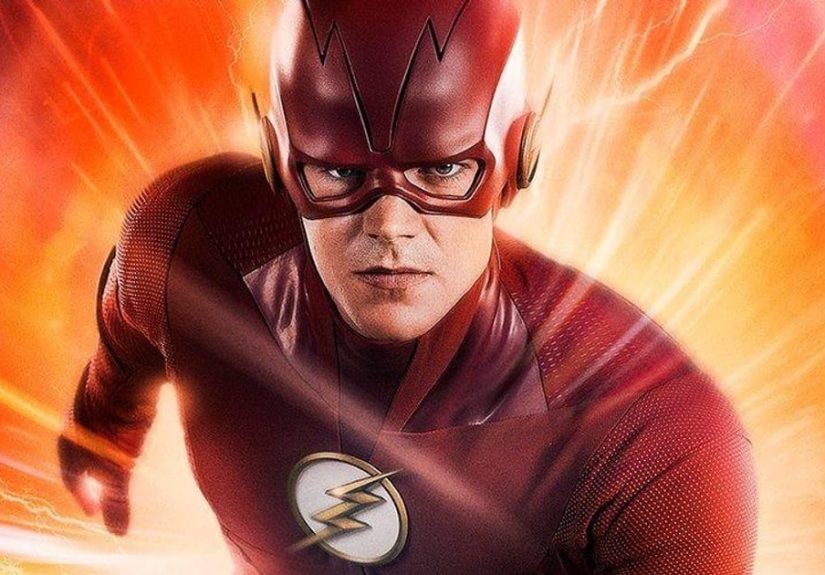
- #1. Grant Gustin (Barry Allen) The CW’s The Flash
- #2. John Wesley Shipp (Barry Allen / Jay Garrick legacy) The Flash (1990) and later TV returns
- #3. Michael Rosenbaum (Wally West) Justice League / Justice League Unlimited
- #4. Ezra Miller (Barry Allen) The DCEU big-screen Flash
- #5. Christopher Gorham (Barry Allen) DC Animated Movie Universe (starting with Justice League: War)
- #6. Justin Chambers (Barry Allen) Justice League: The Flashpoint Paradox
- #7. Matt Bomer (Barry Allen) Justice Society: World War II
- #8. Neil Patrick Harris (Barry Allen) Justice League: The New Frontier
- #9. Alan Tudyk (Barry Allen) Batman: The Brave and the Bold
- #10. Charlie Schlatter (Wally West / Barry Allen depending on project) Multiple animated appearances
- #11. James Arnold Taylor (Barry Allen) LEGO DC Comics Super Heroes: The Flash
- #12. Adam DeVine (The Flash) The LEGO Batman Movie
- #13. Teddy Sears (Jay Garrick / “Jay Garrick”) The Flash (TV)
- #14. Billy Mitchell (Jay Garrick) Smallville
- #15. Andy Milder (Jay Garrick) Batman: The Brave and the Bold
- #16. Kenny Johnston (The Flash) Justice League of America (1997 TV movie)
- #17. Rod Haase (The Flash) Legends of the Superheroes (1979 TV specials)
- #18. Ted Knight (The Flash voice) Classic animated era
- #19. Jack Angel (The Flash voice) Super Friends and beyond
- #20. Cliff Owens (The Flash voice) The Superman/Aquaman Hour of Adventure era
- What This Ranking Says About The Flash
- of Flash-Watching Experiences
The Flash is the rare superhero who can outrun bullets, bend time, and still somehow be late to his own emotional growth.
Across decades of film and TV (live-action and animated), “The Flash” hasn’t just been one guyit’s been a
rotating relay team of Barry Allen, Wally West, Jay Garrick, and the occasional “wait… is that actually the Flash?” multiverse surprise.
So let’s do what any responsible fan would do: line up the Scarlet Speedsters, compare their lightning trails,
and rank them. Respectfully. Mostly.
Quick Reality Check: “The Flash” Is a Mantle
In the comics, different heroes carry the Flash identity across erasmost famously Barry Allen, Wally West, and Jay Garrick.
Film and TV follow that tradition. Some portrayals are “the main Flash,” some are legacy Flashes, and some are one-time appearances
that still count because the suit (or the lightning bolt) shows up on screen and speaks words with confidence.
How This Ranking Works
- Impact: Did this Flash shape how audiences think about the character?
- Performance: Comedy, heart, intensitycan they sell the Speed Force and a quiet scene?
- Flash-ness: Wit, optimism, moral spine, and the “I can fix it” energy that inevitably breaks time.
- Longevity & memorability: One great movie can compete with a long TV run, but it has to be great.
The Ranking
-
#1. Grant Gustin (Barry Allen) The CW’s The Flash
Where you saw him: A full decade of TV-speedster life, from rookie hero to multiverse veteran.
Gustin’s greatest superpower wasn’t running fastit was making Barry feel human even when the plot demanded
he explain quantum nonsense while actively being struck by feelings. He balanced earnestness with humor, vulnerability with heroism,
and carried the character through romance, tragedy, team dynamics, and the kind of time-travel consequences that would make a physicist cry.He also nailed the modern “Flash vibe”: hopeful, slightly overwhelmed, and always trying to do the right thingeven when
the right thing involves sprinting into a portal that screams “bad idea” in neon. -
#2. John Wesley Shipp (Barry Allen / Jay Garrick legacy) The Flash (1990) and later TV returns
Where you saw him: The early live-action era, plus later multiverse/legacy appearances.
Shipp’s Barry came from a time when superhero TV had fewer resources and more courage. The tone leaned noir-ish,
the suit was iconic in a “this is the best we can do and we will commit” way, and Shipp played Barry with a grounded sincerity
that aged surprisingly well. He didn’t have modern CGI doing push-ups in the background, so his performance had to carry the speed.His later appearances as legacy Flash energy (including Jay Garrick interpretations) add a generational warmth:
he feels like the character’s history walking into the room, reminding everyone that the Flash isn’t just a power setit’s a legacy. -
#3. Michael Rosenbaum (Wally West) Justice League / Justice League Unlimited
Where you saw him: The definitive animated team-era Flash for many fans.
Rosenbaum’s Wally West is pure charisma with a lightning bolt on it: funny, fast-talking, emotionally present, and unexpectedly deep.
He’s the guy who cracks a joke to relieve tensionthen turns around and delivers a sincere moment that lands because you didn’t see it coming.In a team full of icons, this Flash still stands out. He feels like the audience’s entry point into god-level heroics,
and his voice work makes speed feel playful rather than purely tactical. -
#4. Ezra Miller (Barry Allen) The DCEU big-screen Flash
Where you saw him: Live-action films where the Flash goes from anxious outsider to full-on multiverse accelerator.
Miller’s Flash is jittery, earnest, and socially awkward in a way that’s very “I joined the Justice League and immediately asked
if we’re doing brunch.” It’s a distinct interpretation: more nervous energy than classic clean-cut Barry, more stammer than swagger.The upside? It’s memorable. The physicality and comedic timing pop, and the character’s growth into a more confident hero feels earned
especially when the story leans into the Flash’s most dangerous talent: fixing the past and breaking everything else. -
#5. Christopher Gorham (Barry Allen) DC Animated Movie Universe (starting with Justice League: War)
Where you saw him: A connected run of animated films with a modern, streamlined Justice League.
Gorham’s Barry is clean, likable, and sharply pacedbasically the vocal equivalent of a perfectly timed lightning strike.
He sells the “smart scientist” side without turning Barry into a walking textbook, and he fits naturally into a more action-forward universe.If you want a Barry who feels modern, heroic, and easy to root for, this is one of the strongest voice portrayals on the list.
-
#6. Justin Chambers (Barry Allen) Justice League: The Flashpoint Paradox
Where you saw him: A story where Barry’s choices turn reality into a complicated group project from hell.
Chambers captures Barry’s internal panic and moral urgency: he’s not just running fasthe’s running from guilt, grief, and consequences.
The performance works because it’s emotionally direct. When Barry realizes he’s changed the world, you can hear the weight in his voice.It’s one of the best “Barry learns the hard way” portrayals, whichlet’s be honestis most of Barry’s brand.
-
#7. Matt Bomer (Barry Allen) Justice Society: World War II
Where you saw him: An animated wartime adventure where speed meets history.
Bomer brings a calm confidence that fits a Barry who’s capable but disorientedbecause being fast doesn’t help when you
don’t know what decade you’re in. He plays Barry as thoughtful and sincere, emphasizing leadership rather than quippiness.It’s a strong, steady takeless “chaos goblin in red spandex,” more “competent hero trying not to break the timeline again.”
-
#8. Neil Patrick Harris (Barry Allen) Justice League: The New Frontier
Where you saw him: A retro-flavored animated universe with classic-era heroes and big themes.
Harris gives Barry a smooth, personable warmth that matches the mid-century tone. This Flash feels like a confident professional:
smart, brave, and quietly heroic. He doesn’t need to shout “I’m the fastest” because the story treats heroism as duty, not branding.It’s not the loudest performance herebut it’s one of the most tonally perfect for its film.
-
#9. Alan Tudyk (Barry Allen) Batman: The Brave and the Bold
Where you saw him: Animated TV with a silver-age spirit: bright, fun, and unapologetically comic-booky.
Tudyk understands the assignment: this Flash should feel like a friend you trust with your car keysand your secret identity.
He’s charming, slightly theatrical, and totally at home in a world where villains show up with pun-based crimes.The performance is breezy without being shallow, which is harder than it looks when you’re saying things like “scarlet speedster” out loud.
-
#10. Charlie Schlatter (Wally West / Barry Allen depending on project) Multiple animated appearances
Where you saw him: Notably in Superman: The Animated Series and later animated projects.
Schlatter’s Flash leans into spirited, upbeat momentum. There’s a youthful confidence to his delivery that fits the character’s vibe:
the Flash should sound like someone who believes tomorrow can be betterand also believes he can get there in 0.2 seconds.He’s sometimes overshadowed by longer-running portrayals, but his work is a key bridge between classic animation and later definitive takes.
-
#11. James Arnold Taylor (Barry Allen) LEGO DC Comics Super Heroes: The Flash
Where you saw him: A LEGO-focused movie where speed meets punchlines.
Taylor’s Flash is fast, funny, and self-awarelike the character read fan comments and decided to lean in. The LEGO style rewards comedic timing,
and he delivers it while still sounding like a heroic lead rather than a pure joke machine.It’s a reminder that a good Flash performance isn’t only about drama; it’s also about making the fun feel intentional.
-
#12. Adam DeVine (The Flash) The LEGO Batman Movie
Where you saw him: A comedic, chaotic LEGO universe where everyone is at an 11.
DeVine plays the Flash like the enthusiastic friend who definitely double-texts. It’s high-energy, very funny, and perfectly tuned
for a movie that treats superhero egos like a playground. He’s not going for comic-book solemnityhe’s going for laughs, and he nails it.In a ranking built on “Flash-ness,” comedic versions still countbecause being fast and being awkward is basically a Flash tradition now.
-
#13. Teddy Sears (Jay Garrick / “Jay Garrick”) The Flash (TV)
Where you saw him: A legacy-Flash storyline with twists, secrets, and speedster drama.
Sears had a tricky job: he had to feel like a credible, seasoned Flash presence while the story played games with identity and trust.
He brings a confident calm that contrasts nicely with Barry’s “please don’t let this be my fault” energy.Even if your favorite Flash is a straightforward hero, it’s worth appreciating how well Sears sold the idea that “Flash” can be a symbol
people rally behindeven when the symbol is complicated. -
#14. Billy Mitchell (Jay Garrick) Smallville
Where you saw him: Live-action TV legacy hero moments that tease the broader DC world.
Mitchell’s Jay Garrick is more “golden-age steadiness” than modern speedster chaos. He feels like a hero from an older rulebook
the kind who already learned the lesson Barry is about to learn the hard way.It’s not a giant, long-running Flash showcase, but it’s an important “the mantle existed before you” moment in DC TV history.
-
#15. Andy Milder (Jay Garrick) Batman: The Brave and the Bold
Where you saw him: Animated TV’s affectionate nod to classic-era superhero storytelling.
Milder’s Jay is warm and classicless snark, more sincerity. The delivery fits a Flash who feels like he stepped out of an old comic panel
and into a colorful, modern cartoon. It’s legacy energy in voice form.If Barry is the scientist and Wally is the wisecracker, Jay is the mentorand Milder’s performance sells that cleanly.
-
#16. Kenny Johnston (The Flash) Justice League of America (1997 TV movie)
Where you saw him: A pre-modern-era live-action attempt at a team-up that arrived before the genre’s boom.
Johnston’s Flash exists in a fascinating “superheroes on TV before it was easy” zone. The production is a time capsule,
and the Flash portrayal reflects that: earnest, straightforward, and fighting uphill against budget limitations.It’s not the Flash at his most iconic, but it’s part of the trail that led to later successesand that history matters.
-
#17. Rod Haase (The Flash) Legends of the Superheroes (1979 TV specials)
Where you saw him: A variety-special era where superheroes showed up to do comedy and good vibes.
This is “Flash as a party guest” more than “Flash as a dramatic lead,” but the commitment is charming. Haase’s Flash is bright,
friendly, and clearly thrilled to be therelike someone who can outrun anyone but still stops to sign autographs.It’s campy, it’s historic, and it proves DC has been experimenting with tone since forever.
-
#18. Ted Knight (The Flash voice) Classic animated era
Where you saw him: Retro animation that helped cement DC heroes in kids’ pop culture.
Knight’s Flash voice has that classic broadcaster clarity: confident, clean, and unmistakably from an era when heroes spoke like they were
addressing a room full of scouts. It’s not layered modern angstbut it’s foundational.Without performances like this, later versions wouldn’t have a shared “Flash sound” to evolve from.
-
#19. Jack Angel (The Flash voice) Super Friends and beyond
Where you saw him: One of the voices keeping the Flash present in Saturday-morning history.
Angel’s Flash is brisk and energeticthe kind of voice that makes you believe a guy in red can solve any problem with speed and optimism.
It’s a classic heroic cadence: clear stakes, quick action, and a moral that probably fits on a lunchbox.It’s easy to joke about retro cartoons, but those performances built the Flash’s mainstream familiarity long before prestige TV.
-
#20. Cliff Owens (The Flash voice) The Superman/Aquaman Hour of Adventure era
Where you saw him: Early animated TV appearances that helped standardize DC heroes on screen.
Owens represents the earliest wave of “put the Flash on television and make it work.” The style is pure vintage:
direct, heroic, and designed to read clearly even if you’re watching from across the living room in 1967.Ranking him last isn’t an insultit’s just the reality of comparing pioneering simplicity with decades of later nuance.
But as a historical step? Absolutely important.
What This Ranking Says About The Flash
The best Flash portrayals share three traits: heart, humor, and consequences.
Heart makes you care about the person under the mask. Humor keeps the speed from feeling sterile. Consequences make the power meaningful
because a hero who can change time needs a reason not to.
Whether you prefer the long-form Arrowverse journey, the big-screen multiverse swing, or the animated versions that raised an entire generation,
one thing stays consistent: the Flash works when he’s not just the fastest man alivehe’s the one who keeps running toward people who need help.
of Flash-Watching Experiences
Watching every Flash performance back-to-back feels a little like stepping into the Speed Force yourself: time gets weird, emotions hit out of order,
and suddenly you’re having strong opinions about a lightning-bolt emblem at 2:00 a.m. You start with one versionmaybe the CW erabecause it’s easy:
hit play, meet Barry Allen, watch a normal life get shattered, and then watch a new one get built out of friendship, grief, hope, and weekly cliffhangers.
A few episodes in, you realize the experience isn’t just “superhero TV.” It’s comfort food with occasional existential dread sprinkled on top like parmesan.
Then you jump to the older live-action era and it’s like opening a yearbook. The pacing is different, the effects are charming in a “handmade” way,
and the sincerity feels almost rebellious. You can sense the show working hard to prove the Flash belongs on screen at all. That effort becomes part of
the viewing experience: you’re not only watching a hero runyou’re watching a genre learn how to stand upright. And when the lead sells a dramatic moment
without relying on modern visual fireworks, it reminds you that the core of the Flash has always been the same: a good person making impossible choices.
Animated Flash is a different kind of joy. In animation, speed doesn’t have to be negotiated with physics or budgetsit can be drawn, stretched, exaggerated,
turned into comedy, or snapped into tragedy instantly. You’ll catch yourself grinning at a joke that only works because the Flash is moving too fast to be
polite, thentwo scenes lateryou’ll get hit with a surprisingly heartfelt line that lands because the voice actor made him feel real. Animation also makes
the Flash’s optimism feel contagious. Even when the stakes are cosmic, he can still sound like someone you’d trust to help you carry groceries. Very quickly.
The film versions, especially the multiverse-heavy ones, feel like theme-park rides: loud, ambitious, and occasionally overwhelming in the best and worst ways.
You watch Barry face the temptation to fix everything with one more run, and it’s hard not to relatebecause who hasn’t wanted a redo? The Flash just has the
misfortune of being able to try. These stories make you feel the thrill of possibility and the sting of consequence in the same breath. It’s exhilarating,
and it’s a reminder that speed is only exciting when it’s attached to stakes that matter.
By the time you’ve sampled them all, the “best” Flash becomes less about one definitive portrayal and more about what you needed that day.
Sometimes you want heartfelt heroism and long-term growth. Sometimes you want a snappy animated wisecracker who makes justice look fun.
Sometimes you want a legacy Flash who feels like history giving you a nod. And occasionally, you just want LEGO Flash to deliver a punchline
like he’s trying to win the Justice League’s employee-of-the-month parking spot.
The real experiencethe thing that stickscomes from noticing how each actor highlights a different truth about the character:
the Flash is hope with momentum. He’s courage with caffeine. He’s the idea that even when the world is falling apart, you can still move
toward people, toward solutions, toward tomorrow. And if that’s not a superpower worth ranking, what is?







 Close
Close