
Table of Contents >> Show >> Hide
- What Makes a Sofa “English Roll-Arm,” Exactly?
- The “10 Easy Pieces” Approach: 10 Versions of the English Roll-Arm for Real Life
- 1) The Manor House Classic (Casters + Tailored Lines)
- 2) The Small-Space “More Seat for Your Buck” Version
- 3) The Slipcovered “Laundry Day, But Make It Design”
- 4) The Performance-Fabric Workhorse (Kids, Pets, and Plot Twists)
- 5) The Leather “Aging Gracefully” Version
- 6) The Bench-Seat Beauty (Clean Lines, Fewer Crumb Traps)
- 7) The Two-Cushion “No One Fights for the Middle” Classic
- 8) The Deep-Seat Lounger (Movie Night, Upgraded)
- 9) The Sleeper Sofa (Secret Bed, Same Pretty Profile)
- 10) The Modernized English Roll-Arm (Cleaner Base, Lighter Look)
- The Buying Checklist: How to Avoid “Cute But Catastrophic”
- Measure Like a Grown-Up (So Delivery Day Doesn’t Become a Sitcom)
- How to Style an English Roll-Arm Sofa Without Going Full “Museum Rope Barrier”
- Quick FAQs
- Conclusion: The Sofa That Rarely Regrets
- Real-World Experiences: What Living With an English Roll-Arm Sofa Is Actually Like (About )
Some sofas are loud. They strut into your living room like they’re accepting an award and immediately demand
you rearrange the entire floor plan to honor their silhouette. The English roll-arm sofa is not that sofa.
This is the quietly confident, “I’m not trying too hard (but I still look amazing)” kind of seatinglike a
white button-down shirt that somehow works with jeans, trousers, and your questionable Sunday snack choices.
Design sites keep coming back to the English roll-arm because it’s timeless, space-smart, and weirdly adaptable:
traditional enough for a formal living room, but relaxed enough for a movie-night pile-on. In this guide, we’ll
break down what actually makes a sofa “English roll-arm,” why the shape has survived centuries of décor drama,
and how to pick the right version for your life (kids, pets, snacks, and all).
What Makes a Sofa “English Roll-Arm,” Exactly?
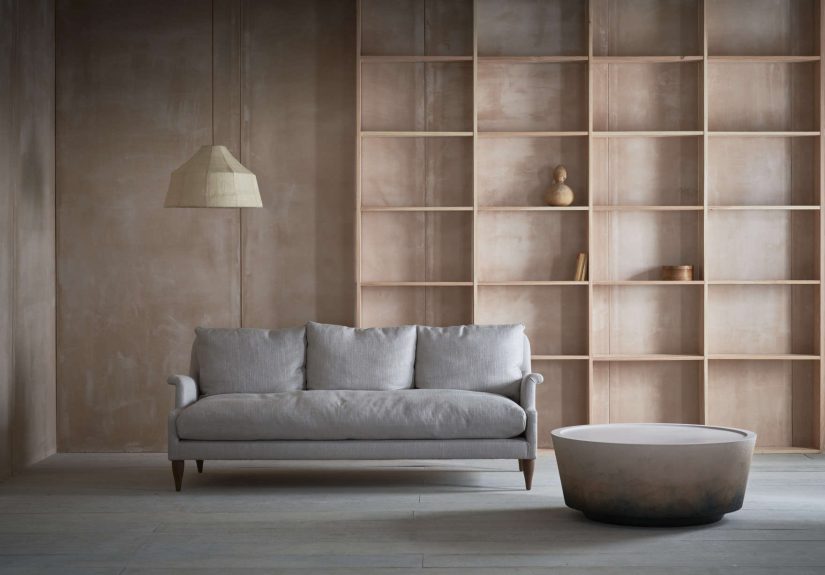
The English roll-arm (sometimes discussed alongside “English arms”) is defined by a soft, rounded arm that sits
low and slightly back from the front edge of the seat. That set-back arm placement is a big deal: it creates a
compact profile and can free up usable seating space compared with chunkier, more forward arms.[1]
[2]
Many classic versions also pair the arms with a tidy, tailored lookoften a tight back (meaning the back is
upholstered and fixed, not made of loose pillows) and seat cushions that may be shaped to “wrap” around the arm.
That wraparound cushion is the famous T-cushion: it looks like a “T” because it extends toward the arm instead
of stopping short at the inside edge.[3] The result is a sofa that reads traditional and polished,
but doesn’t feel bulky.
And yes, you’ll often see turned legs and even chunky little wood casters under these sofas. That old-school
detail is part of the charm: it’s the “country manor” vibe without requiring you to own a country manoror even
a country.[1]
English roll-arm vs. standard rolled arm
A standard rolled arm can be bigger and rounder, which is cozy for leaning and reading, but it can also eat up
spaceespecially in smaller rooms. The English roll-arm tends to be more restrained: lower, more set back, and
often paired with that T-cushion that visually (and sometimes literally) increases sitting room.
Why it works in more styles than you’d expect
Traditional? Obviously. Farmhouse? Yep. Loft? Surprisingly, yesespecially in leather or a crisp, tight weave.
The silhouette is classic, but the fabric, leg finish, and cushion style are where you can dial it “formal” or
“casual.”
The “10 Easy Pieces” Approach: 10 Versions of the English Roll-Arm for Real Life
Remodelista popularized the “10 Easy Pieces” roundup format for classic essentials, including the English
roll-arm sofashowing how the same core shape can look wildly different depending on details and brands.[4]
Here are ten easy ways to “shop the silhouette” without getting stuck on one exact product.
1) The Manor House Classic (Casters + Tailored Lines)
If you want the most authentic vibe, look for: tight back, low set-back arms, T-cushion seats, and visible
casters or turned legs. This is the version that looks like it knows how to host teawhile still forgiving
enough for pizza night. Remodelista’s roundup highlighted models that lean into T-cushion arms and antique-style
casters as signature details.[4]
2) The Small-Space “More Seat for Your Buck” Version
One reason people love this shape is that the arms can be relatively slim and recessed, which can help maximize
seating without making the sofa feel oversized. Some makers explicitly call out how set-back arms preserve
sitting space in tighter rooms.[2]
What to look for: a sofa length that fits your wall (often 72–84 inches for many living rooms), plus arms that
don’t jut forward like they’re trying to start a separate furniture career.
3) The Slipcovered “Laundry Day, But Make It Design”
A slipcover takes the English roll-arm from “estate sale fantasy” to “I have a life, and it includes spills.”
If you’re buying for a busy home, washable or removable covers can be a sanity-saver, and couch-buying experts
often recommend removable slipcovers for durability-focused shoppers.[5]
Pro tip: If you like the relaxed look, choose a slightly rumpled linen blend; if you want a sharper silhouette,
pick a structured cotton twill and a tailored slipcover cut.
4) The Performance-Fabric Workhorse (Kids, Pets, and Plot Twists)
Want the classic shape without living in fear of grape juice? Performance fabrics are designed for everyday
messes. Brands like Crypton emphasize stain resistance, odor resistance, and easier cleaning for upholstery used
in high-traffic homes.[6]
Look for tightly woven textiles (they tend to hold up well), and consider a mid-tone color that doesn’t treat
every crumb like a crime scene.
5) The Leather “Aging Gracefully” Version
Leather can make the English roll-arm feel more modern and less cottage. Practical bonus: it’s easy to wipe
clean. Many furniture experts also note that higher-quality leathers can develop a patina over time rather than
just looking tired.[5]
Style note: Dark leather + turned legs = classic clubby. Camel leather + lighter legs = warm, updated, and
surprisingly versatile.
6) The Bench-Seat Beauty (Clean Lines, Fewer Crumb Traps)
A bench seat is a single long cushion instead of two or three separate ones. It looks streamlined and makes it
easier to flop down anywhere along the seat. Better Homes & Gardens notes that bench seats can feel less
cluttered and simpler to maintain because there are fewer seams for debris to hide inthough they can also show
wear differently over time and stain management can be trickier because you can’t “swap out” one cushion.[7]
If you love the bench-seat look, prioritize durable upholstery and a supportive cushion core so it stays comfy
and even-looking.
7) The Two-Cushion “No One Fights for the Middle” Classic
Two loose seat cushions are a sweet spot for many households: easier to rotate than a bench, but less choppy
looking than three cushions. You’ll often see this paired with a tight back and T-cushion seats in English-arm
interpretations from legacy furniture brands.[8]
8) The Deep-Seat Lounger (Movie Night, Upgraded)
Seat depth is where comfort gets personal. Many guides put “standard” seat depth roughly in the low-20-inch
range, with deep seats moving into the mid-20s.[9] [10] If you love curling up with your
feet tucked under you, deeper can feel dreamy. If you prefer upright sitting (or you’re shorter), too deep can
feel like you’re politely sliding into a cushion canyon.
Easy rule: standard depth for “sit and chat,” deep depth for “sit and accidentally nap.”
9) The Sleeper Sofa (Secret Bed, Same Pretty Profile)
If you host guests but don’t have a dedicated guest room, look for an English roll-arm-inspired sleeper with a
tailored arm and a relatively compact footprint. The key is keeping the silhouette classic while the mechanism
does its behind-the-scenes work.
Shopping tip: test the seat comfort in “sofa mode” first. If it’s not comfortable as a sofa, it won’t magically
become comfortable because it can also turn into a bed.
10) The Modernized English Roll-Arm (Cleaner Base, Lighter Look)
Want the vibe without feeling too traditional? Choose a version with slimmer legs, minimal piping, and a
slightly higher base so it feels airy. You still get the iconic arm shape, but the overall effect reads more
contemporaryespecially in bouclé, textured weaves, or a crisp neutral.
The Buying Checklist: How to Avoid “Cute But Catastrophic”
The English roll-arm is a silhouette. The quality lives underneath. When you’re comparing sofas, zoom in on
construction and materialsbecause your future self does not want to learn what “structural regret” feels like.
Couch-buying experts commonly recommend evaluating the frame, foundation (suspension), cushions, and fabric as
the core quality drivers.[5]
Frame: the boring part that matters the most
- Kiln-dried hardwood is often cited as a quality marker because reducing moisture helps minimize warping over time.[5]
- Solid joinery (think mortise-and-tenon, corner blocks) helps a sofa stay square and sturdy.
Suspension: where comfort is secretly decided
You’ll hear “8-way hand-tied” like it’s a luxury password. It refers to how springs are tied to create the seat
foundation, which influences comfort, durability, and how well the sofa resists sagging.[11]
That said, a well-built sinuous spring system can also be comfortable and long-lasting. The point is to avoid
the flimsy stuff that turns your sofa into a hammock you didn’t ask for.
Cushions: choose your vibe
- High-resilience foam tends to keep its shape longer.
- Down-wrapped can feel plush but may need fluffing.
- Spring-down or hybrid cores often aim for a balance: supportive with a softer top feel.
Fabric: pick for your actual life, not your fantasy life
If durability is a priority, performance fabrics and tightly woven textiles are popular recommendations, and
some performance brands highlight built-in protection designed for everyday stains and odors.[6]
Measure Like a Grown-Up (So Delivery Day Doesn’t Become a Sitcom)
The most common sofa-shopping heartbreak is simple: not measuring. Designers and retail guides repeatedly warn
that skipping measurements can ruin room flowor prevent the sofa from fitting through doorways in the first
place.[12]
A practical method used by major retailers is to measure not just width and height, but the sofa’s
diagonal depthand compare it to the narrowest doorway along the delivery path. Crate & Barrel’s
measuring guide notes that for sofas and sectionals, the diagonal depth needs to be less than the doorway width
to fit through.[13]
- Measure your room footprint and the wall where the sofa will sit.
- Measure all entry points: doors, hallways, stair turns, and tight corners.
- Check sofa width, height, and diagonal depth (ask the retailer if it’s not listed).
- Use painter’s tape to outline the sofa footprint on the floor so you can “feel” the scale before you buy.
How to Style an English Roll-Arm Sofa Without Going Full “Museum Rope Barrier”
The English roll-arm is inherently polite. Styling is where you decide whether it’s “polite but fun” or “polite
and slightly judgmental.”
Three easy styling formulas
- Classic: neutral upholstery + patterned pillows + a warm wood coffee table.
- Modern: leather or bouclé + minimal pillows + a clean-lined side table.
- Relaxed: slipcover + oversized throw + mixed-texture pillows (linen, knit, velvet).
Don’t forget the legs
Visible legs (especially turned legs or casters) add character. If you want the sofa to feel lighter, choose a
higher leg. If you want it grounded and traditional, choose chunkier legs and a lower stance.
Quick FAQs
Is an English roll-arm sofa comfortable for naps?
Often, yes. Low, set-back arms can be friendlier for leaning your head (or your entire body, no judgment).
Comfort still depends on seat depth and cushion fillso test if you can.
Does the style only work in traditional homes?
Not at all. In leather, performance fabric, or a crisp neutral, the silhouette can look surprisingly modern.
It’s a “shape that behaves” in lots of design languages.
Are casters required?
Nope. They’re a classic detail, but plenty of English roll-arm interpretations skip casters for cleaner legs.
Think of casters as the vintage brooch on an outfit: charming, optional, and occasionally a conversation starter.
Conclusion: The Sofa That Rarely Regrets
The English roll-arm sofa earns its reputation because it’s balanced: classic without being fussy, compact
without being stingy, and adaptable enough to handle your style pivots for years. Whether you choose a tailored
tight-back with casters, a washable slipcovered version, or a performance-fabric workhorse, the winning move is
focusing on the fundamentalsfit, construction, and comfortthen letting the silhouette do its timeless thing.
Real-World Experiences: What Living With an English Roll-Arm Sofa Is Actually Like (About )
Here’s the part nobody puts in a product description: the English roll-arm sofa is the kind of furniture you
start noticing in everyday momentsnot because it’s dramatic, but because it quietly makes life easier. People
often describe the first week as a “Wait… this is smaller than my old sofa, but we’re all fitting on it better”
moment. That’s the set-back arm and T-cushion effect doing its thing: the sofa looks refined, yet the usable
sitting area feels generous. It’s the rare piece that can be visually light and functionally practical at the
same time.
The second experience tends to be about posture. If you’ve been living on a super-deep lounge sofa, the English
roll-arm can feel a bit more “sit-ready” (in a good way). You’re not forced into a slouchy recline unless you
want to be. That makes it great for conversation, reading, or laptop time. But it’s also surprisingly nap-able:
low arms mean you can lean without feeling like your neck is balancing on a ledge. Add a small lumbar pillow or
a soft throw, and suddenly your living room is competing with your bed for attention.
In busy households, the day-to-day relationship with this sofa depends heavily on fabric. With slipcovers,
owners often report a particular kind of peace: the calm confidence of knowing you can wash the evidence. It’s
not that spills stop happeningit’s that they stop feeling like a major event. With performance upholstery,
there’s a similar vibe: blot, clean, move on. The sofa becomes a place where real life is allowed, not a shrine
to “company only” behavior.
Styling-wise, the English roll-arm tends to become a “pillow chameleon.” People swap pillows seasonally and the
sofa never complains. Plaid in fall? Works. Bright linen in summer? Works. A random pillow you bought because it
was on sale and you felt powerful? Also works. Because the frame is classic, your accessories can carry the
personality. And if you choose legs with casters or a turned detail, you’ll probably notice guests looking down
and smilinglike they’ve discovered a secret handshake for good taste.
The long-term experience is mostly about maintenance habits. Tight-backs stay neat (you’re not constantly
re-fluffing the rear cushions), while loose seat cushions benefit from occasional rotation and a quick fluff.
Bench seats look sleek, but they reward even usesit in different spots over time so the cushion wears evenly.
Once you get into that rhythm, the sofa tends to age gracefully. It doesn’t scream “new,” it just slowly
becomes “yours,” which is arguably the best compliment a piece of furniture can earn.






 Close
Close