
Table of Contents >> Show >> Hide
- Deadlift Basics (So Your Back Doesn’t File a Complaint)
- Way #1: Conventional Barbell Deadlift
- Way #2: Sumo Deadlift
- Way #3: Trap Bar (Hex Bar) Deadlift
- How to Choose the Right Deadlift Variation
- Programming Tips (Simple, Effective, and Not Overcomplicated)
- Troubleshooting: Quick Fixes for Common Deadlift Problems
- Conclusion
The deadlift is the fitness world’s most honest conversation: you grab something heavy, stand up, and the universe
immediately tells you whether your technique makes sense. There’s no hiding behind fancy machines, no “it was the
lighting” excusesjust you, gravity, and a bar that would love to turn your spine into a question mark if you let it.
The good news: deadlifting isn’t one single “right” lift. It’s a family of hip-hinge variations that all teach the
same core skillpicking weight off the floor with your hips and legs doing the heavy lifting while your torso stays
braced and stable. In this guide, you’ll learn three practical ways to do a deadlift:
the conventional barbell deadlift, the sumo deadlift, and
the trap bar (hex bar) deadlift.
You’ll get step-by-step cues, common mistakes (and quick fixes), plus a simple way to choose the variation that fits
your body, goals, and equipmentwithout turning your warm-up into a 45-minute TED Talk.
Deadlift Basics (So Your Back Doesn’t File a Complaint)
1) The hip hinge is the main character
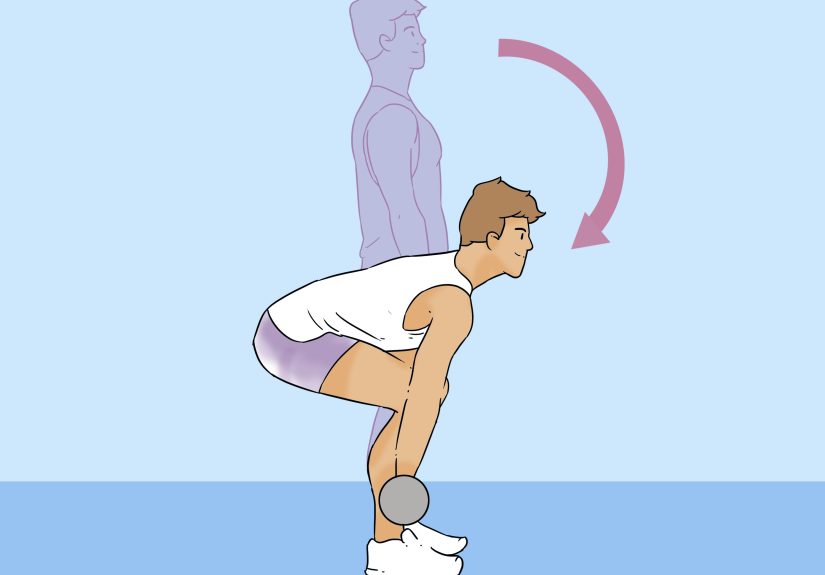
A deadlift is not a squat with the bar in your hands. It’s a hip hinge: your hips move back like
you’re closing a car door with your butt, your torso tilts forward, and your shins stay relatively vertical compared
with a squat. Your hamstrings and glutes should feel like they’ve been invited to the partybecause they have.
2) Brace like you’re about to be lightly punched (by a pillow, not a truck)
Bracing is how you keep your spine stable while your hips and knees generate force. Think:
ribs down, core tight, breathe into your belly and sides, and keep that pressure as you lift.
Your torso should feel solidless “wet noodle,” more “soda can.”
3) Keep the weight close
The farther the bar drifts from your body, the harder your back has to work. A good deadlift keeps the load close
to your shins and thighs. If the bar lightly grazes your legs, that’s not a “mistake”that’s physics working in your
favor. (Pro tip: long socks exist for a reason.)
4) Your lats matter more than most people realize
Your lats help keep the bar path tight and your upper back engaged. Cue it like this:
“Squeeze oranges in your armpits” or “Pull your shoulders into your back pockets.”
You’re not rowing the bar; you’re locking your torso into a strong position so your legs and hips can do their job.
5) Start light and earn the right to go heavy
Deadlifts reward patience. Learn the movement with light weight, build consistent reps, and add load gradually.
If something hurts in a sharp, sketchy way, stop and get qualified help. “Effort” and “pain” are not gym twins.
Way #1: Conventional Barbell Deadlift
The conventional deadlift is the classic: feet about hip-width, hands outside the legs, and the bar starts on the
floor. It’s a full-body strength builder that hammers the posterior chain (glutes, hamstrings, and back) while
teaching strong, efficient lifting mechanics.
How to do it (step-by-step)
-
Set the bar over midfoot. Stand close so the bar is roughly over your shoelaces. Your shins should
be an inch or so away before you bend down. -
Hinge down and grab the bar. Push your hips back, reach down, and take your grip just outside your
knees. Start with a double-overhand grip if you can. -
Bring shins to the bar (without rolling it). Bend your knees until your shins touch the bar.
Keep the bar stilldon’t nudge it forward. -
Brace and “set” your upper body. Chest proud (not flared), core tight, lats engaged.
Think “long spine” and “tight torso.” - Take the slack out. Pull gently until you feel tensionlike you’re loading a springthen lift.
-
Drive the floor away. Push through your whole foot, stand up, and keep the bar close.
Knees and hips extend togetherno yanking with the arms. -
Finish tall. Stand straight with glutes squeezed. Don’t lean back like you’re trying to show off
your belt buckle to the ceiling. -
Lower with control. Hinge first (hips back), then bend knees as the bar passes them.
Reset between reps if your position gets messy.
Common mistakes (and fast fixes)
-
Hips shoot up first: You’re turning it into a stiff-legged pull. Fix it by bracing harder,
getting “hips lower than shoulders,” and pushing the floor away. - Bar drifts away: Engage lats and keep the bar close. Think “drag the bar up my legs.”
- Overextending at lockout: Finish tall, not backwards. Squeeze glutes and stop.
-
Rounding your back: Drop the weight, reset, and practice hinges (RDLs, dowel hinges) to learn
spinal control. A neutral spine is the goal.
Who it’s great for
Conventional deadlifts are excellent for general strength, powerlifting-style training, and anyone who wants a
straightforward “pick it up off the ground” patternassuming you can maintain a solid hinge and brace.
Way #2: Sumo Deadlift
The sumo deadlift uses a wider stance with your hands inside your knees. It often lets lifters keep a more upright
torso, and it can shift some emphasis toward the quads and inner thighs (adductors) while still heavily recruiting
glutes and hamstrings.
How to do it (step-by-step)
-
Take a wide stance. Start wider than shoulder-width (how wide depends on your hips and mobility).
Toes turned out comfortably. - Shins close to the bar. The bar should still start over midfootsumo isn’t “bar far away, hope for the best.”
-
Drop hips down and push knees out. Think “spread the floor” with your feet and open your hips.
Your knees track over your toes. - Grip inside the legs. Hands go between your knees. Arms stay straight and long.
-
Brace hard and lock in your back. Chest up, lats tight, core pressurized.
You should feel tension before the bar leaves the ground. -
Push the floor apart and stand up. Drive through your feet and extend hips to finish.
Keep the bar close and your torso stable. - Lower under control. Hips back, then knees bend as the bar comes down.
Common mistakes (and fast fixes)
- Knees collapse inward: Reduce weight, widen stance slightly, and cue “knees out” / “spread the floor.”
-
Hips too high (turning it into weird conventional): Drop hips, brace, and make sure your shins
are close to the bar before you pull. -
Stance too wide to be stable: If you can’t keep pressure through the whole foot,
bring it in a bit until you can drive evenly.
Who it’s great for
Sumo can be a smart option if conventional pulls feel back-dominant, if you have long legs relative to your torso,
or if you simply feel stronger with a more upright torso. Some people just “click” with sumolike their hips finally
found the user manual.
Way #3: Trap Bar (Hex Bar) Deadlift
The trap bar deadlift puts the load at your sides instead of in front of you. Many lifters find it easier to learn,
easier to keep the torso upright, and friendlier on the lower backwhile still building serious strength.
How to do it (step-by-step)
-
Step into the middle of the bar. Feet about hip-width, toes mostly forward (slight turnout is fine).
Your body should feel centered, not like you’re standing at the “front” of the hexagon. - Hinge and bend knees to reach the handles. Arms straight, shoulders packed down, back neutral.
-
Brace and get tight. Core pressurized, lats engaged, chest “proud.”
You should feel tension before you lift. -
Drive through the floor. Stand up smoothly, keeping your torso stable and your feet planted.
Squeeze glutes at the top. -
Lower with control. Hips back, knees bend, set the bar down softly.
Reset if you lose position.
High handles vs. low handles
Many trap bars have two handle heights. High handles reduce range of motion and can be great for
beginners or those rebuilding confidence. Low handles increase range of motion and make the lift
feel closer to a barbell deadlift. Choose the option that lets you keep a clean brace and neutral spine.
Who it’s great for
The trap bar is a strong “default” deadlift for many peopleespecially beginners, athletes training for power output,
or anyone who wants heavy leg-and-hip training with a simpler learning curve.
How to Choose the Right Deadlift Variation
If you’re stuck choosing between conventional, sumo, and trap bar, here’s a simple decision filter that works in
real gyms with real humans (not just perfectly proportioned stick figures):
Choose conventional if…
- You want the classic barbell pull and don’t mind a stronger hip hinge angle.
- You can keep a stable brace and neutral spine from the floor.
- You’re training for general strength or powerlifting-style goals.
Choose sumo if…
- You feel stronger or safer with a more upright torso position.
- Your hips and adductors tolerate a wide stance well.
- Conventional feels like 90% lower back and 10% everything else.
Choose trap bar if…
- You’re learning the deadlift and want a simpler setup.
- You want to train heavy while keeping the load closer to your center of mass.
- You like a lift that often feels more “push the floor” than “hinge into the abyss.”
One more truth: your “best” deadlift can change over time. Mobility improves, strength balances out, technique gets
cleaner. The goal isn’t to marry a variationit’s to get strong with a hinge pattern that you can repeat safely.
Programming Tips (Simple, Effective, and Not Overcomplicated)
Deadlifts are demanding. Most people do well with 1–2 deadlift-focused sessions per week and then
build support work around them. Think of deadlift training like spicy food: delicious, but you don’t need it at every
meal to prove you’re brave.
Beginner-friendly approach
- Pick one main variation (trap bar is a common starting point) and practice it consistently.
- Use moderate reps so you can repeat good technique (for example, sets of 3–8 reps).
-
Add support lifts: hip hinges (like Romanian deadlifts), rows, core bracing drills,
and single-leg work.
If grip is the limiting factor
Grip will often fail before your legs do. Build it with double-overhand work, farmer carries, and controlled reps.
If you’re training for general strength (not competition rules), straps can be a tooljust don’t let them replace
all grip work forever.
Troubleshooting: Quick Fixes for Common Deadlift Problems
“I feel it mostly in my lower back.”
Some back involvement is normalyour spinal erectors stabilize the lift. But if it feels like the entire workout is
happening in your lower back, usually one of these is true: your hips are rising early, the bar is drifting away,
or you’re not bracing well. Lower the load, film a rep, and focus on “lats on” + “push the floor away.”
“The bar gets stuck at my knees.”
That’s often a positioning problem or a hip extension strength problem. Keep the bar close and drive hips through at
the top without overextending your spine. Assistance lifts like paused deadlifts, RDLs, and glute-focused work can
helpassuming your main technique is solid.
“My shins hate me.”
If you’re deadlifting with a barbell and keeping the bar close, a little shin contact can happen.
Wear long socks, keep the bar path vertical, and control the descent. Also: stop treating the bar like it’s allergic
to your legs. Close is efficient.
“My hips feel pinchy in sumo.”
Your stance may be too wide or your toe angle may be forcing a position your hips don’t like. Bring your stance in a
bit, adjust toe angle, and make sure your knees track over your toes. If pinching persists, switch to conventional or
trap baryour hips get a vote.
Conclusion
The deadlift doesn’t have to be intimidatingit just has to be intentional. Whether you choose the
conventional barbell deadlift, the sumo deadlift, or the
trap bar deadlift, the winning formula stays the same: hinge well, brace hard, keep the load close,
and move with control. Pick the variation that lets you repeat clean reps today, then build strength patiently.
Remember: the goal isn’t to lift the most weight once. The goal is to get stronger over time while keeping
your joints and spine happy enough to let you come back tomorrow. Consistency is the real PR.
Bonus: Real-World Deadlift Experiences (What It Feels Like in Practice)
The first time most people “get” the deadlift, it’s not because someone delivered a perfect anatomy lectureit’s
because they finally feel the hinge click. One rep feels awkward and heavy, the next rep suddenly feels like the bar
is floating on rails. That’s the moment you realize deadlifting is less about brute force and more about
getting into the right position and staying tight.
A common early experience is discovering that your brain has strong opinions about where your hips should goand your
hamstrings disagree. Beginners often start with hips too low (turning everything into a squat) or hips too high
(turning everything into a stiff-legged pull). The “sweet spot” tends to feel surprisingly balanced: your legs push,
your hips drive, and your torso feels like it’s locked in place. When that happens, you’ll notice the bar path stays
close without you having to chase it.
Another classic experience: your grip becomes the villain in your origin story. Your legs feel ready for more, but
your hands start sending urgent emails like, “We did not sign up for this.” That’s normal. Grip improves quickly
with practice, and it teaches you a useful lesson: deadlifts are a whole-body lift, not a “legs only” event. Building
grip strength also tends to improve your confidencebecause the moment you stop worrying about the bar slipping is
the moment you can focus on moving well.
People also discover that different deadlift variations feel like different personalities.
Conventional often feels like a clean hinge challengegreat when you want to train the posterior chain hard. Sumo can
feel more “push and drive,” especially once you learn to open the hips and keep your knees tracking out. Trap bar
frequently feels the most intuitive, like your body is saying, “Oh, we’re just standing up with weight at our sides.
I’ve carried groceries before. I understand this assignment.”
Finally, there’s the delayed-onset reality check: deadlift soreness can show up in places you didn’t expect. Some
people feel it in glutes and hamstrings, others in upper back, and many feel it in the “why are my traps talking to
me?” region. The best long-term experience is learning what “productive work” feels like versus what “sketchy pain”
feels like. Productive work feels like muscle fatigue and normal soreness. Sketchy pain feels sharp, specific, and
wrong. When in doubt, back off, clean up technique, and choose the variation that keeps you training consistently.
Strong is good. Strong and durable is better.





 Close
Close