
Table of Contents >> Show >> Hide
- What Is the Sleepy Girl Mocktail (and Why Is Everyone Drinking It)?
- Ingredient #1: Tart Cherry Juice (The Star of the Show)
- Ingredient #2: Magnesium (The “Relaxation Mineral” Everyone’s Talking About)
- Does the Sleepy Girl Mocktail Actually Work? A Reality Check
- How to Make a Sleepy Girl Mocktail (Classic + Better-Tasting Options)
- Smart Tweaks (Low Sugar, Sensitive Stomach, and “I Want This to Taste Like a Treat”)
- Safety Notes (Because “Natural” Still Means “Be Smart”)
- Make the Mocktail Work Better: Pair It With Actual Sleep Hygiene
- Sleepy Girl Mocktail FAQ
- Experiences: A Week With the Sleepy Girl Mocktail (What It Really Felt Like)
- Final Thoughts
If you’ve spent even five minutes on TikTok (or within shouting distance of someone who has), you’ve probably heard whispers of the
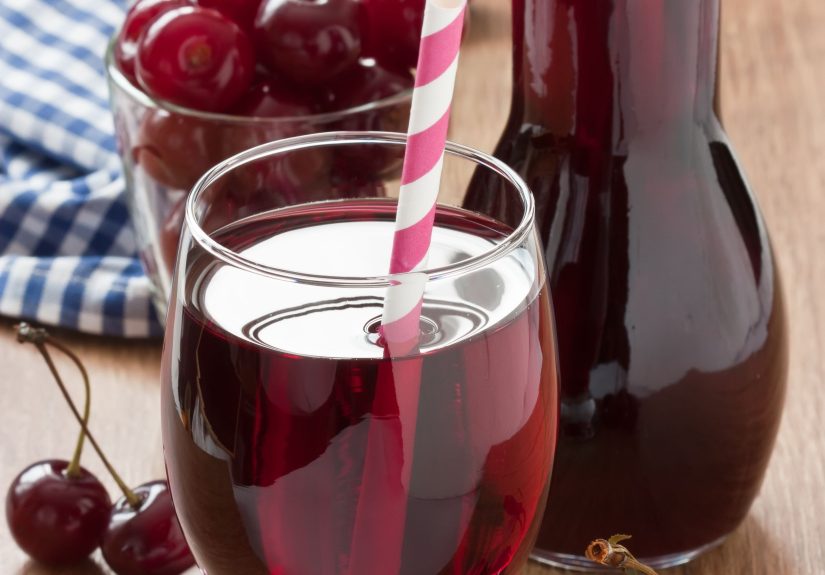
Sleepy Girl Mocktaila bedtime-friendly, alcohol-free drink that claims to help you wind down, relax, and maybe even drift off faster.
The vibe is “spa night,” the ingredients are “grocery store,” and the promise is “goodnight, brain.”
But is it a legit relaxation ritual… or just a cute glass of cherry juice wearing a wellness hat? Let’s break down what’s in the viral drink,
what the science actually says, how to make it taste good (important), and how to use it safelywithout treating it like a magical sleep potion.
What Is the Sleepy Girl Mocktail (and Why Is Everyone Drinking It)?
The classic Sleepy Girl Mocktail is a simple three-part mix:
tart cherry juice, magnesium (usually a powder or supplement), and sparkling water
(or a bubbly “prebiotic soda” swap). It’s usually served over ice in a fancy glass, because apparently sleep only works if it looks aesthetic.
Part of the trend’s appeal is psychologicaland honestly, that matters. A consistent bedtime routine trains your brain to associate certain cues
(dim lights, calmer activities, a soothing drink) with sleep. Even if the mocktail were “just vibes,” rituals can still be powerful.
The ingredients, however, do have some real-world reasons people think they help.
Ingredient #1: Tart Cherry Juice (The Star of the Show)
Tart cherriesespecially Montmorency cherriesget attention because they contain naturally occurring compounds connected to sleep and recovery,
including melatonin and tryptophan, plus antioxidant polyphenols like anthocyanins.
Translation: tart cherries have some “nighttime nutrients,” and they’re also associated with reduced inflammation in some contexts.
What the research suggests
Human studies on tart cherry juice and sleep are promising but not magical. Some trials have found improvements in sleep duration, sleep efficiency,
or insomnia severityoften with participants drinking tart cherry juice (or concentrate) daily for days to weeks.
The benefit tends to be modest, and results vary based on the population (for example, older adults with insomnia vs. generally healthy sleepers).
Why it might help (even if it’s not “melatonin in a glass”)
Here’s the funny part: tart cherry juice doesn’t contain anywhere near the melatonin dose you’d get from a typical melatonin supplement.
That means any benefit likely comes from a combination of factorssmall melatonin amounts, tryptophan support, and anti-inflammatory/antioxidant effects
rather than a single knockout ingredient.
A practical note: sugar is the plot twist
Tart cherry juice can be fairly high in natural sugars and carbs depending on serving size. If you’re watching blood sugar, managing diabetes,
or simply don’t want a bedtime sugar chug, you’ll want to adjust the recipe (don’t worryeasy fixes are coming).
Ingredient #2: Magnesium (The “Relaxation Mineral” Everyone’s Talking About)
Magnesium is essential for nerve function, muscle relaxation, and many biochemical processes. In sleep conversations, magnesium is often linked to:
calming the nervous system, supporting relaxation, and helping some people fall asleep more easilyespecially if their diet is low in magnesium.
Does magnesium help sleep?
The evidence is mixed, but there’s enough support that many clinicians consider magnesium “reasonable to try” for certain people.
Some studies suggest magnesium supplementation may improve sleep outcomes in people with poor sleep quality or insomnia symptoms,
though results differ based on dose, form, and the person being studied.
Which type of magnesium is best for a mocktail?
- Magnesium glycinate (or bisglycinate): Often chosen for sleep because it’s typically well tolerated and less likely to cause GI upset.
- Magnesium citrate: Can be helpful for constipation, but it’s more likely to cause loose stoolspossibly not the bedtime surprise you want.
- Magnesium oxide: Common and inexpensive, but not always absorbed as well; also more likely to cause GI effects for some people.
How much is “too much”?
High supplemental doses can cause diarrhea, nausea, cramping, and (rarely) more serious issuesespecially in people with kidney problems.
A common guideline is to keep supplemental magnesium within established upper limits unless a clinician advises otherwise.
Does the Sleepy Girl Mocktail Actually Work? A Reality Check
Here’s the fairest answer: it can help some people, especially as part of a consistent wind-down routinebut it’s not guaranteed,
and it’s not a substitute for treating true insomnia.
It may help if…
- You’re mildly restless at night and want a relaxing ritual that replaces alcohol or late-night snacking.
- Your diet is low in magnesium and your body responds well to gentle supplementation.
- You’re sensitive to routine (in a good way): the same calming steps each night help flip your brain into “sleep mode.”
It probably won’t fix…
- Chronic insomnia that’s been hanging around for months.
- Sleep apnea, severe anxiety, untreated reflux, or other medical issues that interrupt sleep.
- A lifestyle where bedtime is at midnight, screens stop at 11:59, and your “relaxing drink” is triple espresso.
If sleep is a consistent struggle, evidence-based treatments like CBT-I (Cognitive Behavioral Therapy for Insomnia) are considered
a first-line approach for chronic insomnia, and many people benefit from professional guidance.
How to Make a Sleepy Girl Mocktail (Classic + Better-Tasting Options)
Classic Sleepy Girl Mocktail Recipe
- 4 to 8 ounces 100% tart cherry juice (start smaller if you’re watching sugar)
- Magnesium powder (use the serving size on the label; consider magnesium glycinate/bisglycinate for gentler digestion)
- 2 to 6 ounces sparkling water (plain or lime)
- Ice
- Optional: squeeze of lime or lemon
Directions
- Add ice to a glass.
- Pour in tart cherry juice.
- Stir in magnesium powder thoroughly (some powders dissolve better in a small splash of warm water first).
- Top with sparkling water, stir gently, and sip slowly.
Timing tip: Many people drink it about 60–120 minutes before bed. If you’re sensitive to liquids at night,
drink it earlier so you’re not waking up to pee at 3 a.m. like it’s your hobby.
Smart Tweaks (Low Sugar, Sensitive Stomach, and “I Want This to Taste Like a Treat”)
If you want lower sugar
- Use 2 ounces tart cherry concentrate and dilute with water/sparkling water to taste.
- Choose no-sugar-added tart cherry juice (still contains natural sugars, but avoids extra sweeteners).
- Keep the serving closer to 4 ounces juice instead of 8–16.
If magnesium upsets your stomach
- Switch to magnesium glycinate/bisglycinate and start with a smaller amount.
- Take magnesium with a light snack earlier in the evening instead of mixing it in the drink.
- Avoid magnesium citrate if you already have a sensitive gut (unless constipation is the goal).
If you want it to feel like a real “mocktail”
- Add a splash of orange juice (small amount) for a cherry-citrus vibe.
- Try sparkling water + a few muddled berries for a fancy look without more sugar.
- Use a cinnamon stick or a tiny pinch of vanilla for dessert energy.
- Skip super minty add-inspeppermint can worsen reflux for some people, and reflux is not a sleep enhancer.
Safety Notes (Because “Natural” Still Means “Be Smart”)
The Sleepy Girl Mocktail is generally simple, but two things deserve respect:
sugar (from juice) and supplements (magnesium).
Talk to a clinician first if you…
- Have kidney disease or impaired kidney function (magnesium can build up dangerously).
- Are pregnant, breastfeeding, or making this for a child (different needs and safety thresholds apply).
- Take medications that may interact with magnesium (certain antibiotics, thyroid meds, and more can be affected by minerals).
- Have diabetes or need tight blood-sugar control (juice portions matter).
Also: magnesium supplements can cause digestive side effects at higher doses. If your “relaxation drink” triggers stomach cramps,
that’s your body voting “no.”
Make the Mocktail Work Better: Pair It With Actual Sleep Hygiene
If you want the drink to be more than a trendy beverage, treat it as one tool in a bigger bedtime plan.
The boring basics work because… they work.
A simple “Sleepy Girl” wind-down stack
- Consistent schedule: Same sleep/wake time most days.
- Light dimming: Reduce bright light and screens near bedtime.
- Caffeine cutoff: Avoid late-day caffeine if you’re sensitive.
- Alcohol awareness: Alcohol can make you sleepy but often worsens sleep quality later in the night.
- Cool room: Slightly cooler temps tend to support sleep for many people.
If your sleep issues are persistent (most nights, for months), consider asking about CBT-I. It’s structured, evidence-based,
and designed to treat insomnia at the rootnot just put a cozy beverage bandage on it.
Sleepy Girl Mocktail FAQ
Can I drink it every night?
Many people do, but nightly use depends on your tolerance, sugar intake, and how you use magnesium.
If you’re supplementing magnesium daily, keep an eye on total supplemental intake and digestive effects.
You can also rotate: mocktail some nights, herbal tea other nights.
Should I add melatonin too?
Most versions don’t require it. Combining multiple sleep-related supplements can increase side effects or lead you to overdo it.
If you’re considering melatonin, it’s worth discussing with a clinicianespecially for dosing and timing.
What if it doesn’t do anything?
Then you’ve discovered a valuable truth: your sleep is influenced more by routine, stress, environment, and underlying health
than by a single drink. Keep the ritual if you like it, tweak the routine, and consider more targeted help if sleep is still rough.
Experiences: A Week With the Sleepy Girl Mocktail (What It Really Felt Like)
Let’s talk real-life expectations, because the internet loves a “night one miracle” storyand real bodies rarely cooperate with that plotline.
A more typical experience with the Sleepy Girl Mocktail looks like small, noticeable shifts that build over several nights, especially if you pair it
with a calmer bedtime routine.
Night 1: The first night is often about the ritual more than the biology. You pour the juice, stir in magnesium, add ice, and suddenly
you’re doing something intentional instead of doomscrolling in bed. The drink tastes like grown-up cherry soda (in a good way) if you get the ratio right.
The biggest “win” many people report early is a mental one: sipping something soothing cues the brain that the day is ending. If you normally snack late,
the mocktail can also replace the “kitchen encore,” which alone may reduce that slightly wired, too-full feeling at bedtime.
Night 2–3: This is where you might notice subtle changes: less tossing, fewer “why am I thinking about 2014?” moments,
or a slightly easier time transitioning from awake to sleepy. If magnesium agrees with your stomach, you may feel a mild body relaxationlooser shoulders,
unclenched jaw, less “tight” restlessness. If magnesium does not agree with your stomach, congratulations: you’ve learned quickly,
and your next step is switching forms or lowering the dose.
Night 4–5: By now, the mocktail becomes part of a pattern. The biggest improvements often come when people naturally start stacking habits:
they drink it earlier, dim the lights, stop screens a bit sooner, and keep bedtime more consistent. In other words, the drink becomes the “starter pistol”
for a wind-down routine. Some people also notice fewer middle-of-the-night wake-upsthough that’s not universal and can be influenced by fluid timing
(drink too late and your bladder becomes the main character).
Night 6–7: If the mocktail is a good fit, many people describe the end-of-week effect as:
“I’m not knocked out… I’m just smoother.” Falling asleep may feel less like a battle and more like a gradual slide.
The best part is that the experience can be self-reinforcing: when you start believing bedtime is calmer, your body often follows.
If nothing changes by the end of a week, that’s also useful data. It suggests your sleep issues may need a different approachstress management,
a stricter sleep schedule, addressing reflux or snoring, or a more formal insomnia strategy like CBT-I.
The most realistic takeaway from people’s experiences is this: the Sleepy Girl Mocktail isn’t a switch that flips you off.
It’s more like a friendly “closing time” signalespecially powerful when you let it usher in a consistent, genuinely relaxing bedtime routine.
Final Thoughts
The Sleepy Girl Mocktail is trendy for a reason: it’s easy, cozy, and gives you a nightly ritual that feels nourishing without alcohol.
The ingredients have plausible connections to sleep (tart cherry’s melatonin/tryptophan and magnesium’s relaxation support), and some research suggests
tart cherry juice and magnesium may help certain peopleparticularly when used consistently and responsibly.
The best way to use it is simple: keep portions sensible, choose magnesium wisely, and pair it with real sleep hygiene.
If sleep is still a struggle, treat the mocktail like what it is: a helpful toolnot a diagnosis, not a cure, and definitely not a substitute
for getting real support.





 Close
Close