
Table of Contents >> Show >> Hide
- How to Shop for a Techy Aesthete (Without Overthinking It)
- 1) Samsung “The Frame” TV (or any “art mode” TV that looks like a picture frame)
- 2) Aura Digital Photo Frame (a “real frame” vibe for living photos)
- 3) Nothing Ear (design-forward earbuds with “I meant to buy these” energy)
- 4) Sony WH-1000X Series Noise-Canceling Headphones (the “quiet luxury” of audio)
- 5) Sonos Era 100 (or a similarly minimal, room-friendly smart speaker)
- 6) Oura Ring (sleek health tracking that doesn’t look “sporty”)
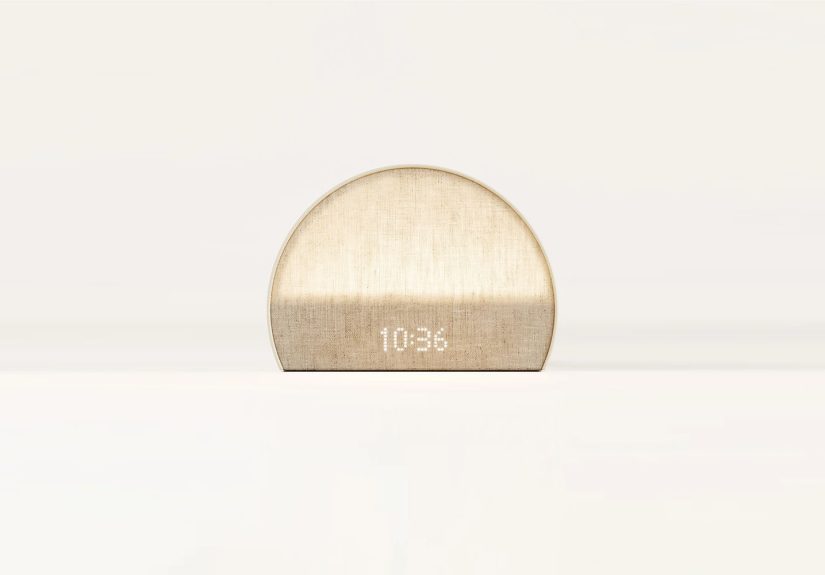
- 7) Hatch Restore (sunrise alarm clock + wind-down lighting that looks like décor)
- 8) Pura Smart Scent Diffuser (aesthetic home fragrance without the open flame)
- 9) A MagSafe Charging Stand (the “sculpture that powers your phone” gift)
- 10) A Premium Power Bank (the practical gift that still looks chic)
- Quick “Match the Gift to the Person” Cheat Sheet
- Conclusion: The Best Tech Gifts Don’t Look Like Tech Gifts
- Real-Life Gifting Experiences: What Actually Happens After You Wrap the Box
Some people want the fastest chip, the brightest screen, the most buttons. The techy aesthete wants all that and
for it to look like it belongs in a gallery (or at least on a coffee table that gets photographed).
This tech gift guide is for the friend who notices the bevel on a lamp, the texture of a phone case, and the fact that
your “minimalist” speaker is actually shaped like a small spaceship.
The goal: gifts that deliver genuine everyday utility without turning their home into a charging-cable petting zoo.
Below are 10 design-forward tech giftsranging from “polished stocking stuffer” to “statement piece”plus what to look for
so you don’t accidentally buy something that’s gorgeous but annoying.
How to Shop for a Techy Aesthete (Without Overthinking It)
- It should earn its spot in the room. If it’s going to live on a nightstand, desk, or shelf, it needs a “display mode,” not a “hide me” vibe.
- Materials matter. Aluminum, glass, fabric, leather, and soft-touch finishes tend to feel intentional. Shiny mystery plastic… less so.
- Friction is the enemy. If it requires five apps, three accounts, and a weekly ritual sacrifice, it won’t stay pretty for long.
- Watch for subscriptions. Some smart devices are great out of the box; others keep their “best” features behind a monthly fee.
1) Samsung “The Frame” TV (or any “art mode” TV that looks like a picture frame)
If you want a tech gift that doesn’t scream “TECH,” this is the grand champion. When it’s not showing shows, it can
display artwork so the screen behaves more like décor than a giant black rectangle. It’s a gift for someone who loves
movie night and hates when the living room looks like an electronics aisle.
Why aesthetes love it
It blends into curated spaces, plays nicely with neutral palettes, and makes a wall feel finished. Add a nice frame-style bezel
(or wall-friendly mounting), and suddenly their biggest screen becomes their biggest design flex.
2) Aura Digital Photo Frame (a “real frame” vibe for living photos)
A digital photo frame sounds like a gift you’d buy in a panic. The good ones are the opposite: slim, crisp, and genuinely
decorativelike a rotating gallery wall that updates itself. Aura frames are popular because they’re easy to set up,
look clean in modern rooms, and make everyday moments feel intentional.
Pro gifting move
Pre-load a shared album (family, friends, trips, pets doing ridiculous things). The frame becomes a living object, not
just a device. Bonus points if you match the frame color to their space (light, dark, or something warm and wood-adjacent).
3) Nothing Ear (design-forward earbuds with “I meant to buy these” energy)
For the person who treats earbuds like jewelry, Nothing’s transparent design is basically wearable industrial art. They’re
the kind of gift that gets taken out of the box slowly, admired, and then immediately shown to someone nearby like,
“Look at this. LOOK.”
Best for
Commuters, café dwellers, and anyone who likes clean aesthetics but still wants modern features (good sound, noise control,
and a pocketable case that doesn’t look like a generic pebble).
4) Sony WH-1000X Series Noise-Canceling Headphones (the “quiet luxury” of audio)
Aesthetes love silence almost as much as they love design. Premium noise-canceling headphones are the gift equivalent of
shutting the door on chaos. Sony’s flagship line is frequently recommended because it’s comfortable, travel-friendly,
and easy to live withmeaning it won’t end up in the “nice idea, never used” pile.
Style tip
Choose a color that fits their vibe (classic black, soft neutral, or silver-toned). The right finish makes it feel like an accessory,
not a headset.
5) Sonos Era 100 (or a similarly minimal, room-friendly smart speaker)
Great speakers don’t need to look like they’re auditioning for a sci-fi movie. A compact, design-conscious speaker like the
Sonos Era 100 fits into a shelf or credenza without hijacking the room’s personalityand it sounds big for its size.
Why it works as a gift
It upgrades daily life (music while cooking, podcasts while cleaning, background ambiance while reading) and looks at home
doing it. It’s the tech equivalent of a beautiful chair: used constantly, admired quietly.
6) Oura Ring (sleek health tracking that doesn’t look “sporty”)
Many wearables look like gym equipment. The Oura Ring looks like a ringclean, minimal, and actually outfit-friendly.
It’s a strong gift for someone who’s curious about sleep, recovery, and daily readiness, but doesn’t want a chunky wrist
computer screaming during dinner.
What to know before you buy
Sizing matters (use the brand’s sizing kit if available), and some features may be tied to membership plans depending on model/policy.
If your recipient loves data, they’ll be thrilled; if they love simplicity, frame it as “gentle insights,” not a life spreadsheet.
7) Hatch Restore (sunrise alarm clock + wind-down lighting that looks like décor)
If their nightstand is curated, they don’t want a clock that looks like an airport gate. Sunrise-style alarms are popular
because they make mornings feel less like a jump scare. Hatch devices are widely gifted because they combine soft lighting,
relaxing routines, and a clean design that doesn’t clash with a calm bedroom.
Gift it with a promise
Tell them: “This is the last time your alarm will feel like it hates you.” You’ll get a laughand if they use it, you’ll get
a thank-you text at an unreasonably cheerful hour.
8) Pura Smart Scent Diffuser (aesthetic home fragrance without the open flame)
Candles are lovely. Candles are also famously good at being forgotten. A smart scent diffuser is a clean-looking, plug-in
way to schedule fragrance and keep the vibe consistentespecially for people who treat their home like a mood board.
Make it personal
Pair the diffuser with a couple of scent options that match their style: airy/linen for minimalists, wood/amber for cozy modern,
citrus/herbal for the “my home is a boutique hotel” crowd.
9) A MagSafe Charging Stand (the “sculpture that powers your phone” gift)
Everyone charges their phone. Very few people do it in a way that looks intentional. A well-made MagSafe stand (or clean
multi-device dock) reduces cable clutter and turns the daily drop-and-charge habit into something that feels designed.
What makes it “aesthete-approved”
Weighted base, tidy cable routing, and materials that match their space (metal, soft-touch, fabric, or wood accents).
The best ones disappear into the room while still looking like they belong there.
10) A Premium Power Bank (the practical gift that still looks chic)
Power banks are either sleek lifesavers or sad little bricks. Choose one with a refined finish and enough capacity for real life:
commuting, travel days, long school/work sessions, or “I’m using my phone as a camera all day” adventures.
How to choose
- Portability: slim enough to carry, sturdy enough to survive bags.
- Fast charging: so it feels like an upgrade, not a slow apology.
- Design details: subtle branding, clean edges, and a finish that won’t scratch into sadness in a week.
Quick “Match the Gift to the Person” Cheat Sheet
- They curate their living room: The Frame TV, Aura frame
- They live in headphones: Sony noise-cancelers, Nothing earbuds
- They love “home atmosphere”: Sonos speaker, Hatch Restore, Pura diffuser
- They love subtle wearables: Oura Ring
- They hate clutter: MagSafe stand, premium power bank
Conclusion: The Best Tech Gifts Don’t Look Like Tech Gifts
The sweet spot for the techy aesthete is simple: a gift that improves daily life and looks like it belongs in their world.
If you’re choosing between two similar gadgets, pick the one with better materials, calmer design, and fewer steps between “unbox”
and “actually using it.” The best tech gifts aren’t just impressive on day onethey stay on the desk, the shelf, or the nightstand
because they’re both useful and beautiful.
Real-Life Gifting Experiences: What Actually Happens After You Wrap the Box
In real life, “great tech gift” rarely means “most expensive tech gift.” It usually means “the gift that quietly makes their day easier.”
People remember the feeling of friction disappearing. A MagSafe stand is a perfect example: it’s not flashy, but it changes the daily
rhythm. Instead of hunting for a cable like a raccoon rummaging for treasure, they just set the phone down and it snaps into place.
Over time, that tiny convenience becomes a little ritualand rituals are what make spaces feel intentional.
Another pattern: design-forward gifts get used more simply because they’re allowed to live out in the open. A premium speaker that looks
good on a shelf will stay there. A great-looking pair of headphones gets tossed into a bag without hesitation, because it feels like part
of the person’s style. On the other hand, even a powerful gadget can end up in a drawer if it visually clashes with everything else.
That’s why the “techy aesthete” category is so satisfying to shop for: you’re not just giving a deviceyou’re giving an object that earns
real estate in someone’s environment.
Photo frames create their own emotional aftershock. The first week is usually a wave of “wait, I forgot this picture existed” joy. Then
something interesting happens: friends and family start contributing, and the gift becomes a shared space. People don’t just glance at it;
they stop and narrate: “Oh wow, that was the trip where it rained the whole time.” The tech disappears, and what’s left is a rotating set
of memories that feels curated without the effort of printing, framing, and rearranging.
Sleep and ambiance gifts (like a sunrise alarm or a scent diffuser) often have the biggest “I didn’t know I needed this” effect. The first
few nights, the recipient tests routines like they’re tuning a playlist: brighter or dimmer, longer wind-down, different sounds, a different
scent. Then, once they find the setting that feels right, it becomes background magic. People don’t text you every day to say, “My bedroom
continues to be pleasant,” but they will mention it a month later like it’s always been that waybecause that’s the point. The best lifestyle
tech doesn’t demand attention. It supports the vibe.
Wearables like a ring-based tracker have a different arc. The first few days are curiosity mode: sleep scores, readiness, trends, little
insights that make someone feel like they’ve unlocked a secret menu of their own body. After the novelty wears off, the value depends on
personality. Data-lovers keep checking, adjusting habits like tiny experiments. Minimalists tend to use it as a gentle compassmore like
“today is a slower day” than “I must optimize every molecule.” The “experience” of the gift, in other words, isn’t fixed; it’s shaped by
the recipient’s relationship with information.
Finally, audio gifts tend to win the long game. Noise-canceling headphones become a portable boundary: focus time, travel calm, a break in a
loud house. A good speaker becomes a housemate: it’s there for cooking, cleaning, background jazz, Sunday morning podcasts. These are the gifts
that get referenced casually“I’ve been using those headphones nonstop”which is basically the highest compliment in gift-giving. Not a dramatic
thank-you. Just daily presence. That’s the sweet spot: tech that becomes part of the person’s life without taking over the room.





 Close
Close