
Table of Contents >> Show >> Hide
- 1. Frame Your Front Door with Container Gardens
- 2. Refresh Mulch and Edge Your Garden Beds
- 3. Create a Welcoming Walkway
- 4. Upgrade Outdoor Lighting for Nighttime Curb Appeal
- 5. Choose Low-Maintenance, High-Impact Plants
- 6. Layer Your Landscape Like a Pro
- 7. Add Window Boxes or Rail Planters
- 8. Show Your Lawn a Little Love
- 9. Create a Pretty Mailbox Area
- 10. Add Personality with House Numbers, Mats, and Porch Decor
- Putting It All Together
- Real-Life DIY Curb Appeal Experiences: What Actually Works
If the front of your house looks more “before photo” than “magazine cover,” you’re not alone. The good news? You don’t need a landscape architect, a Bobcat, or a five-figure budget to create serious curb appeal. With a free weekend, a few basic tools, and some smart DIY curb appeal landscaping ideas, you can transform your front yard from forgettable to fantastic.
Real estate pros and landscape designers agree that simple projects like adding fresh mulch, layering plants, and updating lighting can dramatically boost your home’s first impression and even support resale value. These upgrades are perfect for homeowners, renters, and anyone who wants their place to look a little less “meh” from the street.
Below are 10 DIY-friendly curb appeal landscaping ideas, plus a bonus section at the end with experience-based tips so you don’t learn everything the hard way (a.k.a. “ask me how I know hostas hate full sun”).
1. Frame Your Front Door with Container Gardens
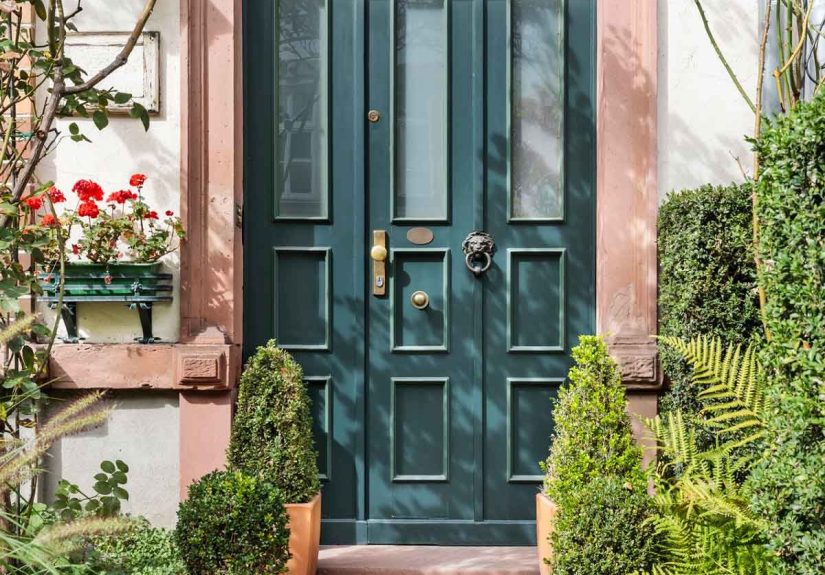
Your front door is the visual “headline” of your home, so give it some supporting characters. Placing planters on either side of the entry immediately makes your home look intentional, polished, and welcoming. Home and garden editors consistently rank front door containers as one of the fastest ways to dress up a porch.
How to DIY It
- Choose two medium or large planters that complement your home’s style (sleek fiberglass for modern homes, classic urns or terracotta for traditional homes).
- Use the “thriller, filler, spiller” formula: a tall plant in the center, medium plants around it, and trailing plants that spill over the edges.
- Pick low-maintenance annuals or perennials that fit your climate and sun conditionsthink geraniums, pansies, or small evergreens for year-round structure.
Swap out the plants seasonallya small investment in fresh color at your entry has a big payoff in curb appeal.
2. Refresh Mulch and Edge Your Garden Beds
If your yard feels a little tired but you can’t quite pinpoint why, take a look at the garden beds. Faded mulch and fuzzy, undefined edges can make the whole front of the house look messy. Designers often call fresh mulch and crisp edging a “front yard facelift” because it instantly makes everything look clean and finished.
How to DIY It
- Use a flat shovel or edging tool to carve a smooth, shallow trench where the lawn meets the beds.
- Pull any weeds and remove debris or leftover leaves.
- Spread 2–3 inches of dark hardwood mulch or decorative stone, keeping it away from plant stems and your home’s siding.
The contrast between lawn, mulch, and plants makes everything popno expensive plants needed.
3. Create a Welcoming Walkway
Nothing ruins curb appeal quite like a cracked, narrow, or awkward walkway that makes guests feel like they’re sneaking in the side door. A clear, attractive path to the front door not only improves curb appeal but also signals “You’re welcome here.”
DIY-Friendly Upgrades
- Define an existing path: Line your walkway with low plants, solar stake lights, or decorative edging stones.
- Add stepping stones: Create a gentle curve from driveway to door using large pavers set into gravel or mulch.
- Dress up concrete: Power-wash stains away, then add a border of brick pavers or planting beds on either side.
Even small changes, like widening the beds along your walkway and adding a few shrub clusters, can make the approach feel more gracious.
4. Upgrade Outdoor Lighting for Nighttime Curb Appeal
Curb appeal isn’t just a daytime thing. Thoughtful outdoor lighting makes your home safer, highlights landscaping, and looks incredibly inviting after dark. Real estate and landscape pros list lighting as one of the most impactful front yard upgrades.
Easy DIY Lighting Ideas
- Swap dated porch fixtures for clean-lined, appropriately sized lanterns or sconces.
- Add solar path lights to guide visitors along the driveway or walkwayno wiring required.
- Use inexpensive LED spotlights to highlight a pretty tree, ornamental grass, or architectural feature.
Stick with warm white bulbs (around 2700–3000K) for a cozy, welcoming glow that doesn’t feel like a parking lot.
5. Choose Low-Maintenance, High-Impact Plants
If your front yard plants constantly flop, fry, or freeze, it might be time to rethink your plant list. Experts recommend hardy, low-maintenance shrubs and perennials that suit your climate, provide year-round structure, and deliver pops of color at key seasons.
Planting for Curb Appeal
- Foundation shrubs: Boxwoods, dwarf hollies, and other evergreens create a tidy backdrop.
- Flower power: Hydrangeas, daylilies, and lavender give long-lasting color and fragrance.
- Seasonal stars: Mums, asters, and ornamental grasses shine in fall; bulbs like tulips and daffodils brighten early spring.
Cluster plants in odd-numbered groups (3, 5, 7) and repeat the same plants along the front for a deliberate, designer look instead of a “one of everything” jumble.
6. Layer Your Landscape Like a Pro
Professional front yard landscaping almost always uses layers: taller plants in back, medium in the middle, and low plants or ground cover in front. This layered approach creates depth and makes even small yards feel full and lush.
Simple Layering Formula
- Place small ornamental trees or taller shrubs (like Japanese maple or panicle hydrangea) near the corners of your house to visually “anchor” it.
- Use mid-height shrubs and perennials (spirea, coneflowers, black-eyed Susans) in front of those.
- Finish with low-growing plants or groundcovers (creeping thyme, dwarf grasses, or compact flowering perennials) at the front edge of the beds.
Draw your plan on paper first so you can balance height, color, and texture before you start digging.
7. Add Window Boxes or Rail Planters
Window boxes are like eyeliner for your housethey frame the “eyes” and add instant charm. They’re especially effective for homes with simple façades or limited front yard space, because they bring color up to eye level without requiring extra square footage.
DIY Window Box Tips
- Choose rot-resistant materials like cedar or composite, or use ready-made boxes.
- Drill drainage holes and use high-quality potting mix (not garden soil).
- Plant spills of ivy or trailing petunias, fuller plants like geraniums or begonias, and a few upright accents.
If window boxes feel like too much commitment, try rail planters on porch railings or hanging baskets near the front door for a similar effect with less installation work.
8. Show Your Lawn a Little Love
Like it or not, grass still plays a starring role in curb appeal across much of the United States. You don’t need a putting green, but a reasonably tidy, mostly green lawn makes everything else look better. Many curb appeal makeover projects include at least basic lawn repairs.
Quick DIY Lawn Upgrades
- Fill bare spots with a patch kit or seed that matches your existing grass type.
- Raise your mower blade to avoid scalping and encourage deeper roots.
- Use a manual or broadcast spreader to apply seed and fertilizer evenly, following local guidelines.
Not into lawn care? Consider shrinking the grassy area by expanding beds, adding a gravel seating area, or incorporating more native planting to reduce long-term maintenance.
9. Create a Pretty Mailbox Area
The mailbox is often the first thing people see from the streetand yet, it’s frequently the saddest object in the yard. A wobbly post and rusty box surrounded by crabgrass does your curb appeal zero favors. A simple refresh can turn it into a charming focal point.
Mailbox Makeover Ideas
- Replace the box and post, or sand and repaint your existing setup in a color that coordinates with your front door or shutters.
- Create a small garden bed at the base with mulch, low perennials, and a compact shrub.
- Add a solar light or reflective house numbers so it looks good and functions well at night.
Keep plantings low enough that they don’t block mail access (your carrier will thank you).
10. Add Personality with House Numbers, Mats, and Porch Decor
Once the landscaping bones are in place, the finishing touches are where your personality shines. Small details like modern house numbers, a fresh welcome mat, and a few well-chosen accessories can pull the whole front entry together.
High-Impact Finishing Touches
- Upgrade faded or tiny house numbers to larger, easy-to-read ones in a contrasting finish.
- Replace your worn-out doormat with a bold pattern or a fun greeting.
- Add weatherproof pillows, a small side table, or a cozy throw to a porch chair or bench.
A good rule of thumb: two or three substantial decor pieces look more polished than a dozen tiny knickknacks. Aim for welcoming, not cluttered.
Putting It All Together
You don’t need to tackle every idea at once. Start with the projects that bug you the mostmaybe it’s the muddy walkway, the bare porch, or the wild, un-edged beds. Even one or two of these curb appeal landscaping ideas can make your home look like it got a mini makeover.
Over time, as you layer in better plants, lighting, and accents, your front yard will start to tell a story: this is a home that’s loved, lived in, and thoughtfully cared for. And the best part? You did it yourself.
Real-Life DIY Curb Appeal Experiences: What Actually Works
It’s one thing to see perfect “after” photos online; it’s another to be sweating in the driveway, covered in mulch, wondering why you thought this was a fun Saturday activity. Here are some experience-driven lessons that come up again and again from homeowners who’ve DIYed their curb appealso you can skip a few classic mistakes.
Start with a Clear, Honest “Before” Assessment
Walk across the street and look at your house like a stranger would. Most people are surprised by what actually stands out: a crooked mailbox, dead porch light bulbs, a cluttered front step, or a bed that’s mostly weeds and hope. Take a few photos from different angles, then mark up what you want to change. This simple exercise keeps you from buying random plants with no plan.
Plan on Double the Time and Triple the Mulch
Almost everyone underestimates how long it takes to edge beds and how much mulch they’ll need. Bags shrink fast once they’re spread out. Many DIYers find that a second trip to the garden center is almost guaranteed. To minimize back-and-forth, measure your beds and use one of the many online mulch calculators before you shop. If you’re on the fence about how many bags to buy, err a little highfresh mulch can always be used around trees or in the backyard.
Respect Sun, Shade, and Your Climate (Plants Are Picky)
One of the most common “learning moments” is planting something pretty in the wrong place. Full-sun flowers in deep shade struggle and stretch; shade lovers fry by August in front of a south-facing brick wall. Experienced DIYers read the plant tags, check their USDA hardiness zone, and pay attention to how many hours of direct sun each area actually gets. When in doubt, they choose tough, proven varieties like hydrangeas, boxwoods, ornamental grasses, lavender, or native perennials that thrive locally instead of chasing whatever went viral on social media.
Less Variety, More Repetition
Beginners often buy one of everything in the nursery, then wonder why the yard looks busy instead of beautiful. Seasoned DIY landscapers focus on a small palette of plants and reuse them throughout the front yard. A row of three or five matching shrubs, repeated on both sides of a walkway, looks far more intentional than ten random plants lined up like a garden roll call. The same goes for decormatching planters and coordinated porch accents look polished and pulled together.
Small Weekend Projects Add Up
Most impressive “after” photos weren’t created in a single marathon weekend. Homeowners often start with one projectsay, painting the front door and updating the porch lightsthen tackle mulch and edging on another weekend, then deal with planting or lawn repair later. Breaking the work into bite-size projects keeps things manageable and budget-friendly. It also lets you live with each change and adjust your plan as you go.
Maintenance Matters More Than Perfection
Real-world experience shows that a simple, well-maintained yard beats a complex design that’s constantly overgrown. Regularly pulling a few weeds, refreshing mulch once a year, trimming shrubs before they turn into monsters, and keeping the lawn reasonably tidy will preserve all the hard work you put into your curb appeal. Build a small maintenance routine into your calendar15 or 20 minutes every week or two is usually enough to stay on top of things.
In the end, the most successful DIY curb appeal projects share the same qualities: they match the homeowner’s lifestyle, suit the local climate, and are realistic to maintain. When your landscaping feels like an asset instead of a chore, you’ll actually enjoy coming home, pausing on the porch, and thinking, “Yep, that looks good.” And your guests, neighbors, and future buyers will notice, too.





 Close
Close