
Table of Contents >> Show >> Hide
- 1. Bambi Learns His Mother Is Gone in Bambi
- 2. Dumbo Visits His Imprisoned Mother in Dumbo
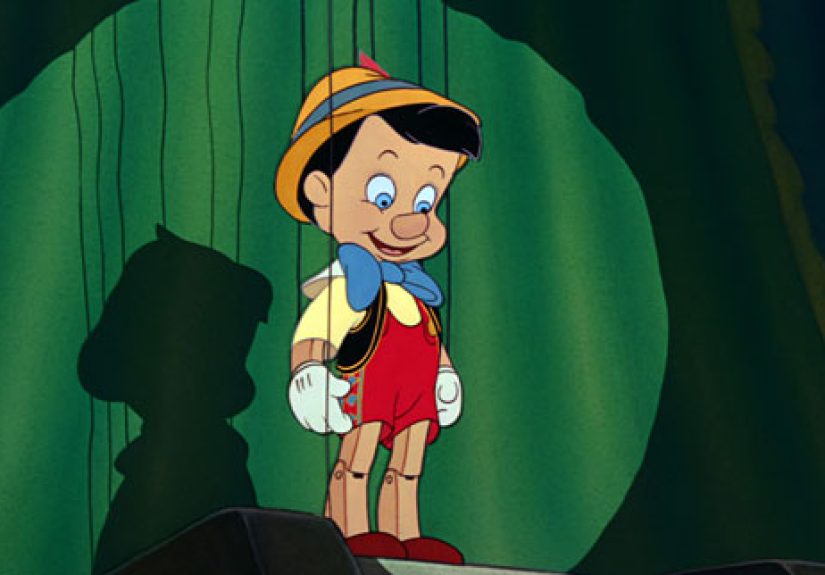
- 3. Pleasure Island Turns Boys Into Donkeys in Pinocchio
- 4. Snow White’s Forest Panic and the Poisoned Apple in Snow White and the Seven Dwarfs
- 5. Chernabog Rises in “Night on Bald Mountain” from Fantasia
- 6. Widow Tweed Leaves Tod in the Forest in The Fox and the Hound
- 7. Frollo Sings “Hellfire” in The Hunchback of Notre Dame
- 8. Simba Finds Mufasa After the Stampede in The Lion King
- 9. Clayton’s Death Is Shown in Shadow in Tarzan
- 10. The Horned King Raises the Dead in The Black Cauldron
- Why Dark Disney Moments Still Work
- Viewer Experiences: Why “10 Dark Disney Moments” Feels So Personal
- Conclusion
- SEO Tags
Disney has a reputation for fairy dust, catchy songs, and animals with better emotional intelligence than most adults. But tucked between the magic carpets, castle fireworks, and cheerful sidekicks is a surprisingly shadowy corner of the Disney library. And honestly? That darker edge is part of what made so many of these movies stick. Kids didn’t just watch them. They survived them.
From shocking deaths to nightmare-fuel transformation scenes, some of the most unforgettable Disney movie moments are the ones that made audiences freeze mid-popcorn bite and think, Wait… this is for children? That contrast is exactly what gives these scenes their staying power. Disney’s best dark moments do more than scare people. They deepen the story, raise the stakes, and remind viewers that even in animated worlds, loss, fear, jealousy, and danger feel real.
Here are 10 dark Disney moments that prove the House of Mouse has never been afraid to dim the lights when the story calls for it.
1. Bambi Learns His Mother Is Gone in Bambi
If there were a Mount Rushmore of traumatic Disney movie moments, this one would be carved first. Bambi spends much of its runtime building a cozy world of woods, wonder, and childhood innocence. Then, without much warning, it pulls the emotional rug out from under everyone.
The death of Bambi’s mother is devastating because Disney doesn’t play it like a loud tragedy. It lands with chilling simplicity. There is snow, panic, a gunshot, and then that unforgettable line telling Bambi his mother cannot be with him anymore. No melodramatic speech. No soft landing. Just absence.
That scene changed how many viewers understood Disney storytelling. It showed that animated family films could deal with grief in a way that felt immediate and deeply personal. For generations of fans, this was the first time a movie taught them that safety can disappear in a second.
2. Dumbo Visits His Imprisoned Mother in Dumbo
On paper, Dumbo is a sweet underdog story about an elephant who learns to fly. In practice, it also contains one of the saddest and darkest emotional beats in classic Disney animation.
After Mrs. Jumbo tries to protect her son, she is locked away, and Dumbo is left alone in a circus world that feels cold, mocking, and profoundly unsafe. Their reunion during “Baby Mine” is heartbreaking because it is so restrained. Mrs. Jumbo cannot hold her son the way she wants to. She can only reach through the bars and rock him with her trunk.
This moment is dark in a different way from a villain death or a monster attack. It is about helplessness. Separation. A child needing comfort and getting only part of it. Disney knew exactly what it was doing here, and it absolutely worked. Nobody walked away from that scene saying, “Well, that was emotionally convenient.”
3. Pleasure Island Turns Boys Into Donkeys in Pinocchio
Few Disney scenes are as deeply unsettling as the donkey transformation on Pleasure Island. Pinocchio starts off whimsical enough, but once the story heads into that neon-lit moral trap, the mood shifts fast.
Lampwick’s transformation is nightmare material because it is body horror dressed in a kid-friendly trench coat. He laughs, then panics, then begs for help as his voice changes and he loses control of his own body. The scene is genuinely disturbing, not just because of the visual transformation, but because it carries the terrifying implication that these boys are being punished and shipped off like property.
That is what makes it one of the darkest Disney moments ever. It is not merely spooky. It is cruel, eerie, and morally sharp. Pinocchio does not wink at the audience and say, “Relax, little buddy.” It stares straight ahead and says, “Actions have consequences,” then hands children one of animation’s most memorable nightmare sequences.
4. Snow White’s Forest Panic and the Poisoned Apple in Snow White and the Seven Dwarfs
Disney’s first animated feature did not exactly ease audiences in with harmless woodland fun. Snow White and the Seven Dwarfs has charming animals, yes, but it also has murder plots, a terrifying chase, and some truly gothic imagery.
The moment Snow White flees into the forest is a masterclass in childhood fear. Trees become claws, shadows become monsters, and the whole environment turns against her. Then, just when the film seems ready to settle down, the Evil Queen escalates things by transforming herself into a hag and delivering the poisoned apple like a walking bad dream.
What makes this sequence so dark is how fully it commits to fear. The movie never feels embarrassed by its menace. It leans into fairy-tale horror and trusts that children can handle a little honest terror. Apparently, Disney began its legacy by saying, “Welcome to the movies. Here is anxiety in jewel tones.”
5. Chernabog Rises in “Night on Bald Mountain” from Fantasia
If someone still insists Disney is all sweetness and sparkle, kindly direct them to Chernabog. The “Night on Bald Mountain” segment in Fantasia is one of the boldest dark swings in Disney history, and it still feels eerie decades later.
This giant demon unfurls over the mountain and summons spirits, shadows, and damned-looking figures into a full-on visual inferno. The imagery is operatic, sinister, and far more intense than many viewers expect from a family animation classic. There are no cute distractions here. No comic sidekick arrives to lighten the mood with a banana peel. It is just dread, spectacle, and a parade of supernatural menace.
What saves the sequence from becoming pure despair is the transition into “Ave Maria,” which turns the darkness into something solemn and transcendent. Even so, the Chernabog section remains one of the clearest examples of Disney embracing horror-adjacent imagery with total confidence.
6. Widow Tweed Leaves Tod in the Forest in The Fox and the Hound
The Fox and the Hound is often remembered as a sweet story about friendship. That is true, right up until it becomes a very effective lesson in heartbreak, growing apart, and the fact that the world does not care whether your childhood bond had adorable energy.
The darkest moment comes when Widow Tweed, knowing Tod is no longer safe, drives him deep into the forest and leaves him there. It is not violent. It is not flashy. It is simply crushing. Tod does not understand why this is happening, and that confusion makes the scene even more painful.
There is something especially heavy about a Disney moment built around necessary abandonment. No villain cackles. No spell is cast. A loving caretaker makes a choice that breaks both their hearts because the world has become too dangerous to do anything else. That kind of emotional realism hits hard, and it is why this scene has haunted viewers for years.
7. Frollo Sings “Hellfire” in The Hunchback of Notre Dame
The Hunchback of Notre Dame may be the most openly mature film in the Disney Renaissance, and “Hellfire” is the scene that proves it. This is not just a villain song. This is a psychological meltdown set to cathedral-level drama.
Judge Frollo wrestles with lust, shame, power, and self-righteousness while red-robed figures and flames swirl around him. He frames his obsession with Esmeralda as her fault, which makes the entire number more disturbing than a standard bad-guy anthem. The darkness here is moral and emotional. Frollo is not simply evil in a cartoonish way. He is terrifying because he weaponizes virtue and convinces himself his cruelty is justified.
That is heavy material for any movie, let alone a Disney animated feature. “Hellfire” remains one of the boldest moments in Disney history because it trusts music, imagery, and character psychology to do something genuinely unsettling. It is dazzling, uncomfortable, and unforgettable.
8. Simba Finds Mufasa After the Stampede in The Lion King
You can measure the emotional power of this scene by one simple fact: people who have not watched The Lion King in years still physically brace themselves when they think about it.
Mufasa’s death is dark not only because a beloved parent dies, but because of how the scene unfolds. Scar betrays his brother, the stampede barrels through the gorge, and Simba is left to process the aftermath almost immediately. When the cub nudges his father and tries to wake him, the moment becomes almost unbearable.
Disney could have softened it. It did not. The film lets the grief sit there in full view, and then makes it worse by having Scar manipulate Simba into feeling responsible. It is one of the most brutal combinations in Disney history: loss followed by guilt. No wonder this moment became a cultural shorthand for childhood cinematic trauma.
9. Clayton’s Death Is Shown in Shadow in Tarzan
Tarzan is a lively, energetic movie with a huge heart, which makes its final villain beat hit even harder. Clayton is already a threatening antagonist, but his end is startlingly grim for a Disney film.
During the climax, Clayton gets entangled in vines while recklessly hacking away to free himself. The film does not show the full moment directly, but it does not need to. The shadow tells the story. Viewers understand exactly what happened, and that split-second image is enough to leave a mark.
It is one of Disney’s darkest villain deaths because it is handled with eerie restraint. There is no broad comedy to undercut it and no triumphant wink to smooth it over. The movie trusts the audience to register the horror in silhouette, which somehow makes it even more effective. Childhood viewers saw that shadow and immediately upgraded the jungle from “adventure” to “absolutely not.”
10. The Horned King Raises the Dead in The Black Cauldron
The Black Cauldron has long had a reputation as one of Disney’s darkest animated films, and that reputation is well earned. The Horned King is not a mischievous schemer or a sarcastic royal brat. He is pure nightmare fuel.
The scene where he uses the Black Cauldron to summon an undead army feels wildly intense for a Disney movie. Skeleton warriors rise, the atmosphere turns apocalyptic, and the whole sequence feels closer to dark fantasy horror than conventional family adventure. The film’s visual style only amplifies the menace. The world looks murky, dangerous, and ancient in a way that makes the threat feel larger than life.
This moment earns its place on the list because it shows Disney going all in on dread. No half-measures. No glittery disguise. Just a villain with death on the brain and a scene that made countless viewers realize Disney could absolutely wander into nightmare territory when it felt like it.
Why Dark Disney Moments Still Work
The reason these dark Disney scenes remain so memorable is not just that they are scary or sad. It is that they serve a purpose. They create contrast. If every Disney movie were wall-to-wall comfort, the hopeful endings would feel flimsy. Joy lands harder when the story has risked real sorrow. Relief matters more when fear came first.
These moments also respect younger viewers more than people sometimes admit. Disney’s darkest movie moments do not always protect the audience from discomfort. Instead, they translate huge human experiences into vivid, understandable story beats: grief in Bambi, separation in Dumbo, guilt in The Lion King, moral corruption in The Hunchback of Notre Dame, and raw fear in Pinocchio and Fantasia.
That is why they last. They are not dark for shock value alone. They reveal what is at stake, and they help define the emotional architecture of Disney storytelling. Underneath the songs and spectacle, the best Disney films have always known that fairy tales need shadows.
Viewer Experiences: Why “10 Dark Disney Moments” Feels So Personal
Part of the reason people keep searching for lists like “10 Dark Disney Moments” is that these scenes do not live in memory like ordinary movie beats. They live there like experiences. Ask a room full of adults about Disney trauma, and you will not get quiet reflection. You will get instant recognition, nervous laughter, and at least one person pointing across the room like they have just found a war-era support group. “You too? The donkey scene got you too?”
That shared reaction says a lot about how Disney works. These movies often arrive in childhood, when emotions are huge, logic is still under construction, and a villain can feel less like fiction and more like an active threat to your well-being. A child does not watch Mufasa die with detached critical distance. A child watches it as a full-body event. Same with Dumbo reaching for his mother, Tod being left in the woods, or Frollo singing like the world’s most terrifying choir director.
There is also something strange and powerful about revisiting these moments as an adult. Scenes that once felt scary may now feel sadder. You stop focusing only on Bambi’s panic and start thinking about his mother’s final act of protection. You stop seeing Dumbo as just a sad elephant movie and start noticing how loneliness, public humiliation, and parental separation drive the entire emotional engine. In other words, Disney’s dark scenes grow up with the audience.
They also become cultural shorthand. People mention “the Lion King scene” or “that part in Pinocchio” and everyone immediately understands the assignment. You do not need a detailed recap. The memory is already there, fully furnished, probably with dramatic lighting.
And oddly enough, these moments can create affection rather than resentment. Viewers return to them because the darkness made the stories richer. The fear made the victories matter. The sadness made the comfort feel earned. Even newer examples, like Olaf fading away in Frozen 2, tap into that same emotional design: Disney hurts your feelings a little so the hope lands harder five minutes later.
So yes, these dark Disney moments may have startled, upset, or mildly emotionally demolished generations of viewers. But they also helped define what made Disney memorable in the first place. The studio’s magic has never been just about castles and cute animals. It has always been about contrast: wonder beside danger, music beside grief, humor beside dread. That balance is what makes the experience stick. And that is why, years later, people are still talking about these scenes like they personally paid rent in their heads.
Conclusion
Disney’s legacy is not built on sweetness alone. Some of its most iconic films became classics because they dared to be sad, spooky, emotionally intense, and occasionally downright unsettling. The darkest Disney moments are not detours from the magic. They are part of it. They give the stories weight, shape the characters, and make the happy endings feel earned instead of automatic.
So the next time someone says Disney movies are all sunshine and talking animals, feel free to smile politely and remember the demon on Bald Mountain, the donkey transformation, the shadow in Tarzan, and the stampede that emotionally flattened an entire generation. Magic, yes. But with just enough nightmare fuel to keep it interesting.







 Close
Close