
Table of Contents >> Show >> Hide
- Before You Start: Check the Couch Cleaning Code
- 11 Simple Ways to Get Vomit Smell Out of a Couch
- 1. Remove the solids immediately
- 2. Blot the area, never scrub it
- 3. Vacuum crumbs, seams, and crevices
- 4. Clean with a mild dish soap solution
- 5. Try a light vinegar solution for odor neutralizing
- 6. Cover the spot with baking soda
- 7. Use an enzyme cleaner for stubborn organic odors
- 8. Use hydrogen peroxide only on fabric-safe, light-colored upholstery
- 9. Wash removable cushion covers if the label allows it
- 10. Dry the couch completely with air circulation and sunlight
- 11. Use a portable upholstery cleaner or call a professional
- Extra Tips for Getting Vomit Smell Out of a Couch
- Common Mistakes That Make Couch Odors Worse
- When to Replace the Cushion Instead of Cleaning Again
- What People Learn the Hard Way: Real-World Experiences With Vomit Smells on Couches
- Conclusion
A couch is where life happens. Movie nights. Naps. Snack crumbs that somehow become part of the upholstery ecosystem. Unfortunately, it can also become the final resting place for a surprise vomit incident. And while the visible mess is bad enough, the smell is what really lingers like an unwanted houseguest who forgot how doors work.
The good news is that you do not need to throw out the couch, torch the living room, or pretend that smell is “just the fabric settling.” In most cases, you can get vomit smell out of a couch with quick action, the right cleaning method, and a little patience. The trick is to remove the source of the odor, not just cover it up with a floral spray that creates a weird “lavender burrito” scent.
This guide walks you through 11 simple, practical ways to deodorize a couch after vomit, whether you are dealing with a fresh mess, a mystery smell from earlier, or a cushion that has clearly seen some things. These couch cleaning tips are easy to follow, fabric-aware, and designed to help you save your upholstery without making the problem worse.
Before You Start: Check the Couch Cleaning Code
Before you reach for any cleaner, find your couch’s upholstery tag. Most sofas have a label under the cushions or underneath the frame. The cleaning code tells you what is safe to use:
- W: Water-based cleaners are okay.
- S: Use solvent-based or water-free cleaners only.
- WS: Water-based or solvent-based cleaners are both generally safe.
- X: Vacuum only. No water-based cleaning. This is your cue to call a professional.
If the tag is missing, test any cleaner on a hidden area first. That tiny patch test can save you from a giant water ring, fading, or a couch that suddenly looks like it lost a fight with chemistry.
11 Simple Ways to Get Vomit Smell Out of a Couch
1. Remove the solids immediately
The faster you act, the easier this gets. Use a spoon, spatula, or paper towel to lift away any solid material. Try not to press it deeper into the fabric. Scrape gently and work from the outside of the mess toward the center so you do not spread it.
This step matters more than people think. If bits of vomit stay trapped in seams, under piping, or inside the cushion edge, the smell can keep coming back even after the surface looks clean. Think of this as odor prevention, not just gross-duty cleanup.
2. Blot the area, never scrub it
After removing the solids, blot the damp area with clean paper towels or a white cloth. Press down to absorb moisture, then switch to a fresh section and repeat. Do not scrub. Scrubbing pushes liquid and stomach acid deeper into the upholstery fibers and can spread the stain.
Blotting is boring, yes. But it is the kind of boring that saves your couch. If the cushion feels especially wet, keep blotting until it feels only slightly damp.
3. Vacuum crumbs, seams, and crevices
Once the obvious mess is gone, vacuum the surrounding area with an upholstery attachment. This helps remove dried residue, tiny particles, and anything that may have slipped into cracks. Odors love hidden debris, so do not skip the seams, tufting, and the zone where the cushion meets the armrest.
If the accident happened on a removable cushion, unzip it if the cover allows and inspect the insert. Sometimes the smell is not in the fabric surface at all. It is inside the cushion, quietly plotting its comeback.
4. Clean with a mild dish soap solution
For water-safe fabrics, mix a small amount of mild dish soap with cool or lukewarm water. Dampen a clean white cloth with the solution and gently blot the affected area. Work lightly and avoid soaking the fabric. You want to lift residue, not create a swamp.
This is one of the best first-pass methods for fresh vomit on a couch because it helps break down greasy food particles and surface mess without being too harsh. After blotting with the soap solution, use another damp cloth with plain water to remove leftover suds. Then blot dry again.
5. Try a light vinegar solution for odor neutralizing
White vinegar is a classic deodorizing helper for soft surfaces. If your couch fabric can handle water-based cleaning, lightly mist or dab the area with a mixture of equal parts white vinegar and water, or use a weaker ratio if the fabric is delicate. Let it sit for a few minutes, then blot.
Vinegar can help cut sour odors, which is why it is often recommended for organic messes. The vinegar smell may hang around briefly, but it usually fades as the area dries. Just remember one important rule: do not use vinegar and hydrogen peroxide together. That is not a cleaning hack. That is a chemistry experiment nobody asked for.
6. Cover the spot with baking soda
When it comes to removing vomit smell from upholstery, baking soda is the MVP. After the cleaned area is only slightly damp, sprinkle a generous layer of baking soda over the spot. Let it sit for at least a few hours. For stronger odors, leave it overnight.
Baking soda helps absorb lingering moisture and neutralize odors trapped in the fabric. Once it has had time to work, vacuum it up slowly and thoroughly. If the smell is still hanging on, repeat the process. Sometimes one round is enough. Sometimes the couch wants an encore.
7. Use an enzyme cleaner for stubborn organic odors
If baking soda gets you halfway there but the smell still lingers, move on to an enzyme cleaner that is safe for upholstery. Enzyme cleaners are especially useful for organic messes because they break down odor-causing material instead of just masking it.
Read the label carefully and make sure the product is approved for couches or upholstery. Follow the dwell time listed on the bottle, because these cleaners often need time to do their job. Wiping them off too quickly is like pulling cookies out of the oven after three minutes and wondering why they are soup.
8. Use hydrogen peroxide only on fabric-safe, light-colored upholstery
Hydrogen peroxide can help with persistent vomit stains and odor, but it is not for every couch. It can lighten or discolor some fabrics, especially darker upholstery, wool blends, silk, and delicate natural fibers. Always spot-test first.
If the hidden spot looks fine, you can lightly dab a small amount onto the problem area, let it sit briefly, then blot with a clean cloth. Do not pour it on. Do not freestyle. And again, never combine it with vinegar. If your couch is dark, vintage, expensive, sentimental, or the kind of thing your family refers to as “the good sofa,” skip this and use a safer method instead.
9. Wash removable cushion covers if the label allows it
If your couch has zip-off covers and the care instructions say they are washable, this can be one of the easiest ways to get rid of odor. Remove the covers, pretreat the affected area if needed, and wash according to the manufacturer’s directions.
Air-dry the covers if possible, or use the lowest safe dryer setting. High heat can shrink fabric, set stains, or make you say words not fit for a family blog. Even if only one cushion was hit, give the whole seating area a refresh so the couch smells consistent when you are done.
10. Dry the couch completely with air circulation and sunlight
Moisture is one reason bad smells come back. If the cushion stays damp inside, the odor can linger or turn musty. Open windows, run a fan, and if possible, let removable cushions air out in fresh air and sunlight for a while. Sunlight can help freshen fabric naturally, as long as you do not overdo it and risk fading.
The goal is simple: dry the couch all the way through. Not “dry enough.” Not “looks fine on top.” Actually dry. A fan aimed at the cleaned area can make a huge difference, especially after deep spot cleaning.
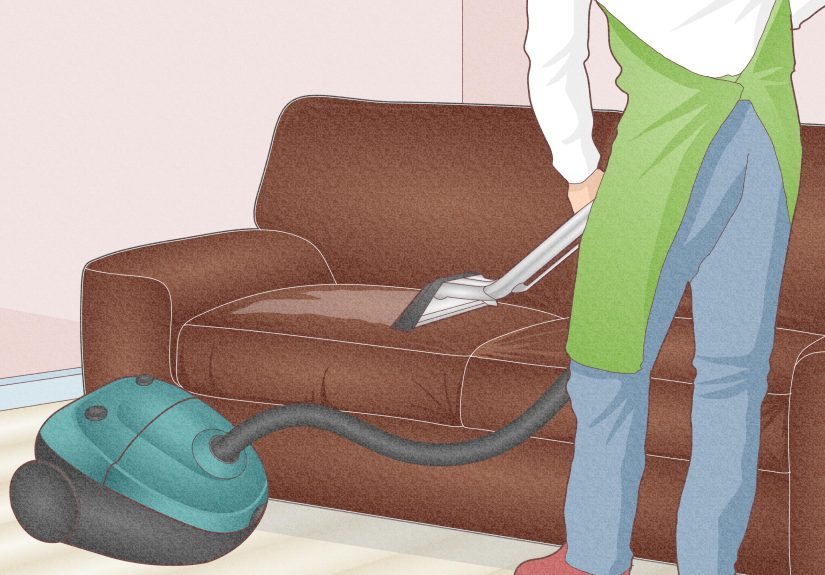
11. Use a portable upholstery cleaner or call a professional
If the smell is still there after home cleaning, you may need a deeper extraction. A portable upholstery cleaner can help pull residue and moisture out of the fabric and padding, but only use one if the upholstery code and manufacturer guidance support it. Avoid over-wetting the material.
If your couch is labeled X, made from delicate fabric, or still smells after repeated cleaning, hire a professional upholstery cleaner. Professional help is also smart if vomit soaked into the cushion insert, reached the frame, or happened on leather, suede, velvet, or antique upholstery. Some jobs are better handled by someone with commercial equipment and less emotional attachment to the crime scene.
Extra Tips for Getting Vomit Smell Out of a Couch
- Do not mask the smell too early. Fabric sprays and deodorizers are fine after cleaning, but they should not replace real odor removal.
- Work in layers. Surface cleaning, odor absorption, and full drying often need to happen in sequence.
- Inspect the insert. If the cushion foam absorbed liquid, clean and dry that part too or the smell may return.
- Be careful with steam. Some upholstery can handle steam, but heat is not right for every fabric or every stain situation. When in doubt, stick to gentler methods or call a pro.
- Use white cloths. Colored towels can transfer dye during spot cleaning.
Common Mistakes That Make Couch Odors Worse
One of the biggest mistakes is over-wetting the area. People panic, soak the cushion, and accidentally turn a bad smell into a damp smell with ambitions. Too much liquid can spread the mess deeper into the padding and slow the drying time.
Another mistake is using the wrong cleaner for the upholstery code. Water on an S-coded couch can leave rings or damage the fabric. Strong products on delicate materials can cause discoloration or stiffness. And then there is the classic error of cleaning only the visible stain while ignoring the seams, underside, zipper area, and insert.
Finally, do not assume the smell is gone just because your room spray is winning the battle for the first ten minutes. Let the couch dry fully, then come back and smell-check it honestly. Your nose may not love this job, but it does deserve a vote.
When to Replace the Cushion Instead of Cleaning Again
Most couch odor problems are fixable, but there are a few times replacement makes more sense. If the vomit soaked deep into memory foam or feather fill and the smell keeps returning after repeated cleaning, the insert may be too contaminated to save. The same goes for very old cushions that already had years of trapped odors before this incident happened.
If replacement inserts are available, swapping out one cushion can be cheaper than replacing the whole couch. That is not the glamorous ending, but it is a lot better than living with a sofa that smells like a haunted buffet.
What People Learn the Hard Way: Real-World Experiences With Vomit Smells on Couches
Anyone who has ever cleaned vomit off a couch will tell you the same thing: the smell is sneaky. It fools you. At first, you clean the obvious mess, spray something citrusy over the spot, step back proudly, and think, “Nailed it.” Then the couch dries, the room warms up, and suddenly the smell rises again like it has unfinished business. That is usually the moment people realize couch odor removal is less about speed-cleaning and more about method.
A common experience is discovering that the stain was not the real problem. The real problem was what seeped under the surface. Parents with small kids often notice this after bedtime, when the house is finally quiet and they sit down on the sofa only to get hit with that sour smell all over again. Pet owners have similar stories. The cushion looks clean, but the foam insert has absorbed enough moisture to preserve the odor like it is saving it for later.
Another thing people learn quickly is that scrubbing usually makes everything worse. In the moment, scrubbing feels productive. It feels like effort. It feels like justice. In reality, it often spreads the mess, roughs up the fabric, and drives liquid deeper into the cushion. The smarter move is slower: blot, lift, absorb, repeat. It is less dramatic, but much more effective.
People also tend to underestimate drying time. One of the most frustrating experiences is cleaning thoroughly, doing almost everything right, and then forgetting the final step of complete drying. If the inside of the cushion stays damp, the smell may return even after baking soda, vinegar, or enzyme cleaner seemed to work. That is why fans, airflow, sunshine for removable cushions, and patience matter so much. The couch is not truly finished until it is dry all the way through.
There is also a psychological side to this job that nobody talks about enough. Once a couch has had a vomit incident, people become suspicious of it. They sniff it every time they walk by. They hover near the cushion like detectives. Sometimes the smell is really still there. Sometimes the fear of the smell is there first. A deep, thorough clean helps with both. It removes the source and restores your confidence that the sofa is not secretly plotting to embarrass you in front of guests.
In the end, the best experiences come from people who treat the cleanup in layers: remove the mess, clean the fabric safely, neutralize the odor, then dry everything completely. That approach is what usually turns a disaster back into just a story. Not a fun story, exactly. But a survivable one. And once the couch smells normal again, it can go back to doing what couches do best: holding blankets, collecting crumbs, and pretending it has not seen things.
Conclusion
If you need to get vomit smell out of a couch, the winning strategy is simple: act fast, remove the source, clean according to the upholstery fabric, neutralize the odor, and dry the couch completely. Baking soda, mild dish soap, vinegar, and enzyme cleaners can all help, but the best method depends on your couch’s cleaning code and how deeply the mess soaked in.
Most importantly, do not panic-clean. A careful, fabric-safe process works better than dumping every product in your cabinet onto one unlucky cushion. With the right steps, you can save your couch, your living room, and maybe even your appetite.






 Close
Close