
Table of Contents >> Show >> Hide
- Before You Start: A Quick (But Important) Foil Safety Note
- 1) Scrub Stubborn Pots and Pans (Without Buying Another Sponge)
- 2) Clean Grill Grates Like You Mean It
- 3) Remove Light Rust from Chrome (Yes, Really)
- 4) De-Tarnish Silverware with a Foil + Baking Soda Bath
- 5) “Sharpen” Slightly Dull Scissors (More Like a Quick Tune-Up)
- 6) Line a Paint Tray for Zero-Suffering Cleanup
- 7) Wrap Door Knobs and Hardware Before Painting a Door
- 8) Block a Key Fob Signal (A DIY “Faraday Wrap”)
- 9) Slide Heavy Furniture (In a “Please Don’t Throw Out Your Back” Way)
- 10) Keep Cats Off Counters (The Foil “Nope Blanket”)
- 11) Keep a Cooler Colder Longer by Lining It with Foil
- 12) Slow Banana Browning by Wrapping the Stem
- A Few Foil Myths to Ignore (So You Don’t Waste Your Time)
- Extra: Real-World “Foil Moments” ( of Relatable Experience)
- Conclusion: A Roll of Foil Is Basically a Household Multitool
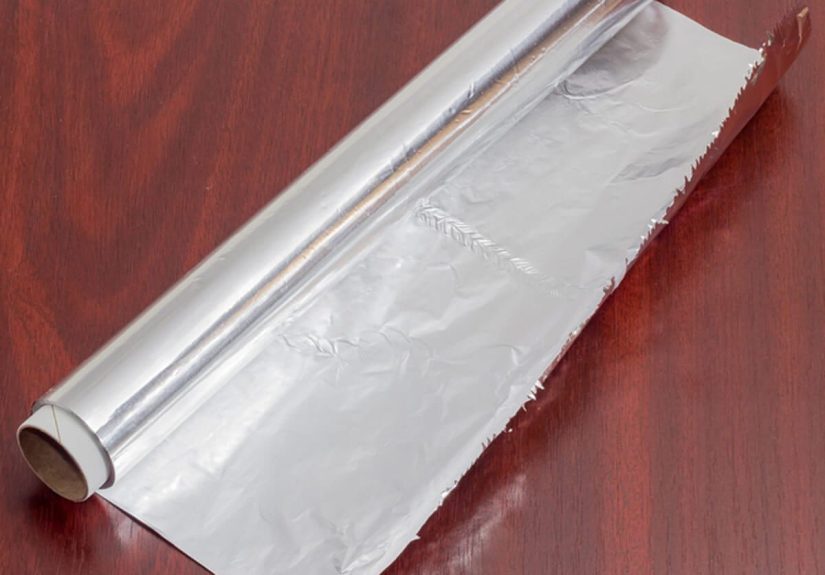
Aluminum foil is the underrated overachiever of the “junk drawer + kitchen drawer” ecosystem. Sure, it wraps leftovers and
covers casseroles, but it also moonlights as a scrubber, a polisher, a paint prep assistant, andon moving daya tiny
superhero cape for your furniture legs.
Below are 12 actually useful aluminum foil hacks (not “internet magic,” just practical physics and good
housekeeping). You’ll get clear steps, when-to-use warnings, and examples that feel like real lifebecause they are.
Before You Start: A Quick (But Important) Foil Safety Note
- Never microwave foil. It can spark and become a fire risk.
- Skip foil on nonstick surfaces. Foil can scratch nonstick cookware and some coated finishes.
- Be careful with heat. Foil is oven-friendly for many tasks, but it’s not a free pass to line heating elements or block airflow.
- Watch acidic or salty foods. Foil can react with high-acid or very salty foods, especially with heat or long contact.
- Mind your fingers. Foil edges can cut (the irony is sharp).
1) Scrub Stubborn Pots and Pans (Without Buying Another Sponge)
When a pot looks like it survived a medieval siege (burnt rice, baked-on sauces, mysterious “what is that?” residue),
foil can step in as a quick, disposable scrubberespecially on stainless steel and cast iron.
How to do it
- Crumple a sheet of foil into a tight ball (bigger than a golf ball is easier to grip).
- Add warm water and dish soap to the pan.
- Scrub with light-to-moderate pressure until residue lifts.
- Rinse, then dry thoroughly (especially cast iron).
Skip: nonstick pans, delicate finishes, and anything you’d cry over if it scratched.
2) Clean Grill Grates Like You Mean It
Grill grates collect carbonized gunk that laughs at flimsy brushes. A foil ball gives you strong friction and a shape
that gets into the grate groovesgreat after burgers, BBQ chicken, or that one “experimental” marinade you won’t admit you tried.
How to do it
- Wait until the grill is cool enough to work safely (warm is fine; blazing hot is not).
- Crumple foil into a dense ball.
- Hold it with tongs and scrub the grates.
- Wipe with a damp cloth, then lightly oil grates if needed.
Pro tip: This is a “maintenance clean.” For heavy buildup, pair with a proper grill stone or deeper cleaning routine.
3) Remove Light Rust from Chrome (Yes, Really)
Light rust on chromethink shower racks, bike parts, stroller frames, or tool handlesoften comes off with a damp foil ball.
Foil is softer than steel, and with water (or a little vinegar), it can help lift oxidation without chewing up the surface.
How to do it
- Rinse or wipe the rusty area to remove grit.
- Crumple foil into a ball and lightly wet it with water (or water + a splash of vinegar).
- Rub gently in small circles.
- Wipe clean and dry thoroughly to slow new rust.
Good to know: If something is “chrome-look plastic,” don’t do thisfoil can scratch.
4) De-Tarnish Silverware with a Foil + Baking Soda Bath
Tarnished silver has a way of showing up exactly five minutes before guests arrive. The classic foil-and-baking-soda method
is popular because it can remove tarnish without aggressive scrubbing (which is where people usually damage silver).
How to do it
- Line a bowl or pan with foil.
- Add hot water, then sprinkle in baking soda (and optionally a little salt).
- Place silver items so they touch the foil.
- Soak briefly, then rinse and dry completely.
Important: Don’t rub silver with foiluse the bath method. If you’re unsure about a piece (antiques, special finishes),
test a small area first.
5) “Sharpen” Slightly Dull Scissors (More Like a Quick Tune-Up)
Cutting folded foil can help hone scissors that are only a little dullthink everyday household scissors that struggle with wrapping paper.
This won’t resurrect blades that are damaged, loose, or truly blunt, but it can improve performance in a pinch.
How to do it
- Tear off an 8–12 inch sheet of foil.
- Fold it lengthwise several times (aim for 6–8 layers).
- Cut through the folded strip 10–15 times using the full blade length.
- Wipe scissors clean to remove residue.
Reality check: For high-quality sewing shears, a proper sharpener is a better long-term plan.
6) Line a Paint Tray for Zero-Suffering Cleanup
Painting is fun until the cleanup part where you’re scrubbing a tray like it insulted your family. Foil turns that tray into a
disposable liner: paint, peel, toss (or recycle if it’s clean enough).
How to do it
- Press foil into the tray, molding it into the slope and well.
- Fold foil edges over the tray rim to hold it in place.
- Pour paint, roll as usual.
- When finished, pour extra paint back, then lift foil out carefully.
Bonus: Foil also makes a quick protective wrap around small fixtures and odd shapes.
7) Wrap Door Knobs and Hardware Before Painting a Door
Painter’s tape is greatuntil you meet a door knob with grooves, curves, and the kind of personality that rejects tape adhesion.
Foil molds around hardware fast, covers more completely, and peels off cleanly when you’re done.
How to do it
- Tear a small sheet of foil.
- Wrap and press it around the knob/lever and backplate.
- If you need extra hold, use a little tape on the foil edge (not on the hardware finish).
- Paint, let dry, then remove the foil.
Best for: quick projects where removing hardware is overkill (but removing hardware is still the gold standard if you have time).
8) Block a Key Fob Signal (A DIY “Faraday Wrap”)
If you have a keyless-entry car, you may have heard about relay theft, where criminals try to extend your key fob signal.
Foil can sometimes reduce that signal by acting like a simple shield.
How to do it (and how to test it)
- Wrap the key fob in foil (more than one layer helps).
- Try unlocking/starting your car while the fob is wrapped.
- If it still works, add layers or use a dedicated Faraday pouch.
Be honest with yourself: This is a “better than nothing” hack, not a security system. Testing is the whole point.
9) Slide Heavy Furniture (In a “Please Don’t Throw Out Your Back” Way)
Moving a couch two feet shouldn’t require a team meeting and electrolytes. Foil under furniture legs can reduce friction,
especially on carpet. It’s a handy trick for rearranging rooms, vacuuming under bulky pieces, or inching a bookcase away from a wall.
How to do it
- Fold foil into thick pads, shiny side up or down (either is fine).
- Place under furniture legs or corners.
- Push slowly and evenlyno sudden yanks.
- Remove foil and inspect floors afterward.
Caution: For hardwood, felt sliders are safer. Foil can scuff some finishes.
10) Keep Cats Off Counters (The Foil “Nope Blanket”)
Some cats dislike the sound and feel of foil under their paws. If your cat has turned your countertop into a personal runway,
foil can be a temporary training tool that makes the “fun zone” less appealing.
How to do it
- Lay sheets of foil along the edges or favorite jumping spots.
- Secure lightly with tape if needed (and remove tape residue afterward).
- Use consistently for a short period, then gradually reduce.
Tip: Pair with a positive alternative (a cat tree, a perch, a window spot). Foil works best when it’s not the only plan.
11) Keep a Cooler Colder Longer by Lining It with Foil
When you’re trying to keep ice from melting at a picnic, tailgate, or road trip, foil can reflect some heat and light.
It’s not a miracle, but it can be a useful “stacking the odds” moveespecially if your cooler is getting frequent sun exposure.
How to do it
- Line the inside walls and lid with foil (smooth it as best you can).
- Pre-chill the cooler if possible.
- Use block ice + cubes, and keep the lid closed as much as you can.
Best use: day trips where every extra hour of cold matters.
12) Slow Banana Browning by Wrapping the Stem
Bananas are dramatic. One minute they’re perfect, the next they’re “banana bread or bust.” Wrapping the stem can help slow ripening
by reducing exposure to ethylene gas at the stem areahandy if you’re trying to stretch your grocery run by a day or two.
How to do it
- Tear a small strip of foil.
- Wrap it snugly around the banana stem (or wrap individual stems after separating bananas).
- Store as usual (counter for slower ripening; fridge for extending once ripe, if you don’t mind brown peel).
Small change, real payoff: fewer “why is this banana suddenly soup?” moments.
A Few Foil Myths to Ignore (So You Don’t Waste Your Time)
The shiny side matters for cooking
For most everyday uses, shiny vs. dull is not the deal-breaker people make it out to be. Use whichever side makes your brain happy.
Foil is airtight storage
Foil covers, but it doesn’t seal like an airtight container. For food safety and freshness, use proper containers when you can.
Extra: Real-World “Foil Moments” ( of Relatable Experience)
1) The “I Swear I Was Watching the Stove” Pot
Picture a weeknight where you’re making rice, answering a text, and trying to remember if tomorrow is “wear green” day at school or
“bring a poster board” day. The rice pot goes from “simmer” to “smoke signal.” After it cools, you add warm soapy water, let it sit,
and realize your sponge is not emotionally equipped for this job. A foil ball steps in like a substitute teacher with excellent classroom
management: firm, effective, and not afraid of baked-on starch. Five minutes later the pot looks normal again, and you don’t have to pretend
you “always planned” to order takeout.
2) The Rusty Shower Caddy That Makes You Question Everything
You buy a cute chrome shower caddy. It’s shiny. It’s organized. It makes you feel like a person who folds towels on purpose. Then one day you
notice the orange specklesrustright near your shampoo bottles like a tiny crime scene. Instead of tossing it, you wet a crumpled bit of foil
and gently rub. The rust starts to lift. It’s oddly satisfying, like erasing a mistake in pen without tearing the paper. You wipe it down, dry it,
and suddenly your shower doesn’t look like it belongs in a “before” photo.
3) Holiday Silverware Panic (A Tradition Unlike Any Other)
There is a special kind of stress that only appears when guests are coming and your “nice” silverware is tarnished. Polishing every fork with a
cloth feels like preparing for an exam you didn’t study for. This is where the foil-lined bowl and baking soda method shines. You set up the bath,
drop in a few pieces, and watch dullness fade without a ton of scrubbing. It’s not magic; it’s chemistry doing you a favor on a deadline. Rinse,
dry, and suddenly your table looks intentionallike you didn’t just sprint-clean the living room five minutes ago.
4) Painting a Door Without Turning the Hardware Into Modern Art
Painting a door seems straightforward until your brush slips and you baptize the doorknob in semi-gloss. Tape can help, but tape also loves to leave
behind sticky residue that collects dust forever. Foil, on the other hand, wraps quickly and molds around weird shapes like it was born for this moment.
You cover the knob, paint with confidence, and when everything dries you peel the foil off in one satisfying move. No scraping. No solvents. No “maybe
we should just replace the knob now” spiral.
5) The “Let’s Just Move the Couch a Little” Lie
Everyone has said it: “We’ll just move it a little.” Then reality hitsyour couch weighs the same as a small planet. If you’re on carpet, folded foil
under the legs can help it glide enough to vacuum the crumbs that apparently reproduce under furniture. You move slowly, keep the lift minimal, and
avoid twisting (your back will remember). Is it as perfect as real furniture sliders? Not always. But when you need a quick adjustment and you don’t
want to launch a full-scale moving operation, foil can be the difference between “done in two minutes” and “why are we sweating?”






 Close
Close