
Table of Contents >> Show >> Hide
- What Is 1220 Ceramics Studio?
- Why 1220 Dinnerware Stands Out
- A Quick Tour of Notable 1220 Dinnerware Pieces
- How to Build a 1220 Dinnerware Set That Fits Real Life
- Styling 1220 Dinnerware: Make the Minimalism Work for You
- Materials, Durability, and the Practical Stuff People Actually Google
- Where 1220 Fits in the Bigger Dinnerware Universe
- Buying Tips: How to Shop Smart (and Avoid Regret)
- Is 1220 Ceramics Studio Dinnerware Worth It?
- Experience Section: on Living With 1220 Ceramics Studio’s Dinnerware
There are two kinds of dinnerware people: the “anything that holds pasta is a plate” crowd, and the “I want my Tuesday salad to look like a magazine spread” crowd. If you’re reading this, congratulationsyou’re at least curious about being the second kind. And that’s exactly where 1220 Ceramics Studio comes in: handmade plates, bowls, and cups that look minimalist at first glance, then quietly flex their character through raw edges, matte glazes, and small variations that say, “Yes, a human made this. No, a machine did not.”
Known for slab-built forms and a design language that balances modern precision with a slightly rugged, tactile finish, 1220’s pieces are the kind of dinnerware that makes food look better without trying to outshine it. (Think: the tableware equivalent of a perfectly tailored outfit with sneakerseffortless, not fussy.) In this guide, we’ll break down what makes 1220 Ceramics Studio’s dinnerware distinctive, how to build a set you’ll actually use, what to know about care and safety, and how to style it so your table feels intentionaleven if dinner is “whatever was in the fridge.”
What Is 1220 Ceramics Studio?
1220 Ceramics Studio is the handmade tableware brand developed by ceramicist Lior Shachar, with the studio located in Jaffa, a Mediterranean port city. The brand’s aesthetic pulls from minimalist art and architecture, plus Scandinavian design principlesan approach you can see in the clean silhouettes, restrained palettes, and the way unfinished edges are treated as a feature rather than a flaw.
And yes, the name has a story: “1220” refers to the kiln temperature at which the clay is fired. In other words, the brand name is literally baked into the process. It’s the kind of detail that makes design nerds smile and everyone else say, “Oh… that’s kind of cool.”
Why 1220 Dinnerware Stands Out
1) The slab technique gives it that modern-yet-organic vibe
A lot of ceramic dinnerware starts life on a wheel. 1220 is known for slab technique, which tends to create flatter planes, crisp-ish geometry, and a sculptural “designed object” feelwhile still letting the clay show some personality. Many pieces lean into imperfectly perfect details: slightly irregular rims, subtle thickness changes, and edge finishes that look intentional (because they are).
2) Unfinished edges that look “raw,” not rough
One of 1220’s signature moves is leaving edges unfinished to highlight the material itself. This isn’t “oops, we forgot to sand.” It’s “we want you to notice the clay.” That contrastrefined surface + raw boundaryis part of the brand’s recognizable look.
3) A palette that plays nicely with food (and your existing dishes)
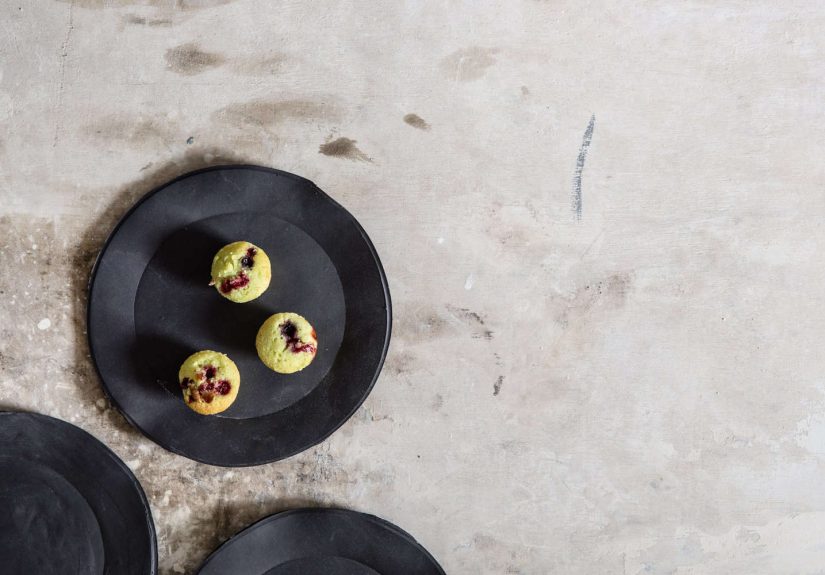
Many 1220 pieces live in the world of matte black, white, earthy neutrals, and muted tones. That’s excellent news for your meals, because neutral dinnerware makes color pop. Bright herbs. Red tomatoes. Golden olive oil. A brownie that looks like it belongs in a gallery. It all reads more dramatic against a calm backdrop.
4) Practicality without “boring practicality”
Handmade doesn’t have to mean “hand-wash only and never let it see a microwave.” 1220 often lists pieces as dishwasher-, oven-, and microwave-safe (always check the care notes on the exact item). That blendartful but usableis the sweet spot for dinnerware you’ll reach for every day instead of saving for “someday.”
A Quick Tour of Notable 1220 Dinnerware Pieces
1220 offers a mix of plates, bowls, cups, and serving pieces. Here are a few standouts that help you understand the brand’s design range.
Frayed Cotton Dinner Plate
If you want a single piece that screams “1220,” this is a contender. The Frayed Cotton Dinner Plate is described as black clay with a matte white glaze, made with slab technique, and finished with unfinished brims. There’s also mention of white slip painted over the surface to create a fog-like look. Translation: it’s quietly dramaticlike a storm cloud that also happens to be a plate.
Natural Dinnerware Set for 2
For people who like the idea of a curated set without doing a PhD in plate pairing, the Natural Dinnerware Set for 2 is a neat entry point: plates plus bowls, in color options like olive green, white, and black. The set description notes a process where liquid clay is cast into a slab by free hand, meaning each piece is one of a kind. You get cohesion without cookie-cutter sameness.
Small Salad/Dessert Plate Sets
Smaller plates are the unsung heroes of a functional kitchen. They do breakfast toast, afternoon snacks, dessert, and “I’m not hungry” portions that mysteriously become hungry portions. 1220’s small plate sets are listed as stoneware and often described with the same handmade slab-cast process.
Bowls, pasta bowls, and the “hosting quietly” category
1220’s bowl lineup includes everything from small bowls to pasta bowls and serving bowlsideal if your cooking style can be summarized as “I like food in vessels.” A good handmade bowl is a lifestyle upgrade: salads look intentional, noodles look restaurant-y, and even cereal feels like you have your life together.
How to Build a 1220 Dinnerware Set That Fits Real Life
The goal is not to create a museum exhibit in your cabinets. The goal is to make your daily meals easier and nicer. Here’s a practical way to build a setwhether you’re starting from scratch or layering 1220 into what you already own.
The “Everyday Core” set (start here)
- 2–4 dinner plates (your default plate)
- 2–4 salad/dessert plates (breakfast, snacks, desserts)
- 2–4 medium bowls (salads, grain bowls, pasta, soup)
- 2–4 cups (coffee/tea/wateryes, cups do it all)
The “I host sometimes (and I want it to look like I host more)” add-ons
- 1–2 serving platters (roasted vegetables, bread, charcuterie, the whole “I tried” vibe)
- 1 large serving bowl (salad, pasta, popcornyour multipurpose MVP)
- Small dip bowls (sauces, nuts, olives, or the tiny snacks you pretend are “just a bite”)
The “statement piece” strategy
If you’re not ready to commit to a full set, buy one standout piecelike a dramatic plate or serving bowland use it constantly. Handmade dinnerware works best when it’s part of your routines, not a special-occasion artifact.
Styling 1220 Dinnerware: Make the Minimalism Work for You
Lean into contrast
Matte black or dark-toned pieces make bright foods pop: citrus salads, tomatoes, herbs, pink fish, golden pastries. White or pale pieces make rich foods feel cozy: stews, roasted squash, chocolate desserts.
Mix textures, not patterns
1220 dinnerware often carries visual interest through texture and finish rather than busy decoration. Pair it with linen napkins, natural wood, brushed metal flatware, or glassware with subtle imperfections. The whole table feels layered without feeling loud.
Don’t stress matchingaim for harmony
One of the best parts of handmade ceramics is that they don’t look factory-identical. Slight variation is the point. If you’re mixing colors (say, black + white + olive), keep everything else simple and let the ceramics do the talking.
Materials, Durability, and the Practical Stuff People Actually Google
Stoneware vs. porcelain: what it means at the table
You’ll see both stoneware and porcelain in the broader world of dinnerware, and 1220 has been described across platforms with both terms depending on the piece. In general:
- Porcelain is typically fired at high temperatures and can be thinner and more refined-looking, often with a smooth surface.
- Stoneware tends to feel a bit sturdier and more “earthy,” often slightly heavier, with a warmer, grounded look.
In real-world terms: both can be durable, both can be beautiful, and your best move is to pick based on the piece’s function and the care notes listed for that exact item.
Dishwasher, microwave, oven: can you treat it like normal dinnerware?
Many 1220 listings describe their pieces as dishwasher-, oven-, and microwave-safe. That said, “safe” and “ideal” aren’t always identical twins. If you want your pieces looking great for the long haul:
- Avoid thermal shock: don’t go straight from fridge to blazing oven, or freezer to microwave, unless the product guidance explicitly says it’s designed for that.
- Give matte finishes a little respect: matte glazes can sometimes show utensil marks more readily than glossy surfaces.
- Let pieces cool before washing: especially after oven userapid temperature changes can stress ceramics over time.
Lead-free dinnerware: what to know (without spiraling)
If you’ve ever gone down the internet rabbit hole of “Is my dinnerware secretly plotting against me?”you’re not alone. Lead safety is a common concern with ceramics because some glazes and decorations can contain lead. Many 1220 listings describe the dinnerware as lead-free. If you’re buying any ceramic ware (handmade or mass-produced), it’s also smart to:
- Use pieces as intended (food-safe ware for food, decorative ware for decor).
- Be cautious with unknown origin vintage or decorative ceramics used for storage/serving.
- Follow the maker’s care instructions to preserve the glaze surface.
Where 1220 Fits in the Bigger Dinnerware Universe
The dinnerware world has two extremes: cheap sets that chip if you look at them wrong, and luxury sets that make you afraid to eat spaghetti because “what if it stains the vibe.” Handmade studios like 1220 occupy a very satisfying middle: the pieces feel special, but they’re designed for everyday use.
If you’re already familiar with modern artisanal tableware, you’ll recognize the appeal: neutral palettes, intentionally imperfect edges, and shapes that feel contemporary. 1220’s particular signature is how it balances minimalism with textureclean lines that still look like clay, not plastic pretending to be clay.
Buying Tips: How to Shop Smart (and Avoid Regret)
Start with the piece you use the most
If you eat bowls daily, start with bowls. If you’re a plate person, start with plates. The “best” dinnerware is the one you reach for automatically.
Check size specs like you’re buying furniture
A dinner plate that’s 10.2 inches across will behave very differently in your cabinets and dishwasher than one that’s 11 inches. Look at measurements and think through your storage realitybecause beautiful dinnerware is less fun when it turns your kitchen into a game of ceramic Jenga.
Embrace variation
Handmade means each piece has tiny differences. If you want perfect uniformity, you want factory ware. If you want character, let handmade be handmade.
Is 1220 Ceramics Studio Dinnerware Worth It?
If your dream is a table that feels calm, modern, and tactilewhere the dishware is quietly expressive without screaming for attention1220 is a strong fit. The brand’s combination of slab-built forms, minimalist influences, and unfinished edges creates pieces that feel design-forward but still grounded. Plus, the frequent emphasis on everyday functionality (dishwasher/oven/microwave notes on many items) makes it easier to justify as “something I’ll actually use,” not “something I’ll keep for guests who never come.”
In other words: it’s dinnerware that respects your life. Messy cooking included.
Experience Section: on Living With 1220 Ceramics Studio’s Dinnerware
Let’s talk about what happens after the unboxing dopamine fades and the dishes move into the real worldthe world where someone is always hungry again, and the dishwasher is basically a roommate. Here’s a realistic, lived-in look at the kind of experiences people tend to have when they bring sculptural, handmade dinnerware like 1220’s into daily routines.
On day one, it’s the surface you notice first. A matte glaze doesn’t just look different; it changes the whole mood of a meal. A simple breakfastyogurt, berries, granolasuddenly looks “styled,” even if you were standing in the kitchen in socks negotiating with your caffeine level. The plate or bowl isn’t shouting. It’s framing. Like a good picture frame, it makes what’s inside it feel more considered.
By midweek, you start appreciating the shape logic. Handmade bowls often have that perfect curve that cradles food instead of letting it slide around like it’s trying to escape. Pasta bowls become the default not just for pasta, but for everything: grain bowls, salads, leftovers, even that “I’ll just eat chips and call it dinner” moment. (No judgment. Some nights are crunchy.)
Then there’s the edge detailthe unfinished rims that feel slightly raw and tactile. At first you think, “Oh, that’s cool.” Later you realize it’s also practical: a subtle grip point when you’re carrying a stack of plates like a waiter who regrets their career choices. Those small design decisions are the ones that separate “pretty” from “actually good to use.”
When friends come over, the dinnerware does something sneaky: it starts conversations. Someone will pick up a plate, run a finger along the rim, and ask, “Where did you get these?” That’s the handmade effect. You don’t have to announce it. People can feel it. And because the look is minimal, it doesn’t clash with your existing table stuff. It plays well with mismatched cutlery, old wine glasses, and napkins you bought because they were on sale and you were feeling aspirational.
In the long run, the biggest “experience upgrade” is how handmade dinnerware nudges your habits. You plate food instead of dumping it. You slow down a little. You notice color and texture. You might even find yourself buying prettier ingredientsnot because you became a different person, but because the tableware makes the effort feel more rewarding. It’s not magic. It’s design doing what design is supposed to do: making everyday life feel better without making it harder.
And yes, sometimes you’ll baby a favorite piece. You’ll choose the “good plate” for a random Tuesday because it makes the meal feel like a small celebration. That’s the whole point. Dinnerware like 1220’s isn’t about saving beauty for special occasions. It’s about making the ordinary lookand feelworth showing up for.







 Close
Close