
Table of Contents >> Show >> Hide
- Quick prep (so your “tiny project” doesn’t become a soggy disaster)
- Tip #1: Treat low water flow like an aerator problem until proven otherwise
- Tip #2: Clean the faucet head without destroying the finish
- Tip #3: Know your faucet type before you buy parts
- Tip #4: For handle-area leaks, suspect O-rings and cartridges first
- Tip #5: Flush supply lines after faucet work (it’s not optional)
- Tip #6: Don’t use plumber’s tape where it doesn’t belong
- Tip #7: Choose plumber’s putty vs. silicone the smart way
- Tip #8: Make shutoff valves part of your routine, not a panic moment
- Tip #9: Don’t ignore “micro-leaks” under the sink
- Tip #10: Clear a sink clog from the easiest point first (usually the trap)
- Tip #11: Use a plunger correctly (yes, there’s a right way)
- Tip #12: Garbage disposals are helpers, not trash cans with motors
- Tip #13: Clean your garbage disposal the safe, non-dramatic way
- Tip #14: Match your sink cleaning method to your sink material
- Tip #15: Upgrade for water savings and safety (small changes, big payoff)
- Bonus section: of real-world “I learned this the hard way” experiences (so you don’t have to)
- 1) The “brand-new faucet” with the “mysterious low pressure”
- 2) The cabinet that smells “like swamp,” starring the P-trap
- 3) The countertop stain that arrived with “helpful” plumber’s putty
- 4) The “tighten it harder” strategy that backfired
- 5) The garbage disposal that became a potato-peel cement mixer
- 6) The faucet finish that “mysteriously” got dull and streaky
- Conclusion: A little maintenance beats a lot of repair
Faucets and sinks are the backstage crew of your house: they work every day, they rarely get applause,
and they only become “interesting” when something starts dripping, gurgling, or spraying you like a surprise
water park. The good news? Most faucet and sink problems are predictableand a lot of them are fixable with
a little know-how, a towel, and the ability to say “no, I will not ignore that tiny leak for six months.”
This guide pulls together practical, real-world faucet and sink maintenance tipscleaning tricks, leak
fixes, clog tactics, and a few upgrades that save water (and sanity). You’ll also get common mistakes to
avoid, because nothing says “weekend adventure” like learning that a compression fitting does not want
Teflon tape… the hard way.
Quick prep (so your “tiny project” doesn’t become a soggy disaster)
- Find the shutoff valves under the sink and confirm they actually turn.
- Clear the cabinet and lay down a towel (you’re not admitting defeatjust being smart).
- Keep a bucket handy for trap cleanouts and “oops” moments.
- Take a photo before you disassemble anything with small parts.
Tip #1: Treat low water flow like an aerator problem until proven otherwise
If your faucet suddenly feels weak, the most common culprit is the faucet aeratorthat little
screen at the tip that catches mineral scale and debris. Before you blame your plumbing system, start here.
How to do it
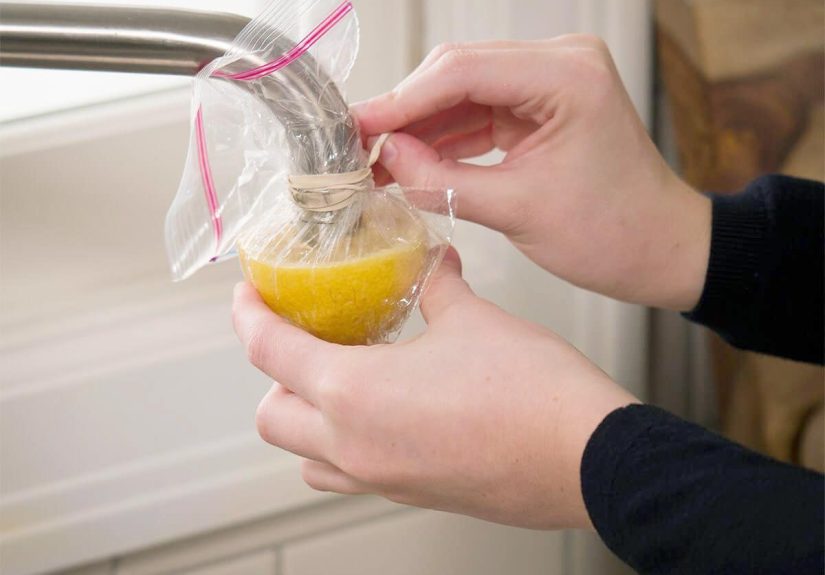
- Unscrew the aerator (use a cloth to protect the finish if you need pliers).
- Soak parts in white vinegar, then scrub with an old toothbrush and clear holes with a toothpick.
- Rinse, reassemble, reinstall, and test.
Pro example: If your city recently flushed hydrants or did main work, debris can lodge in the aerator overnightsuddenly your “new low-pressure faucet” isn’t new at all.
Tip #2: Clean the faucet head without destroying the finish
Mineral buildup loves spray heads and fancy faucets. The trick is dissolving deposits while keeping
the finish looking… finished.
Best practice
- Use a vinegar-and-water soak (especially for removable spray heads).
- Skip harsh abrasives, bleach-based cleaners, and heavy-duty scrub pads on plated finishes.
- Dry with a soft cloth to prevent water spotsespecially on matte black or brushed finishes.
Tip #3: Know your faucet type before you buy parts
Not all leaks are created equal. A compression faucet, a ball faucet, a cartridge faucet, and a ceramic-disc
faucet all have different “usual suspects.” Buying random parts is the plumbing version of throwing spaghetti
at the wallexcept the wall is your vanity cabinet and spaghetti is water.
Fast diagnosis
- Drip from spout when off: often a worn cartridge/disc or seals.
- Leak around handle: often an O-ring or handle seal.
- Loose/wobbly handle: sometimes just a set screw or retaining nut.
Tip #4: For handle-area leaks, suspect O-rings and cartridges first
Many common household faucets leak because seals wear out. Replacing a cartridge (or a cartridge kit with
O-rings) is often the cleanest fixand it’s usually cheaper than living with the drip soundtrack.
Common mistake
Over-tightening to “stop the leak” can crack parts or damage threads. If a faucet needs Hulk strength, it
probably needs a new sealnot a new personality.
Tip #5: Flush supply lines after faucet work (it’s not optional)
After installing or repairing a faucet, you want to flush out sediment that could immediately clog the aerator
or cartridge. This is especially important if you had the water shut off or disturbed older plumbing.
Simple approach
- Remove the aerator.
- Run hot and cold water for a short, steady flush.
- Reinstall the aerator once water runs clear.
Tip #6: Don’t use plumber’s tape where it doesn’t belong
PTFE (Teflon) tape is for threaded pipe connectionsnot for everything that looks vaguely
twisty. Compression and flare fittings seal by design; adding tape can actually cause leaks.
Rule of thumb
- Use tape: tapered pipe threads (NPT) where threads help seal.
- Skip tape: compression fittings, flare fittings, and many faucet supply connections.
Tip #7: Choose plumber’s putty vs. silicone the smart way
Sealing sink drains and faucet bases sounds simpleuntil you meet a natural stone countertop that
can stain from oil-based putty. Always follow the fixture manufacturer’s directions, but here’s the
practical guide many pros use.
Quick guide
- Plumber’s putty: often used for metal sink strainers and some drains.
- Silicone sealant: often better for stone surfaces (granite/marble) and when staining is a risk.
- Bonus: Some brands make “stain-free” putty designed for sensitive surfaces.
Tip #8: Make shutoff valves part of your routine, not a panic moment
Under-sink shutoff valves (angle-stop or straight-stop) are your best friend during repairsassuming they
turn and don’t crumble into dust when touched. Test them periodically so you’re not discovering failure
mid-leak.
What to look for
- Stiff handle, seepage at the stem, or corrosion
- Valves that won’t fully close (or won’t reopen smoothly)
- Mineral crust at connections
Tip #9: Don’t ignore “micro-leaks” under the sink
Tiny drips can quietly destroy cabinets, warp flooring, and invite mildew. The fix can be as simple as
tightening a slip nut slightly, replacing a washer, or reseating a connection.
Practical trick
Wipe everything dry, then place a paper towel under each connection for an hour. The towel becomes your
leak detectivewithout charging a service call.
Tip #10: Clear a sink clog from the easiest point first (usually the trap)
If a sink drains slowly or backs up, your clog is often in the P-trap or just beyond it.
Checking the trap is messy, but straightforwardand it beats dumping aggressive chemicals into your pipes.
Trap-check basics
- Put a bucket under the trap.
- Loosen slip nuts carefully and remove the trap bend.
- Clear gunk, rinse, reassemble, and test for leaks.
Example: Bathroom clogs are commonly hair + soap scum. Kitchen clogs often involve grease and food residue.
Tip #11: Use a plunger correctly (yes, there’s a right way)
A sink plunger works best when it can build pressure. That means you need the right plunger and a good seal.
In a double-bowl kitchen sink, block the other drain opening. In a bathroom sink, cover the overflow hole
with a damp cloth to keep pressure focused.
When it works
Plunging is great for soft clogs near the trap. If nothing changes after several solid attempts, move on to
the trap or a snake instead of turning the sink into a cardio station.
Tip #12: Garbage disposals are helpers, not trash cans with motors
Disposals are designed for small scrapsnot full plates of leftovers. The fastest way to shorten a disposal’s
life is feeding it the wrong foods.
Skip these
- Grease, oil, and fat (they cool and cling inside pipes)
- Starchy foods (pasta/rice/potato peels can form paste)
- Fibrous foods (celery, corn husks, onion skins can tangle)
- Coffee grounds in big quantities (they pack like wet sand)
Best habit
Run cold water while grinding, and keep it running briefly after to help move particles through.
Tip #13: Clean your garbage disposal the safe, non-dramatic way
If your disposal smells like it’s hiding a science experiment, clean it with methods designed for disposals
and avoid harsh chemical drain cleaners that can be risky for components and plumbing.
Easy maintenance routine
- Flush with plenty of water.
- Use disposal-safe cleaners or approved methods.
- Clean the rubber splash guard (it traps odor-causing gunk).
Tip #14: Match your sink cleaning method to your sink material
“Just scrub it” is how stainless gets scratched, porcelain gets dulled, and composite sinks get weird
stains you’ll swear weren’t there yesterday.
Material-based cheat sheet
- Stainless steel: scrub with the grain using non-abrasive tools; dry after use to prevent spots.
- Porcelain/fireclay: gentle cleaners; avoid harsh abrasives that can wear the glossy finish.
- Composite/granite sinks: follow maker guidance; avoid oil-based products that can stain; rinse thoroughly.
Tip #15: Upgrade for water savings and safety (small changes, big payoff)
A few smart upgrades can make faucets and sinks more efficient, safer for families, and less likely to develop
annoying problems.
High-impact upgrades
- Water-efficient aerators/faucets: Look for WaterSense-labeled bathroom faucets or accessories to reduce flow without wrecking performance.
- Lead-aware purchasing: Choose fixtures that meet current “lead-free” requirements and avoid sketchy, uncertified optionsespecially for drinking/cooking taps.
- Scald prevention: Consider a safe water-heater temperature setting and/or anti-scald devices if kids or older adults are in the home.
Bonus section: of real-world “I learned this the hard way” experiences (so you don’t have to)
Below are common, real-life scenarios homeowners and DIYers run into with faucets and sinks. They’re not
horror storiesmore like plumbing fables with happy endings, if you listen to the moral.
1) The “brand-new faucet” with the “mysterious low pressure”
Someone installs a new bathroom faucet and immediately complains that it’s weaker than the old one. They
blame the faucet, the house, and possibly the entire concept of indoor plumbing. Then they remove the aerator
and find a tiny confetti party of grit insideleftover debris from supply lines that weren’t flushed after
installation. Two minutes of flushing with the aerator off, a quick rinse, and suddenly the faucet performs
like it’s supposed to. Moral: flush after installation, and don’t accuse your faucet of crimes it didn’t commit.
2) The cabinet that smells “like swamp,” starring the P-trap
A slow drain turns into a smell that feels personal. The homeowner tries scented soap, then candles, then
denial. The real culprit is a partially blocked P-trap holding onto a sludge smoothie of soap scum, hair, and
whatever fell down the drain during the last haircut. Cleaning the trap is gross but fast: bucket, loosen nuts,
rinse, reassemble. Moral: the P-trap is the sink’s lint trapignore it and it will eventually complain loudly.
3) The countertop stain that arrived with “helpful” plumber’s putty
A sink drain is installed on a stone countertop with traditional oil-based putty. Weeks later, a dark ring
appears like a moody halo and refuses to leave. Natural stone can absorb oils and discolor. Moral: for stone,
use the right sealant (often silicone or stain-free putty), and follow the sink/countertop manufacturer’s guidance.
4) The “tighten it harder” strategy that backfired
A small drip at a connection inspires a well-meaning person to tighten a fitting like it owes them money.
The leak stops… briefly… until the damaged washer or misaligned connection starts leaking again, often worse.
A gentle snug is fine; brute force is not. Moral: if a fitting keeps leaking, it usually needs reseating or a new seal,
not an arm workout.
5) The garbage disposal that became a potato-peel cement mixer
After a big dinner, someone dumps potato peels, pasta, and rice into the disposal. The unit groans, the sink
backs up, and suddenly the kitchen is hosting a stress seminar. Starches swell, turn gluey, and can clog lines.
Moral: compost or trash the heavy hitters; let the disposal handle small scraps, with cold water running.
6) The faucet finish that “mysteriously” got dull and streaky
Matte black, brushed nickel, and specialty finishes look amazinguntil they meet abrasive scrub pads or harsh
cleaners. A single cleaning session can leave dull patches or micro-scratches that catch light forever. Moral:
use mild soap, soft cloths, and finish-safe cleaning habits. Your faucet isn’t a cast-iron skillet; it doesn’t need
“seasoning,” sanding, or industrial chemicals to behave.
Conclusion: A little maintenance beats a lot of repair
The best faucet and sink “hack” is boringbut unbeatable: clean gently, fix small leaks early, keep drains clear,
and use the right sealants and fittings for the job. When you do that, faucets last longer, sinks stay nicer, and
your cabinet doesn’t turn into a secret indoor rainforest. And when something does go wrong, you’ll know where
to startusually with the aerator, the trap, or the shutoff valvesbefore the situation gets expensive.





 Close
Close