
Table of Contents >> Show >> Hide
- What Made 2021 Inflation So Unusual?
- The Big Numbers Behind 2021 Inflation
- Why Did Inflation Surge in 2021?
- How 2021 Inflation Affected Households
- How Businesses Experienced 2021 Inflation
- Was 2021 Inflation Temporary?
- What 2021 Taught Us About Inflation
- Experiences Related to “2021 Was Quite the Year for Inflation”
- Conclusion
Inflation in 2021 did not politely knock on the door. It kicked it open, tracked mud across the living room, and then asked why eggs, gasoline, cars, rent, and holiday gifts all seemed to cost more than expected. After years when many Americans barely thought about inflation outside of economics class, 2021 turned it into a kitchen-table topic. Suddenly, everyone had a story: the grocery bill that felt oddly swollen, the used car that somehow became a treasure chest on wheels, or the gas pump that seemed to be charging by the emotional damage.
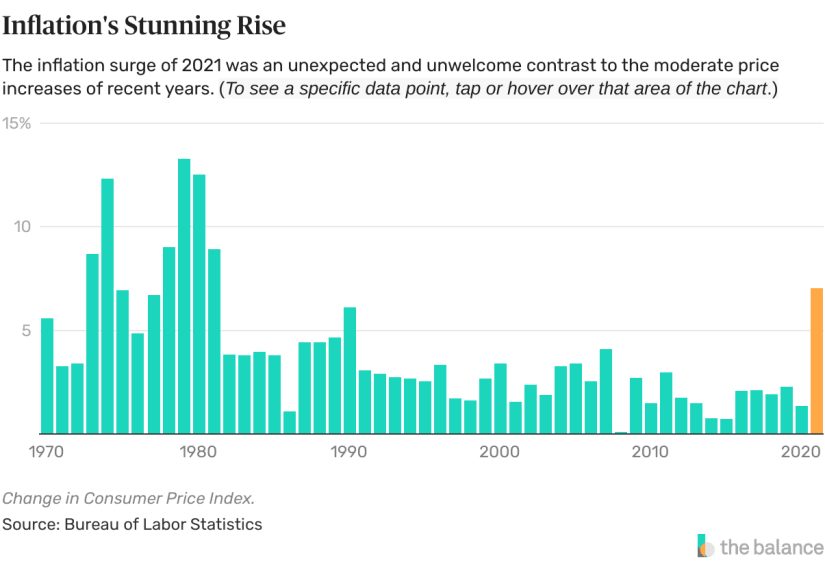
The title “2021 Was Quite the Year for Inflation” is not exaggeration. In the United States, consumer prices climbed at a pace not seen in decades. The Consumer Price Index, one of the most widely followed inflation gauges, rose 7.0% from December 2020 to December 2021. That was the largest December-to-December increase since 1981. For households, that number translated into something simple and irritating: the same paycheck did not stretch as far.
But 2021 inflation was not caused by one villain wearing a cape labeled “high prices.” It was a messy mix of pandemic recovery, supply chain snarls, strong consumer demand, labor shortages, energy costs, and policy choices. Like a group project where everyone contributed just enough chaos, each factor helped push prices higher. Understanding what happened in 2021 matters because inflation is not just an economic statistic. It affects budgets, business decisions, wages, savings, interest rates, and the mood of anyone standing in a checkout line wondering when cereal became a luxury item.
What Made 2021 Inflation So Unusual?
Inflation is the broad rise in prices over time. A little inflation is normal in a growing economy, and the Federal Reserve generally aims for inflation that averages around 2% over the long run. In 2021, however, price increases moved far beyond that comfort zone. What made the year so unusual was not only the size of the increase but also where inflation showed up.
Prices rose in highly visible categories: gasoline, groceries, cars, furniture, appliances, and housing-related costs. These were not obscure line items hiding in a government spreadsheet. They were the things people bought, used, drove, cooked, repaired, and complained about in group chats. Inflation felt personal because it touched ordinary decisions: Should we replace the car now? Should we buy the couch or wait? Why is bacon suddenly acting like it has a trust fund?
The economy in 2021 was also in an unusual position. The United States was recovering from the shock of COVID-19. Businesses reopened, consumers spent more, government relief had supported incomes, and many people shifted their purchases from services to goods. Instead of vacations, concerts, and restaurant outings, households bought laptops, desks, exercise equipment, home improvement supplies, and cars. Demand for goods surged just as global supply chains were struggling to keep up.
The Big Numbers Behind 2021 Inflation
The headline figure was hard to miss: consumer prices rose 7.0% from December 2020 to December 2021. Food prices rose significantly, energy prices jumped sharply, and vehicle prices became one of the most dramatic stories of the year. The numbers looked less like a calm recovery and more like the economy had consumed three espressos and forgotten how to sit down.
Gasoline and Energy Prices Took Off
Energy was one of the most painful areas for consumers. Gasoline prices increased dramatically during 2021 as driving rebounded, crude oil prices climbed, refinery capacity remained limited, and inventories stayed tight. For many drivers, the cost of filling up became a weekly reminder that inflation was not some abstract debate happening in Washington, D.C. It was right there on the pump screen, blinking with the confidence of a small villain.
Higher energy prices also matter because energy costs ripple through the economy. Fuel affects transportation, shipping, farming, manufacturing, and delivery. When energy becomes more expensive, businesses often face higher operating costs. Those costs can eventually show up in the prices consumers pay for food, goods, and services.
Used Cars Became the Unexpected Star of the Inflation Show
If 2021 inflation had a mascot, it might have been a used pickup truck with 80,000 miles and the attitude of a beachfront condo. Used cars and trucks saw an extraordinary price surge. Several forces collided at once: semiconductor shortages slowed new vehicle production, rental car companies rebuilt fleets, consumers wanted personal transportation, and available inventory tightened.
When new cars were harder to find, many buyers turned to used cars. That pushed used vehicle prices higher. For sellers, it was a rare moment when an old car in the driveway looked less like a depreciating asset and more like a secret savings account. For buyers, it was a reminder that inflation can strike in surprising places.
Food Prices Made Grocery Shopping Feel Different
Food inflation was another major concern. Grocery prices rose faster than many households were used to seeing. Meat, poultry, fish, eggs, and other staples became more expensive. Food-at-home prices climbed as supply chains, labor costs, transportation expenses, packaging shortages, and strong demand all played a role.
Food inflation is especially noticeable because people shop for food frequently. A family might delay buying a car, but it cannot delay eating. When prices rise at the grocery store, consumers notice quickly. They swap brands, hunt for discounts, buy in bulk, or stare at the receipt like it has personally betrayed them.
Why Did Inflation Surge in 2021?
The causes of 2021 inflation were complicated, but the main story can be explained through a few overlapping forces: demand recovered quickly, supply could not keep up, global logistics jammed, and some markets faced severe shortages. The economy did not restart smoothly after the pandemic shock. It sputtered, lurched, overheated in some areas, and got stuck in traffic at the Port of Los Angeles.
Consumer Demand Came Roaring Back
By 2021, many households had more money to spend than they did during the early pandemic months. Federal relief payments, expanded unemployment benefits, rising asset values, and reduced spending on services in 2020 helped build savings for many families. As the economy reopened, people wanted to buy things. Lots of things.
However, the pattern of spending changed. Instead of spending mainly on travel, entertainment, and in-person services, consumers bought physical goods. Home offices needed chairs. Kitchens needed appliances. Backyards needed grills. Kids needed electronics. Adults needed anything that made staying home feel slightly less like being trapped inside a very responsible storage unit.
This shift mattered because goods require raw materials, factories, ships, trucks, warehouses, and workers. When demand jumps faster than supply can respond, prices tend to rise.
Supply Chains Were Under Serious Stress
Supply chains in 2021 were stretched to their limits. Factory shutdowns, port congestion, container shortages, trucking delays, and pandemic-related restrictions created bottlenecks around the world. Goods took longer to arrive, shipping costs increased, and businesses had trouble getting the inputs they needed.
Supply chain problems do not stay politely in one industry. A semiconductor shortage affects cars. A shortage of packaging affects food and consumer goods. Port delays affect retailers. Higher shipping costs affect everything from furniture to electronics. The system is connected, which is efficient when it works and deeply annoying when it does not.
Many economists now view supply constraints as a central part of the pandemic-era inflation story. Demand was strong, but supply was not flexible enough to meet it quickly. That imbalance helped create price spikes in specific categories and then spread pressure more broadly through the economy.
Labor Market Frictions Added Pressure
The labor market also changed in 2021. Many businesses reopened and tried to hire at the same time. Some workers changed industries, retired early, dealt with health concerns, managed childcare challenges, or reconsidered their relationship with work. Employers in hospitality, transportation, warehousing, manufacturing, and retail often struggled to fill positions.
When labor is scarce, wages can rise. Higher wages are good for workers, especially after years of slow income growth, but they can also raise business costs. In 2021, wage growth was not the only driver of inflation, but labor shortages made it harder for businesses to expand supply and meet demand. A restaurant cannot serve more customers without staff. A warehouse cannot move goods efficiently without workers. A trucking company cannot deliver freight without drivers.
Energy and Commodity Prices Rebounded
Commodity prices also recovered sharply from the pandemic slump. Oil demand rebounded as travel and driving increased. At the same time, production and refining capacity did not fully snap back overnight. That contributed to higher gasoline and energy prices. Other materials used in construction, manufacturing, and packaging also became more expensive.
When commodities rise in price, businesses throughout the economy feel it. Builders pay more for materials. Manufacturers pay more for inputs. Farmers and food producers pay more for fuel, fertilizer, packaging, and transportation. Eventually, some of those costs show up in consumer prices.
How 2021 Inflation Affected Households
Inflation affects different households in different ways. A family that drives long distances, rents an apartment, and spends a large share of income on groceries may feel inflation more sharply than a household with higher income, remote work, and more flexible savings. In 2021, lower- and middle-income households often felt the pressure because essentials took up a larger share of their budgets.
Higher prices forced many consumers to make trade-offs. Some delayed big purchases. Others switched to store brands, used coupons, reduced driving, or adjusted meal plans. A grocery list that once felt routine became a small strategy document. People compared prices more carefully and learned which items were suddenly “special occasion cheese.”
Inflation also changed how people thought about wages. A raise looked good on paper, but if prices rose faster than income, purchasing power still fell. That is one reason inflation can be so frustrating: people may earn more dollars but feel less financially secure.
How Businesses Experienced 2021 Inflation
Businesses had their own inflation headaches. Many companies faced higher costs for materials, shipping, rent, insurance, fuel, and wages. Small businesses were especially vulnerable because they often had less bargaining power with suppliers and less room to absorb cost increases.
Some businesses raised prices. Others reduced package sizes, changed menus, adjusted product offerings, or delayed expansion. Restaurants simplified menus because certain ingredients were too expensive or unreliable. Retailers ordered earlier to avoid shipping delays. Contractors updated estimates more frequently because material prices could change quickly. Inflation made planning harder, and business owners do not love surprises unless they involve five-star reviews and mysteriously low tax bills.
Large companies sometimes had more flexibility. They could negotiate with suppliers, diversify shipping routes, or use technology to manage inventory. Still, even major corporations struggled with delays and cost increases. In 2021, the phrase “supply chain issues” became the business equivalent of “the dog ate my homework,” except the dog was real, global, and blocking a shipping container.
Was 2021 Inflation Temporary?
One of the biggest debates of 2021 was whether inflation would be “transitory.” Early in the year, many policymakers and economists believed price increases would fade as supply chains healed and pandemic disruptions eased. That view was understandable, but inflation proved more persistent than expected.
Some price spikes did look temporary. Used car prices, for example, were tied to specific supply shortages. But inflation broadened as the year went on. Shelter costs, energy prices, food prices, and services inflation all became concerns. The longer inflation stayed elevated, the more pressure the Federal Reserve faced to respond.
By the end of 2021 and into 2022, it became clear that inflation was not disappearing on its own as quickly as hoped. The Federal Reserve began preparing to tighten monetary policy, and interest rate increases followed in 2022. The lesson was humbling: even smart economists can underestimate how long it takes for a disrupted global economy to untangle itself.
What 2021 Taught Us About Inflation
The first lesson is that inflation can come from both demand and supply. It is tempting to blame one cause, but 2021 was more complicated. Strong consumer spending mattered. So did supply chain bottlenecks, energy prices, labor frictions, and sector-specific shortages. Inflation was not one fire; it was several fires that found each other.
The second lesson is that visible prices shape public opinion. People may not read every economic report, but they know what they pay for gasoline, groceries, rent, and cars. When those prices rise quickly, confidence can fall even if job growth is strong.
The third lesson is that resilience matters. Supply chains built for maximum efficiency can struggle during global shocks. Businesses and governments began paying more attention to inventory buffers, domestic manufacturing capacity, port operations, and supplier diversification. The cheapest supply chain is not always the strongest one.
The fourth lesson is that inflation is political because it is personal. It affects families, workers, retirees, business owners, and voters. When inflation rises quickly, it becomes a national conversation because nearly everyone has a receipt to prove it.
Experiences Related to “2021 Was Quite the Year for Inflation”
For many Americans, the experience of 2021 inflation was not defined by charts. It was defined by moments. A parent walked into a grocery store expecting the usual weekly total and left wondering whether the cart had secretly joined a premium subscription service. A commuter watched gasoline prices rise and began calculating errands like a logistics manager. A young couple shopping for a used car discovered that “pre-owned” no longer meant “affordable.” A small business owner opened an invoice from a supplier and briefly considered whether deep breathing counted as a financial strategy.
One of the most common experiences was the feeling of constant recalculation. In normal times, many households operate on habits. They know roughly what groceries cost, what gas costs, and what monthly bills look like. In 2021, those habits became less reliable. People had to check prices more often, compare alternatives, and rethink purchases that once seemed automatic. Inflation turned everyday shopping into a small economics seminar, except nobody got college credit.
Families adjusted in practical ways. Some cooked more meals around lower-cost staples. Others bought fewer convenience foods or reduced restaurant visits. Drivers combined trips to save gas. Homeowners postponed renovations because lumber, appliances, or contractor costs were too high. Renters worried about lease renewals. Parents budgeted more carefully for back-to-school shopping, holiday gifts, and childcare costs. Inflation did not affect every household equally, but it made financial planning feel less predictable for almost everyone.
Businesses also learned hard lessons. A bakery facing higher flour, butter, packaging, and labor costs had to decide whether to raise prices on loyal customers. A contractor could not guarantee a quote for long because materials might jump in price before the job began. A retailer had to order inventory months earlier and hope consumer demand would still be there when the products finally arrived. These were not textbook problems. They were real decisions with real consequences.
The emotional side of inflation mattered too. Rising prices created frustration because they made people feel as though they were falling behind even when they were working hard. A raise could be swallowed by higher rent. Savings could lose purchasing power. A planned purchase could move out of reach. Inflation is stressful because it changes the meaning of money in real time. The number in the bank account may stay the same, but what that number can buy quietly shrinks.
Looking back, 2021 was a reminder that price stability is easy to take for granted until it disappears. It also showed how connected modern life is. A factory shutdown overseas, a shortage of truck drivers, a clogged port, a spike in oil prices, and a burst of consumer demand can all meet inside the price of a dishwasher or a gallon of milk. The economy is not a machine with one button. It is a crowded kitchen, and in 2021, everyone reached for the oven at once.
The experience left consumers more alert. People became better at comparing prices, questioning value, watching interest rates, and understanding how national economic trends affect personal budgets. That awareness may be one of the lasting effects of 2021. Inflation stopped being background noise and became a practical concern. It reminded Americans that economic stability is not boring. It is the quiet luxury of knowing that next week’s grocery bill probably will not jump out from behind the bread aisle yelling “surprise!”
Conclusion
2021 was quite the year for inflation because it brought together a rare mix of strong demand, disrupted supply, rising energy costs, labor market shifts, and pandemic aftershocks. The result was a sharp increase in consumer prices that changed household budgets, business planning, and national economic policy.
The year also taught a broader lesson: inflation is not just about numbers. It is about confidence, choices, and the daily experience of trying to make money stretch far enough. When prices rise quickly, people notice. They adapt, they complain, they budget, and occasionally they develop a suspicious relationship with the grocery receipt.
Understanding 2021 inflation helps explain why policymakers now pay close attention to supply chains, energy markets, wage trends, and consumer expectations. It also reminds businesses and households to build flexibility into financial plans. Inflation may rise and fall, but the lessons of 2021 remain useful: watch the details, prepare for shocks, and never underestimate the economic power of a used car lot in a semiconductor shortage.
Note: This article is based on synthesized information from official U.S. economic data and reputable economic research sources. It has been rewritten in original language for web publication, with no source links inserted into the article body.




 Close
Close