
Table of Contents >> Show >> Hide
- Before You Build: Smart Planning for Garden Paths
- 24 Garden Path Ideas for a True Outdoor Oasis
- 1. Classic Gravel Pathway
- 2. Narrow Gravel Walk Through Lush Planting
- 3. Stepping Stones in a Sea of Groundcover
- 4. Flagstone for a Natural, Organic Look
- 5. Brick Herringbone Walkway
- 6. Mulch Paths Between Vegetable Beds
- 7. Pallet Wood or Boardwalk Style Walkways
- 8. Pebble Mosaic Path for Artistic Flair
- 9. Permeable Paver Walkways
- 10. Stone Slabs in a Shade Garden
- 11. Mixed Materials for Extra Interest
- 12. Curved Paths to Make Small Yards Feel Bigger
- 13. Formal Axis with Symmetrical Planting
- 14. Woodland Log Slice Path
- 15. Grass Paths Mown Through a Meadow
- 16. Raised Bed Center Paths for Kitchen Gardens
- 17. Modern Large-Format Pavers with Gravel Joints
- 18. Pathways Lined with Flowering Borders
- 19. Arbors, Gates, and Trellises Over the Path
- 20. Gently Stepped Paths on Slopes
- 21. Poolside or Water Feature Stepping Pads
- 22. Kid-Friendly Sensory Paths
- 23. Budget Paths with Recycled and Reclaimed Materials
- 24. Winter-Safe, Non-Slip Paths
- Lighting, Planting, and Finishing Touches
- Real-Life Experiences: What Actually Works for Garden Paths
A beautiful garden path does more than keep your shoes clean. The right walkway
can guide guests, protect your plants, and turn a plain backyard into a little
outdoor oasis you never want to leave. Whether you’re dreaming of a cottage-style
stone trail or a sleek modern walkway, there’s a garden path idea for every style,
budget, and yard size.
Below, you’ll find 24 garden path ideas packed with practical tips on materials,
layout, safety, and maintenance. From classic gravel and stepping stones to
eco-friendly permeable pavers and glow-up lighting, consider this your roadmap
(literally) to a more inviting landscape.
Before You Build: Smart Planning for Garden Paths
Think About Destination and Traffic
Start by asking one simple question: Where are people actually going?
A path that connects your patio to the back gate will need to be wider and more
durable than a meandering walkway through a flower border. Landscape designers
often plan primary paths at about 36–48 inches wide so two people can walk side
by side comfortably, while secondary garden paths can be as narrow as 18–24 inches.
Choose Materials That Match Your Climate
Your climate should influence your material choices as much as your style does.
In rainy or snowy regions, textured stone, rough pavers, and permeable surfaces
help reduce slippery spots and puddles. In hotter areas, lighter-colored gravel
or stone keeps paths cooler underfoot and reflects more light back into shady
gardens.
Don’t Forget Drainage and Safety
A gorgeous path that turns into a skating rink in winter or a shallow river after
every storm won’t feel like much of an oasis. Build in a slight slope or crossfall
so water runs off, and consider permeable materials that let water soak into the
ground. Add lighting around steps, curves, and level changes so no one learns the
hard way where your path begins and ends after dark.
24 Garden Path Ideas for a True Outdoor Oasis
1. Classic Gravel Pathway
Gravel paths are the workhorse of garden design: affordable, DIY-friendly, and
surprisingly stylish. A simple compacted gravel walkway bordered with brick or
metal edging works beautifully in cottage gardens and casual backyards. Choose
small, angular gravel so it locks together underfoot, and lay it over landscape
fabric and a compacted base to keep ruts and weeds in check.
2. Narrow Gravel Walk Through Lush Planting
For a romantic “secret garden” feel, run a narrow gravel path through deep,
overflowing planting. Dark gravel visually disappears, letting your flowers and
foliage steal the show while still giving you a clear route to wander, water,
and weed. This look works especially well in long, narrow gardens where a straight
path might otherwise feel like a bowling lane.
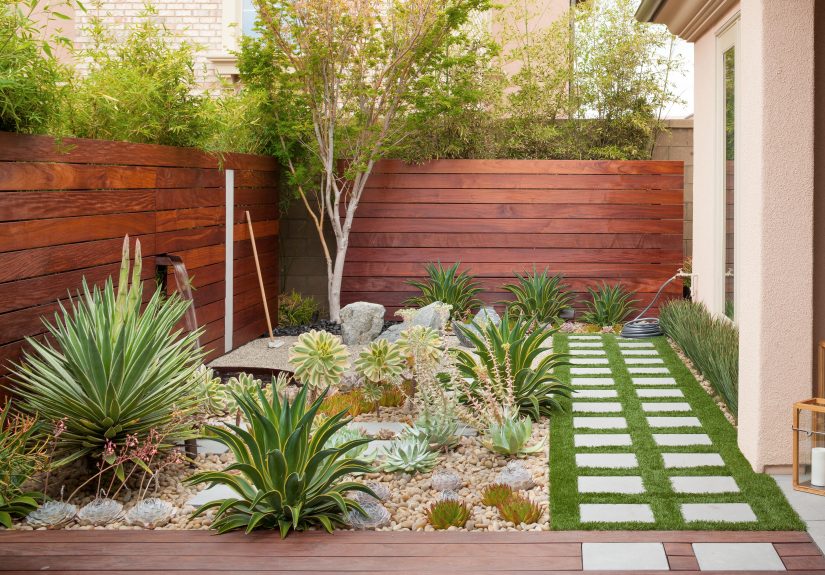
3. Stepping Stones in a Sea of Groundcover
If you love the idea of walking through a carpet of green, set large stepping
stones into a low groundcover like creeping thyme, Irish moss, or dwarf mondo grass.
The plants soften the hard edges of the stone, help with drainage, and release a
gentle fragrance when brushed underfoot. Just be sure the stones are set level and
wide enough for a sure stepabout 16–18 inches is usually comfortable.
4. Flagstone for a Natural, Organic Look
Big, irregular pieces of flagstone create a path that looks like it’s always
been there. Use them to build a gently curving walkway through trees or around
a pond. Leave joints wide and fill them with gravel or a hardy groundcover to
keep the look relaxed and nature-inspired, perfect for woodland gardens or
informal landscapes.
5. Brick Herringbone Walkway
For a classic, timeless feel, you can’t beat brick. Lay bricks in a herringbone,
basketweave, or running bond pattern for a path that suits traditional homes and
formal gardens. Bricks are durable, easy to repair, and can be edged with stone
or steel for extra definition. Choose clay bricks rated for outdoor use so they
can handle freeze-thaw cycles.
6. Mulch Paths Between Vegetable Beds
In kitchen gardens and raised-bed layouts, mulch paths are a simple, budget-friendly
solution. Spread wood chips or shredded bark over landscape fabric to create soft,
forgiving paths that are easy on knees and wheelbarrows. You’ll likely need to
refresh the mulch every year or two, but the natural look blends beautifully with
herbs, vegetables, and fruit trees.
7. Pallet Wood or Boardwalk Style Walkways
For rustic, beachy, or cabin-style yards, a simple wooden boardwalk brings major
charm. Use pressure-treated lumber, composite boards, or reclaimed wood rated for
outdoor use. A raised boardwalk is ideal for areas that stay damp or slightly
boggy, giving you a stable surface while letting water move underneath.
8. Pebble Mosaic Path for Artistic Flair
If you love a creative project, try a pebble mosaic inset into concrete or mortar.
Arrange pebbles in spirals, waves, or geometric patterns to create a one-of-a-kind
walkway. This style takes more time and planning but becomes a focal point all on
its ownespecially near entryways, patios, or seating areas where guests can
appreciate the detail.
9. Permeable Paver Walkways
Permeable pavers look like traditional pavers but allow rainwater to seep through
joints or openings into a gravel base underneath. This reduces runoff, helps
recharge groundwater, and minimizes puddles after storms. They’re a smart option
for eco-friendly landscapes and urban yards where drainage is a challenge.
10. Stone Slabs in a Shade Garden
Large, flat stones spaced out in a shady side yard or under trees create a calm,
grounded feel. Surround them with shade-loving plantsthink hostas, ferns, and
heucherasfor a lush, layered look. Because shade areas can stay damp, opt for
textured stone that provides good traction.
11. Mixed Materials for Extra Interest
Can’t choose just one material? Combine them. A brick border with a gravel infill,
or large stepping stones set into fine gravel, offers visual contrast and helps
define the edges of planting beds. Mixing materials is also practicalyou can use
pricier stone only where it shows the most and fill the rest with budget-friendly
gravel or mulch.
12. Curved Paths to Make Small Yards Feel Bigger
Straight paths are efficient, but gentle curves feel more relaxed and can make a
compact yard seem deeper. By obscuring the full view of the path, curves create
a sense of mysterywhat’s just around the bend? This trick works especially well
in long, narrow plots where a straight shot from gate to patio would emphasize the
length rather than the destination.
13. Formal Axis with Symmetrical Planting
If your house has a strong central front door or you love a formal garden, try a
straight, central path flanked by symmetrical beds. Pair stone or brick paving
with repeated shrubs, boxwood hedging, or rows of ornamental grasses. The path
becomes a grand axis, leading the eye directly to a focal point like a front door,
a fountain, or a sculpture.
14. Woodland Log Slice Path
For cabins or woodland gardens, cut old logs into rounds and sink them into
compacted sand or soil to create a quirky, storybook-style path. Fill gaps with
gravel or mulch so water drains easily. Log slices can eventually break down, but
that’s part of the charm for nature-inspired, low-impact spaces.
15. Grass Paths Mown Through a Meadow
If you’re rewilding part of your yard, simply mowing a path through tall grasses
and wildflowers is one of the easiest “designs” ever. The contrast between neat,
short grass and taller planting creates a clear route and makes even a small yard
feel like a mini nature reserve. Just plan your path wide enough so you’re not
brushing against wet plants every time you walk through.
16. Raised Bed Center Paths for Kitchen Gardens
In raised-bed layouts, one central path with smaller cross paths creates a
user-friendly grid. Use compacted gravel, bricks, or pavers for the main path and
a softer material like mulch or wood chips between individual beds. Add a small
seating area or potting bench at the end of the main path to give it a destination,
not just circulation.
17. Modern Large-Format Pavers with Gravel Joints
For a modern, minimalist look, try oversize concrete or porcelain pavers spaced
with gravel joints. Big, clean rectangles feel sleek and architectural, while
the loose gravel in between helps with drainage and allows a bit of wiggle room
during installation. Choose neutral tonescharcoal, gray, or sandfor a calm,
spa-like vibe.
18. Pathways Lined with Flowering Borders
The fastest way to make any path feel like an “outdoor oasis” is to frame it
with plants. Mix low groundcovers at the edge with taller perennials or shrubs
behind them, creating layers of texture and color. Repeating a few key plants
along the path gives a sense of rhythm and guides the eye toward your destination.
19. Arbors, Gates, and Trellises Over the Path
Add a vertical element by placing an arbor, gate, or trellis right over your
walkway. Train climbing roses, jasmine, clematis, or wisteria to create a leafy
tunnel of shade and fragrance. This is especially effective at the transition
between different “rooms” in the garden, such as moving from lawn to vegetable
patch or from patio to firepit area.
20. Gently Stepped Paths on Slopes
On sloped sites, a series of shallow steps with small landings is safer and more
comfortable than one long ramp. Use stone, brick, or precast concrete steps and
keep risers lowaround 4–6 inchesfor a relaxed, garden-friendly feel. Integrate
planting along the sides of the steps so the structure blends into the landscape.
21. Poolside or Water Feature Stepping Pads
Around pools, ponds, or fountains, consider large “stepping pads” surrounded by
gravel, river rock, or low planting. This layout breaks up large paved expanses,
improves drainage, and creates a resort-style look. Choose slip-resistant materials
and lighter colors to keep surfaces cooler in the sun.
22. Kid-Friendly Sensory Paths
Make your path an experience, not just a route. A sensory walkway might alternate
between smooth pavers, crunchy gravel, soft mulch, and even a small patch of
artificial turf. Add fragrant plants like lavender, mint, or thyme along the
edges, plus interesting textures such as ornamental grasses or lamb’s ear for
little fingers to explore.
23. Budget Paths with Recycled and Reclaimed Materials
Tight budget? No problem. Reclaimed bricks, leftover pavers, broken concrete
pieces (often called “urbanite”), and surplus wood can all be repurposed into
charming garden paths. The irregular mix of textures and colors creates a quirky,
boho look, and you’ll keep perfectly good materials out of the landfill.
24. Winter-Safe, Non-Slip Paths
If you live where ice and frost are common, prioritize safety. Use textured
materials like rough-cut stone or pavers with a high slip rating, and avoid
smooth, polished finishes outdoors. Plan for good drainage to prevent water from
pooling and freezing, and add contrasting edging stones or bricks so the path
edges are easy to see in low light or snow.
Lighting, Planting, and Finishing Touches
Use Lighting to Extend Your Oasis into the Evening
Path lighting is the secret weapon of a truly inviting garden. Low bollard lights,
short posts with downlights, or recessed lights set into the edging all guide the
way after dark while showing off your plantings. For a magical effect, try
“moonlighting” by placing soft, warm fixtures high in trees so light filters down
like natural moonlight, casting delicate shadows on your path.
Layer Plants for a Lush, Immersive Feel
Think of your path as the main character and your plants as the supporting cast.
Closest to the path, use tidy, low growers that won’t flop over and trip anyone.
Just beyond them, add taller flowers, ornamental grasses, and small shrubs to
create a sense of enclosure. In narrow paths, use vertical elements like trellises
and obelisks to add height without taking up extra floor space.
Add Seating, Focal Points, and Little Surprises
A path without a destination can feel unfinished, so anchor it with something
special: a bench under a tree, a birdbath, a small fountain, or even a single
striking container. Along the way, tuck in details like garden art, sculptural
rocks, or clusters of lanterns. These small moments of interest turn a simple
garden path into a true journey.
Real-Life Experiences: What Actually Works for Garden Paths
Once you’ve seen a few beautiful photos online, it’s tempting to grab whatever
materials are on sale and start digging. But the most successful garden paths
usually come from people who’ve lived with their walkways for a few seasons and
learned what really holds up. Here are some experience-based lessons that can
save you time, money, and sore muscles down the road.
First, everyone underestimates traffic. That “little side path” to your compost
bin or vegetable garden often becomes the most used route in the yard. Homeowners
often report that narrow mulch or grass paths look great in year one but turn into
muddy trenches by year three simply because they’re used so often. If a path is
going to see daily usetaking out trash, hauling tools, walking dogstreat it like
a main path from the start: give it a good base, durable surfacing, and adequate
width.
Second, base preparation is boring but essential. Many DIYers say they wish they’d
spent more time digging out soil, compacting gravel, and installing edging before
laying their path material. A well-prepared base keeps gravel from migrating into
your lawn, stops pavers from heaving and shifting, and makes the entire path feel
solid underfoot. It’s not glamorous work, but every year you’re not tripping over
a wobbly stepping stone, you’ll be grateful you did it.
Another common lesson: maintenance matters more than perfection. Some of the most
charming garden paths are technically “imperfect”a slightly uneven stone here,
a weed popping through a gravel joint therebut they’re loved and maintained. A
quick annual refresh of mulch, a weekend of re-leveling a couple of pavers, or a
monthly pass with a weed torch or hoe keeps paths comfortable and attractive
without turning your garden into a construction zone every few years.
Lighting shows up again and again as a real-world game-changer. Many homeowners
who install path lighting say they use their outdoor spaces much more afterward,
especially in shoulder seasons when the sun sets earlier. Simple solar stakes
can be a good low-commitment start, but hard-wired or low-voltage systems provide
more consistent brightness and reliability. Whichever you choose, focusing lights
on steps, corners, and junctions dramatically improves safety and comfort after
dark.
People also learn quickly that their favorite paths are the ones that feel
connected to the rest of the landscape, not pasted on top. Paths that echo house
materialslike brick that matches the front steps, or stone that relates to a
patiolook intentional. Repeating plants along the route, using the same gravel
as in another part of the yard, or carrying a color theme from front yard to
backyard all help your garden feel coherent instead of piecemeal.
Finally, almost everyone who has redesigned their garden paths says the same
thing: they wish they’d done it sooner. A thoughtful path layout changes how you
move through your yard. Suddenly, it’s easy to wander out with a cup of coffee,
check on the tomatoes without getting soaked in dew, or take guests on a mini
garden tour without apologizing for muddy shoes. When your paths feel welcoming,
you naturally spend more time outdoorsand that’s the whole point of creating an
outdoor oasis in the first place.
Start with one small section if a full redesign feels overwhelmingperhaps a new
path from your back door to your favorite seating spot. Live with it for a
season, notice what you love (and what you’d tweak), and then keep building from
there. Over time, your network of paths will evolve along with your plants and
your lifestyle, turning your garden into a place that’s not just beautiful to
look at, but a joy to move through every single day.





 Close
Close