
Table of Contents >> Show >> Hide
- Why a Healthy Breakfast Matters for Kids
- How to Build a Balanced Breakfast for Kids
- 25 Healthy Breakfast Ideas for Kids
- 1. Greek Yogurt Parfait Cups
- 2. Peanut Butter Banana Toast (or Nut-Free Swap)
- 3. Overnight Oats with Fruit
- 4. Veggie Egg Muffin Cups
- 5. Breakfast Burrito with Eggs and Beans
- 6. Cottage Cheese Fruit Bowls
- 7. Kid-Friendly Green Smoothie
- 8. Mini Whole Grain Pancakes with Nut Butter
- 9. Oatmeal with Toppings Bar
- 10. Whole Grain Waffles with Berry Yogurt
- 11. English Muffin Breakfast Pizza
- 12. Breakfast Quesadilla
- 13. Chia Pudding Cups
- 14. Veggie Scramble with Toast Soldiers
- 15. Bagel Half with Cream Cheese and Cucumber
- 16. Deconstructed Parfait Plate
- 17. DIY Cereal Trail Mix
- 18. Baked Oatmeal Squares
- 19. Turkey and Cheese Roll-Ups with Fruit
- 20. Breakfast Fried Rice
- 21. Hummus and Veggie Pita Pockets
- 22. Ricotta and Berry Toast
- 23. Breakfast Tacos with Egg and Avocado
- 24. Protein-Packed Smoothie Bowl
- 25. Savory Yogurt Bowl
- Real-Life Tips and Experiences for Making Breakfast Work
- Conclusion: Simple Breakfasts, Big Benefits
Mornings with kids can feel like a race: you’re trying to find shoes, pack backpacks, sign that mystery permission slip,
and somehow convince a small human that pants are, in fact, not optional. In the middle of all that chaos, a healthy breakfast
can fall to the bottom of the list. But here’s the thing: what your child eats (or doesn’t eat) before school can make a big
difference in their mood, focus, and energy for the entire day.
The good news? A kid-friendly healthy breakfast doesn’t have to be fancy, Pinterest-perfect, or take 45 minutes to cook.
With a few simple formulas and some go-to recipes, you can serve balanced breakfasts that your kids will actually eatand
you won’t lose your sanity in the process.
Why a Healthy Breakfast Matters for Kids
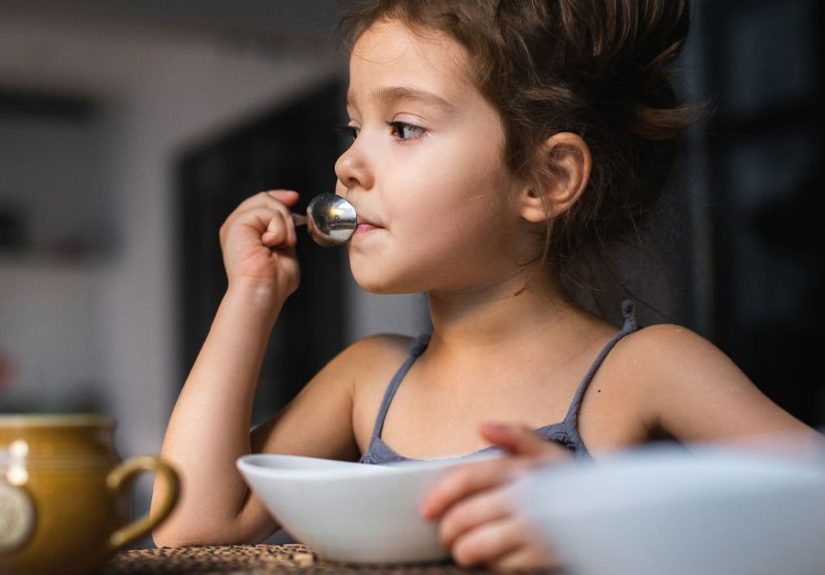
Breakfast is basically your child’s first refuel after a long overnight fast. A balanced meal in the morning gives them the
glucose their brain needs to think clearly, plus the protein and fiber that help them stay full and focused through reading time,
recess, and that math quiz they “forgot” to tell you about.
Research shows that kids who regularly eat breakfast tend to have better concentration, improved problem-solving skills,
and more stable energy during the school day. They’re also more likely to get enough vitamins, minerals, and fiber overall.
Skipping breakfast, on the other hand, is linked with grumpy moods, tiredness, and the kind of mid-morning meltdowns that
no one enjoysleast of all the teacher.
How to Build a Balanced Breakfast for Kids
Instead of overthinking every meal, you can use a simple formula when you’re planning healthy breakfasts for kids:
- Protein: eggs, Greek yogurt, cottage cheese, nut or seed butters, beans, tofu, turkey or chicken.
- Whole grains: oatmeal, whole grain toast, low-sugar cereal, whole wheat tortillas, whole grain waffles or pancakes.
- Fruits and veggies: berries, bananas, apples, pears, peaches, spinach, carrots, cucumbers, peppers (sneak them into omelets, wraps, or smoothies).
- Healthy fats: avocado, nuts, seeds, nut and seed butters, olive oil.
One more important piece of the puzzle is limiting added sugar. Many breakfast foods marketed to kidslike sugary cereals, pastries,
and flavored yogurtscan pack a surprisingly high dose of sugar. Aim to choose options that are low in added sugar and naturally
sweeten breakfast with fruit when you can.
With that in mind, let’s dig into 25 practical, tried-and-true healthy breakfast ideas for kids that balance nutrition with real-life mornings.
25 Healthy Breakfast Ideas for Kids
1. Greek Yogurt Parfait Cups
Layer plain Greek yogurt with fresh berries and a sprinkle of whole grain granola in a glass or small jar.
The yogurt brings protein, the berries add natural sweetness and antioxidants, and the granola gives crunch and whole grains.
Let kids build their own parfait “art” and watch it disappear.
2. Peanut Butter Banana Toast (or Nut-Free Swap)
Spread peanut butter (or sunflower seed butter for nut-free schools) on whole grain toast and top with banana slices.
Add a sprinkle of chia seeds if your child doesn’t mind “sprinkles that happen to be healthy.” It’s fast, filling, and easy to eat on the go.
3. Overnight Oats with Fruit
Stir rolled oats with milk or a milk alternative, a little vanilla, and chopped fruit, then refrigerate overnight.
In the morning, just stir and serve. You get whole grains, fiber, and an almost zero-effort breakfast.
Bonus: kids love choosing their own toppingsberries, apple chunks, or a few mini chocolate chips.
4. Veggie Egg Muffin Cups
Whisk eggs with a bit of milk, shredded cheese, and finely chopped veggies like spinach, peppers, or broccoli.
Pour into muffin tins and bake. These mini frittatas reheat well and are easy to eat as finger food,
which is handy for kids who like breakfast but hate forks.
5. Breakfast Burrito with Eggs and Beans
Fill a small whole wheat tortilla with scrambled eggs, black beans, a sprinkle of cheese, and mild salsa.
Roll it up and either serve immediately or wrap and refrigerate for a quick reheat tomorrow.
This combo gives protein, fiber, and flavor all in one neat little package.
6. Cottage Cheese Fruit Bowls
Scoop cottage cheese into a bowl and top with peaches, pineapple, or berries.
Drizzle a tiny bit of honey for older kids if needed and add some crushed whole grain crackers or granola for crunch.
It’s creamy, sweet, and surprisingly filling.
7. Kid-Friendly Green Smoothie
Blend a handful of spinach with frozen banana, berries, and yogurt or milk.
The fruit hides the “green” flavor, and kids will think it’s just a fun smoothie.
Give it a superhero name like “Hulk Shake” or “Dragon Fuel” for extra buy-in.
8. Mini Whole Grain Pancakes with Nut Butter
Make a batch of small whole wheat pancakes on the weekend and freeze them.
Pop a few in the toaster on busy mornings and spread with almond butter or peanut butter.
Add sliced strawberries on the side to turn this into a balanced, kid-approved meal.
9. Oatmeal with Toppings Bar
Cook oats with milk or water, then set out a “toppings bar”: diced apples, raisins, chopped nuts, cinnamon,
and a small drizzle of maple syrup. Let kids decorate their bowls. Giving them control helps them forget it’s actually healthy.
10. Whole Grain Waffles with Berry Yogurt
Toast frozen whole grain waffles (look for ones low in added sugar), then top with a mixture of Greek yogurt and mashed berries.
It’s like dessert for breakfast… without the sugar crash.
11. English Muffin Breakfast Pizza
Split a whole wheat English muffin, spread with a spoonful of tomato sauce, sprinkle on cheese, and add finely chopped veggies or turkey.
Bake until the cheese melts. It’s pizza for breakfast, and no kid is mad about that.
12. Breakfast Quesadilla
Fill a whole wheat tortilla with scrambled eggs, black beans, and shredded cheese.
Fold, cook in a pan until golden, and slice into triangles. Serve with salsa or avocado slices.
This is especially great for kids who prefer savory breakfasts.
13. Chia Pudding Cups
Stir chia seeds into milk with a few drops of vanilla and a touch of maple syrup for older kids.
After a few hours in the fridge, it turns thick and pudding-like.
Top with fruit and granola. It’s a fun way to sneak in fiber and healthy fats.
14. Veggie Scramble with Toast Soldiers
Scramble eggs with tiny bits of spinach, tomatoes, or mushrooms.
Serve with whole grain toast cut into strips (toast soldiers) for dipping.
The playful format makes veggies much less scary.
15. Bagel Half with Cream Cheese and Cucumber
Use a whole grain bagel, spread with cream cheese, and top with thin cucumber slices.
It’s cool, crunchy, and milder than smoked salmon if your child isn’t ready for “fish for breakfast” yet.
16. Deconstructed Parfait Plate
For kids who hate food “touching,” serve a scoop of yogurt, a pile of berries, and a small handful of low-sugar cereal or granola, all separate.
Same nutrients, less drama.
17. DIY Cereal Trail Mix
Mix a low-sugar whole grain cereal with a few nuts or seeds (if age-appropriate), raisins, and a few dark chocolate chips.
Serve with a glass of milk and a piece of fruit. It feels like snack mix, but you’ve secretly built a balanced breakfast.
18. Baked Oatmeal Squares
Bake oats with milk, eggs, cinnamon, and fruit like apples or berries in a pan.
Slice into squares that can be eaten warm or cold. These are perfect for kids who need to eat in the car or don’t like “mushy” oatmeal.
19. Turkey and Cheese Roll-Ups with Fruit
Roll slices of turkey and cheese together and serve with apple wedges or grapes and a few whole grain crackers.
This high-protein, low-sugar combo is great for kids who prefer a “lunchy” breakfast.
20. Breakfast Fried Rice
Use leftover brown rice, scramble in an egg, and toss with peas, corn, and diced carrots.
Season lightly with low-sodium soy sauce. It’s warm, comforting, and a creative way to use up leftovers.
21. Hummus and Veggie Pita Pockets
Spread hummus inside a mini whole wheat pita and stuff with shredded carrots, cucumbers, or thinly sliced peppers.
Add a side of fruit and you’ve got a surprisingly satisfying breakfast with plant-based protein and fiber.
22. Ricotta and Berry Toast
Spread ricotta cheese on whole grain toast and top with sliced strawberries or blueberries.
Finish with a light drizzle of honey if needed for older kids. It tastes like a fancy café toast but takes about two minutes to make.
23. Breakfast Tacos with Egg and Avocado
Fill small corn or whole wheat tortillas with scrambled eggs, avocado slices, and a sprinkle of cheese.
Add mild salsa if your child likes a little flavor adventure. Tiny tacos are fun to hold and easy to customize.
24. Protein-Packed Smoothie Bowl
Make a thick smoothie with frozen fruit, Greek yogurt, and a splash of milk.
Pour into a bowl and let kids add toppings like sliced banana, granola, and seeds.
It’s basically edible art, and your child happens to eat a lot of nutrients in the process.
25. Savory Yogurt Bowl
Stir a pinch of salt, pepper, and a drizzle of olive oil into plain yogurt, then top with chopped cucumber, cherry tomatoes, and whole grain crackers on the side.
This is a great option for kids who don’t like sweet breakfasts or who are more adventurous eaters.
Real-Life Tips and Experiences for Making Breakfast Work
Having a list of healthy breakfast ideas for kids is greatbut making them happen between “I can’t find my socks”
and “I forgot my science project” is the real challenge. Here are some experience-based tips that can make mornings smoother and more realistic.
Plan Once, Reuse Often
Instead of reinventing breakfast every single day, create a simple weekly rotation.
For example: Mondays are oatmeal, Tuesdays are eggs, Wednesdays are smoothies, Thursdays are yogurt parfaits, Fridays are “fun day” pancakes or waffles.
Kids love predictability, and you’ll spend less mental energy deciding what to make.
Within that rotation, you can still switch up flavorsapple cinnamon oatmeal one week, banana walnut the next.
Keeping the structure the same but the details flexible gives kids variety without making you feel like a short-order cook.
Prep While You’re Already in the Kitchen
The easiest way to “find time” for breakfast prep is to piggyback it onto something you’re already doing.
While dinner is simmering, throw together a batch of overnight oats, bake a tray of egg muffins, or mix a container of DIY cereal trail mix.
Future-you (the one who is chasing a child who suddenly can’t remember how to put on socks) will be extremely grateful.
Think of your fridge as your breakfast toolbox: a container of washed berries, pre-cut fruit, a dozen hard-boiled eggs,
and a tub of cut-up veggies can make mornings much easier.
Give Kids a Say (But Set the Boundaries)
Kids are more likely to eat breakfast when they’ve had a hand in choosing it.
That doesn’t mean handing them the cereal aisle and saying “Good luck.”
Instead, offer two or three parent-approved choices:
- “Do you want a smoothie or yogurt parfait this morning?”
- “Pancake bites or egg muffins?”
When kids help assemble parfaits, stir oats, or decorate smoothie bowls, they’re also building lifelong skills and a more positive relationship with food.
Yes, it might be messier at firstbut it often pays off in fewer arguments about trying new things.
Handle the “I’m Not Hungry” Kid
Some kids just aren’t hungry the second they roll out of bed, and that’s okay.
For them, you might try a smaller, lighter option right awaya smoothie, a cheese stick with fruit, or a half-size portionand then pack a more substantial snack for mid-morning.
The goal isn’t to force-feed breakfast, but to make sure they don’t go into the day totally running on empty.
Keep Sugar in Check Without Being the Fun Police
If your child is used to sugary cereals or pastries, switching to lower-sugar breakfasts can feel like a major downgrade at first.
Instead of an overnight “no more sugar” policy, try gradual swaps.
Mix a small amount of their favorite cereal with a low-sugar, whole grain version.
Add fruit for sweetness instead of syrup. Use flavored yogurt as a “topper” on plain yogurt rather than the entire bowl.
Over time, kids’ taste buds adjust. Breakfast still feels fun, but it won’t send their blood sugarand moodon a roller coaster.
Embrace Imperfect but Consistent
Not every breakfast is going to look like a magazine spread, and that’s completely fine.
Some days you’ll serve perfectly balanced smoothie bowls; other days it might just be whole grain toast with peanut butter and a banana on the side.
What matters most is the overall pattern: offering breakfast regularly, building in protein and fiber, and keeping sugar in check most of the time.
Remember, you’re not just feeding your child for this one morningyou’re also shaping their habits and preferences for years to come.
A kid who grows up believing that breakfast is normal, enjoyable, and usually includes fruit and whole grains is already miles ahead.
Conclusion: Simple Breakfasts, Big Benefits
Healthy breakfast ideas for kids don’t have to be complicated, expensive, or time-consuming.
With a simple formulaprotein, whole grains, fruits or veggies, and healthy fatsyou can build dozens of easy morning meals that keep your kids powered up for school, play, and everything in between.
Use these 25 ideas as a starting point, then mix and match based on what your family likes.
Prep what you can ahead of time, give kids a voice in choosing their favorites, and focus on consistency over perfection.
Your mornings may still be a little chaotic (because kids), but at least you’ll know they’re heading out the door with real fuel in their tanks.





 Close
Close