
Table of Contents >> Show >> Hide
- What Is Pus, Anyway? (And Why Is My Body Making It?)
- 3 Easy Ways to Remove Pus from a Wound (Safely)
- What NOT to Do (A Short List of Regrets)
- When to See a Doctor (Because Sometimes “Easy” Isn’t Enough)
- How to Prevent Pus and Infection in the First Place
- FAQ: Quick Answers for Worried Humans
- Real-World Experiences (): What People Commonly Learn the Hard Way
- Conclusion: The Clean Wrap-Up
Quick safety note: Pus is usually a sign of infection. This article is for minor, superficial skin wounds and small, uncomplicated “pimple-like” infections. If you have a deep wound, a bite, a puncture, a wound on your face/near your eye, diabetes/immunosuppression, severe pain, fever, spreading redness, red streaks, or you simply feel unwellskip the home hacks and get medical care ASAP. Also: please don’t “DIY-lance” anything. This is not an episode of a medical drama, and you don’t want to be the cliffhanger.
Now, with the responsible stuff out of the way: let’s talk about the goo. If you’re searching “how to remove pus from a wound,” you’re probably staring at a cut, scrape, boil, or small abscess that’s oozing yellow/white/green drainage and thinking, “Cool cool cool… what do I do with this?”
The goal at home isn’t to squeeze pus out like you’re wringing out a sponge. The safer goal is to help the pus drain naturally, keep the area clean, absorb drainage, and know when it’s time to tag in a professional. Here are three easy, practical ways to do that.
What Is Pus, Anyway? (And Why Is My Body Making It?)
Pusalso called purulent drainageis thick fluid made up of immune cells, bacteria, and damaged tissue. Think of it as your body’s “cleanup crew” showing up with brooms… and leaving the trash bags on your porch. A little clear fluid can be normal during healing, but thick, milky, yellow/green drainage is a classic infection signal.
Translation: your wound needs extra TLC. Sometimes that means basic wound care. Sometimes it means antibiotics or professional drainage. Either way, the answer is not “pop it until it behaves.”
3 Easy Ways to Remove Pus from a Wound (Safely)
1) Use a Warm Compress to Encourage Gentle Drainage
If pus is trapped under skin (like a small boil or minor skin abscess), moist heat is often the most helpful at-home move. Warmth increases circulation, softens tissue, and can encourage the pocket to open and drain on its ownwithout you forcing anything.
How to do it:
- Wash your hands like you’re about to handle a newborn kitten. (Clean hands matter.)
- Soak a clean washcloth in warm (not scalding) water and wring it out.
- Hold the compress on the area for 10–15 minutes.
- Repeat 3–4 times per day.
What you’re looking for: The area may soften, become less painful, and start to drain. If it drains, don’t celebrate by squeezing. Instead, let it drain, gently wipe away fluid with clean gauze/tissue, and move on to cleaning and covering (steps #2 and #3).
Example: You nicked yourself shaving and two days later you’ve got a tender bump with a white/yellow head. A warm compress 3–4 times daily can help it release drainage gradually. If it’s getting bigger, angrier, or more painful, or you develop fevertime for medical help.
Humor, but serious: If your plan involves a needle, a blade, or “I saw this on the internet,” please close that tab and keep reading.
2) Clean the Wound Gently: Rinse, Don’t Rage
Once pus is present, the priority is lowering the bacterial load and preventing the drainage from irritating surrounding skin. The best approach is usually boring (which is good in medicine): gentle cleansing and rinsing.
How to clean a minor infected wound at home:
- Rinse with clean running water or sterile saline to flush away drainage and debris.
- Wash the skin around the wound with mild soap. (Try not to get soap deep into the wound.)
- Pat dry with clean gauze or a clean toweldon’t scrub.
- If there’s obvious dirt/debris you can’t remove easily, that’s a “get checked” sign.
Avoid common overkill: Repeated hydrogen peroxide or strong iodine can irritate tissue and may slow healing for many everyday wounds. Your wound doesn’t need to be “punished.” It needs a calm, clean environment.
Example: A scraped knee starts oozing yellow fluid after you’ve been “letting it air out” all day. Rinse it, gently clean the surrounding skin, and cover it. (Wounds don’t heal better because they’re exposed to every microbe in your zip code.)
3) Cover It with the Right Dressing: Absorb + Protect
Pus needs a place to go that isn’t your sock, your sheets, or the inside of your jeans. A clean dressing helps absorb drainage, protects the wound, and reduces the chance of spreading germs.
Simple dressing routine:
- After cleaning, apply a thin layer of petroleum jelly to keep the wound surface from drying and cracking. (Some people use a small amount of OTC antibiotic ointmentjust stop if irritation/rash occurs.)
- Cover with a sterile gauze pad or a clean bandage.
- Change the dressing at least daily, or sooner if it becomes wet/dirty.
- Wash hands before and after every change.
Pro tip: If the surrounding skin is getting irritated from drainage, you can protect the nearby area with a small amount of petroleum jelly as a barrierlike a raincoat for your skin.
Laundry rule: Towels, washcloths, and bedding that touch drainage should be washed. Sharing towels is a romance novel move, not a wound-care move.
What NOT to Do (A Short List of Regrets)
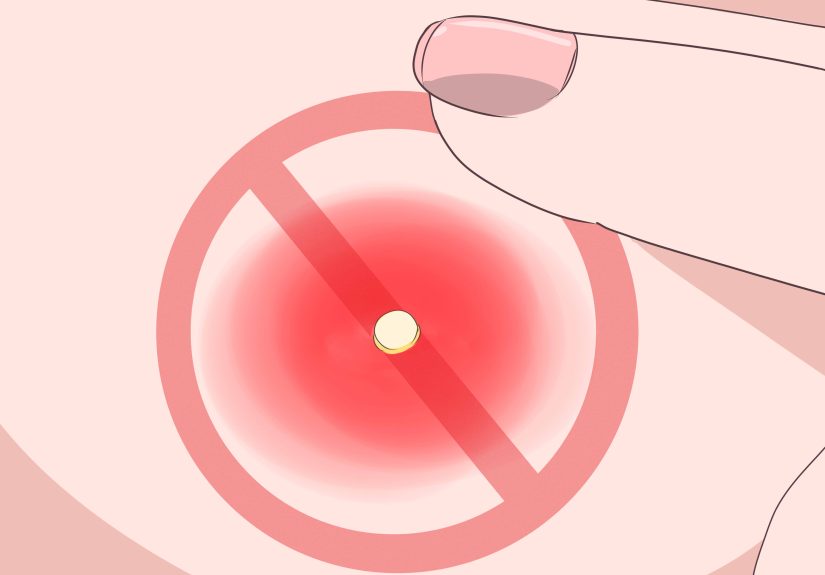
- Don’t squeeze, pop, or “milk” the pus out. This can push infection deeper and worsen inflammation.
- Don’t cut it open at home. Home lancing increases risk of spreading infection and scarring.
- Don’t apply harsh chemicals in repeated cycles (straight alcohol, repeated peroxide, random essential oils, etc.).
- Don’t seal in a dirty wound with a bandage you never change. Bandages aren’t “set it and forget it.”
- Don’t ignore worsening symptoms because “it’ll probably be fine.” Infections love optimism.
When to See a Doctor (Because Sometimes “Easy” Isn’t Enough)
Home care is for small, superficial issues. Get medical attention if you notice any of the following:
- Fever or chills, or you feel generally sick.
- Spreading redness, warmth, swelling, or worsening pain.
- Red streaks moving away from the wound.
- Foul odor or lots of thick pus that keeps coming back.
- A wound that is deep, a puncture, a bite, or contains a foreign object.
- An area that’s large, rapidly enlarging, or located on the face/near the eye, hands, genitals, or near a joint.
- You have diabetes, poor circulation, or a weakened immune system.
- No improvement after 24–48 hours of warm compresses + proper cleaning, or it worsens at any point.
Clinicians can determine if you need prescription antibiotics, professional drainage, or evaluation for complications. In other words: sometimes the best way to “remove pus” is to let a pro do it with sterile technique and proper follow-up.
How to Prevent Pus and Infection in the First Place
You can’t control every germ on Earth (even if you’d like to). But you can stack the odds in your favor:
- Clean cuts early with running water, remove visible debris if you can safely do so, and cover them.
- Change dressings regularlyespecially if dirty or wet.
- Don’t pick scabs or reopen wounds with “just one scratch.” (It’s never just one.)
- Wash hands before wound care, after wound care, and after you’ve “just checked it one more time.”
- Keep your tetanus vaccine up to date, especially for puncture wounds and dirty injuries.
FAQ: Quick Answers for Worried Humans
Is pus always a sign of infection?
Most of the time, yesespecially if it’s thick, yellow/green/white, or foul-smelling. Clear fluid can be part of normal healing, but thick “milky” drainage is a red flag.
Can I “remove pus” with a cotton swab?
You can gently wipe away drainage that has already come out, but don’t probe into the wound, don’t push on it, and don’t try to extract pus from a pocket under the skin.
What color pus is bad?
Any thick pus suggests infection. Yellow/green/white is common with infected wounds. If you see dark discoloration of skin, rapidly spreading redness, or you feel very ill, seek urgent care.
Should I leave it uncovered to “let it breathe”?
For many minor wounds, a clean, appropriately changed dressing helps protect healing tissue and reduces contamination. “Breathing” is great for lungs; wounds generally heal best in a clean, protected environment.
Will warm compresses fix everything?
No. They can help small boils or minor abscesses drain, but larger/deeper infections often need medical treatment. If it’s worsening or not improving quickly, get evaluated.
Real-World Experiences (): What People Commonly Learn the Hard Way
Let’s be honest: most of us don’t wake up thinking, “Today I will calmly manage purulent drainage.” It usually starts with denial, followed by suspicious googling, followed by a dramatic monologue delivered to your bathroom mirror. Here are a few common “been there” moments people shareplus what tends to work best.
Experience #1: The ‘It’s Just a Pimple’ Plot Twist. Someone gets a small bump near a shaving nick and assumes it’s acne. They poke it (because fingers are free) and suddenly it’s redder, sorer, and now there’s pus. The lesson: fingers are not sterile tools, and squeezing often makes swelling worse. The better move most people report? Warm compresses a few times a day, keeping it clean, and covering it so it doesn’t rub on clothing. If it grows or becomes intensely painful, they’re usually relieved they went to urgent carebecause quick treatment can prevent a bigger infection.
Experience #2: The Scraped Knee That Turned Into a Science Project. A kid (or an adult who is spiritually still a kid) wipes off a knee scrape and “lets it air out.” Two days later: crusty edges, sticky yellow drainage, and a bandage that looks like it lost a fight. People often find that rinsing under running water, gently washing around it, applying a thin layer of petroleum jelly, and using a fresh dressing daily makes things look dramatically better. The big takeaway? Consistency wins. One heroic cleaning doesn’t beat daily, calm wound care.
Experience #3: The DIY ‘Pop’ That Backfired. Many people admit they tried to pop a boil once. Many people also admit they regret it. The common outcome is more swelling, more tenderness, and sometimes spreading redness. That’s when the phrase “I should have left it alone” enters the chat. The safer pattern they describe after learning the hard way: stop manipulating it, switch to warm compresses, keep it covered, and watch for systemic symptoms like fever. If it doesn’t improve quickly, they seek careand often find out it needed professional drainage or antibiotics.
Experience #4: The ‘I Have Diabetes, So I Don’t Play Around’ Perspective. People with diabetes or circulation problems often share a more cautious approach. They’ll clean, cover, and monitor early, and they call a clinician sooner if they see pus, increased warmth, or expanding redness. The reason is simple: infections can escalate faster and healing can be slower. Their advice tends to be the most practical: “Don’t wait to see if it gets scarytreat it like it matters right away.”
Experience #5: The Relief of a Simple Plan. The most reassuring theme is that a straightforward routine reduces anxiety: warm compress, gentle rinse, clean dressing, repeat. People often say they felt better once they stopped “checking it every 12 minutes” and started following a schedulebecause healing is a process, not a live scoreboard.
Bottom line from the collective human experience: don’t squeeze, don’t improvise surgery, and don’t ignore signs that the infection is spreading. Simple, clean, consistent care helps minor issueswhile early medical help prevents big problems.
Conclusion: The Clean Wrap-Up
If you’re dealing with pus in a wound, the safest “easy” strategy is to help it drain gently and keep the area cleannot to force it out. Use a warm compress to encourage drainage, rinse and clean without irritating the tissue, and cover with a fresh dressing to absorb pus and protect healing skin.
And remember: pus is your body waving a little caution flag. If that flag turns into a paradespreading redness, fever, severe pain, red streaks, worsening swellingget medical care. Better a quick visit now than a bigger problem later.






 Close
Close