
Table of Contents >> Show >> Hide
- Why Bettas Can Struggle in Community Tanks
- Way #1: Add the Betta Last to an Established, Peaceful Community Tank
- Way #2: Start with Low-Conflict Tank Mates and Build the Community Around the Betta
- Way #3: Use a Controlled Introduction with Quarantine, Rearranged Decor, and a Backup Plan
- Common Mistakes to Avoid
- Quick Compatibility Cheat Sheet
- Experience-Based Advice: What Hobbyists Learn After the First Betta Experiment
- Final Thoughts
Adding a betta to a community tank can be a little like inviting a tiny royal into a shared apartment. Sometimes the new roommate is charming, photogenic, and perfectly polite. Other times, he flares at the neighbors, claims the best corner, and behaves like the driftwood was deeded to him personally. That does not mean a community setup cannot work. It just means you need a plan.
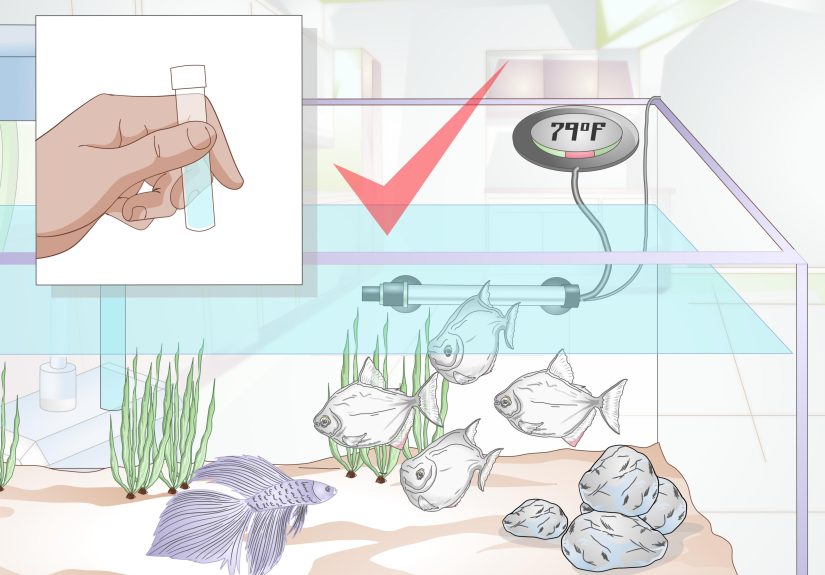
A betta community tank succeeds when you build around the fish’s temperament instead of your wish list. Bettas are territorial, especially males, and they do best with peaceful tank mates, warm clean water, low-to-moderate flow, and lots of visual barriers. In plain English: give your betta room, plants, and neighbors that do not look like rivals or act like hooligans.
Below are three smart, realistic ways to add a betta to a community tank without turning your aquarium into a reality show reunion special. You will also find compatibility tips, common mistakes, real-world examples, and an extra section packed with experience-based advice to help you avoid beginner heartbreak.
Why Bettas Can Struggle in Community Tanks
Before we get into the three methods, it helps to understand the problem. Bettas are not naturally “bad” community fish. They are simply very opinionated. Many males dislike fish that have long, flowing fins, flashy colors, or pushy personalities. They also dislike cramped quarters, bare tanks, strong current, and roommates that zoom around like they have had six espressos before breakfast.
That is why the best community tanks for bettas are usually planted, peaceful, and thoughtfully stocked. A larger tank also helps because space breaks up lines of sight and reduces the feeling that every passing fish is trespassing on private property.
Way #1: Add the Betta Last to an Established, Peaceful Community Tank
If you want the highest chance of success, this is usually the safest route. Instead of building the tank around the betta first, you create a stable community aquarium with calm, compatible species and then introduce the betta after the tank is mature and the layout is already working.
Why this method works
When a betta enters an already balanced environment, the tank does not feel like a personal kingdom he has to defend from scratch. The other fish are already settled, the biological filter is established, and you can judge the tank’s personality before adding your star fish. In other words, you are not tossing a territorial fish into chaos and hoping for the best. You are placing him into a neighborhood with rules.
How to set it up
Start with a fully cycled aquarium, ideally at least 10 gallons, though 15 to 20 gallons or more gives you more flexibility and a bigger margin for error. Add plants, wood, caves, and other visual breaks so the tank has “rooms” instead of one wide-open swimming arena. Bettas appreciate warm water, gentle flow, and easy access to the surface, so avoid turning the aquarium into a freshwater wind tunnel.
Then stock the tank with peaceful species that do not nip fins and do not resemble another betta. Good candidates often include corydoras catfish, rasboras, ember tetras, kuhli loaches, and certain snails. Keep schooling fish in proper groups instead of buying random singletons. A school behaves more naturally, spreads attention, and is less likely to become nervous and nippy.
Best examples for this approach
A 20-gallon planted tank with a small school of harlequin rasboras, six corydoras, and a nerite or mystery snail can be an excellent foundation. Once the community is stable, a calm male betta can be added as the final fish. Another solid option is a 15-gallon tank with ember tetras and a few bottom dwellers, provided the fish are peaceful and the aquascape offers plenty of cover.
The real secret here is not just species choice. It is tank design. Dense plants, floating cover, shaded areas, and gentle filtration help reduce stress for everyone. A betta that can duck behind leaves, rest near the surface, and avoid constant visual contact with tank mates is much more likely to behave like a gentleman.
Way #2: Start with Low-Conflict Tank Mates and Build the Community Around the Betta
This method works well if your betta is the fish you already have and love, and the “community tank” idea came later. Maybe you looked at your betta’s solo setup and thought, “This is nice, but could it use a cleanup crew and a few peaceful background characters?” Yes, maybe. But keyword: peaceful.
Why this method works
Instead of trying to turn your betta into a social butterfly overnight, you begin with the least threatening companions first. Bottom dwellers and invertebrates often work better than flashy midwater fish because they occupy different zones and do not trigger the same territorial response. It is the aquarium version of giving your introverted friend one chill hangout instead of throwing them into a crowded party.
Who usually works best
Good starting choices often include corydoras, kuhli loaches, snails, and in some cases shrimp if your betta is unusually calm. Keep in mind that shrimp can be expensive snacks in the eyes of the wrong betta, so this is not a guaranteed friendship. Some bettas ignore shrimp completely. Others behave like tiny underwater hawks. Personality matters a lot.
Once low-conflict companions are working, you can consider peaceful schooling fish such as rasboras or ember tetras in a larger tank. The key is to avoid fin nippers, aggressive species, and fish that look too much like the betta. Fancy guppies, for example, may be beautiful, but to a territorial betta they can look like a rival wearing sequins and bad decisions.
How to do it right
Upgrade the tank before adding tank mates if necessary. A solo betta may be fine in a smaller setup, but a community tank needs more swimming room, more filtration stability, and more hiding spots. Add live plants if possible. They soften sight lines, provide rest areas, and make the tank look lush rather than staged like a furniture showroom with one plastic castle and a dream.
Introduce the least provocative tank mates first and observe closely. Feed everyone well, but do not overfeed. Overfeeding fouls the water and increases stress, which makes behavior worse. Keep maintenance consistent, test water parameters regularly, and remember that clean, stable water is not optional. It is the foundation of every peaceful community tank.
Way #3: Use a Controlled Introduction with Quarantine, Rearranged Decor, and a Backup Plan
This is the method for aquarists who want to be cautious instead of dramatic. It is not the flashiest approach, but it is one of the smartest. A controlled introduction means you do the prep work first, then add the betta in stages while keeping a close eye on the outcome.
Step 1: Quarantine first
Never skip quarantine just because the fish looked healthy at the store and gave you what seemed like a confident little stare. New fish can carry disease even when they appear fine. A quarantine tank lets you observe health, reduce the risk of spreading illness, and make sure your new betta is eating and behaving normally before it joins the main display.
Step 2: Rearrange the decor
Before adding the betta to the community tank, move hardscape and plants around. This simple trick breaks up established territories and makes the tank feel “new” to everyone. It can reduce aggression because no fish gets to claim the exact same favorite corner it had yesterday. Think of it as changing the seating chart before the first day of school.
Step 3: Acclimate slowly and release calmly
Acclimate the betta patiently, dim the lights, and avoid pouring store water into the tank. Let the fish settle in without an audience, loud tapping, or a family meeting at the aquarium glass. A calm environment during introduction matters more than many beginners realize.
Step 4: Observe like it is your part-time job
The first hour matters. The first day matters. The first two weeks matter a lot. Watch for relentless chasing, torn fins, cornering, refusal to eat, or a betta that looks constantly stressed and on patrol. Some curiosity is normal. A short chase can happen. A nonstop campaign of harassment is not normal and not something to “wait out” for three weeks while hoping everyone discovers the power of friendship.
Step 5: Always have Plan B
This part is non-negotiable. Keep a spare tank, divider, or rehoming option ready before the introduction. Not every betta can live in a community tank, even in ideal conditions. Some are peaceful. Some are spicy. Some wake up and choose chaos. Failing to prepare a backup setup is one of the biggest mistakes aquarists make.
Common Mistakes to Avoid
Choosing tank mates by color instead of behavior
A fish can be cute, trendy, and absolutely wrong for a betta setup. Compatibility is about temperament, fin shape, activity level, and shared water needs, not vibes.
Using a tank that is too small
Small tanks leave no room for personal space, and bettas are fans of personal space. In cramped quarters, every passing fish feels like a challenge.
Skipping plants and cover
A bare tank increases stress and makes aggression more likely. Plants are not just décor. They are part of the peace treaty.
Ignoring flow rate
Bettas are not built for raging current. If the filter output is too strong, your fish may tire quickly and become stressed. Gentle, adjustable flow is better.
Forcing it after clear signs of failure
If the betta is attacking tank mates or being shredded by fin nippers, the experiment is over. Do not confuse stubbornness with fishkeeping skill.
Quick Compatibility Cheat Sheet
Often good choices: corydoras, kuhli loaches, harlequin rasboras, ember tetras, certain snails, and in some tanks peaceful shrimp.
Use caution: neon tetras, platies, and other active community fish that may work in some setups but not all.
Usually poor choices: other male bettas, aggressive fish, fin nippers, flashy long-finned fish, and anything that turns your calm tank into a daily sword fight.
Experience-Based Advice: What Hobbyists Learn After the First Betta Experiment
One of the most common experiences aquarists have with betta community tanks is realizing that the setup lives or dies by personality, not just species charts. Two people can copy the same stock list, the same tank size, even the same driftwood layout, and still get different results because one betta is mellow and the other acts like a tiny dragon in formalwear.
A lot of hobbyists also learn that the prettiest betta is not always the best community candidate. Long-finned males can be stunning, but they can also be slower, more easily stressed by current, and more vulnerable to curious nippers. Sometimes a plakat betta, with shorter fins and stronger swimming ability, adapts better in a community setup. That does not mean every plakat is peaceful. It just means appearance is only part of the story.
Another common lesson is that plants do more than make the tank look expensive. People often notice a dramatic difference in behavior once floating plants, stem plants, and wood are added. A nervous betta may stop glass surfing. A territorial betta may patrol less. Tank mates that once looked jumpy can settle down because they finally have cover. In many tanks, the “miracle cure” was not a new fish or a fancy gadget. It was simply adding enough structure to break sight lines.
Feeding time teaches its own lessons too. In mixed tanks, the fastest fish often grab food first, while the betta hovers near the top looking personally offended. Experienced keepers learn to target-feed. A few floating pellets for the betta, a sinking wafer for bottom dwellers, and maybe a second feeding spot can prevent a lot of food-related drama. A hungry betta is more irritable, and a stressed community quickly becomes a messy one.
Many aquarists also discover that a “successful introduction” on day one does not guarantee long-term peace. The first week may look perfect, then trouble starts once territories form or the betta gains confidence. That is why experienced keepers keep observing after the exciting part is over. They do not assume silence means harmony. They watch for subtle signs like one fish hiding too much, fins becoming ragged, or the betta constantly shadowing the same tank mate.
Then there is the shrimp lesson, which can be summed up like this: your betta may consider shrimp to be roommates, décor, or lunch. Sometimes all three in the same afternoon. Beginners often hope shrimp will double as cleanup crew and cute companions. Sometimes that works beautifully in a planted tank with lots of moss and cover. Other times the shrimp population becomes a brief historical event. This is not failure. It is just one of those fishkeeping moments that teaches you to respect instinct.
Perhaps the biggest experience-based takeaway is that success usually comes from patience, not bravery. The best betta community tanks are rarely rushed. They are cycled properly, stocked slowly, observed carefully, and adjusted when needed. Aquarists who do well tend to accept that the fish get the final vote. If the betta wants a solo setup, that is not a loss. It is good husbandry.
Final Thoughts
If you want to add a betta to a community tank, the three best approaches are simple: add the betta last to a stable planted setup, build around low-conflict tank mates, or use a controlled introduction with quarantine and a backup plan. All three methods work best when the tank is roomy, warm, gently filtered, heavily planted, and stocked with peaceful species that do not nip fins or look like rivals.
The biggest truth is this: community living is a privilege, not a requirement, for bettas. Some thrive in the right group. Some absolutely do not. Your job is not to force the idea. Your job is to read the fish, protect its health, and set the tank up so success is possible from the start. When that happens, a betta community tank can be peaceful, colorful, and surprisingly elegant. When it does not, at least you will know the betta was not being difficult. He was simply staying on brand.






 Close
Close