
Table of Contents >> Show >> Hide
- Way 1: Build a Platy-Friendly Aquarium Before Breeding Begins
- Way 2: Breed Platies Responsibly Without Overcrowding the Tank
- Way 3: Care for Adult Platies and Fry for Long-Term Health
- Practical Example: A Simple Platy Breeding Setup
- Common Mistakes to Avoid
- Real-World Experiences: What Platy Keepers Learn Over Time
- Conclusion
Platies are the kind of aquarium fish that make beginners feel like experts and experts feel like collectors. They are colorful, peaceful, active, and famously willing to reproduce with the enthusiasm of a reality-TV dating show. Give a healthy group of platy fish clean water, good food, and a few hiding places, and sooner or later you may look into the tank and see tiny fry hovering near the plants like living commas.
But easy does not mean effortless. Platies are hardy freshwater livebearers, which means they give birth to live young instead of laying eggs. That makes breeding exciting, but it also creates a few responsibilities: stable water, proper tank space, safe fry cover, balanced feeding, and a plan for the babies. Without a plan, “I bought three cute fish” can quickly become “Why is my aquarium now a preschool?”
This guide breaks the process into three practical ways to breed and care for platies: setting up the right habitat, encouraging responsible breeding, and raising healthy adults and fry. Whether you want a colorful community tank or a small breeding project, these steps will help your platies thrive without turning your living room into a fish maternity ward.
Way 1: Build a Platy-Friendly Aquarium Before Breeding Begins
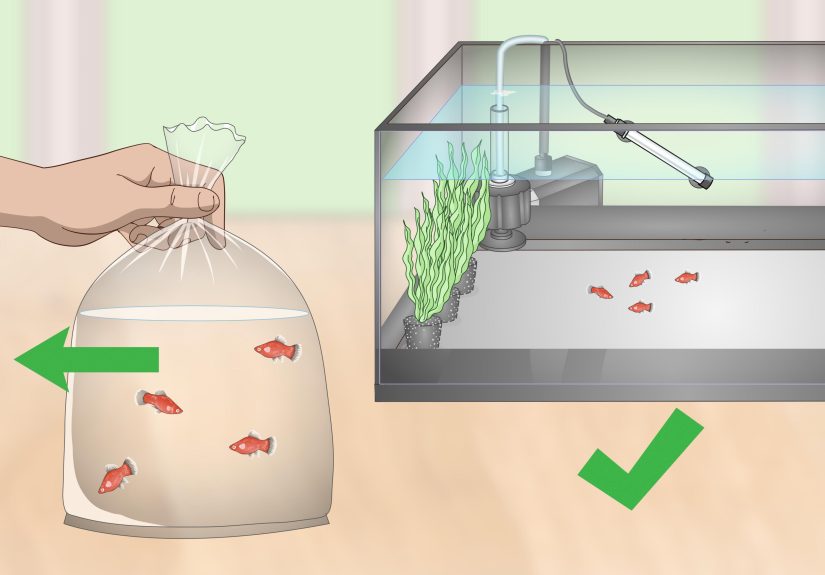
The best way to breed platies successfully is not to start with breeding at all. Start with the tank. Platies are forgiving fish, but they still need a stable aquarium with clean, filtered water. A 10-gallon tank can work for a small group, but a 20-gallon tank or larger is much better if you plan to breed them. More water volume gives fish more swimming space, keeps water chemistry steadier, and gives fry more places to hide.
Choose the Right Tank Size
For a simple display tank, a small group of platies can live comfortably in a 10- to 20-gallon aquarium. For breeding, aim larger whenever possible. Platies do not politely stop reproducing because your tank is full. If males and females are together, fry are likely. A 20-gallon long tank is especially useful because it offers more horizontal swimming space and room for plants, decorations, and nursery areas.
Avoid tiny bowls or unfiltered containers. Platies are active fish, and breeding females need low-stress conditions. Poor filtration, crowding, and unstable temperature can lead to disease, poor fry survival, and stressed adults. In aquarium terms, “small and cute” often means “harder to maintain.”
Keep Water Conditions Stable
Platies generally do well in warm freshwater with a temperature around 70°F to 82°F, with many aquarists keeping them near the mid-70s. Use an aquarium heater if your room temperature changes often. Sudden temperature swings are more stressful than a steady number slightly outside the perfect range.
They usually prefer neutral to slightly alkaline water, often around pH 7.0 to 8.3, and they appreciate moderately hard water. If your tap water is very soft, your platies may not look their best or breed as strongly. In that case, crushed coral, mineral additives, or harder source water may help, but make changes gradually. Fish do not enjoy surprise chemistry class.
For water quality, the most important numbers are simple: ammonia should be 0 ppm, nitrite should be 0 ppm, and nitrate should be kept low through routine water changes. Test your water weekly, especially in a new tank or a breeding setup. Fry are small, but they produce waste, and leftover food can foul water quickly.
Use Gentle Filtration and Good Aeration
A filter is essential, but fry-safe filtration matters. Sponge filters are excellent for breeding tanks because they provide biological filtration, improve oxygen levels, and do not suck up newborn fish. In a community tank, a hang-on-back filter can work, but cover the intake with a sponge pre-filter if fry are present.
Platies enjoy active, oxygen-rich water, but they do not need a river blasting through the tank. Moderate flow is ideal. If the fish are constantly fighting the current like tiny gym members on treadmills, reduce the flow or redirect it.
Add Plants, Cover, and Open Swimming Space
Live plants are one of the best tools for breeding and caring for platies. Java moss, guppy grass, water sprite, hornwort, floating plants, and dense stem plants give fry places to hide from hungry adults. Plants also help absorb waste, soften bright light, and make the aquarium feel safer.
Leave open swimming areas too. Adult platies are active and social. A balanced layout includes plants along the back and sides, floating cover near the surface, and open space in the center. Add smooth rocks, driftwood, or aquarium-safe decorations if you like, but avoid sharp edges that can tear fins.
Way 2: Breed Platies Responsibly Without Overcrowding the Tank
Breeding platies is not difficult. In fact, the real challenge is often slowing them down. Platies are livebearers, and females can give birth to batches of fry every four to six weeks under good conditions. A single female may also store sperm and produce several broods after mating, so do not be shocked if a “female-only” fish from the store suddenly becomes a mother. Aquarium mysteries are usually biology wearing a fake mustache.
Pick Healthy Breeding Fish
Start with active, well-shaped fish that have clear eyes, full bodies, smooth scales, and undamaged fins. Avoid fish that clamp their fins, hide constantly, breathe heavily, scrape against objects, or show white spots, fuzzy patches, bloating, or stringy waste. Healthy parents are more likely to produce strong fry.
If possible, quarantine new fish for two to four weeks before adding them to your main aquarium. This helps prevent parasites or infections from entering your established tank. Quarantine may feel boring, but it is much less boring than treating an entire aquarium after one new fish brings home unwanted microscopic roommates.
Understand Male and Female Platies
Sexing platies is usually straightforward once they mature. Female platies tend to be larger and rounder, with a fan-shaped anal fin. Male platies have a modified anal fin called a gonopodium, which looks narrow and pointed. Males may also be slightly smaller and more intensely colored, although color depends heavily on variety.
For breeding, a common ratio is one male to two or three females. This reduces pressure on each female because male platies can be persistent. One male with one female may lead to constant chasing, stress, and hiding. A small group such as one male and three females is often calmer and more productive.
Prepare a Breeding or Nursery Setup
You have three main options for raising fry. The first is a heavily planted community tank, where some fry survive by hiding. This is the simplest approach and works well if you do not need to save every baby. The second option is a separate nursery tank, usually 5 to 10 gallons, with a sponge filter, heater, plants, and bare or easy-to-clean bottom. The third option is a breeder box or trap, but use it carefully because small traps can stress pregnant females.
A separate nursery tank is the best choice if you want higher survival rates. Move the pregnant female shortly before birth, then remove her after she finishes giving birth. Adult platies may eat fry, and even a tired new mother may decide her children look suspiciously like snacks. A nursery tank lets the fry grow without becoming lunch.
Recognize Signs of Pregnancy
A pregnant platy often develops a fuller, boxier belly. Near birth, the belly may look squared off from the side, and a darker gravid spot may appear near the rear of the abdomen. The female may hide more, become less interested in social activity, or look restless. However, platies can also look round from overeating, so do not diagnose every plump fish as pregnant. Sometimes a fish just found the buffet.
Gestation usually lasts around a month, though temperature and conditions can influence timing. Warmer water may speed development slightly, while cooler conditions may slow it. Do not raise the temperature suddenly to force birth. Stable, clean water is safer than rushing nature with a heater dial.
Plan for Population Control
Before breeding platies, decide what you will do with the fry. A healthy female can produce dozens of babies at a time. If every fry survives, your tank can become overcrowded fast, and overcrowding leads to stress, disease, poor growth, and water-quality problems.
Responsible options include keeping only one sex, using a community tank where only a few fry survive naturally, giving juveniles to experienced aquarists, trading with local fish stores, or setting up additional tanks. Never release aquarium fish into local waterways. Even small pet fish can harm native ecosystems if they survive.
Way 3: Care for Adult Platies and Fry for Long-Term Health
Once your platies are breeding, care becomes a routine of feeding, cleaning, observing, and making small adjustments. The good news is that platies are not fussy. The better news is that a consistent routine beats complicated tricks every time.
Feed Adults a Balanced Diet
Platies are omnivores. In the aquarium, they do well on high-quality flakes or micro pellets, but variety improves color, energy, and breeding condition. Offer foods that include both protein and vegetable matter. Spirulina flakes, algae-based foods, blanched zucchini, shelled peas, spinach, daphnia, brine shrimp, and bloodworms can all be part of the menu.
Feed adults once or twice daily in small portions they can finish quickly. Overfeeding is one of the easiest ways to damage water quality. If food sinks uneaten, or if your platies constantly trail long strings of waste, reduce the amount. Fish are professional beggars. They will act starving five minutes after dinner and look personally betrayed if you ignore them.
Feed Fry Small Meals Often
Platy fry are born free-swimming and are larger than many egg-layer fry, which makes them easier to feed. They can eat finely crushed flakes, powdered fry food, micro pellets, infusoria-rich plant growth, and newly hatched baby brine shrimp. Baby brine shrimp are especially useful for fast growth, but finely powdered prepared food can work well too.
Feed fry two to four tiny meals per day. The key word is tiny. Fry need frequent food, but uneaten food spoils water quickly. In a nursery tank, use a turkey baster or airline tubing to remove debris from the bottom. Small, careful water changes help fry grow faster and stay healthier.
Maintain Water Quality With Routine Care
For adult platy tanks, change about 10% to 25% of the water weekly or every other week, depending on stocking level and nitrate readings. In fry tanks, smaller but more frequent water changes are often better because fry are sensitive to polluted water. Always use dechlorinated water close to the tank’s temperature.
Do not tear down the entire aquarium during cleaning. Beneficial bacteria live in the filter media, substrate, and surfaces. These bacteria process fish waste and keep the tank safe. Rinse filter media gently in old tank water, not untreated tap water, and avoid replacing all media at once unless absolutely necessary.
Choose Peaceful Tank Mates
Platies are peaceful community fish and usually do well with other calm species that enjoy similar water conditions. Good companions may include guppies, mollies, swordtails, corydoras catfish, small peaceful tetras, danios, and certain rasboras. Always check adult size and temperament before mixing fish.
Avoid large predatory fish, aggressive cichlids, or fin nippers that may harass platies. Also remember that some tank mates will eat fry. That is not always bad if you want natural population control, but it is not ideal if your goal is to raise every baby.
Watch for Common Health Problems
Healthy platies are active, curious, and eager to eat. Warning signs include clamped fins, rapid breathing, white spots, fuzzy growths, red streaks, bloating, pinecone-like scales, ragged fins, flashing against objects, or sitting at the bottom. Many problems begin with stress, poor water quality, sudden temperature swings, or overcrowding.
If a fish looks sick, test the water first. Ammonia or nitrite above zero can cause serious problems quickly. Improve water quality, remove uneaten food, and isolate sick fish when needed. Medication can help in some cases, but clean water is the first treatment in more situations than beginners realize.
Practical Example: A Simple Platy Breeding Setup
Here is a beginner-friendly setup that works well for many keepers: a 20-gallon planted aquarium with one male platy and three females, a heater set around 76°F, a sponge filter or protected filter intake, pH near neutral to slightly alkaline, and plenty of fine-leaved plants. Feed adults a varied diet once or twice daily, test water weekly, and change 20% of the water when nitrates rise or the tank looks messy.
When a female looks close to giving birth, either let her remain in the planted tank and allow natural survival, or move her to a separate 10-gallon nursery tank with a sponge filter and floating plants. After birth, remove the mother and feed the fry powdered food or baby brine shrimp several times per day. Once juveniles are large enough not to fit into adult mouths, they can move to a grow-out tank or selected homes.
Common Mistakes to Avoid
Keeping Too Many Males
Too many males can lead to chasing and stressed females. Keep more females than males, or consider an all-male display tank if you do not want fry.
Saving Every Fry Without a Plan
It is tempting to rescue every baby, but dozens of juveniles need space, food, and clean water. Plan ahead before the first brood arrives.
Using an Uncycled Tank
New tanks without established beneficial bacteria can suffer ammonia spikes. Cycle the aquarium before adding fish, or use seeded filter media from a healthy tank.
Overfeeding Fry
Fry need frequent meals, but excess food rots quickly. Feed tiny amounts and clean the bottom often.
Ignoring Water Hardness
Platies usually prefer mineral-rich water. If your water is extremely soft, they may struggle over time. Test hardness and adjust slowly if needed.
Real-World Experiences: What Platy Keepers Learn Over Time
One of the first experiences many platy keepers have is the “surprise fry morning.” Everything looks normal at night, and by breakfast there are tiny fish tucked into the moss, hovering near the heater, or pretending to be plant debris with eyes. This moment is exciting, but it also teaches the biggest lesson about platies: they breed on their schedule, not yours.
Experienced keepers often learn that plants are better than panic. A tank packed with Java moss, guppy grass, floating roots, or water sprite gives fry a real chance without forcing the pregnant female into a cramped breeder box. Breeder boxes can be useful for short periods, but many females become stressed inside them. A stressed female may delay birth, drop weak fry, or injure herself trying to escape. In many real tanks, the most successful “nursery” is simply a calm, planted aquarium where the babies can vanish into greenery until they are big enough to swim boldly.
Another practical lesson is that fry grow faster in clean water than in dirty water with extra food. Beginners sometimes think more food equals faster growth. It can, but only if water quality stays excellent. Otherwise, extra food becomes waste, waste becomes ammonia, and ammonia becomes trouble. The best results usually come from small meals, frequent observation, and gentle cleaning. A few minutes with a turkey baster can save a nursery tank from becoming a soup of powdered flakes.
Many hobbyists also discover that platies have personalities. Some are bold and rush to the front glass like they are greeting fans. Others are shy, especially pregnant females. A male may spend his day showing off, chasing, and acting like the mayor of the aquarium. Watching behavior helps you notice problems early. If a normally greedy platy refuses food, hides, clamps its fins, or breathes quickly, something is wrong. Test the water before guessing. More often than not, the aquarium is telling a story before the fish become seriously ill.
Population control is another experience that arrives quickly. The first batch of fry feels magical. The third batch may feel like math homework. Responsible keepers learn to separate sexes, keep only males, allow some natural predation in a community tank, or arrange homes for juveniles before the tank becomes crowded. Platies are wonderful fish, but they are not collectibles to hoard without space.
Finally, long-term platy care teaches patience. The most beautiful tanks are rarely the ones that are constantly rearranged. Platies thrive when the keeper makes steady, boringly reliable choices: stable temperature, regular water changes, varied food, peaceful tank mates, and enough plants to make fry feel invisible. Do those things well, and platies reward you with color, movement, and the occasional tiny surprise fish that makes the whole hobby feel new again.
Conclusion
Breeding and caring for platies is one of the most rewarding projects in freshwater fishkeeping. These hardy livebearers are colorful, peaceful, and beginner-friendly, but they still deserve thoughtful care. Start with a stable, cycled aquarium. Keep water warm, clean, and moderately hard. Use plants and gentle filtration to protect fry. Feed adults and babies a varied diet without overfeeding. Most importantly, plan for the babies before they arrive, because platies are not shy about expanding the family tree.
If you want a lively community tank, platies are a fantastic choice. If you want to breed fish for the first time, they are one of the easiest species to learn with. Treat them well, and they will fill your aquarium with movement, color, and just enough chaos to keep things interesting.
Note: This article is intended for general aquarium education. Always adjust care to your specific tank size, water parameters, fish health, and local aquarium conditions.





 Close
Close