
Table of Contents >> Show >> Hide
- Before You Grab a Sponge: What “Black Mold” Really Means
- Safety Setup: How to Clean Mold Without Spreading It Everywhere
- Way #1: Soap (Detergent) + Water + Elbow Grease (Best First Line)
- Way #2: White Vinegar (Simple, Cheap, Surprisingly Effective)
- Way #3: 3% Hydrogen Peroxide (Great for Stains and Small Patches)
- After You Clean: How to Stop Black Mold From Coming Back
- Surface-Specific Examples (Because Mold Doesn’t Care About Your Schedule)
- Quick Recap: The 3 Ways to Clean Black Mold
- Real-World Experiences: What People Learn the Hard Way (So You Don’t Have To)
Black mold has a way of turning a small, innocent-looking spot into a full-on horror movie audition. The good news: many small mold problems can be cleaned safely at home. The important news: sometimes the safest “DIY” move is knowing when to not DIY.
This guide walks through three practical ways to clean black mold (plus the prep work that makes those methods actually work). You’ll also get prevention tipsbecause cleaning mold once is annoying; cleaning it three times is a lifestyle you didn’t sign up for.
Before You Grab a Sponge: What “Black Mold” Really Means
People often use “black mold” to mean “any mold that looks dark.” That’s not a scientific ID. Mold comes in many colors, and color alone doesn’t tell you whether it’s more or less risky. So treat any visible mold as something to remove, and focus on what matters most: moisture control.
When you should call a professional instead
- The area is large (a common rule of thumb: bigger than about 10 square feet of visible growth).
- You have health risks (asthma, severe allergies, chronic lung disease, weakened immune system), or someone in the home does.
- There’s heavy water damage, sewage contamination, or ongoing flooding/leaks.
- Mold is in HVAC ducts, inside walls/ceilings, or you suspect widespread hidden growth.
If any of the above apply, professional mold remediation is often the safer, smarter routeboth for your lungs and your drywall.
Safety Setup: How to Clean Mold Without Spreading It Everywhere
Most DIY mold cleanup mistakes are not “wrong cleaner” mistakesthey’re “oops, I aerosolized a fungus” mistakes. Spend five minutes setting up safely, and you’ll clean faster and more effectively.
Gear checklist (don’t skip this)
- Respirator: at least a NIOSH-approved N95 (not a thin dust mask)
- Gloves: nitrile, rubber, or vinyl
- Eye protection: goggles that seal around the eyes
- Old clothes you can wash hot (or disposable coveralls for bigger jobs)
Prep the area
- Ventilate if you’re using chemicals (open windows/doors). If the mold is in a small bathroom with no window, run the exhaust fan after cleaning and dryingdon’t blast air around while you’re scrubbing.
- Containment-lite: close doors, lay down plastic or old towels, and keep kids/pets away.
- Don’t dry-scrape or dry-brush. Dry disturbance can kick spores into the air. Moisten first, then remove.
- Never mix cleaners (especially bleach + ammonia or bleach + acids like vinegar). Mixing can create toxic gases. Seriouslythis is the one “fun chemistry” experiment you do not want.
Know what can be cleaned vs. what should be tossed
Non-porous surfaces (tile, glass, sealed countertops, metal) are usually cleanable. Porous materials (drywall, ceiling tiles, insulation, carpet, many fabrics) can hold mold deep insideoften meaning removal and replacement is the best option when they’re visibly moldy.
Way #1: Soap (Detergent) + Water + Elbow Grease (Best First Line)
If you remember only one thing: physical removal is the core of mold cleanup. Disinfectants don’t do much if the mold layer is still stuck to the surface. For most non-porous surfaces, a basic detergent scrub is the most practical, least fussy black mold remover.
Best for
- Tile and grout (with the right brush)
- Glass
- Sealed stone (check manufacturer guidance)
- Metal
- Hard plastics
What you’ll need
- Warm water + dish detergent (or a general household detergent)
- Spray bottle or bucket
- Scrub brush (soft for delicate surfaces, stiffer for grout)
- Microfiber cloths or disposable rags
- Trash bag for used rags
Step-by-step
- Moisten the area with your detergent solution so you’re not scraping dry mold.
- Scrub the moldy surface thoroughly. Work top to bottom so runoff doesn’t streak into clean areas.
- Wipe up residue with a damp cloth. Don’t “rinse and forget”remove the gunk.
- Dry completely. Mold loves damp. Use a clean towel, then allow airflow until bone-dry.
Pro tip: Grout and textured surfaces
Grout is basically a sponge wearing a tile costume. Use a small stiff brush and take your time. If grout is crumbling, stained through, or keeps returning despite drying and ventilation improvements, consider resealing grout after cleanupor replacing damaged sections.
Where bleach fits in (and where it doesn’t)
Bleach solutions are sometimes recommended as an optional disinfection step for hard, non-porous surfacesespecially after flood cleanup. But bleach is not a magic “mold eraser,” and it’s not a great choice for many porous materials. If you use bleach, follow label directions, ventilate well, never mix it with other products, and understand that the real win is still: scrub + remove + dry.
Way #2: White Vinegar (Simple, Cheap, Surprisingly Effective)
White distilled vinegar is popular for a reason: it’s accessible, it doesn’t create the same high-risk fume situation as some stronger chemicals, and it can help on many surfaces. It’s a classic “remove mold” option for small jobsespecially when you want something gentle-ish but still functional.
Best for
- Bathrooms (tile, caulk edges, shower doors)
- Non-porous surfaces where you want a milder smell than bleach (yes, I realize that’s a sentence)
- Some semi-porous surfaces (use caution; always spot test)
What you’ll need
- White distilled vinegar (often used undiluted for spot treatment)
- Spray bottle
- Soft brush or non-scratch scrub sponge
- Clean water for rinse (optional, depending on surface)
- Dry towel
Step-by-step
- Spray vinegar directly onto the moldy area until it’s evenly wet.
- Let it sit (dwell time matters). Aim for at least 30–60 minutes for stubborn spots.
- Scrub the surface to lift the mold film and staining.
- Wipe clean. Rinse if the surface feels sticky or if you’re concerned about residue.
- Dry completely.
Specific example: “The shower corner that always loses the fight”
If your shower corners regrow mold every few weeks, the problem usually isn’t your cleanerit’s moisture + airflow. After cleaning with vinegar, improve prevention: run the fan 20–30 minutes after showers, squeegee glass/tile, and fix any drips that keep surfaces wet.
Don’t do this with vinegar
- Don’t mix vinegar with bleach. Ever.
- Avoid certain natural stones (like marble) unless you confirm vinegar is safeacids can etch.
Way #3: 3% Hydrogen Peroxide (Great for Stains and Small Patches)
Hydrogen peroxide (the common 3% solution sold in brown bottles) is another go-to option for small mold problems. It can help with both removal and surface-level killingespecially when you’re dealing with staining and want something that’s easy to apply and doesn’t have bleach’s “pool day in your sinuses” vibe.
Best for
- Non-porous surfaces (tile, countertops, sealed surfaces)
- Bathroom fixtures
- Spot treatment where staining is an issue
What you’ll need
- 3% hydrogen peroxide
- Spray bottle (optionalsome come with one)
- Soft brush/sponge
- Clean cloths
Step-by-step
- Spray hydrogen peroxide on the moldy area until saturated.
- Wait 10–15 minutes (longer for heavier staining).
- Scrub to lift mold and grime.
- Wipe and rinse if needed.
- Dry completely.
Optional add-on: Borax for extra cleaning power (not for every surface)
Borax (a laundry aisle staple) is sometimes used as a mold cleaner, especially on hard surfaces, because it can help scrub away growth and leave a residue that may discourage regrowth. Mix according to package directions, apply, scrub, and dry thoroughly. As always, keep it away from kids/pets and don’t treat it like a snack seasoning.
After You Clean: How to Stop Black Mold From Coming Back
If mold were a villain, moisture would be its secret lair. Cleaning removes the current growth; drying and prevention keeps it from returning.
Control moisture like it’s your new hobby
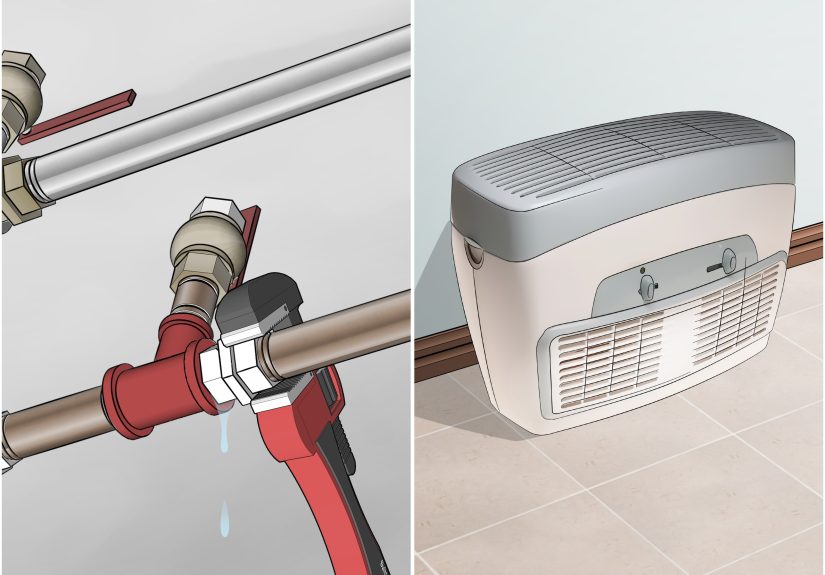
- Fix leaks fast (roof, plumbing, window seals). Even small drips can keep materials damp enough for mold spores to thrive.
- Dry water-damaged areas quicklyideally within 24–48 hours after leaks or flooding.
- Keep indoor humidity in check. Many homes do well under ~50% relative humidity (a small hygrometer makes this easy to track).
- Vent moisture sources: bathrooms, kitchens, laundry areas. Make sure dryer exhaust vents outdoors.
- Improve airflow: don’t push furniture tight against exterior walls if condensation is an issue.
When mold keeps returning in the same spot
Repeat mold in one location usually means one of these is happening:
- Hidden moisture (slow plumbing leak, condensation behind walls, unvented bath fan)
- Materials stayed damp too long after a leak or flood
- Porous material is contaminated (drywall or insulation holding mold inside)
- Humidity is consistently high (basements, coastal areas, closed-up seasonal homes)
In these cases, cleaning the surface may be like trimming weeds without pulling the roots. Investigate the moisture source and consider replacing affected porous materials.
Surface-Specific Examples (Because Mold Doesn’t Care About Your Schedule)
Bathroom caulk and silicone lines
If mold is superficial, vinegar or hydrogen peroxide plus gentle scrubbing may help. If the caulk is deeply stained, brittle, or peeling, replacement is often more effective than endless scrubbing. The real long-term fix: reduce post-shower moisture with ventilation and drying.
Drywall or ceiling spots
Small surface spots from mild condensation can sometimes be cleaned, but drywall is porous. If it’s soft, swollen, crumbly, or shows recurring mold, it often needs to be removed and replacedespecially if the backside is contaminated.
Wood framing in basements or crawl spaces
Wood can be tricky because it’s porous. Start with controlled moisture, then scrub with detergent solution and dry thoroughly. If mold returns, check for groundwater intrusion, poor ventilation, or humidity that stays high. A dehumidifier may be part of the “real” solution.
HVAC vents or musty smell when the system runs
Don’t spray random cleaners into ducts. Mold in HVAC can distribute spores widely and often needs professional assessment and cleaningespecially if you see visible growth or smell persistent mustiness when heating/cooling runs.
Quick Recap: The 3 Ways to Clean Black Mold
- Detergent + water + scrub (best all-around method for hard, non-porous surfaces)
- White vinegar (easy, accessible, great for many small household mold spots)
- 3% hydrogen peroxide (helpful for small patches and stubborn staining)
Whichever method you choose, the non-negotiables are the same: PPE, controlled cleaning (no dry scraping), thorough removal, and complete drying.
Real-World Experiences: What People Learn the Hard Way (So You Don’t Have To)
The first time someone discovers black mold, it usually happens in one of two dramatic settings: (1) you’re cleaning the bathroom before guests arrive, or (2) you’re looking for a lost shampoo bottle and find a science experiment behind it. Either way, the emotional arc is similar: denial, disgust, frantic Googling, and then a heroic trip to the store where you buy every cleaning product like you’re stocking a doomsday bunker.
Here’s the lived reality: the cleaner matters less than the process. People who “win” against mold tend to do a few unsexy things consistently. They wear the mask even though it’s annoying. They don’t blast a fan at the mold while scrubbing (which can turn a small cleanup into a whole-room spore parade). They wipe up the gunk instead of rinsing it into the next corner. Andthis is the real plot twistthey fix the moisture problem.
One of the most common stories goes like this: someone cleans a shower corner perfectly, it looks brand-new, and then two weeks later, the black spots return like they pay rent. The issue often isn’t that vinegar “doesn’t work.” It’s that the bathroom stays damp for hours every day, the fan is weak (or not used), towels hang wet on hooks, and the shower door stays closed. In those situations, the cleaning is just the opening act. The main show is airflow: run the exhaust fan long enough, crack a door, squeegee surfaces, and get fabrics dry quickly.
Another experience people share is discovering mold on drywall near a window or in a closet on an exterior wall. They clean it, paint over it, and then it returnsbecause the wall is cold, the room is humid, and condensation forms regularly. The “aha” moment is realizing that mold prevention can look like boring home maintenance: weatherstripping, improving insulation, keeping furniture a few inches off the wall, or using a dehumidifier in a problem room.
Then there’s the basement saga: someone notices a musty smell, finds black staining on wood or concrete, scrubs it clean, and feels victoriousuntil the next humid week rolls in. Basements teach people fast that mold prevention is a system, not a single product. The best fixes are often a combo: seal obvious water entry points, extend downspouts, improve grading outside, run a dehumidifier, and keep stored items off the floor with airflow around boxes. Cleaning is part of it, but moisture control is the boss level.
Finally, a practical lesson from many DIY attempts: if you feel symptoms (wheezing, burning eyes, tight chest, headaches) while cleaning, stop. You’re not “being dramatic”you’re getting exposed. That’s a sign to upgrade PPE, increase ventilation, reduce disturbance, or call a professional. The goal is a safer home, not a personal endurance challenge.
If you take anything from these experiences, let it be this: cleaning black mold is rarely about finding the single perfect mold remover. It’s about using a sensible method, removing the growth without spreading it, drying everything thoroughly, and cutting off the moisture that invited mold in the first place.







 Close
Close