
Table of Contents >> Show >> Hide
- Why Grease Fires Are Different
- Way #1: Smother the Fire With a Metal Lid or Baking Sheet
- Way #2: Use Baking Soda or Salt for a Very Small Grease Fire
- Way #3: Use a Proper Fire Extinguisher Only If the Fire Is Small and You Have a Clear Exit
- What Never to Do During a Grease Fire
- How to Prevent a Grease Fire in the First Place
- What to Do After the Fire Is Out
- Experience-Based Kitchen Lessons: What a Grease Fire Usually Feels Like in Real Life
- Final Thoughts
- SEO Tags
Note: This article is intended for a small, contained kitchen grease fire only. If the flames spread, the fire climbs the wall, smoke fills the room, or you do not feel safe for even one second, leave immediately and call 911.
A grease fire is one of those kitchen moments that turns a peaceful dinner plan into a full-blown panic audition. One second you are making crispy bacon or shallow-frying chicken. The next second, the pan looks like it is trying to launch itself into orbit. And because grease fires move fast, the wrong reaction can make a bad situation much worse.
The good news is that a small grease fire usually has a simple weakness: it needs heat and oxygen. Take those away the right way, and you can often stop the fire before it turns your stovetop into a dramatic life lesson. The bad news is that the wrong moveespecially watercan send burning oil flying like fiery confetti. That is the kind of party no one wants.
In this guide, you will learn three safe ways to put out a grease fire, what never to do, how to handle an oven fire, and how to prevent the whole mess in the first place. This article is written in plain American English, with practical tips you can actually remember when your brain is busy yelling, “Why is dinner on fire?”
Why Grease Fires Are Different
Not all kitchen fires behave the same way. A grease fire starts when cooking oil, fat, or grease gets hot enough to ignite. Once that happens, the fire can grow quickly because the fuel is already sitting in the pan, and the burner below may still be feeding it heat. Add oxygen from the open air and you have a fast, intense flame.
This is why a grease fire needs a different response than, say, a small trash-can fire. You do not splash it. You do not carry it outside. You do not wave a towel at it like you are shooing away a rude pigeon. You control it by smothering the flames, removing the heat source, or using the right extinguisher only if it is safe and you know how to use it.
Way #1: Smother the Fire With a Metal Lid or Baking Sheet
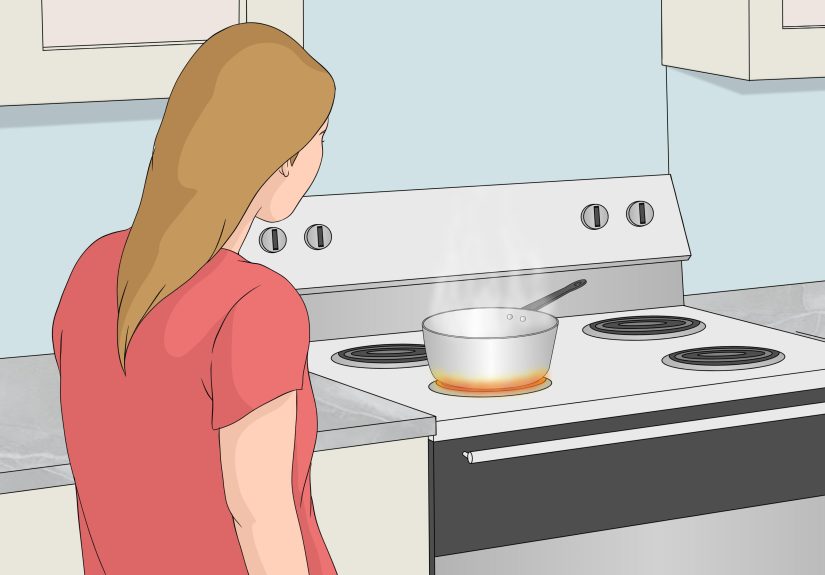
This is the best first move for a small stovetop grease fire. If the flames are contained in the pan, the safest solution is often the simplest one: cut off the oxygen.
What to do
Take a metal lid or metal baking sheet and carefully slide it over the pan from the side. Do not drop it from above, and do not approach in a rush like you are trying to dunk on the fire. Sliding it gently helps avoid splashing hot oil.
Once the pan is covered, turn off the burner. Then leave the lid in place until the pan is completely cool. That last part matters. A lot. If you pull the lid off too early, oxygen can rush back in and the flames can come right back like an encore nobody requested.
Why this works
Fire needs oxygen. Covering the pan starves the flame. Turning off the burner removes the heat source, which lowers the chance that the grease will reignite once the visible flames disappear. It is a one-two punch: no oxygen, no fresh heat.
Common mistakes to avoid
- Do not use glass. A glass lid can shatter from heat.
- Do not move the pan. Carrying a flaming grease pan is one of the fastest ways to spread burning oil onto your hands, stove, floor, or clothes.
- Do not uncover it too soon. “Looks out to me” is not a reliable fire-safety strategy.
If the fire is in the oven instead of a pan on the stovetop, the same oxygen rule applies, but with one major difference: keep the oven door closed. Turn the oven off and let the fire die down inside. Opening the door can feed the flames with oxygen and put your face and arms in the blast zone. That is a terrible deal.
Way #2: Use Baking Soda or Salt for a Very Small Grease Fire
If the fire is tiny and still limited to a small area of the pan, baking soda or salt can help smother it. This is the backup move when a lid is not immediately within reach or when you need extra help knocking down a very small flame.
When this works best
This method is for a very small stovetop grease fire. Think small flare-up, not a roaring pan of doom. You need a large amount of baking soda or salt, not a dramatic little pinch. A sprinkle is for seasoning. A grease fire needs more commitment.
How to do it
Turn off the burner first if you can do so safely. Then pour a generous amount of baking soda or salt directly onto the flames. Aim calmly and steadily. The goal is to blanket the fire enough to interrupt combustion, not to toss powder wildly and hope for the best.
If the fire does not go out immediately, do not stand there negotiating with it. Move on to evacuation and call 911.
What never to throw on a grease fire
This part deserves bold, underlined, mentally tattooed attention: never use water on a grease fire. Water causes burning oil to splatter and spread. That tiny cup of water can turn one flaming pan into a whole kitchen emergency in a heartbeat.
Also skip flour and baking powder. They are not substitutes for baking soda. In fact, they can make the situation worse. In a fire, your pantry is not a choose-your-own-adventure book.
Way #3: Use a Proper Fire Extinguisher Only If the Fire Is Small and You Have a Clear Exit
Yes, a fire extinguisher can be the right toolbut only under the right conditions. This is not your cue to transform into a kitchen firefighter. If the fire is growing, spreading, or making the room hard to breathe, leave immediately.
Use an extinguisher only when all of these are true
- The fire is still small and contained.
- You have already called 911 or someone else has.
- You have a clear path to the exit behind you.
- You know how to use the extinguisher.
- The extinguisher is rated for kitchen grease fires.
If those boxes are not checked, do not guess. Evacuate. A kitchen is not the place for improvisational heroics.
How to use it safely
Stand back, keep the exit at your back, and aim at the base of the flames. Use the extinguisher according to its instructions. If the fire does not go out quickly, stop and leave. Fire grows faster than confidence.
When to stop trying and get out
Leave immediately if:
- Flames spread beyond the pan or appliance.
- The hood, cabinets, curtains, or wall catch fire.
- The room fills with smoke.
- You feel unsure, trapped, or too close to the flames.
Once you are out, stay out. Call 911 from outside. Do not go back in for your phone, your food, or your favorite pan. The pan had a good run.
What Never to Do During a Grease Fire
Sometimes the most helpful fire-safety advice is a list of things that seem smart in the moment but are actually terrible ideas. Here are the big ones:
- Never pour water on it. This is the classic mistake, and it can cause explosive splattering.
- Never move the pan. Flaming oil can spill onto you or across the kitchen.
- Never use a wet towel. Steam burns and spreading flames are both possible.
- Never slap at the fire. Air movement can fan the flames.
- Never assume it is out just because flames are gone. Hot grease can reignite.
How to Prevent a Grease Fire in the First Place
The best way to win a grease-fire showdown is not to schedule one. Prevention is gloriously boring, and that is exactly why it works.
Stay in the kitchen
Grease fires often begin when cooking is left unattended. If you are frying, broiling, or searing, stay nearby. This is not the ideal time to answer a long text, fold laundry, or suddenly become interested in what is happening in the other room.
Watch for warning signs
If oil starts smoking, shimmering aggressively, or smelling sharply burnt, it is too hot. Lower the heat or turn it off. A pan usually gives you a few warning signs before it starts acting like a flamethrower.
Keep a lid nearby
One of the smartest kitchen habits is to cook with a metal lid or baking sheet within arm’s reach. In an emergency, seconds matter. You do not want your fire plan to involve searching through a cabinet while the stove impersonates a dragon.
Keep the area clear
Paper towels, food packaging, wooden utensils, dish towels, and oven mitts should stay away from open heat. Grease fires are bad enough without adding bonus fuel.
Clean grease buildup
Old grease on the stove, in drip pans, or in the oven can ignite. Regular cleaning is not glamorous, but it is cheaper than a kitchen remodel and dramatically less smoky.
What to Do After the Fire Is Out
Even a small grease fire can leave behind dangerous heat, smoke residue, and emotional damage to your confidence as a “pretty decent cook.” Once the fire is fully out and the pan is cool, inspect the area carefully.
If the fire involved the oven, microwave, vent hood, or anything electrical, have the appliance checked before using it again. If you suffered a burn, cool the affected skin with cool running water and seek medical care for anything more than a minor burn. Large burns, deep burns, facial burns, burns on the hands or genitals, and burns that keep worsening all need prompt medical attention.
It is also smart to replace any used fire extinguisher, check your smoke alarms, and review your exit plan. You do not need to become paranoid. You just need to become that person who now says, “Let’s keep the lid nearby,” in a slightly more experienced voice.
Experience-Based Kitchen Lessons: What a Grease Fire Usually Feels Like in Real Life
To make all of this easier to remember, it helps to imagine how a grease fire actually unfolds in an ordinary kitchen. Not in a movie. Not in a training video. In a real home, where somebody is hungry, distracted, and maybe overconfident because they have browned onions a thousand times before.
Picture the first scenario: someone is pan-frying chicken cutlets after work. They are tired, the oil is heating, and they step away “for just a second” to grab seasoning from another room. When they come back, the oil is smoking. Then it flashes. Their first instinct is pure panic. Their second instinct is to grab the pan and take it outside. That is the danger zone. In a real kitchen, the safest choice is the boring one: lid on, burner off, hands off, wait. The experience teaches a lasting lessonsmall delays create big problems when hot oil is involved.
Now imagine a weekend breakfast scene. Bacon is sizzling, everyone is chatting, and the stove is crowded. A small flame pops up in the skillet. The person cooking freezes for half a second, then remembers the baking sheet leaning against the backsplash. They slide it over the pan and shut off the heat. No dramatic soundtrack. No scorched eyebrows. Just an elevated heart rate and a very humble breakfast. This kind of experience sticks because it proves that preparation matters more than bravery. The lid or baking sheet was already there, so the response was faster and safer.
A third common experience happens with the oven. Something greasy drips, smoke builds, and the person cooking opens the oven door to “check on it.” That burst of oxygen can turn a manageable problem into a much more aggressive flame. People often remember this moment because it feels so unintuitive. We want to look at the problem up close. But with an oven fire, distance and a closed door are your friends. Turning the oven off and keeping the door shut may feel passive, yet it is often the smarter move.
Then there is the emotional side, which almost nobody talks about enough. After even a small grease fire, people tend to replay the moment in their heads. They think, “I almost threw water on it,” or “I almost carried the pan.” That is useful in one way: it turns a scary memory into a practical habit. Many people change how they cook afterward. They keep salt or baking soda accessible. They stop leaving oil unattended. They clean the stove more often. They test their smoke alarms. A close call can be frightening, but it can also turn somebody into a much safer cook for life.
The big takeaway from these everyday experiences is simple: grease fires do not usually begin with chaos. They begin with normal cooking, a little too much heat, and one moment of distraction. The best response is not heroism. It is preparation, calm, and knowing exactly which move comes next.
Final Thoughts
If you remember only a few things from this article, make them these: cover the pan, turn off the heat, never use water, and leave if the fire is not immediately controlled. Those four ideas can make the difference between a scary moment and a devastating one.
Grease fires are fast, loud, and extremely good at making smart people do dumb things. That is not an insult. That is just how panic works. The solution is to decide nowbefore the pan ever flares upwhat you will do. Keep a metal lid nearby. Keep the stovetop clear. Stay with your food. And if the fire gets bigger than a small, contained flare-up, get out and call 911. Dinner can be replaced. Your lungs, skin, and home are less convenient to swap out.




 Close
Close