
Table of Contents >> Show >> Hide
- Why the Viking Cloak Still Works So Well
- 1. The Classic One-Shoulder Viking Cloak
- 2. The Two-Shoulder Hall Drape
- 3. The Traveler’s Wrap or Weather-Wise Viking Cloak
- How to Choose the Right Viking Cloak Fabric and Fastener
- Common Mistakes to Avoid When Wearing a Viking Cloak
- What Wearing a Viking Cloak Actually Feels Like: Real-World Experience and Style Notes
- Final Thoughts
- SEO Tags
If you have ever thrown a blanket over your shoulders and suddenly felt ten percent wiser and forty percent more dramatic, congratulations: you already understand the appeal of a Viking cloak. A good cloak is practical, stylish, and just theatrical enough to make a doorway entrance feel like a historical event. But if you want to wear a Viking cloak in a way that feels more authentic than “random fantasy extra in the background,” a little historical context goes a long way.
Here is the key thing to know from the start: Viking Age clothing is reconstructed from textile fragments, brooches, pins, artwork, burial finds, and a healthy amount of careful scholarly guesswork. In other words, we know quite a bit, but not everything. That means the smartest approach is to wear your Viking cloak in ways that are historically grounded, climate-friendly, and visually convincing without pretending there was one universal Norse dress code carved into a runestone somewhere.
This guide walks through three strong, historically inspired ways to wear a Viking cloak, from the classic shoulder-fastened look to more wrapped and weather-ready styles. Along the way, we will cover fabrics, brooch placement, common mistakes, and how to make your Norse clothing look less like a movie costume and more like something a real person might have worn while haggling, traveling, feasting, or trying not to freeze near the North Sea.
Why the Viking Cloak Still Works So Well
The Viking cloak survives in modern imagination because it solves a timeless human problem: weather is rude. In the Viking world, outer garments were not decorative afterthoughts. They were part of daily survival. Wool was the superstar fabric because it stayed warm, wore hard, and handled damp conditions better than many alternatives. Linen showed up in underlayers and lighter garments, while wealthier people could add silk trim, dyed fabric, embroidery, or luxurious edging if they wanted their clothing to whisper, “I am practical, but I also have excellent taste.”
A Viking cloak also had social power. A plain wool cloak signaled usefulness. A colored cloak with fine trim suggested resources, trade access, or status. A large brooch was not just a closure; it was an announcement. Even now, that combination of utility and visual impact is why the garment works so well for reenactment, LARP, historical costuming, theater, festivals, and cold-weather styling that wants a little more personality than an ordinary coat can offer.
So how should you wear one? Let us start with the best-known option.
1. The Classic One-Shoulder Viking Cloak
Best for historical accuracy, reenactment, and strong silhouette
If you want the most widely recognized and most evidence-backed way to wear a Viking cloak, this is it. The classic Viking cloak is draped around the body and fastened at one shoulder, usually the right shoulder in many reconstructions. This style leaves one arm freer for movement, which is a practical detail whether you are rowing, trading, handling tools, or dramatically pointing at the horizon as if destiny is calling.
To wear it this way, start with a rectangular or slightly shaped wool cloak. Drape it around your back so the fabric falls evenly enough to cover your shoulders and upper body. Then bring the two top edges together at one shoulder and secure them with a sturdy pin, ring pin, penannular-style brooch, or historically inspired clasp. The fabric should fall behind you in a clean line instead of bunching into a tragic curtain accident.
This method works especially well over a tunic and belt. The contrast between the fitted underlayer and the looser outer drape gives your outfit that unmistakable Viking Age profile. It also photographs beautifully. If you are styling for an event, this is the look people most often read instantly as “Norse” rather than “generic medieval-ish person wandering between food stalls.”
The one-shoulder style also lets your jewelry and trim do some heavy lifting. A plain gray or brown wool cloak becomes much more striking when closed with a bold brooch in bronze, silver tone, or iron-finish metal. If you want a richer visual effect, use tablet-woven trim at the edges or choose a naturally textured twill wool that catches the light well.
One important tip: do not overstuff the look. The cloak itself already brings drama. If you add fake fur, giant leather straps, six belts, a horned helmet, and enough accessories to start your own prop department, you will wander out of “historical Viking clothing” and straight into “fantasy tavern manager.” Keep it simple, and the cloak will do its job.
2. The Two-Shoulder Hall Drape
Best for feasts, ceremonies, indoor events, and elegant presentation
The second way to wear a Viking cloak is less about marching through bad weather and more about looking composed, warm, and faintly impressive. Think of it as the hall-friendly version. Instead of fastening everything hard at one shoulder, you drape the cloak over both shoulders so it reads more like a shawl, mantle, or formal wrap.
This style is especially useful for women’s Viking-inspired outfits, but it also works for men in ceremonial or social settings. Archaeological evidence from women’s graves shows a variety of outer garments, including cloaks and shawl-like layers fastened with brooches or ring pins. That gives this look a strong “period-plausible” foundation, especially when the garment is styled with restraint and good fabric.
To create this effect, place the cloak evenly across both shoulders and let it hang naturally down your back. You can then close it at the chest with a brooch or pin, or leave it open if you want the underlayers to remain visible. The chest-fastened version creates a stately shape that feels balanced and polished. It is ideal for seated events, market settings, historical interpretation, or any moment when you want your Viking outfit to look less battle-ready and more socially important.
The beauty of this style is in the layering. A linen underdress, wool overdress, bead strand, and brooch-fastened mantle can look rich without being flashy. For men, a well-cut tunic beneath a broad draped cloak suggests wealth, confidence, and an excellent understanding of cold-weather strategy. This is the style that says, “Yes, I could probably survive a storm, but right now I am here to negotiate, dine, and judge your storytelling.”
Use this method if you want comfort over strict movement. Because the cloak is spread across both shoulders, it can feel slightly more secure and less swingy than the one-shoulder version. It also helps show off textured fabric, patterned trim, or dyed color more evenly across the body.
For a polished result, avoid letting the cloak sit too high under the neck like a modern cape. That instantly shifts the silhouette away from historical clothing and toward stage costume. Let it rest on the shoulders, frame the body naturally, and hang with enough weight to look like a real garment rather than a Halloween shortcut.
3. The Traveler’s Wrap or Weather-Wise Viking Cloak
Best for outdoor wear, cold conditions, and practical movement
The third way to wear a Viking cloak is the most practical and arguably the most human. Real people dealing with wind, rain, sea spray, and stubborn Nordic chill would not have treated a cloak like a museum display. They would have adjusted it. Wrapped it tighter. Shifted it across the body. Pulled it forward when the weather got unpleasant. In short, they would have worn it like people who did not want to be cold.
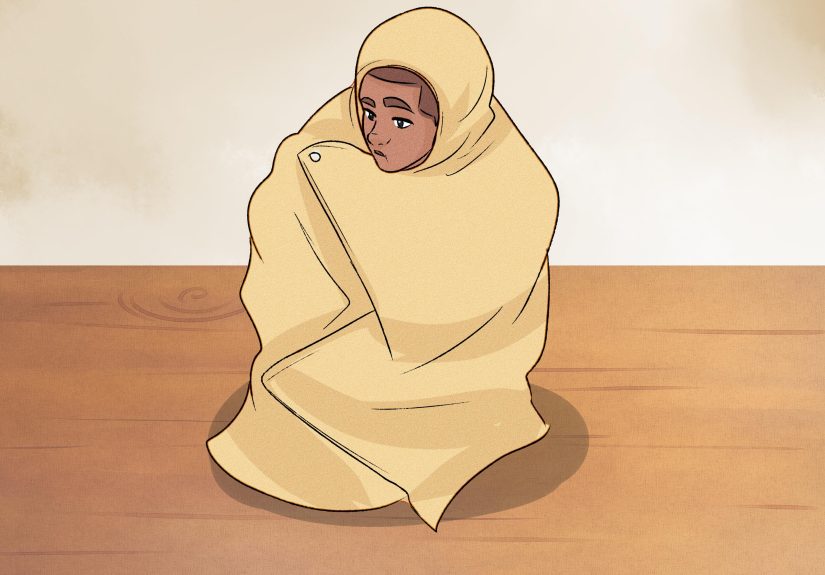
That is where the traveler’s wrap comes in. Start with the cloak draped around your shoulders, then pull one side farther across your chest and tuck or secure it so the front of the body gets more coverage. You can still pin the garment at one shoulder, but the overall effect is more enclosed. Some wearers also belt the cloak lightly over the tunic in especially rough weather, though that should be done carefully so it reads as practical layering rather than an accidental blanket emergency.
This style works especially well for markets, camps, winter festivals, and outdoor reenactments. It is not the most formal look, but it may be the most believable for travel and bad weather. A cloak that actually shields your torso, traps warmth, and can be shifted as needed feels very true to the spirit of Viking Age clothing, even when the exact fold pattern is not preserved in a neat archaeological instruction manual.
If you want this style to look good rather than improvised, pay attention to length and weight. A medium-to-heavy wool cloak with a little drape is ideal. If the fabric is too stiff, the wrap will look boxy. If it is too flimsy, it will look modern and sad. Good wool hangs with authority. It says, “I respect weather, but I do not fear it.”
This is also the best style for people who actually want to use the cloak as clothing rather than decoration. Need to stand around outdoors for hours? Use the wrap. Need to walk between tents in cold wind? Use the wrap. Need to look like someone who owns both sheep and opinions? Definitely use the wrap.
How to Choose the Right Viking Cloak Fabric and Fastener
If the drape is the soul of the cloak, the fabric is the skeleton. Choose wool whenever possible. Twill weaves, herringbone textures, and sturdy full-bodied cloth all look better than thin costume felt. Natural shades like brown, gray, cream, muted blue, rust, and soft green feel convincing and easy to style. Richer colors can work too, especially if you are portraying someone with higher status or access to trade goods.
For fasteners, go with something that looks functional first and ornamental second. Brooches, ring pins, and penannular-style closures are excellent choices. Very large shiny fantasy clasps with dragon heads eating each other may look exciting, but they usually scream “gift shop near a castle.” Aim for metalwork that looks wearable, solid, and slightly understated.
If you are building a full historical Viking outfit, remember that the cloak should support the rest of the clothing, not overpower it. Tunics, dresses, aprons, belts, leg wraps, and shoes all matter. The best cloak in the world cannot rescue a plastic underlayer and obviously modern boots trying to pretend they are from the ninth century.
Common Mistakes to Avoid When Wearing a Viking Cloak
The first mistake is assuming all Viking cloaks were fur capes. Fur existed, yes, but the all-fur barbarian look is mostly modern fantasy showing off. Wool is your best friend.
The second mistake is fastening the cloak too high or too symmetrically in a way that feels theatrical instead of lived-in. Historical clothing usually looks practical first. If your cloak resembles a superhero cape preparing for takeoff, adjust it.
The third mistake is choosing fabric that is too short, too bright, or too flimsy. Viking clothing was not made from neon polyester having an identity crisis. Use natural-looking materials and give the garment enough weight to move well.
The fourth mistake is forgetting context. A one-shoulder clasp may be ideal for a historical festival. A two-shoulder drape may be more comfortable indoors. A wrap style is best in ugly weather. The smartest wearer does not pick one style forever. They use the cloak the way real people use clothing: based on place, function, and comfort.
What Wearing a Viking Cloak Actually Feels Like: Real-World Experience and Style Notes
Once you spend a full day wearing a Viking cloak, something interesting happens. You stop thinking of it as a costume piece and start thinking of it as equipment. That is probably the most useful experience-based lesson anyone can get from this garment. At first, the cloak feels dramatic. Five minutes later, it feels warm. An hour later, it feels practical. By the end of the day, you wonder why modern outerwear has so little personality.
The one-shoulder style usually feels the sharpest and most flattering. It gives structure to the outfit and makes even a simple tunic look deliberate. But it also teaches you very quickly whether your brooch is sturdy enough. If the pin slips, twists, or pulls oddly, you will notice every single step. That is why experienced wearers become picky about closures. A good fastener does not just look right; it lets you forget about it.
The two-shoulder drape feels different. It is calmer, softer, and surprisingly elegant. You notice how the fabric frames the face and upper body, and you realize why people keep returning to mantle-like outerwear across centuries. It is flattering in a very quiet way. It also invites better posture. You sit differently. You stand differently. You become more aware of how clothing changes movement. That alone makes this style worth trying, especially for historical events where you will be talking, watching demonstrations, or spending time indoors.
The traveler’s wrap is the one that earns genuine respect. In wind, cold, or damp air, it suddenly becomes obvious why a simple rectangle of wool remained useful for so long. You can pull it tighter, loosen it, throw it back, or wrap it closer around the chest depending on the weather. It adapts. Modern people often expect historical clothing to be restrictive, but a well-made cloak can actually feel more flexible than a structured coat. That practical adaptability is part of its charm.
There is also a social experience that comes with wearing a Viking cloak well. People notice it. Not because it is loud, but because it has shape and presence. A good cloak does not try too hard. It moves when you move. It creates lines. It gives the whole outfit rhythm. Even people who know nothing about Norse clothing usually recognize that it looks more thoughtful than a random costume rack purchase.
Perhaps the funniest part is how quickly wearers become opinionated about wool weight, brooch placement, and cloak length. One event is all it takes. Suddenly you are telling friends that a slightly longer hem improves the drape, that chest fastening changes the mood, and that cheap fabric ruins everything. This is how the rabbit hole begins. One moment you are buying a cloak. The next moment you are discussing twill weave like it is a moral issue.
That is why the best advice is simple: wear the cloak, test the drape, and let the garment teach you. Historical style becomes much more convincing when it is lived in, adjusted, and understood through movement. A Viking cloak is not just something to put on. It is something to use.
Final Thoughts
If you want the safest, strongest historical choice, wear your Viking cloak fastened at one shoulder. If you want a refined, balanced, more ceremonial silhouette, use the two-shoulder hall drape. If you want maximum practicality, warmth, and weather sense, go with the traveler’s wrap. All three approaches can work beautifully when the fabric is right, the fastener is functional, and the styling stays grounded in what we actually know about Norse clothing.
The best Viking cloak does not need gimmicks. It needs good wool, believable drape, and a wearer who understands that historical clothing was meant to function in real life. Get those details right, and your cloak will not just look impressive. It will feel like it belongs.







 Close
Close