
Table of Contents >> Show >> Hide
There is a very specific kind of heartbreak reserved for realizing that something you loved did not technically disappear; it just got worse, more expensive, more annoying, or weirdly optimized by a committee. That is the mood behind the online thread that inspired this piece. People were not merely being nostalgic for the sake of it. They were pointing at the ordinary parts of life that once felt easier, cheaper, more fun, or at least less likely to require a password reset and a service fee.
And honestly, the thread had range. People brought up everything from house ownership and comedy movies to radio, YouTube, and the gig economy. On the surface, those examples look random. But taken together, they tell a pretty clear story: many things are no longer in their golden age because their best era was not just about quality. It was also about trust, novelty, affordability, and a sense that the customer was being courted instead of mugged politely.
So let’s dig into the 30 things people keep nominating as being past their peak, and more importantly, why these answers feel so painfully relatable. Spoiler: it is not just nostalgia talking. Sometimes the vibes are off because the math is off too.
Why This “Golden Age” Conversation Hit So Hard
When people say something is no longer in its golden age, they rarely mean it was perfect before. They mean it once delivered more joy for less hassle. A golden age can be the time when a platform felt creative instead of exhausting, when an industry competed on experience instead of fees, or when a middle-class milestone did not require the financial planning skills of a wartime quartermaster.
That is why this topic spreads so easily online. It invites people to compare old promises with current reality. And that reality is full of trade-offs: streaming gave us convenience, then gave us fragmentation; air travel got cheaper in some ways, then stuffed the savings into fees; social media connected everyone, then trained everyone to feel tired while connected. Progress did happen. It just arrived carrying a billing statement.
In other words, this is not a list of “things that are dead.” It is a list of things that used to feel more magical before scale, monetization, consolidation, and algorithmic meddling showed up wearing a polo shirt and saying it was here to improve the user journey.
30 Things People Say Are Clearly Past Their Golden Age
Media, Entertainment, and the Internet
- Local newspapers. Once a daily civic habit, local papers now fight shrinking staffs, closures, and a brutal ad market. Many communities still have news, but fewer have the kind of deeply rooted local reporting that kept city halls honest and obituaries accurate.
- Print newspapers in general. There was a time when the morning paper felt like a household ritual. Now, for many readers, print is less a habit and more a museum exhibit that occasionally lands on a hotel-room floor.
- Cable TV. Cable once sold convenience, variety, and the thrill of flipping aimlessly until you found a movie already halfway done. Today it mostly sells the nostalgic memory of convenience while streaming quietly stole its lunch.
- Movie theaters. Theaters are still great for big event films, but their broader dominance is gone. The old “let’s just catch a movie” spontaneity now has to survive premium formats, snacks priced like fine jewelry, and the couch looking suspiciously attractive.
- Blockbuster comedy movies. Big-screen comedies used to be reliable crowd-pleasers. Now the genre feels less central to theaters, squeezed between franchise spectacle, streaming releases, and studio caution. The room still laughs; it just does it at home more often.
- Late-night TV. Late night once helped shape national conversation. These days the attention economy is fragmented, clips travel farther than full episodes, and the genre no longer feels like the unquestioned end-of-day cultural campfire it once was.
- Social media. Early social platforms felt social. What a concept. Now they often feel like a mash-up of performance anxiety, ads, outrage, and recommendations from people you never asked to meet.
- YouTube. YouTube remains massive, useful, and wildly entertaining, but many users miss the era when it felt less commercial, less optimized, and less crowded by formula, sponsorship scripts, and thumbnails screaming with the energy of a hostage negotiation.
- Search engines. Search used to feel like opening a clean map of the internet. Now it can feel like hacking through sponsored vines, SEO shrubbery, and content written by someone who has never actually used the toaster they are reviewing.
- Online forums and niche communities. The old web had more weird corners and fewer central plazas. Many people miss smaller communities where the reward was conversation, not virality, and where every third post was not trying to sell you a productivity lamp.
Getting Around, Going Out, and Spending Money
- Dating apps. Dating apps promised abundance, efficiency, and romance with thumb exercise. What many users got instead was fatigue, ghosting, and the uncanny sense of interviewing strangers for a role no one seems ready to fill.
- The gig economy. For a brief shining moment, app-based rides and rentals felt cheaper, cooler, and more flexible than the old system. Then the fees multiplied, the novelty wore off, and people began to suspect the “disruption” might just be another middleman with better branding.
- Airbnb as a bargain. Short-term rentals are still useful, especially for groups and longer stays, but the golden-age fantasy of quirky, affordable travel has been dented by cleaning fees, checkout chores, and the occasional listing that looks “cozy” in photos and “active hostage situation” in person.
- Air travel. Flying remains essential and often safe and efficient, but the passenger experience has been nibbled to death by seat fees, baggage fees, cramped cabins, and the emotional roulette wheel of boarding groups.
- Casual dining chains. Casual dining once had a dependable sweet spot: easy night out, decent portions, manageable price. Now many diners feel the value equation has changed, and not in the customer’s favor.
- Fast-food value menus. Fast food was once the patron saint of cheap convenience. Now people increasingly stare at the total on the app and wonder whether they accidentally ordered a side of mortgage stress.
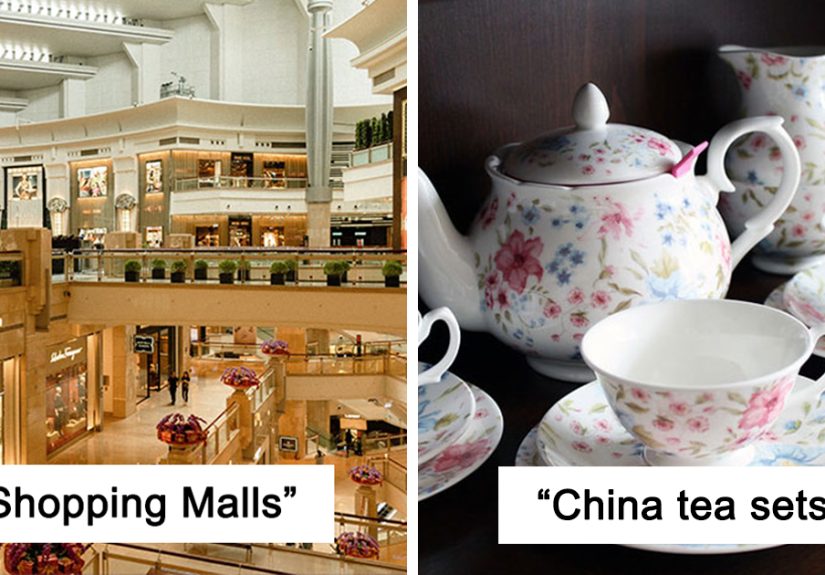
- Shopping malls. Malls have not vanished, but the classic mall era of department stores, teenage wandering, and food-court diplomacy is clearly no longer the default American retail script.
- Department stores. Department stores once made shopping feel like an event. Now many of them feel like giant reminders that retail forgot how to choose between reinvention and slow-motion collapse.
- 24-hour retail. There was something glorious about being able to buy toothpaste, cereal, or a lamp at 2:13 a.m. That world has shrunk, and night owls are still in mourning.
- Customer service. Many people feel customer service is no longer in its golden age because getting help now often means navigating bots, phone trees, chat windows, and a tiny spiritual test before reaching a human who has already apologized seven times.
Big Milestones, Daily Life, and the Mood of Modern Living
- Homeownership. Few examples hit harder than this one. The classic idea of buying a starter home in adulthood now feels far more difficult for many younger households than it did for earlier generations.
- College affordability. Higher education still matters enormously, but the old assumption that college was a relatively straightforward ladder upward has been complicated by tuition, debt, and a much more anxious return-on-investment conversation.
- Entry-level white-collar jobs. Plenty of young workers feel the bottom rung of the ladder has gotten slipperier. Employers want experience, polish, software fluency, and the ability to be three departments at once, preferably for a salary last updated during the Bronze Age.
- Workplace loyalty. The old social contract of “work hard and the company will take care of you” has lost much of its shine. Employees now tend to view loyalty more cautiously, and not without reason.
- Brand loyalty. Brands used to earn long-term affection through consistency. Now consumers are quicker to switch, partly because prices move, quality wobbles, and every company suddenly wants to become a lifestyle philosopher on social media.
- Privacy online. The internet used to feel anonymous enough to wander through. Today many people assume they are being tracked, profiled, nudged, and observed by systems that know their snack preferences better than some relatives do.
- Streaming simplicity. Streaming beat cable by being easy. Then it slowly reassembled cable’s worst personality traits: rising costs, fragmentation, add-ons, bundles, and the feeling that one more subscription might finally complete the infinity gauntlet.
- Subscription-free software. Buying a thing once used to mean owning the thing. Now software increasingly behaves like a needy landlord, returning every month to remind you that access and ownership are no longer on speaking terms.
- Radio as a tastemaker. Radio still matters, especially locally and in the car, but its old role as a dominant cultural gatekeeper has faded in a world of playlists, podcasts, creators, and algorithms.
- Trust in institutions. This one hangs over the whole thread. Whether the topic is media, tech, travel, work, or housing, many people feel the golden age ended the moment they stopped believing the system was mostly built with them in mind.
What These 30 Answers Really Tell Us
The most interesting part of this online thread is that the answers are not random complaints from people yelling at a cloud. They cluster around a few recurring themes.
First, people miss value. A surprising number of “not in its golden age” examples are really about cost versus reward. Flights still fly, but the extras now cost more. Restaurants still serve food, but diners are more likely to feel portions shrank while the bill lifted off like a weather balloon. Housing still exists, which is nice, but the starter-home dream has become a competitive sport.
Second, people miss trust. Local newspapers, customer service, brands, institutions, and platforms all depend on trust. Once that trust erodes, even a useful product starts to feel like a suspiciously cheerful stranger asking you to update your payment method.
Third, people miss fun. That sounds shallow until you realize how much daily life depends on small pleasures. Malls were not just about shopping. Radio was not just about audio. Movie theaters were not just about the screen. Golden ages often end when joy gets optimized out of the experience and replaced with metrics, upsells, and “engagement.”
So no, this is not merely a nostalgia list. It is a value list, a trust list, and in some cases a grief list for simple pleasures that got industrialized into submission.
What Living Through the End of a Golden Age Actually Feels Like
The lived experience of all this is oddly specific. It is the moment you open a travel app, find a reasonable fare, and then watch the total price evolve like a hostile creature once bags and seat selection enter the chat. It is ordering from a familiar restaurant and realizing the portion looks smaller, the bill looks bigger, and the fries now seem to have an advanced degree in disappointment. It is clicking on a search result and immediately sensing that the page was engineered to rank well, not help well.
It is also more emotional than people like to admit. There is a tiny sadness in recognizing that many modern conveniences are still technically convenient, yet no longer feel generous. In their best years, services seemed eager to win you over. Today, many feel as if they are squeezing one last lemon wedge out of your patience before quarterly earnings arrive.
You feel it in entertainment too. The old internet had more wandering in it. You could fall into a rabbit hole and discover something gloriously weird made by a person, not a content strategy team with a dashboard. Social media once felt like it expanded your world. Now it can feel like it expands your awareness of everyone else’s branding decisions. Even fun has become strangely managerial.
The loss is especially noticeable in places that used to act like low-stakes public life. Malls, local papers, movie theaters, radio, even casual dining chains all helped create a shared middle space between home and work. They were not perfect, but they made ordinary life feel more communal. When those spaces weaken, people are not only mourning products. They are mourning rituals.
That may be why conversations like this thread resonate so much. Everyone has at least one example that feels personal. Maybe it is homeownership, because what once looked like a tough-but-possible milestone now feels like a distant luxury purchase. Maybe it is dating apps, because what promised efficiency delivered exhaustion. Maybe it is YouTube, streaming, or search, because digital life increasingly feels less like exploration and more like being guided through a casino by a very polite algorithm.
Still, there is a useful lesson buried in all the eye-rolling. Golden ages do not end only because time moves on. They end because incentives change. Once growth gives way to monetization, or trust gives way to extraction, people notice. Not always immediately, but eventually. They notice when the product gets more crowded, when the service gets more complicated, when the value gets thinner, and when every good thing starts asking for a monthly fee.
And yet, not all hope is lost. Some things can have second acts. Malls can reinvent themselves. Local news can rebuild through new business models. Restaurants can relearn value. Platforms can rediscover community. But first, someone has to acknowledge the obvious: a lot of people are not longing for the past because they hate change. They are longing for the moment before everything became maximized, friction-filled, and suspiciously eager to upsell them a premium experience that used to be called “normal.”
Final Thoughts
The online thread behind this article worked because it gave people a chance to say out loud what many have been feeling quietly: a lot of familiar things are still around, but they are no longer in their golden age. In some cases, the quality dipped. In others, the price rose. In many, the trust vanished. That combination is why the topic feels bigger than nostalgia and sharper than a joke.
If there is one takeaway, it is this: people can adapt to new technology, new prices, and new business models. What they do not forgive easily is the loss of delight. Once something stops feeling worth it, the golden age is over, no matter how glossy the app redesign is.




 Close
Close