
Table of Contents >> Show >> Hide
- Why a Well-Styled Thanksgiving Table Matters
- Trick #1: Start With Layers, Not Clutter
- Trick #2: Make the Centerpiece Low, Long, or Cleverly Balanced
- Trick #3: Mix Fancy and Casual for a Table That Feels Inviting
- Trick #4: Use Lighting to Make Everything Look Better
- How to Pull These 4 Tricks Together
- Common Thanksgiving Table Mistakes to Avoid
- A 20-Minute Thanksgiving Table Plan
- Experience and Real-Life Inspiration: What a Great Thanksgiving Table Actually Feels Like
- Final Thoughts
Thanksgiving dinner has a funny way of doing two things at once: bringing people together and exposing every weak decorating decision you made at 3:17 p.m. while panic-cleaning the dining room. The good news is that a beautiful Thanksgiving table does not require a celebrity florist, antique silver from a mysterious aunt, or a centerpiece so dramatic it blocks your view of the mashed potatoes.
The truth is, designers usually rely on a handful of simple moves. They know how to build a table that feels warm, intentional, and just polished enough to make guests think, “Wow, this is lovely,” instead of, “Should I move this giant pumpkin so I can see Grandpa?” A stunning Thanksgiving table is less about spending more and more about styling smarter.
In this guide, we’re breaking down four simple tricks designers use for a memorable Thanksgiving tablescape. These ideas are easy to adapt whether your style leans classic, modern, rustic, minimalist, or somewhere between “farmhouse chic” and “I found this candle holder five minutes ago and now I’m emotionally attached.” You’ll also find practical examples, styling tips, and real-life hosting insights to help you create a holiday table that looks elevated but still feels welcoming.
Why a Well-Styled Thanksgiving Table Matters
A Thanksgiving table does more than hold dinner plates. It sets the tone for the entire gathering. Before the turkey is carved and before the first debate about stuffing begins, guests notice the atmosphere. A thoughtfully styled table tells people they’re welcome, expected, and in for a special meal.
That doesn’t mean your table has to look formal or fussy. In fact, the best designer-inspired Thanksgiving table decor usually feels relaxed. It combines comfort with beauty, letting the meal and the people shine. Think layered linens, natural textures, candlelight, and a centerpiece that enhances the conversation instead of hijacking it.
Trick #1: Start With Layers, Not Clutter
The first thing designers do is build a strong base. Before they add pumpkins, flowers, place cards, or tiny decorative pears that somehow cost more than actual pears, they focus on layers. A beautiful table almost always starts with fabric and foundational pieces that give the eye somewhere to land.
Use a Tablecloth, Runner, or Placemats to Ground the Look
A bare table can be beautiful, especially if you have great wood tones, but it often needs something soft to keep the setting from feeling unfinished. A linen tablecloth creates an instantly dressed-up mood. A table runner adds structure without covering the whole surface. Placemats help define each setting and make even simple dishes look intentional.
The trick is to layer, not overload. For example, you might use a neutral tablecloth with woven chargers, or a textured runner with simple ceramic plates and cloth napkins. These combinations create depth without making the table feel crowded. Thanksgiving table settings look richer when different materials play off one another: crisp cotton, washed linen, wood, ceramic, glass, and maybe a little brass or matte metal for warmth.
Keep the Color Palette Tight
One of the easiest ways to make a table look professionally styled is to limit the color palette. Instead of using every fall shade known to craft stores, pick two or three dominant tones and repeat them throughout the table. You could go with rust, cream, and olive green. Or try amber, brown, and soft gold. Even a nontraditional palette like plum, taupe, and sage can feel perfectly seasonal.
This creates harmony. It also keeps the table from sliding into visual chaos, which is the holiday equivalent of trying to wear every accessory you own at once. Designers often use color repetition in napkins, candles, florals, or small decorative accents so the whole table feels connected.
Simple Example
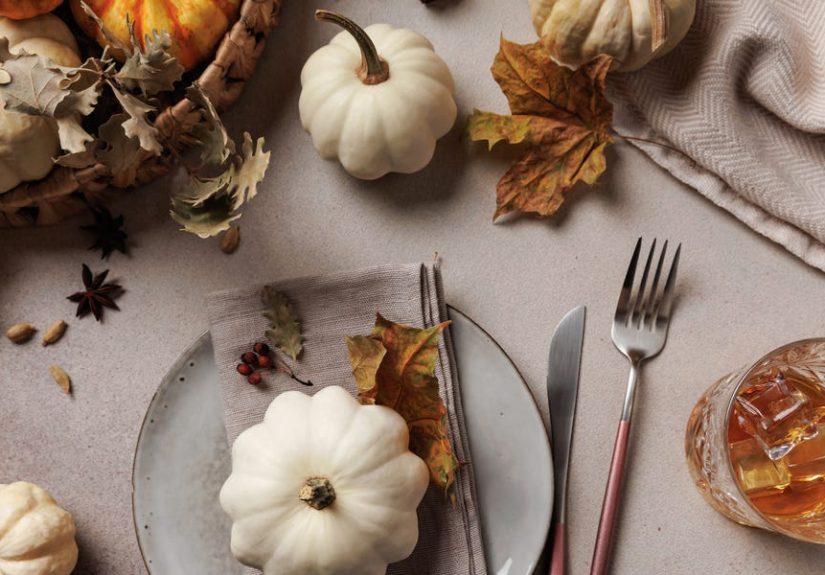
Picture a long dining table with a soft oatmeal linen runner, woven chargers, off-white stoneware plates, olive napkins tied loosely with twine, and amber glassware. Nothing here is flashy, but together it looks layered, calm, and expensive in the best possible way.
Trick #2: Make the Centerpiece Low, Long, or Cleverly Balanced
If there is one Thanksgiving decorating lesson that deserves to be engraved on a gravy boat, it is this: the centerpiece should never become an obstacle course. Designers love centerpieces, but they also understand proportion. A beautiful Thanksgiving centerpiece should add drama without blocking faces, food, or eye contact.
Think in Terms of Shape and Sightlines
There are three centerpiece shapes that work especially well for Thanksgiving tables:
- Low and lush: Great for round tables and intimate dinners. Use small floral arrangements, pumpkins, gourds, fruit, or foliage kept below eye level.
- Long and linear: Perfect for rectangular tables. A row of bud vases, taper candles, mini pumpkins, or scattered greenery creates movement without bulk.
- Tall but narrow: If you want height, use slim branches or airy stems in a vessel that doesn’t sprawl. Guests should still be able to see one another through or around it.
Designers also know that centerpieces do not need to be one giant arrangement. A group of smaller items often looks more current and more flexible. Several bud vases, mixed candle holders, or a series of mini arrangements can create a collected look that feels thoughtful rather than stiff.
Use Natural Elements for Texture
Thanksgiving table ideas often look best when they borrow from nature. Branches, eucalyptus, magnolia leaves, dried flowers, pears, figs, apples, mini pumpkins, pinecones, and nuts all bring texture and seasonality to the table. They also help the setting feel grounded and real rather than over-designed.
A bowl of fruit can be chic. A line of pears and candlesticks can be elegant. A few clipped branches in ceramic vases can look sculptural and modern. This is one of those rare decorating moments where “I grabbed this from the yard” can genuinely look designer-approved.
Simple Example
For a rectangular table, try a dusty green runner topped with five brass candlesticks of varying heights, a few small bowls of pomegranates and pears, and three tiny floral arrangements in earthy pottery. It feels abundant without looking like a harvest festival exploded indoors.
Trick #3: Mix Fancy and Casual for a Table That Feels Inviting
The prettiest Thanksgiving tables rarely look too perfect. Designers know that a table becomes more inviting when it blends elevated details with everyday comfort. That balance keeps the setting from feeling intimidating, which is important because no one wants to be scared of a napkin fold.
Combine Special Pieces With Everyday Basics
You do not need an entirely new Thanksgiving dinnerware set to make the table feel special. In fact, designers often start with basics and then add one or two standout elements. Maybe your everyday white plates get paired with textured chargers. Maybe your plain flatware sits beside velvet napkins. Maybe your standard glassware gets upgraded with one colored goblet per place setting.
This high-low mix looks collected instead of overly matched. It also makes the table feel personal. Guests notice when a setting reflects the home and the host rather than a one-click showroom display.
Add Personal Details That Do Real Work
The best personal touches are decorative, but they also make guests feel considered. Place cards are an easy example. They can be handwritten on kraft paper, tucked into a mini pumpkin, tied to a cinnamon stick, or slipped under a napkin. They make the table feel finished and help with seating, which is handy when you’d rather not accidentally place two rival cousins next to each other.
You can also personalize each setting with a menu card, a tiny favor, a sprig of rosemary, or a short gratitude note. These details are small, but they add charm and create the kind of experience people remember after the pie is gone.
Simple Example
Set the table with white plates, stainless flatware, and simple water glasses. Then add one dramatic element: burnt-orange linen napkins with handwritten name cards tucked inside. Suddenly the table looks intentional, warm, and worthy of at least one guest taking a photo before anyone sits down.
Trick #4: Use Lighting to Make Everything Look Better
This may be the most underrated Thanksgiving table trick of all. Designers know that lighting changes everything. A table that looks fine in bright overhead lighting can look downright magical with the right candlelight and a softer glow in the room.
Candlelight Is the Instant Upgrade
Taper candles, votives, hurricane candles, or small tea lights all add warmth and movement. They make glassware sparkle, flatware glow, and even the most basic table setting feel special. Candlelight also softens the entire room, which is kind to both your decor and your relatives.
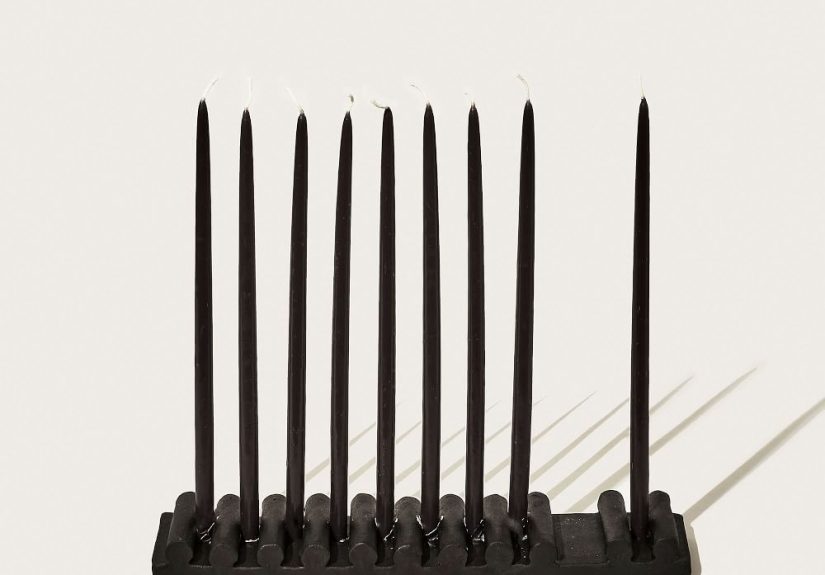
The key is repetition. One lone candle looks accidental. A thoughtful grouping looks designed. Try placing candles down the center of the table, alternating them with greenery, fruit, or small floral arrangements. Stick to unscented candles during dinner so they don’t compete with the food.
Dim the Rest of the Room
If possible, lower overhead lights and let the table become the visual star. Lamps, wall sconces, and candles create a cozier, more flattering atmosphere than full-strength ceiling lights. Thanksgiving is about warmth, not interrogation-room brightness.
Simple Example
A simple Thanksgiving tablescape with neutral dishes, a linen runner, and a few mini pumpkins can go from nice to memorable just by adding six taper candles and turning down the overhead lights. That’s the decorating version of putting on a blazer and suddenly looking like you have your life together.
How to Pull These 4 Tricks Together
If you want a fast formula for a stunning Thanksgiving table, here it is:
- Start with one grounding layer like a runner or placemats.
- Add dishes and napkins in a tight, seasonal color palette.
- Create a centerpiece that stays low or airy enough for conversation.
- Finish with candlelight and one personal touch per guest.
This approach works for almost any style. For a rustic table, use wood, stoneware, and foraged branches. For a modern table, choose sleek candles, sculptural vessels, and a muted palette. For a traditional Thanksgiving table, bring in plaid linens, classic white dishes, and seasonal florals. The formula stays the same; only the details change.
Common Thanksgiving Table Mistakes to Avoid
Using a Centerpiece That’s Too Big
If guests have to lean sideways to make eye contact, the arrangement is not festive. It is infrastructure.
Adding Too Many Colors
Too many competing shades make the table feel busy. Pick a direction and commit to it.
Forgetting Function
Leave room for serving dishes, water pitchers, and elbows. Thanksgiving is a meal, not just a photo shoot.
Saving Styling Until the Last Minute
Set the table as early as possible. Designers know that styling ahead of time reduces stress and lets you see what’s missing before guests arrive.
A 20-Minute Thanksgiving Table Plan
Running behind? You can still make the table look polished.
- Spread a neutral runner down the middle.
- Set out white plates and cloth napkins.
- Add mini pumpkins, pears, or foliage from outside.
- Line the center with candles.
- Write quick place cards on cardstock or kraft paper.
That’s it. It’s simple, affordable, and far more effective than stress-buying a glitter turkey centerpiece no one asked for.
Experience and Real-Life Inspiration: What a Great Thanksgiving Table Actually Feels Like
One of the most interesting things about designing a Thanksgiving table is that the final result is not just visual. It changes the entire mood of the room. A well-styled table feels generous. It signals that people are about to slow down, sit together, and enjoy something intentional. Even before the first dish hits the table, the room feels fuller, warmer, and more inviting.
I’ve seen this play out in all kinds of homes. In one setting, the host used nothing more than a linen runner, grocery-store flowers separated into tiny bud vases, and a handful of pears scattered between candlesticks. The plates were simple, the chairs didn’t match, and the dining room was small. But when everyone sat down, the table felt calm and beautiful. Guests noticed the details immediately because the table had personality without trying too hard.
In another home, the host went much more traditional with layered china, polished silver, folded napkins, and deep rust candles. On paper, it could have felt formal. Instead, it felt warm because the lighting was soft, the centerpiece stayed low, and each place setting included a handwritten card with a short note of appreciation. That tiny gesture changed everything. People didn’t just admire the decor; they felt included in it.
The best Thanksgiving tables also tend to evolve during the meal, and that’s part of their charm. A napkin gets unfolded. A candle burns lower. A serving spoon lands where it wasn’t supposed to. Someone moves a mini pumpkin to make room for the cranberry sauce. The setting becomes lived in, and that’s usually when it looks best. A designer-worthy table is not one that stays perfect all night. It’s one that still feels lovely after the feast has actually begun.
There is also something memorable about using natural materials. Branches clipped from the yard, herbs from the kitchen, or fruit from the market make the table feel rooted in the season. Those elements carry texture, scent, and color in a way that synthetic decor often can’t. They also give the table a sense of abundance without making it feel staged. It’s the difference between “decorated” and “alive.”
Another lesson that comes from experience is that guests respond more to atmosphere than expense. They remember flickering candles, thoughtful seating, and a table that felt cozy enough to linger at for an extra slice of pie. They do not usually remember whether the napkin rings were brass or whether the charger plates came from a designer collection. What stands out is the feeling of being welcomed.
That’s why these four designer tricks work so well in real life. Layers make the table feel complete. A well-scaled centerpiece keeps conversation flowing. A blend of elevated and everyday pieces makes the setting approachable. Candlelight makes everyone and everything look better. Put together, these moves create a table that feels special without becoming stiff.
And maybe that is the real secret of a stunning Thanksgiving table: it should look beautiful, yes, but it should also make people want to stay. It should invite seconds, stories, laughter, and the kind of long, happy meal where no one notices time passing. If your table can do that, then congratulations. You’ve officially outperformed every lonely decorative gourd that ever thought it was the main character.
Final Thoughts
Creating a stunning Thanksgiving table is not about copying one exact look. It’s about understanding the simple design principles that make a table feel warm, balanced, and memorable. Start with layers. Keep the centerpiece thoughtful. Mix polished elements with personal ones. Add lighting that softens the whole scene. These four simple tricks work because they make your holiday table both beautiful and livable.
Whether you’re hosting a crowd, planning an intimate dinner, or pulling everything together with one eye on the oven timer, these designer strategies can help you create a Thanksgiving tablescape that feels elevated without feeling exhausting. And honestly, that may be the most festive trick of all.






 Close
Close