
Table of Contents >> Show >> Hide
- 1. Explaining Mysteries That Were Better Left Mysterious
- 2. Turning Destiny Into a Spoiler With Better Lighting
- 3. Worshiping Fan Service Instead of Telling a Story
- 4. Shrinking the Universe Instead of Expanding It
- 5. Confusing Lore With Character Development
- Why Prequels Are So Tempting Anyway
- Experiences and Observations: Watching Prequels as a Fan, Critic, and Tired Timeline Detective
- Conclusion: The Prequel Problem Is Really a Story Problem
Prequels are Hollywood’s favorite time machine. They promise to take us back before the legend, before the scar, before the cape, before the villain learned how to breathe dramatically through a helmet. In theory, that sounds irresistible. Who would not want to know how a beloved world began?
The problem is that many prequels treat “what happened earlier” as automatically interesting. It is not. A birth certificate is not a story. A timeline is not a plot. And explaining every mystery is sometimes like finding out how a magician did the trick: technically educational, emotionally tragic, and somehow involving too many mirrors.
From Star Wars to The Hobbit, from Fantastic Beasts to modern franchise expansions, prequels keep stepping on the same rakes. Some succeed beautifullyBetter Call Saul, Andor, and A Quiet Place: Day One show that the format can work when it puts character before canon homework. But many others forget the basic rule: a prequel must be a great story first and a franchise explanation second.
Below are the five biggest mistakes prequels keep making, why audiences notice them, and how smarter storytelling can avoid turning beloved lore into a very expensive Wikipedia page with explosions.
1. Explaining Mysteries That Were Better Left Mysterious
One of the most common prequel mistakes is assuming that every unanswered question needs a dramatic origin story. Where did the villain get the mask? Why does the hero hate sand? Who built the iconic spaceship? What happened to that one side character’s second cousin’s emotional support droid?
Audiences enjoy mystery because it gives a fictional world texture. Not every detail requires a flashback, a prophecy, a bloodline, or a sacred ancient document hidden under a suspiciously convenient floor tile. Sometimes the unknown is doing important work. It lets viewers imagine more than the script could ever explain.
The Star Wars prequel trilogy remains the classic example. George Lucas took enormous creative swings, and the films have been reappraised by many fans over time. Still, one lesson is clear: explaining the Force through midichlorians changed something that once felt spiritual, mythic, and strange into something closer to a cosmic blood test. The idea was bold, but it also showed the danger of making magic too measurable.
Prequels often behave like overexcited tour guides. They point at every landmark and shout, “That matters later!” But when everything is explained, the world can feel smaller. The original story once seemed vast because it hinted at unseen histories. A weak prequel drags those histories into fluorescent lighting and labels them with sticky notes.
How prequels can fix it
The best prequels answer only the questions that deepen emotion. Better Call Saul does not succeed because it explains where Saul Goodman bought his suits. It succeeds because it shows how Jimmy McGill’s desire to be loved, respected, and taken seriously curdles into a persona built for survival. The mystery it solves is not cosmetic. It is psychological.
A strong prequel should ask: Does this explanation make the original story richer? If the answer is no, put the lore back in the box and slowly walk away.
2. Turning Destiny Into a Spoiler With Better Lighting
Prequels are trapped by the future. We already know Anakin Skywalker becomes Darth Vader. We know Bilbo survives. We know Cassian Andor eventually reaches the events of Rogue One. The audience is not wondering whether the timeline will happen. It will. The calendar has spoken.
That built-in knowledge creates a tension problem. If writers rely only on “Will this character survive?” the answer is often obvious. Main characters with future appointments are covered in invisible plot armor. You can throw them off a bridge, trap them in a collapsing mine, or surround them with enemies, and the audience calmly checks its watch. They know this person still has three movies and a merchandise line to attend.
Many prequels mistake inevitability for drama. They build scenes around outcomes the audience already knows instead of creating new emotional stakes. The result feels less like suspense and more like watching someone slowly assemble furniture from instructions you already read.
How prequels can fix it
Great prequels shift the question. Instead of asking, “What happens?” they ask, “What does it cost?” That is why Andor works so well. Viewers know where Cassian ends up, but the series focuses on the moral, political, and personal pressures that shape him. The suspense comes from watching a reluctant survivor become someone capable of sacrifice.
The same principle explains the power of Better Call Saul. We know Jimmy becomes Saul, but we do not know how many pieces of himself he loses on the way. That is real tension. Not survival tension, but soul tension. Much nastier. Much better television.
A prequel should not pretend the audience forgot the ending. It should use that knowledge like a slow-burning fuse. The tragedy is not that we do not know where the road goes. The tragedy is that we do.
3. Worshiping Fan Service Instead of Telling a Story
Fan service is not automatically bad. A familiar line, object, location, or cameo can create delight. The trouble starts when the prequel becomes a scavenger hunt for references rather than a living narrative.
Some prequels seem terrified that viewers will leave unless they recognize something every four minutes. So the story keeps waving old toys in the audience’s face. Here is the jacket. Here is the ship. Here is the villain before he discovered eyeliner. Here is a younger version of a character who has no reason to be here except that someone in a studio meeting said, “The fans will scream.”
The problem is that recognition is not the same as emotion. Seeing a familiar object may produce a quick spark, but sparks are not fire. A movie cannot run for two hours on “Hey, I know that!” unless it wants to feel like a museum tour led by a brand manager.
This is especially dangerous in franchise prequels because the audience arrives with built-in affection. A lazy prequel can exploit that affection without earning new investment. It borrows emotional power from the original instead of creating its own.
How prequels can fix it
Fan service should serve character. If a familiar place returns, the scene should reveal something new about the people inside it. If a famous object appears, it should carry dramatic weight, not simply jingle keys in front of nostalgic adults who still remember the action figure aisle.
A Quiet Place: Day One offers a useful lesson. Instead of obsessing over explaining every alien detail, it follows new characters through the first day of the invasion. The prequel setting matters, but the emotional core belongs to Samira, a terminally ill woman trying to reclaim one meaningful piece of life amid disaster. That is stronger than simply shouting, “Look, the monsters are back, and they still hate noise!”
Good prequels respect fans by giving them a story, not just a checklist.
4. Shrinking the Universe Instead of Expanding It
A strange thing happens in many prequels: the fictional universe gets bigger on paper but smaller in spirit. There may be new planets, cities, kingdoms, schools, or monster-filled alleys, yet somehow everyone important already knows everyone else. Every object has an origin. Every famous family is connected. Every destiny has been pre-approved by the franchise department.
This makes the world feel less like a universe and more like a neighborhood where every dramatic event happens within walking distance of the same six people.
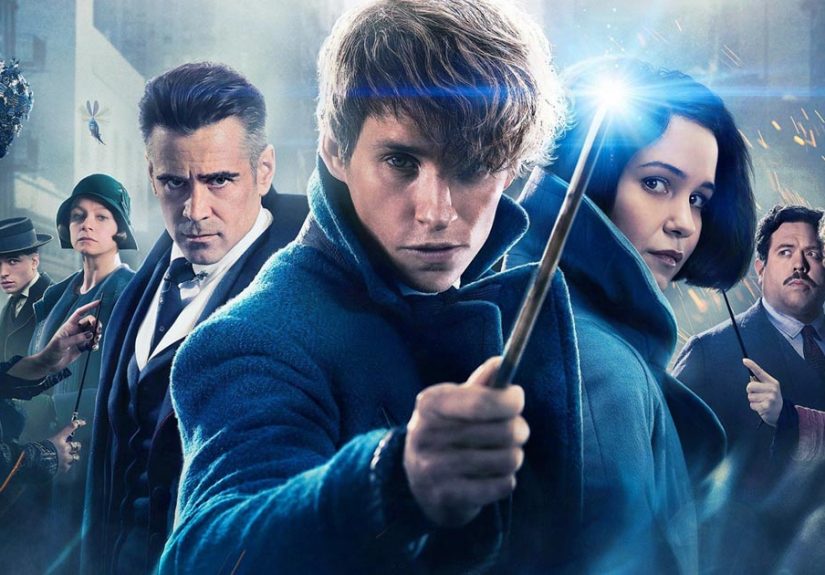
The Fantastic Beasts series began with a promising idea: explore the wizarding world beyond Harry Potter, with Newt Scamander as an awkward, creature-loving lead in 1920s New York. That could have opened a fresh corner of the franchise. But as the series expanded, it became increasingly tied to familiar wizarding history, major legacy figures, and large-scale mythology. The wider world began bending back toward the same gravitational center.
The Hobbit films faced a different but related challenge. J.R.R. Tolkien’s original book is a relatively lean adventure compared with The Lord of the Rings. Expanding it into a large trilogy created room for spectacle, battles, and connections to the later saga, but it also risked making a smaller tale carry the weight of an epic war machine.
How prequels can fix it
The solution is simple but scary: let new characters matter. Let the world exist beyond the original heroes. Let a prequel explore corners that are not just backstage areas for famous moments.
House of the Dragon works best when it leans into its own political poison: succession, resentment, family ambition, and dragons as nuclear weapons with wings. It is connected to Game of Thrones, of course, but its strongest scenes are not about reminding viewers of Daenerys. They are about watching a dynasty rot from the inside.
A prequel should make the universe feel larger when it ends. If it only proves that everything important was secretly connected all along, it has not expanded the world. It has folded it into a brochure.
5. Confusing Lore With Character Development
Lore is fun. Lore gives fans maps, timelines, family trees, invented languages, cursed artifacts, and the ability to win arguments in comment sections with terrifying confidence. But lore is seasoning. Character is the meal.
Many prequels drown in lore because world-building feels productive. Writers can explain institutions, wars, prophecies, bloodlines, political systems, and ancient grudges. Suddenly the story has many nouns. Proper nouns everywhere. Capitalized nouns marching in formation.
But the audience does not cry because the Council of Extremely Serious Robe People changed its policy in Year 427 of the Crystal Age. The audience cries because someone wanted love and chose power. Because a friendship broke. Because a decent person compromised once, then again, then again, until they could no longer find the door back.
This is where the strongest prequels separate themselves. Better Call Saul is full of legal procedures, cartel politics, and connections to Breaking Bad, but its real subject is identity. Andor contains rebellion logistics and Imperial bureaucracy, but its real subject is awakening. The details matter because they pressure the characters. They are not there merely to decorate the timeline.
How prequels can fix it
Every piece of lore should pass a character test: Who wants something because of this? Who is hurt by this? Who changes because of this? If the answer is “nobody, but the fan wiki gets longer,” the scene probably belongs in bonus material.
The best prequels are not afraid of quiet scenes. They know that a conversation can be more revealing than a battlefield if the characters are written with precision. Spectacle may sell the trailer, but character makes the audience return.
Why Prequels Are So Tempting Anyway
Studios keep making prequels because familiar intellectual property is valuable. A known title reduces marketing risk, attracts built-in fans, and gives executives a comforting sense that somebody, somewhere, already cares. In a crowded entertainment market, recognizable brands are not just stories. They are survival equipment.
There is nothing wrong with that by itself. Some of the greatest works in popular culture are expansions, adaptations, sequels, or prequels. The issue is not that prequels exist. The issue is that many are designed backward. They begin with a slot on a release calendar, then search for a reason to exist.
A prequel deserves to exist when it has a dramatic question that the original could not answer. Not a trivia question. Not “How did the logo get its dent?” A dramatic question. What broke this person? What belief system created this villain? What did ordinary people sacrifice before the hero arrived? What happens when history remembers the legend but forgets the bodies underneath it?
That is rich territory. Prequels can explore systems, failures, generational trauma, political collapse, moral corruption, and the little choices that make catastrophe look inevitable in hindsight. Used well, the format is not a cash grab. It is tragedy with a known destination.
Experiences and Observations: Watching Prequels as a Fan, Critic, and Tired Timeline Detective
Anyone who watches enough prequels develops a sixth sense. About twenty minutes in, you can feel whether the story has a pulse or whether it is simply escorting you through required continuity checkpoints. The difference is almost physical. A good prequel makes you lean forward. A weak one makes you start mentally organizing the franchise chronology like a tax form.
The most frustrating experience is watching a prequel with a brilliant premise slowly handcuff itself to the original. At first, everything feels fresh. New city. New protagonist. New tone. Maybe even a new genre hiding inside an old brand. Then the familiar names start arriving. The story begins making little bows toward future events. Characters say lines that sound less like dialogue and more like someone winking directly into a convention hall. Suddenly, the new story is no longer walking. It is backing carefully into the old one.
That is when prequels become exhausting. The viewer stops wondering what the characters want and starts wondering how the writers will connect the dots. Instead of drama, we get alignment. Instead of surprise, we get placement. The movie or series becomes a machine for moving chess pieces into the positions they occupied when the original began.
But the best experiences with prequels are the opposite. They make you forget, at least for a while, that you know the ending. Better Call Saul is a perfect example of this feeling. We know Saul Goodman from Breaking Bad, but Jimmy McGill is written with such aching specificity that the destination becomes painful rather than predictable. Every small humiliation matters. Every ethical shortcut lands. You do not watch only to see when he becomes Saul. You watch because part of you hopes, absurdly, that he will not.
That impossible hope is the secret weapon of great prequels. They cannot change the timeline, but they can make the audience emotionally resist it. When a prequel achieves that, the known ending becomes more powerful. The viewer is not bored by inevitability. The viewer is wounded by it.
Andor creates a similar experience. On paper, it sounds like the least necessary pitch in the galaxy: a prequel series about a character from a prequel film to the original Star Wars. That is enough prequel layering to require a structural engineer. Yet the show works because it is not obsessed with explaining a famous hero. It studies how oppression radicalizes ordinary people, how fear becomes policy, and how resistance is built by imperfect humans rather than mythic icons. It gives the audience a reason to care beyond recognition.
As a viewer, that is the kind of prequel that feels rewarding. It does not demand affection simply because you liked something else. It earns attention scene by scene. It understands that nostalgia may open the door, but only strong writing keeps people in the room.
The opposite experience is the prequel that keeps elbowing you in the ribs. “Remember this?” it asks. “Remember that? Remember the thing? Here is the thing before it became the thing.” After a while, even beloved references can feel needy. Nostalgia should be a spice, not a fog machine.
Another common viewer experience is disappointment when a prequel makes characters less interesting by overexplaining them. Villains are especially vulnerable. A mysterious villain can be terrifying because the audience senses depth without seeing the bottom. But when a prequel explains every wound, every motivation, and every symbolic wardrobe choice, the menace can evaporate. Sometimes evil is scarier when it is not fully domesticated by backstory.
That does not mean villains should never receive origin stories. It means the origin must complicate them, not shrink them. The goal is not to turn every monster into a misunderstood intern with childhood trauma and a branding problem. The goal is to reveal something that makes the original performance more disturbing, tragic, or layered.
After watching many prequels, the biggest lesson is this: audiences can forgive knowing the destination if the journey has genuine discovery. They can forgive continuity if the characters breathe. They can forgive fan service if it arrives naturally. What they cannot forgive, at least not for long, is a story that behaves like homework assigned by a franchise committee.
Prequels are not doomed. They are just difficult. They must honor the past without embalming it. They must connect to the original without crawling inside its shadow and setting up camp. Above all, they must remember that chronology is not destiny. Going backward in time only matters if the story moves forward emotionally.
Conclusion: The Prequel Problem Is Really a Story Problem
The biggest mistakes prequels keep making come from the same misunderstanding: they confuse familiarity with meaning. They explain mysteries that worked better as mysteries, drain tension by leaning too hard on known outcomes, stuff scenes with fan service, shrink their universes through endless connections, and bury character beneath lore.
But when prequels work, they can be extraordinary. They can turn inevitability into tragedy, deepen beloved worlds, and reveal emotional truths that the original story only hinted at. The best prequels do not merely show what happened before. They show why it mattered.
That is the standard every prequel should meet. Not “Does this connect?” Not “Will fans recognize it?” Not “Can this support three spinoffs and a collectible popcorn bucket?” The real question is simpler and tougher: Would this story still matter if we did not already love the franchise?
If the answer is yes, congratulations. You may have a real prequel. If the answer is no, please step away from the timeline and leave the mysterious helmet alone.
Note: This article is written for web publication in original American English, synthesizing real entertainment-industry patterns, critical discussion, and widely known franchise examples without copying source text or inserting unnecessary citation placeholders.






 Close
Close