
Table of Contents >> Show >> Hide
- Why a Healthy Crepe Myrtle Usually Blooms So Well
- 1. Your Crepe Myrtle Isn’t Getting Enough Sun
- 2. You’re Feeding It Too Much Nitrogen
- 3. It Was Pruned at the Wrong Time or Too Harshly
- 4. The Plant Is Stressed by Drought, Poor Drainage, or the Wrong Site
- 5. Pests, Disease, Cold Damage, or Youth Are Interrupting the Bloom Cycle
- A Simple Bloom Checklist for Troubleshooting
- What Usually Works Fastest
- Garden Experiences: What This Problem Looks Like in Real Life
- Final Thoughts
If your crepe myrtle is giving you plenty of leaves, plenty of attitude, and exactly zero flowers, welcome to one of the most common summer garden mysteries. This tree is famous for putting on a long, colorful show when the weather heats up. So when it stays stubbornly green and bloom-free, it feels a little like buying concert tickets only to discover the lead singer never came on stage.
The good news is that a crepe myrtle that isn’t blooming is usually trying to tell you something. Most of the time, the issue comes down to light, pruning, fertilizer, moisture, or stress from pests and disease. In other words, your tree is not being dramatic for no reason. It has notes.
In this guide, we’ll walk through the five most common reasons a crepe myrtle won’t bloom, how to diagnose each one, and what to do next. We’ll also cover a few real-world garden experiences that can help you spot the problem faster and fix it without turning your yard into a full-time horticulture crime scene.
Why a Healthy Crepe Myrtle Usually Blooms So Well
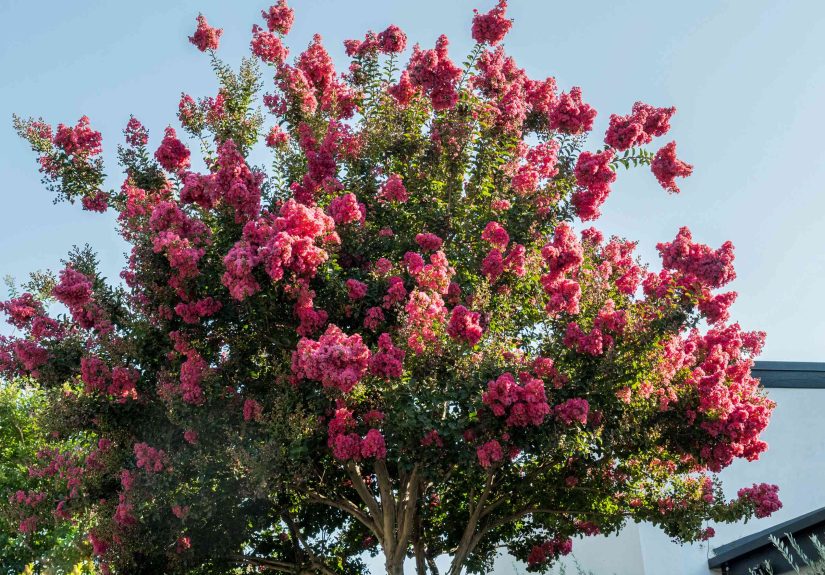
Before we get into what’s going wrong, it helps to know what a crepe myrtle likes when life is going right. These trees and shrubs bloom on new season growth, which means they produce flowers on fresh growth made in spring and early summer. They also prefer full sun, well-drained soil, moderate feeding, and sensible pruning. Give them that, and they usually reward you with clusters of ruffled flowers that look like crepe paper had a glamorous little breakdown.
One quick note before you panic: a young plant may simply need more time. If your crepe myrtle is still getting established, especially if it was planted recently or started small, patience may be part of the fix. But if it bloomed before and suddenly stopped, or if it has been in the ground long enough to know better, one of the reasons below is usually the culprit.
1. Your Crepe Myrtle Isn’t Getting Enough Sun
Why shade kills the flower show
Crepe myrtles are sun worshipers. If they are planted where they get only a few hours of direct light, bloom production drops fast. In heavier shade, they may grow leaves just fine, stretch awkwardly toward the light, and still refuse to put on a serious flower display. Trees planted too close to buildings, fences, or larger shade trees often struggle for this reason.
Even partial shade can reduce flowering. You may see blossoms only on the outer or uppermost parts of the plant while the rest stays bloomless. That uneven pattern is a big clue that sunlight is the issue.
How to fix it
- Aim for at least 6 to 8 hours of direct sun each day, with 8 hours being even better.
- Trim back nearby branches if overhead trees are casting dense afternoon shade.
- If the plant is still young enough to move, transplant it during the dormant season to a sunnier location.
- When planting a new crepe myrtle, think about future shade, not just current shade. That cute little sapling near the oak may become a very moody understory shrub later.
If your crepe myrtle is in a lawn surrounded by bigger trees, it may be dealing with two problems at once: too little sunlight and too much root competition for moisture. That combo is especially rough on blooming.
2. You’re Feeding It Too Much Nitrogen
Why lush leaves are not the same as success
Plenty of gardeners assume a bloom problem means the plant needs more fertilizer. Sometimes that is true. But with crepe myrtles, too much nitrogen is often the bigger problem. Nitrogen encourages leafy, vigorous growth. Great if your goal is a jungle. Less great if your goal is flowers.
This problem often shows up when a crepe myrtle is planted in or near a heavily fertilized lawn. The tree gets a steady buffet of turf fertilizer, pushes out lots of green shoots and foliage, and delays or reduces flowering. In extreme cases, you get a big healthy-looking plant that seems to have forgotten why people plant crepe myrtles in the first place.
How to fix it
- Stop high-nitrogen fertilizer applications, especially lawn feed drifting into the root zone.
- Use a light application of a balanced fertilizer only if your soil truly needs it.
- Do not fertilize repeatedly just because you feel hopeful. Hope is not a fertilizer program.
- Add compost or organic mulch to improve soil gradually instead of chasing fast top growth.
If your plant has long, soft shoots and lots of leaves but few buds, nitrogen overload is a strong possibility. A soil test can help if you want a more precise plan, especially in landscapes that have been fertilized for years.
3. It Was Pruned at the Wrong Time or Too Harshly
Why “crape murder” backfires
Crepe myrtles bloom on new wood, which leads some people to assume they can hack them down hard and still get glorious flowers. Technically, severe pruning may still produce blooms, but it often delays flowering, creates weak growth, ruins the natural shape, and leaves the tree looking like it lost a bet.
Another common mistake is pruning after new spring growth begins. Once the plant has started making fresh growth, it is already investing energy in the stems that will carry summer flowers. Cutting those off can reduce or delay blooming. Pruning in late summer or early fall can also encourage tender new growth that may be damaged by cold before it hardens off.
How to fix it
- Do structural pruning in late winter or very early spring, before new growth starts.
- Remove dead, crossing, crowded, or weak branches instead of topping the plant.
- Choose a cultivar that fits the space so you are not constantly fighting its mature size.
- Remove basal suckers and water sprouts when they appear.
If you already pruned badly this season, don’t panic-prune again. Let the tree recover, grow naturally, and reset your pruning plan for the dormant season. Many crepe myrtles bounce back surprisingly well once the haircutting stops.
4. The Plant Is Stressed by Drought, Poor Drainage, or the Wrong Site
Why a stressed plant postpones blooming
Crepe myrtles are tough once established, but “tough” is not the same as “thrilled.” A plant under water stress may conserve energy instead of producing flowers. That stress can come from too little water during the bloom season, especially in hot dry weather, or from soil that stays too wet and limits healthy root function.
Poor drainage is a sneaky problem because the plant may not look dramatically wilted. Instead, it just never performs well. Blooming can be weak, delayed, or absent. Site issues such as compacted soil, heavy foot traffic, crowding, and root competition from nearby trees can make matters worse.
How to fix it
- Water deeply during dry spells, especially while buds are forming and flowers should be developing.
- Mulch the root area to help conserve moisture and reduce stress.
- Keep mulch a few inches away from the trunk. Mulch volcanoes are not landscaping. They are evidence.
- If the site stays soggy, improve drainage, reduce over-irrigation, or consider moving the plant to a better location.
- Avoid planting too close to large trees that steal both moisture and light.
A newly planted crepe myrtle is especially vulnerable. It may need regular watering while establishing roots, even though a mature plant can handle dry conditions much better. If yours was planted recently and has not bloomed yet, establishment stress may be part of the story.
5. Pests, Disease, Cold Damage, or Youth Are Interrupting the Bloom Cycle
Why the problem may be more than one thing
Sometimes a crepe myrtle does everything almost right, but a secondary issue interferes with flowering. Aphids, bark scale, and powdery mildew are common culprits. Heavy aphid infestations can weaken bloom performance. Bark scale and the sticky honeydew it produces can reduce vigor. Powdery mildew is especially troublesome because it can coat buds and flowers, causing blooms to distort or fail to open.
Weather can also interfere. If a plant was pruned too late and pushed tender new growth, a freeze can damage those shoots. In cooler regions, cold injury may knock back growth enough to delay flowers. And of course, some younger plants are simply not mature enough yet to bloom heavily.
How to fix it
- Inspect the plant closely for white powdery growth, sticky leaves, black sooty mold, clusters of insects, or scale on bark and stems.
- Improve air circulation by thinning crowded branches and reducing shade.
- Wash off minor aphid infestations with water or use appropriate horticultural controls if needed.
- Remove badly infected tips or blooms when disease is localized.
- Avoid pushing tender new growth late in the season with pruning or excess fertilizer.
- If the plant is young, give it another growing season before declaring a floral mutiny.
If you are seeing black sooty mold, don’t assume the mold itself is the first problem. It often follows honeydew-producing insects such as aphids or bark scale. In other words, the grime is the smoke, not the fire.
A Simple Bloom Checklist for Troubleshooting
If your crepe myrtle still is not flowering, walk through this quick checklist:
- Does it get 6 to 8 hours of direct sun?
- Was it overfed with lawn fertilizer or high-nitrogen plant food?
- Was it topped, butchered, or pruned after spring growth started?
- Is the soil staying bone-dry or soggy?
- Do you see aphids, scale, powdery mildew, or cold damage?
- Is the plant still young or newly planted?
Usually, one of those answers will jump out immediately. Occasionally, you will find two or three working together, which is why some crepe myrtles seem mysteriously disappointing. They are not mysterious. They are multitasking their problems.
What Usually Works Fastest
If you want the most practical action plan, start here:
- Increase sunlight if possible.
- Stop high-nitrogen feeding.
- Prune correctly next dormant season, not impulsively this weekend.
- Water deeply during dry flowering weather and fix drainage issues.
- Treat pest or disease pressure early before buds and new growth suffer.
Once conditions improve, many crepe myrtles return to blooming without much drama. And that is nice, because the rest of your garden is probably dramatic enough already.
Garden Experiences: What This Problem Looks Like in Real Life
One of the most useful things about diagnosing a bloom problem is noticing the pattern, because crepe myrtles tend to fail in surprisingly recognizable ways. Gardeners often describe the same handful of situations again and again. The plant is alive, leafed out, and maybe even growing like crazy, but the flowers are missing or pathetic. That combination can feel confusing at first, because the tree doesn’t look dead. It just looks uncooperative.
A very common experience is the “it used to bloom before the neighbor’s tree got bigger” scenario. For years, the crepe myrtle flowers normally. Then a nearby oak, maple, or magnolia matures and begins casting several extra hours of shade. The homeowner may not notice the gradual change right away, but the crepe myrtle definitely does. The first clue is often fewer blooms on the lower half, followed by flowering only at the top or outer edges. By the time someone asks why it stopped blooming, the answer is literally hanging overhead.
Another classic case is the “my lawn looks amazing, but my crepe myrtle forgot how to flower” situation. In these landscapes, the tree sits in a richly fertilized lawn and gets hit with regular turf treatments. The plant responds with vigorous green growth, long shoots, and plenty of leaves, which looks healthy from a distance. But up close, the flower buds are sparse or delayed. Gardeners are often surprised to learn that they did not starve the tree. They spoiled it in exactly the wrong way.
Then there is the post-pruning regret experience. Someone cuts the plant back hard because a relative said that is how you get “more blooms.” What follows is often an explosion of fast, awkward shoots and a tree that looks less like a graceful specimen and more like it is trying to regrow from bad decisions. It may still flower a bit, but the show is later, weaker, or uneven. The bigger loss is often the plant’s shape, which can take several seasons to recover.
Moisture stress has its own telltale story. During a hot, dry summer, a crepe myrtle in a parking strip or near a driveway may set buds, stall out, and never fully open its flowers. In another yard, a plant in heavy clay stays too wet after frequent irrigation and never performs well at all. In both cases, gardeners sometimes assume they need more fertilizer, when the real issue is root stress. The plant is not asking for snacks. It is asking for better living conditions.
Finally, pest and disease problems tend to create a very specific emotional arc. First, the gardener notices sticky leaves or black residue. Then there is confusion. Then there is a flashlight inspection, mild outrage, and a trip down the internet rabbit hole. Aphids, bark scale, and powdery mildew are all capable of dragging down bloom performance when they become heavy enough. Once the underlying issue is handled and the plant gets proper sun and airflow, the recovery can be surprisingly satisfying. A crepe myrtle that looked grimy, stressed, and stingy one summer can return the next year with a full floral comeback, like a diva arriving late but still nailing the finale.
Final Thoughts
If your crepe myrtle is not blooming, the problem is usually fixable. Start with the basics: sunlight, fertilizer, pruning, water, and plant health. Resist the urge to throw random products at it and call that a plan. A careful diagnosis works better than a frantic garden shopping spree.
Once the conditions improve, most crepe myrtles are eager to get back to what they do best: covering themselves in summer color and making you forget all about the weeks you spent side-eyeing them from the patio.





 Close
Close