
Table of Contents >> Show >> Hide
- 1) Serve a High-Energy Winter Menu (Not Just “Mystery Seed Blend”)
- 2) Offer Liquid Water (Because Snow Is Not a Convenient Beverage)
- 3) Build Cozy Shelter With Plants, Piles, and “Bird Real Estate”
- 4) Keep It Clean (Because Bird Buffets Can Turn Into Germ Festivals)
- 5) Remove Backyard Hazards (So Your Haven Doesn’t Come With Plot Twists)
- Conclusion: Your Winter Bird Haven Plan (Simple, Not Fancy)
- Bonus: of Real-World “Backyard Experience” Tips (So You Don’t Learn the Hard Way)
Winter turns your backyard into a survival game with feathers. Food is harder to find, water is often frozen solid, and the wind has the personality of a rude coworker. The good news: you can tip the odds in birds’ favor with a few smart upgradesno PhD in Ornithology required, and absolutely no tiny parkas (birds hate those).
A true winter bird haven isn’t just a feeder slapped onto a branch like an afterthought. It’s a complete setup: reliable high-energy food, unfrozen water, safe places to shelter, and a yard that doesn’t accidentally become a “hazards exhibit” (looking at you, reflective windows and free-roaming cats).
Below are five practical, bird-approved ways to make your space the neighborhood’s most popular winter hangout. Expect more color at your feeders, more fascinating behavior to watch, and a lot more “Wait… was that a woodpecker?” moments.
1) Serve a High-Energy Winter Menu (Not Just “Mystery Seed Blend”)
Winter is calorie season. Many backyard birds burn serious energy staying warm, so your goal is simple: offer quality, high-fat foods and enough variety that different species can find something they like. Think of it as hosting a buffet where everyone has a different dietary preference and at least one guest insists on eating upside down.
Go-to foods that pull their weight in cold weather
- Black-oil sunflower seed: a fan favorite for lots of species, thanks to high oil content and easy-to-crack shells.
- Suet: a winter MVP for woodpeckers, nuthatches, chickadees, and other insect-eaters that need concentrated energy.
- Nyjer (thistle) seed: tiny seeds, big payoffespecially for finches.
- Unsalted peanuts or peanut pieces: high-protein, high-fat fuel (offer in appropriate feeders to reduce choking risks).
- Fruit options: some birds go for dried fruit or fruit-bearing shrubs when available.
Match feeder style to bird “table manners”
Different birds feed at different “levels” of your yardsome prefer ground, some shrubs, some trees. To attract a wider range of winter birds, use more than one feeder style and place them thoughtfully:
- Tube feeders for small seeds (great for finches and chickadees).
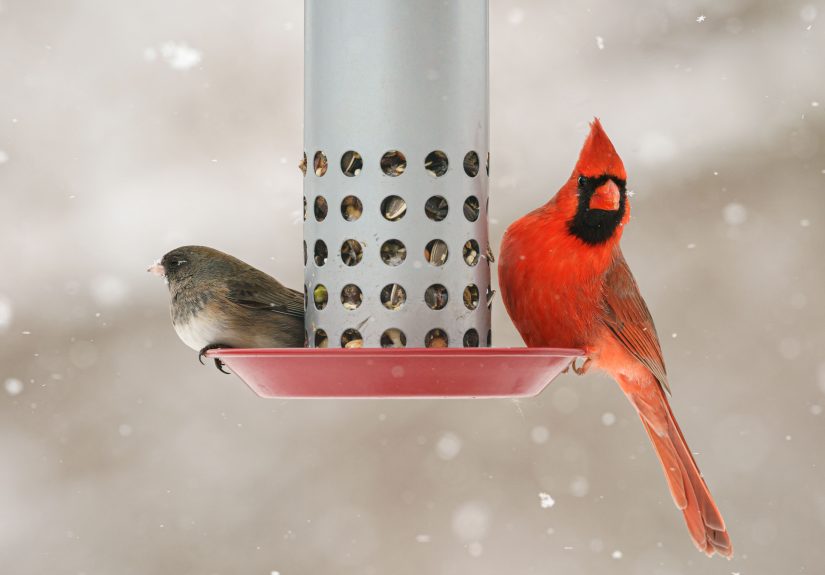
- Hopper feeders for mixed seed (popular with cardinals and many songbirds).
- Platform/tray feeders for a broader crowd (but keep them cleanmore on that soon).
- Suet cages mounted higher for clingers like woodpeckers and nuthatches.
Winter strategy: consistency matters
Once birds learn your yard is reliable, they’ll work it into their daily route. That doesn’t mean birds “can’t live without you,” but steady food can help during stretches of severe weatherespecially when natural foods are buried under snow or locked in ice. Start early in the season if you can, and keep offerings fresh and protected from moisture.
Pro move: prioritize quality seed over cheap filler. Many bargain mixes include stuff birds don’t love, which becomes waste on the groundalong with an open invitation for rodents to RSVP.
2) Offer Liquid Water (Because Snow Is Not a Convenient Beverage)
Food gets all the attention, but in winter, water can be the real magnet. Birds need it for drinking and feather maintenance, and melting snow takes energyenergy they’d rather spend on, you know, not freezing. A reliable water source can bring in birds even when feeders are ignored.
The easiest upgrade: a heated bird bath
If your climate freezes, a heated birdbath (or a heater insert designed for bird baths) is one of the highest-impact changes you can make. Place it where birds can see it, but not where predators can easily ambush them. Refresh water regularly and keep it cleanbirds appreciate hygiene more than some humans.
Placement tips that actually matter
- Near cover, not inside cover: birds like a quick escape route, but not a “surprise cat doorway.”
- Stable and safe: a wobbly bath is basically a slip-and-fall lawsuit waiting to happen (in bird court).
- In view: birds are more likely to use water they can scout easily.
If you can’t do a heater, try swapping in fresh water during the warmest part of the day, or use a small bubbler where appropriate to slow icing. Even “just not frozen” is a luxury in midwinter.
3) Build Cozy Shelter With Plants, Piles, and “Bird Real Estate”
In winter, shelter is safety, warmth, and stress reduction all rolled into one. A bird-friendly backyard isn’t a wide open lawn with a lonely feeder in the middle like a snack stand in a parking lot. Birds want cover from wind, places to hide from predators, and natural spaces to rest.
Evergreens: the all-season VIP lounge
Evergreen trees and shrubs provide dense cover when everything else is bare. They act like windbreaks, hiding places, and overnight roosting spots. If your yard is mostly open, adding evergreens is a long-term investment in turning your space into a true bird-friendly backyard.
Brush piles: ugly to you, perfect to birds
A brush pile is the winter equivalent of a cozy cabin. Stack fallen branches loosely in a corner of your yard, ideally near evergreen cover. Small birds can duck in during storms, and ground-feeders can forage around the edges. Bonus: you get to feel virtuous while being slightly messy.
Roost boxes: a niche but helpful option
Roost boxes are designed for birds to conserve heat overnight (not the same as nesting boxes). They’re not mandatory, but in harsh climates they can help, especially when placed properly and maintained.
Don’t “clean up” all the winter food
If you want birds, don’t erase the menu nature already put out. Leaving seed heads on certain perennials, allowing some leaf litter to remain, and keeping berry-producing shrubs can add natural forage and insect life. It’s less about chaos and more about strategic laziness.
4) Keep It Clean (Because Bird Buffets Can Turn Into Germ Festivals)
Feeding birds concentrates birdsand where birds gather, diseases can spread if conditions get gross. The goal isn’t perfection; it’s a simple routine that keeps food dry, surfaces clean, and traffic flowing.
Basic winter hygiene rules
- Clean seed feeders regularly: a common baseline recommendation is about every two weeks, and more often during heavy use or wet weather.
- Use a dilute bleach solution when disinfecting: many wildlife and bird organizations recommend a household bleach-and-water mix, followed by thorough rinsing and complete drying.
- Dump wet or clumped seed: moisture invites mold, which is bad news for birds.
- Rake or tidy the area beneath feeders: reduces waste buildup and discourages unwanted visitors.
Spacing reduces stress and squabbles
Multiple feedersespecially at different heightscan reduce crowding and competition. It also helps timid birds eat without being bullied by the loud guy who acts like he owns the place (every feeder has one).
When to hit pause
If you notice multiple sick or unusually lethargic birds around your feeding station, consider temporarily removing feeders and cleaning thoroughly. A short break can reduce congregation and help limit spread. Keep offering clean water if you can, and resume feeding once conditions improve.
5) Remove Backyard Hazards (So Your Haven Doesn’t Come With Plot Twists)
A winter bird haven should feel safe. Two of the biggest preventable dangers in typical neighborhoods are window collisions and free-roaming cats. Add in pesticides, harsh chemicals, and bright nighttime lighting, and birds are basically navigating an obstacle course.
Prevent window strikes with smart feeder placement
Birds often don’t recognize glass as a barrierreflections can look like open sky or inviting trees. A widely used strategy is to place feeders either very close to windows (so birds can’t build up dangerous speed) or farther away (so they’re less likely to launch directly into glass). The “in-between” zone can be the riskiest. Pair this with window treatments that make glass more visible to birds.
Make peace with your cat (and your local birds)
Outdoor cats are extraordinarily effective predators. If your goal is a bird-friendly backyard, the single best step is to keep cats indoors or provide safe outdoor access like a catio or supervised leash time. This protects birds and is often safer for the cat, too.
Skip pesticides and go easy on chemicals
Many birds rely on insects at least part of the year, and even seed-eaters benefit indirectly from healthier habitat. Minimizing pesticides supports the broader food web and helps keep your yard functioning like an ecosystem instead of a sterile green carpet.
Turn down the night lights
Excess outdoor lighting can confuse birds, especially during migration seasons in some regions. Keeping nighttime lighting minimal (or motion-based) is a simple “be kind” upgrade.
Conclusion: Your Winter Bird Haven Plan (Simple, Not Fancy)
If you only do three things this week, do these: put out high-quality winter food, add unfrozen water, and make sure the setup is safe (clean feeders, fewer window risks, cats contained). If you do those well, you’ll have a backyard that birds can depend on when winter is at its most dramaticand you’ll get a front-row seat to one of the best nature shows available without paying a subscription fee.
Start small, improve one corner at a time, and don’t worry about doing everything perfectly. Birds aren’t grading your landscaping. They’re looking for the basics: food, water, shelter, and safety. Nail those, and you’ve built something genuinely helpfulplus wildly entertaining.
Bonus: of Real-World “Backyard Experience” Tips (So You Don’t Learn the Hard Way)
Here’s what tends to happen once you decide to make your backyard a winter bird haven: the birds show up… and then your yard becomes a tiny, feathery society with opinions. If you’ve ever hosted a holiday dinner, you already understand the vibe.
First, expect a “discovery phase.” For a few days, you might think your feeder is invisible. It isn’t. Birds are cautious and will often watch from nearby cover before committing. You’ll notice a chickadee or titmouse do quick fly-ins like they’re testing the security system. Once a couple of confident birds start visiting regularly, others follow. It’s basically neighborhood gossip, but with wings.
Second, your seed choice will reveal who you’re feeding. Black-oil sunflower tends to bring a broad mix, while nyjer can make finches appear like someone flipped on a “tiny yellow confetti” switch. If you add suet during cold weather, you’ll likely see more woodpeckers and nuthatchesand you might witness the comedic upside-down acrobatics that make winter birdwatching so good. If you’re trying to attract cardinals, a platform or hopper feeder placed near shrub cover is often more successful than a hanging tube feeder alone.
Third, water changes the game. People are often shocked at how fast birds find a reliable water source in winter. Even a simple bath that stays unfrozen can outcompete your fanciest feeder on some days. If you live where it freezes, the water station becomes your “secret weapon” for consistent visits, especially during dry cold snaps. Keep it clean, and you’ll see birds stop by for quick sips and feather maintenancetiny routines that tell you the habitat is working.
Fourth, you’ll learn that winter is the season of “wet seed drama.” One snowfall or freezing rain can turn cheap seed into a soggy brick. That’s why covered feeders, fresh seed in smaller portions, and a quick check after storms matter. Tossing damp seed feels wasteful, but it’s better than letting moldy food sit out. The most bird-friendly habit is simple: keep food dry, keep surfaces clean, and don’t let old debris accumulate under the feeder.
Finally, every successful backyard haven eventually faces the two classic challenges: squirrels and safety. Squirrels are persistent and sometimes frankly impressive, so plan on using baffles or feeder designs that reduce access. Meanwhile, safety is about details you might not notice at firstlike a feeder placed too close to a reflective window, or shrubs so dense they become a predator’s hiding spot right next to the buffet. Small adjustments (moving a feeder, adding window markers, positioning cover a little farther away) can dramatically improve outcomes.
The big takeaway: a winter bird haven isn’t a one-time setupit’s a relationship. You try something, observe what shows up, tweak your “menu and layout,” and suddenly your backyard turns into the most interesting place you own.





 Close
Close