
Table of Contents >> Show >> Hide
- Why Sticker Residue Happens in the First Place
- Before You Start: 5 Smart Rules That Prevent Damage
- 1) Use Heat (Hair Dryer or Steamer) to Loosen the Glue
- 2) Rubbing Alcohol (Isopropyl Alcohol) for a Fast, Clean Finish
- 3) White Vinegar Compress for a Pantry-Friendly Solution
- 4) Cooking Oil (or Peanut Butter) to Break the Sticky Grip
- 5) Hot Water + Dish Soap Soak (Especially for Jars, Dishes, and Glass)
- 6) Commercial Adhesive Removers (Goo Gone, Citrus-Based Removers, WD-40, and Similar Products)
- Surface-by-Surface Quick Guide (So You Don’t Accidentally Melt, Smear, or Scratch Anything)
- Common Sticker Removal Mistakes That Make Residue Worse
- Conclusion
- Real-World Experiences and Lessons Learned (Extended Section)
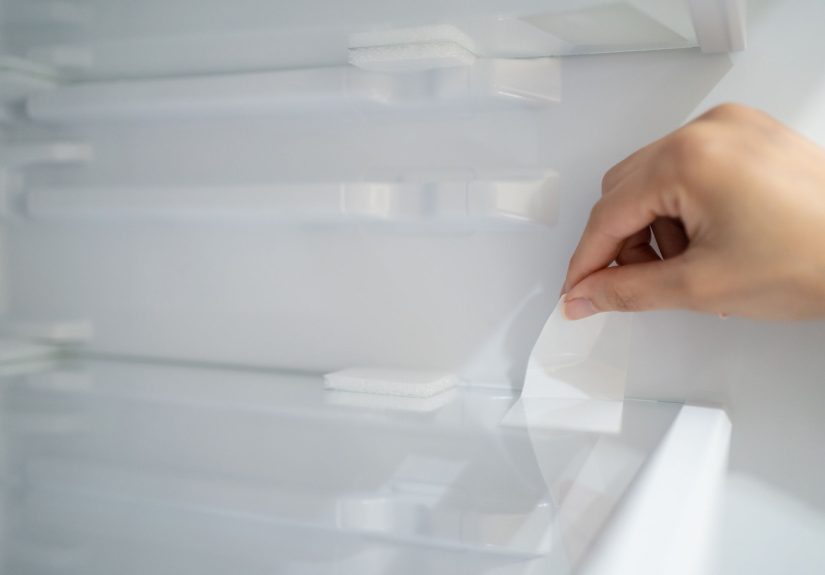
Stickers are fun until they turn into a crime scene. One minute you’re peeling off a price tag from a new mug, a label from a jar, or a superhero decal from your kid’s bedroom mirror. The next minute you’re staring at a fuzzy patch of glue, paper fibers, and regret. The good news? You do not need to attack it with your fingernails like a raccoon opening a snack pack.
This guide walks you through six genius ways to remove stickers without leaving residue using practical methods that actually work. We’ll cover heat, rubbing alcohol, vinegar, oil, soaking, and commercial adhesive removers, plus surface-by-surface safety tips for glass, plastic, wood, metal, electronics, and fabric. If you want clean surfaces without scratches, cloudy finishes, or sticky leftovers, you’re in the right place.
Why Sticker Residue Happens in the First Place
Most stickers use pressure-sensitive adhesive. That glue is designed to stick fast and stay put, but heat, age, moisture, and sunlight can change how it behaves. Sometimes the sticker peels off cleanly. Sometimes the paper tears, leaving the glue behind like it paid rent and moved in permanently.
The secret to removing sticker residue cleanly is simple: soften the adhesive first, then lift it gently. The biggest mistake people make is scraping too soon, too hard, or using a harsh solvent on the wrong material.
Before You Start: 5 Smart Rules That Prevent Damage
- Test first: Try any method on a hidden spot, especially on painted, finished, or delicate surfaces.
- Use plastic, not metal (most of the time): A plastic scraper, old gift card, or plastic spatula is safer than a knife.
- Work in stages: Peel, soften, wipe, then repeat if needed. Don’t try to “win” in one pass.
- Clean after removal: Many methods leave oil or cleaner behind. Wash with mild soap and water and dry thoroughly.
- Respect electronics: Never spray liquid directly onto devices. Apply to a cloth first and keep moisture out of openings.
Helpful tools: microfiber cloths, paper towels, cotton pads, dish soap, warm water, a plastic scraper/old credit card, and patience (the least fun tool, but the most important).
1) Use Heat (Hair Dryer or Steamer) to Loosen the Glue
Best for
Glass, metal, ceramic, sealed countertops, and many hard surfaces with labels or price stickers.
Why it works
Heat softens many adhesives so the sticker peels up more easily and the residue releases with much less scrubbing. This is one of the cleanest, least messy methods, which is why it’s a favorite for jars, dishes, and décor.
How to do it
- Set a hair dryer to medium or high heat.
- Hold it a few inches away from the sticker for 30–90 seconds.
- Lift one corner with a fingernail or plastic scraper.
- Peel slowly while applying more heat as needed.
- Wipe remaining residue with a microfiber cloth; if needed, follow with a little rubbing alcohol or dish soap.
Pro tip
A garment steamer can also help soften adhesive on surfaces like glass, furniture, or countertops. Think of it as a spa treatment for stubborn labels.
What to avoid
Don’t overheat plastic, laminate, or painted surfaces. If the surface feels hot to the touch, pause and let it cool.
2) Rubbing Alcohol (Isopropyl Alcohol) for a Fast, Clean Finish
Best for
Glass, plastic, metal, ceramic, and many sealed surfaces. It’s also a go-to for sticky patches left after the sticker itself is gone.
Why it works
Rubbing alcohol is a solvent that helps break down adhesive residue so it wipes off instead of smearing around like a sticky ghost.
How to do it
- Dampen a cloth, cotton pad, or paper towel with rubbing alcohol (don’t soak the surface).
- Press it onto the sticky area for 2–10 minutes depending on how stubborn the residue is.
- Rub gently in small circles or wipe in one direction.
- Use a plastic scraper if needed for softened glue.
- Wash with mild soap and water, then dry.
Electronics safety note
For phones, laptops, and tablets, use a soft lint-free cloth and keep liquids away from openings. Never spray directly on the device. If you’re removing sticker residue from a laptop lid or phone case area, use a lightly dampened cloth and minimal pressure.
What to avoid
Do not use strong solvents on delicate coatings, unfinished wood, or surfaces that can discolor. For screens, follow the device manufacturer’s cleaning guidance.
3) White Vinegar Compress for a Pantry-Friendly Solution
Best for
Glass, ceramic, metal, and some plastic surfaces. Great for jars and bottles you want to reuse.
Why it works
White vinegar can help loosen certain glues and paper backing. It’s inexpensive, easy to find, and surprisingly effective when paired with a little time.
How to do it
- Soak a cloth or paper towel in white vinegar.
- Lay it over the sticker residue for 5–10 minutes.
- Lift the cloth and scrape gently with a plastic card.
- Repeat if needed, then wash with warm soapy water.
- Dry thoroughly to prevent streaks.
Pro tip
Warm vinegar often works better than cold vinegar on glassware and jars. Just don’t go wild with heat on delicate items.
What to avoid
Vinegar can dull or damage some natural stone surfaces and certain finishes. Keep it away from unsealed materials unless you’ve tested first.
4) Cooking Oil (or Peanut Butter) to Break the Sticky Grip
Best for
Plastic containers, metal items, glass jars, and hard surfaces where scratching is a concern.
Why it works
Oils can work their way into adhesive and weaken its grip. Peanut butter also works because, yes, it contains oils. It sounds like a weird internet prank, but it’s a legit trick for many surfaces.
How to do it
- Apply a thin layer of cooking oil (olive, canola, coconut) or a dab of peanut butter.
- Let it sit for 10–30 minutes.
- Wipe away loosened residue with a cloth.
- Use a plastic scraper for stubborn bits.
- Wash thoroughly with warm water and dish soap to remove oily film.
Cleanup trick
If the surface still feels slick after washing, add one more drop of dish soap and buff with a microfiber cloth. Adhesive residue may be gone, but oil residue is still residueand we’re not here for half-victories.
What to avoid
Some oils can stain porous materials or leave marks on certain plastics. Always spot-test first.
5) Hot Water + Dish Soap Soak (Especially for Jars, Dishes, and Glass)
Best for
Glass jars, bottles, dishes, and items that can be safely submerged.
Why it works
Warm water softens adhesives, and dish soap helps loosen greasy or sticky residue. This method is cheap, gentle, and ideal for bulk label removal if you’re reusing jars for storage, crafts, or meal prep.
How to do it
- Fill a sink or basin with hot (not dangerously boiling for delicate glass) water.
- Add a few drops of dish soap.
- Submerge the item so the sticker is fully covered.
- Soak for 10–20 minutes.
- Peel and scrape gently with a plastic card.
- For leftover stickiness, sprinkle a little baking soda on a damp cloth and rub lightly, then rinse and dry.
When this method shines
This is one of the best sticker removal methods for jars from candles, pasta sauce, pickles, and fancy jam you bought because the label looked “aesthetic.”
What to avoid
Don’t use very hot water on fragile glass; sudden temperature changes can crack it. If the item has paper inserts, wood lids, or glued decorations, avoid soaking the whole thing.
6) Commercial Adhesive Removers (Goo Gone, Citrus-Based Removers, WD-40, and Similar Products)
Best for
Stubborn residue that laughs at pantry hacks. Excellent for old labels, heavy glue patches, and sticky buildup on hard surfaces.
Why it works
These products are formulated to dissolve adhesive more efficiently than household methods. They’re often the fastest option when you need results now, not after 45 minutes of negotiating with a sticker.
How to do it
- Read the label and confirm the product is safe for your surface.
- Apply a small amount to the residue (or to a cloth, depending on the instructions).
- Let it sit for the recommended time.
- Wipe or scrape softened residue away.
- Wash the area with dish soap and water to remove any chemical or oily film.
Important safety notes
- Follow manufacturer directions exactly.
- Use in a ventilated area.
- Keep away from flames and heat sources if the product is flammable.
- Do not use on sensitive materials unless the label says it is safe.
- For fabric or clothing, check garment care labels and product instructions first.
Surface-by-Surface Quick Guide (So You Don’t Accidentally Melt, Smear, or Scratch Anything)
Glass
Start with hot water + dish soap or heat from a hair dryer. Follow with rubbing alcohol or vinegar for leftover adhesive. Use plastic scrapers first; metal blades should only be used carefully on appropriate glass and with proper technique.
Plastic
Try oil first, then rubbing alcohol (spot-test), or gentle heat. Avoid overheating and harsh solvents that may cloud or warp plastic.
Wood (sealed)
Use gentle heat or a small amount of rubbing alcohol on a cloth. Work slowly and avoid soaking the surface. Wipe dry immediately.
Wood (unfinished)
Be extra cautious. Oil can stain, water can swell fibers, and solvents can discolor. Test first and use the least aggressive method possible.
Metal
Heat, alcohol, vinegar, or commercial removers usually work well. Dry thoroughly afterward to prevent water spots or corrosion on some finishes.
Electronics (cases, lids, exterior shells)
Use a lint-free cloth lightly dampened with an approved cleaner or alcohol solution. Never spray directly. Avoid pushing moisture into ports, seams, or buttons.
Fabric
Lift loose bits first, then try tape/lint roller methods before moving to liquid treatments. Test for colorfastness, and be careful with acetone because it can damage some fibers.
Common Sticker Removal Mistakes That Make Residue Worse
- Peeling too fast: This tears the paper and leaves more glue behind.
- Using a metal scraper on soft surfaces: Congratulations, now you have residue and scratches.
- Skipping cleanup: Oil, WD-40, or adhesive remover left on the surface can attract dirt.
- Using too much liquid on electronics: A tiny amount on a cloth goes a long way.
- Using acetone everywhere: It’s powerful, but it can damage plastics, finishes, and some fabrics.
Conclusion
If you want to get stickers off without leaving any residue, the winning formula is: soften first, lift gently, and clean the surface afterward. Start with the least aggressive methodhot soapy water, heat, vinegar, or oilthen move to rubbing alcohol or a commercial adhesive remover if needed. Most sticker disasters are totally fixable with the right method and a little patience.
The best part? Once you know these six sticker removal tricks, you’ll stop dreading price tags, shipping labels, and mystery glue patches. You’ll just look at them, nod calmly, and say, “Not today, sticky nonsense.”
Real-World Experiences and Lessons Learned (Extended Section)
The following examples are composite, real-life style scenarios based on common sticker-removal situations people run into at home, in offices, and in DIY projects.
1) The thrift-store glass vase with the “legendary” price tag. A common experience is peeling off the tag and getting only the top paper layer, while the glue and barcode stay behind like a permanent tattoo. The fix is usually a two-step approach: heat first (hair dryer for about a minute), then rubbing alcohol on a cotton pad. What surprises people is how much easier the second step becomes once the sticker is warmed first. The lesson: sticker residue removal is often about sequence, not force.
2) The new lunchbox or storage container that smells like plastic and comes with three labels. Many people try to scrape the labels dry and end up with scratches. A better experience comes from using cooking oil and waiting long enough. Ten minutes feels slow, but it saves ten more minutes of scrubbing. The biggest “aha” moment is the final wash with dish soap. Without that cleanup step, the lunchbox feels greasy and picks up dust. The lesson: oil is great, but soap finishes the job.
3) Candle jars for DIY storage. This is a classic. People reuse candle jars for cotton swabs, pens, or spices and get stuck on the manufacturer label glue. A hot water and dish soap soak usually loosens the label, but the leftover glue ring often needs baking soda on a damp cloth or a little vinegar. The most successful results come from patience and repeating short cycles instead of one aggressive scrub. The lesson: jar labels come off fastest when you combine soaking and gentle abrasion.
4) Kids’ stickers on furniture or mirrors. Anyone with children knows this is not a question of “if,” but “how many.” On mirrors, heat and a plastic card work beautifully. On furniture, especially painted or finished pieces, gentle heat and a lightly dampened cloth are safer than jumping straight to strong solvents. The lesson: the same sticker can require different methods depending on the surface under it.
5) Office equipment and laptop lids covered in old labels. A common mistake is spraying cleaner directly onto the device. The better approach is using a lint-free cloth with a very small amount of approved cleaner or alcohol solution, then wiping carefully while keeping liquid away from openings. People are often surprised by how little fluid is needed. The lesson: on electronics, precision beats saturation every time.
6) Old shipping labels on bins and organizers. The frustrating part is not the paper labelit’s the cloudy adhesive smear left after. Commercial adhesive removers often win here, especially when the residue is old and hardened. People who get the best results usually follow directions, wait the recommended time, and then wash the surface afterward. The lesson: when household methods stall out, a purpose-made remover can save time and sanity.
Across all these experiences, one pattern shows up again and again: the fastest way to fail is to rush. The fastest way to succeed is to soften the adhesive, use the right tool for the surface, and clean up the residue from the remover itself. Sticker removal isn’t glamorous, but when done right, it feels weirdly satisfyinglike peeling protective film off a new gadget, except with fewer tears and much better endings.






 Close
Close