
Table of Contents >> Show >> Hide
- Birch Fall Color 101: Why Birches Go Golden
- Quick Comparison: 6 Birches at a Glance
- 1) River Birch (Betula nigra): The “I Can Handle Heat” Birch
- 2) Paper Birch (Betula papyrifera): Classic White Bark + Yellow Fall Color
- 3) Yellow Birch (Betula alleghaniensis): Golden Leaves, Golden-Bronze Bark
- 4) Sweet Birch (Betula lenta): Lemon-Gold Fall Color (Plus a Fun Surprise)
- 5) Gray Birch (Betula populifolia): Smaller Size, Big Autumn Payoff
- 6) Himalayan Birch (Betula utilis var. jacquemontii): White Bark + Bright Yellow Leaves
- How to Get Better Fall Color from Any Birch
- Common Birch Problems (and How to Stay Ahead)
- Where Birches Look Best in the Landscape
- FAQ: Quick Answers Before You Pick a Birch
- Real-World Experiences with Birch Trees (Lessons Gardeners Keep Repeating)
- SEO Tags
Birch trees are the undercover celebrities of autumn. All summer they’re politetidy leaves, clean lines, no drama.
Then the first crisp nights show up and suddenly your yard is glowing like it accidentally walked into a fall-themed
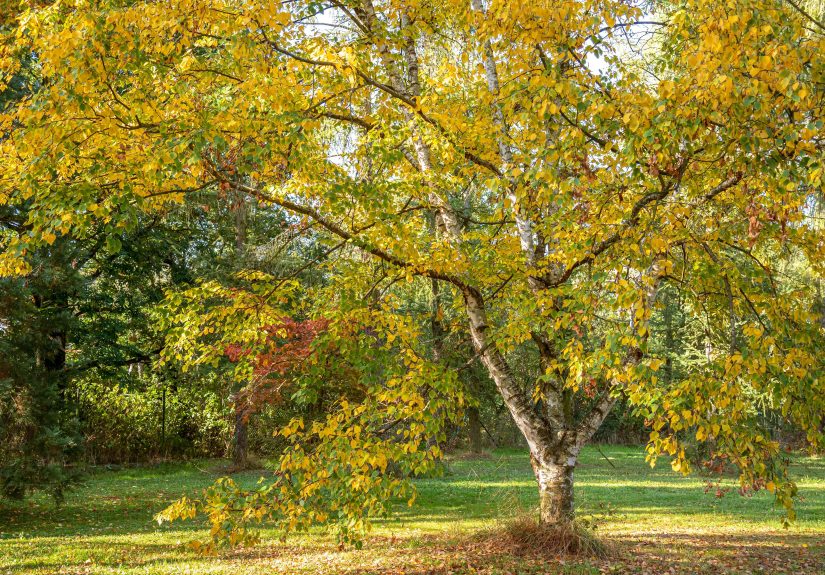
movie set. Most birches don’t do “subtle” in October: they do buttery yellow, bright gold, and warm bronzeoften with
bark that stays gorgeous long after the leaves have hit the lawn.
This guide breaks down six standout birch types (some native, some commonly planted) known for beautiful fall foliage,
plus what they actually need to thrive: climate, soil, watering, and the not-so-fun truth about common birch pests.
If you’ve ever bought a “white birch” because it looked cute at the garden center and then watched it struggle like a
tourist in a July heat waveyeah, we’re fixing that today.
Birch Fall Color 101: Why Birches Go Golden
Birch trees are famous for yellow fall color because their leaves are packed with pigments that read as golden when
chlorophyll fades. Cool nights and sunny days help the transition look crisp and bright. When a birch is stressed
(especially by drought or heat), it can drop leaves early or turn patchy, which is nature’s way of saying,
“I’m outno encore.”
The best fall show usually comes from a birch that had steady moisture through summer, a spot with enough sun to fuel
strong growth, and roots kept cool with mulch or understory plants. Translation: if you want that glowing canopy,
treat the roots like VIPsshaded, hydrated, and not trampled.
Quick Comparison: 6 Birches at a Glance
| Birch Type | Typical USDA Zones | Typical Mature Size | Fall Foliage Color | Best For |
|---|---|---|---|---|
| River birch (Betula nigra) | 4–9 (often happiest in 4–8) | ~50–75 ft tall, 35–50 ft wide | Gold to yellow (often earlier, faster drop) | Warmer regions, moist soils, tough sites |
| Paper birch (Betula papyrifera) | 3–6 | ~50–70 ft tall | Yellow (often showy) | Cool climates, classic “white birch” look |
| Yellow birch (Betula alleghaniensis) | 3–7 (best in cooler areas) | ~50–75+ ft tall | Bright yellow to golden yellow | Woodland edges, moist acidic soils |
| Sweet birch (Betula lenta) | 3/4–7 | ~50–75 ft tall | Lemon-yellow to yellow-gold | Reliable fall color, well-drained sites |
| Gray birch (Betula populifolia) | 4–6 | ~20–40 ft tall | Clear yellow | Smaller yards, poor soils, quick impact |
| Himalayan birch (Betula utilis var. jacquemontii) | Typically 4–7 (varies by cultivar/region) | ~30–50 ft tall (often multi-stem) | Bright yellow | Ornamental bark + fall color (cooler climates) |
1) River Birch (Betula nigra): The “I Can Handle Heat” Birch
If you live where summers are hot, river birch is often the smartest birch bet. It’s native to the eastern U.S. and
naturally grows along waterways and flood plains, which explains its comfort with moisture and its tolerance for
heavier soils. In landscapes, it’s beloved for exfoliating barkshades of cream, tan, and cinnamonplus leaves that
turn gold in fall.
Why it earns a spot for fall foliage
- Golden leaves in autumn that look especially good against the peeling bark.
- More adaptable than many birches to warmth and humidity.
- Great for wetter areas where other ornamentals sulk.
Planting notes
Full sun to part shade works well, and consistent moisture helps it look its best. River birch can drop leaves a bit
faster than some “slower and steadier” species, but the trade-off is a birch that doesn’t faint at the first sign of
a warm summer night.
2) Paper Birch (Betula papyrifera): Classic White Bark + Yellow Fall Color
Paper birch is the poster child for “white birch,” especially in northern states. The bark peels in papery layers and
the canopy lights up yellow in fall. It’s a true cold-climate tree, and it’s pickier than it lookskind of like a
gorgeous vintage sofa that absolutely cannot live in a house with muddy dogs.
Why it’s gorgeous in autumn
- Showy yellow foliage that reads “golden glow” from the street.
- Striking contrast between bright leaves and white bark (especially at sunrise/sunset).
What it needs to thrive
Paper birch performs best in cool climates with moist, well-drained soil and a slightly acidic pH. Heat and drought
stress can lead to decline and make pest problems more likely. If you’re in a warmer region, consider river birch or
a different shade tree entirelyyour future self will thank you.
3) Yellow Birch (Betula alleghaniensis): Golden Leaves, Golden-Bronze Bark
Yellow birch is a North American native with a refined, woodsy vibe. The bark on mature trees can have a warm,
yellow-bronze tone, and the leaves turn bright yellow in fall. It’s often happiest in cooler climates and in soils
that stay evenly moist (think “forest edge,” not “sun-baked driveway island”).
Why it’s worth considering
- Bright yellow fall color that looks especially clean and luminous.
- Excellent naturalistic look for woodland gardens and native plant designs.
- Can be long-lived when planted in conditions it actually likes.
Site tips
Give it moist, acidic, well-drained soil and avoid compaction. In regions with hot summers, afternoon shade and
consistent watering can make a big difference. Think of it as a birch that prefers “mountain cabin energy.”
4) Sweet Birch (Betula lenta): Lemon-Gold Fall Color (Plus a Fun Surprise)
Sweet birch brings clear yellow-gold fall foliage, a darker bark tone than paper birch, and an interesting feature:
the twigs and bark have a wintergreen aroma when scratched (which is part of why it’s also called black birch).
It’s a great pick for gardeners who want strong fall color without relying on white bark alone to do the heavy lifting.
Why gardeners love it
- Reliable yellow-gold fall foliage that can look “lit” on sunny afternoons.
- Classic tree form that works as a specimen or in a small grove.
- Often considered more resistant to certain birch issues than many white-barked types (conditions still matter).
Best conditions
Sweet birch prefers upland sites with moist but well-drained soil. It does not love poorly drained ground or heavily
compacted soil. If you can give it a good site, it returns the favor with a fall show that looks like lemon candy in
tree form (the good kind, not the dentist-appointment kind).
5) Gray Birch (Betula populifolia): Smaller Size, Big Autumn Payoff
Gray birch is a smaller native birch that can be a practical choice when you want birch style and yellow fall foliage
without committing to a 70-foot canopy. It’s known for pale bark (often chalky-white) that doesn’t peel dramatically
like paper birch, and leaves that turn a lovely yellow in autumn.
Why it works well in home landscapes
- Yellow fall color in a more yard-friendly package.
- Tolerates tougher soils better than some birches (though no birch loves abuse).
- Can be planted in small groups for a natural look and better visual impact.
Design idea
Plant three gray birches in a loose triangle and let them read like a mini-grove. In fall, the canopy becomes a
unified golden “cloud,” and in winter the pale bark keeps the scene interesting when everything else is beige and
questioning its life choices.
6) Himalayan Birch (Betula utilis var. jacquemontii): White Bark + Bright Yellow Leaves
Himalayan birch is widely planted for its bright white bark and clean, bright yellow fall foliage. It’s often grown
as a multi-stem tree, which makes the bark a major winter feature. In autumn, the yellow leaves can look electric
against that white trunklike someone turned up the contrast on your landscape.
Important reality check
Many sources caution that Himalayan birch (like several white-barked birches) can be highly susceptible to bronze birch borer in
some regions, and it may be discouraged in parts of the Midwest. If you live where that pest is common, your best “fall foliage”
move might be choosing a more resistant birch type rather than fighting a long, expensive battle.
How to improve your odds
- Cooler climates are generally friendlier to this birch.
- Moist, well-drained soil and protection from drought stress are key.
- Afternoon shade can help in warmer-summer areas.
How to Get Better Fall Color from Any Birch
1) Keep roots cool and evenly moist
Birch roots are typically shallow, which means they feel heat and drought faster than deeper-rooted trees. A 2–3 inch
layer of mulch (kept a few inches away from the trunk) helps hold moisture and moderate soil temperature.
2) Give them sunbut don’t roast them
Many birches color best with good sun exposure, but in warm regions, a little afternoon shade can reduce stress.
Stress doesn’t just dull fall color; it invites trouble (especially from wood-boring pests).
3) Don’t “power wash” the tree with fertilizer
Excess nitrogen can push lots of tender growth that’s more prone to pests and stress. If your birch is growing steadily,
you may not need much fertilizer at all. When in doubt, a soil test beats guesswork.
4) Prune at the right time (and keep it light)
Birches can “bleed” sap if pruned in late winter or early spring. It usually doesn’t harm the tree, but it can be messy
and stressful. Many extension sources recommend pruning after leaves are fully expanded in late spring or early summer
to reduce bleeding and help wounds close efficiently. Always remove dead/damaged branches anytime for safety.
Common Birch Problems (and How to Stay Ahead)
Bronze birch borer
This is the headline pest for many white-barked birches. It tends to attack stressed trees and can cause dieback that
starts in the upper canopy. Prevention is mostly about tree health: water during drought, avoid wounding the trunk,
keep roots cool, and choose less susceptible species when possible (river birch is often favored in tougher climates).
If borer pressure is high in your region, consult a certified arborist about monitoring and treatment options.
Birch leafminers
Leafminers can create discolored blotches that turn leaves brownish and “scorched” looking, especially early in summer.
Healthy trees can often tolerate some damage, but heavy infestations reduce vigor. Identifying the issue earlyand
improving overall tree healthgoes a long way.
Where Birches Look Best in the Landscape
- As a backdrop: Plant birches behind late-season perennials and ornamental grasses for a layered fall display.
- Near water or low spots: River birch is a natural fit for moist areas and rain-garden-adjacent spaces.
- In small groves: Groups of 3–5 birches create a more natural look and a bigger “golden canopy” effect.
- As a winter feature: White or exfoliating bark keeps working when the leaves are gonebonus points for multi-stem forms.
FAQ: Quick Answers Before You Pick a Birch
Do all birch trees have yellow fall foliage?
Many do, especially the most commonly planted species. The exact shade varies from soft butter-yellow to bright gold,
and stress can change the timing and quality of the display.
Which birch is best for warmer climates?
River birch is often the go-to choice in warmer or more humid regions because it’s more tolerant of heat and can handle
moisture swings better than many white-barked birches.
Which birches are most “set it and forget it”?
No birch is truly “no maintenance,” but choosing the right species for your climate is half the battle. In many areas,
river birch and sweet birch can be more forgiving than some highly susceptible white-barked typesespecially where
bronze birch borer is common.
Real-World Experiences with Birch Trees (Lessons Gardeners Keep Repeating)
Gardeners who grow birches long enough tend to collect the same set of “wish I’d known that sooner” momentsbecause birches
are generous with beauty but not always forgiving with site mistakes. One of the most common experiences: the first fall after
planting looks magical, then the second year is… less magical, usually because the roots never got the consistent moisture they
needed during summer. Birch trees often reward steady, boring care with dramatic autumn results. If watering feels repetitive,
congratulationsyou’re doing it right.
Another frequent observation is how much microclimate matters. A paper birch might thrive on the north side of a house
where the soil stays cooler, but struggle in the same yard if planted in an exposed, reflective spot near pavement. Gardeners often
describe birches as “fine until they weren’t,” and the turning point is typically a hot, dry stretch. That doesn’t mean birches are
impossible; it means they’re honest. They will absolutely tell you when they’re thirstysometimes by dropping leaves early like a
dramatic fainting spell.
People also talk about the moment they realize birch trees are as much about roots as they are about leaves. Underplanting
(with groundcovers or shade-tolerant perennials) and mulching can noticeably improve summer performance, which then improves fall
color. Gardeners who keep the soil evenly moist and the root zone cooler often report better, longer-lasting gold color rather than
a quick “flash and drop.” It’s the difference between a full autumn performance and a one-night-only show.
Pest experiences tend to be regional. In some areas, leafminer damage is a common early-summer annoyanceleaves look scorched before
the real fall color even arrives. Many gardeners learn to focus on overall vigor (watering during drought, avoiding soil compaction)
and tolerate minor cosmetic damage rather than chasing every blemish. The bigger “story” pest in many regions is the bronze birch borer,
and the experience gardeners share most often is regret: planting a highly susceptible white-barked birch in a stressful site and then
fighting a slow decline. The lesson that shows up again and again is simple: choose the right birch for your climate first.
If borer pressure is common, selecting a more resistant species can be the best “treatment.”
Finally, there’s the design experience: birches look better in multiples. Homeowners who plant a small grove often say the
effect is more natural, more calming, and more impressive in falllike a golden ceiling instead of a single spotlight. Even small birches
(like gray birch) can create that woodland feel when grouped. Add a few late-season bloomers and ornamental grasses, and your landscape
starts doing “fall festival” without needing a single hay bale.





 Close
Close