
Table of Contents >> Show >> Hide
- What Makes Rosacea-Prone Skin So Sensitive?
- 1. Cleanse GentlyNo Scrubbing, No Squeaky-Clean Finish
- 2. Moisturize Like Your Skin Barrier Has a VIP Pass
- 3. Wear Sunscreen Every Day, Even When the Sky Looks Innocent
- 4. Avoid Common Skin-Care Irritants
- 5. Patch Test New Products Before Your Face Finds Out the Hard Way
- 6. Keep Your Routine Simple and Consistent
- 7. Track Your Triggers Like a Skin Detective
- 8. Know When to See a Dermatologist
- Best Ingredients for Rosacea-Prone Skin
- Skin-Care Mistakes That Can Make Rosacea Worse
- Makeup Tips for Rosacea Without the Cake-Face Situation
- Lifestyle Habits That Support Rosacea Skin Care
- of Real-Life Experience: What Rosacea Skin Care Feels Like Day to Day
- Conclusion: Calm Skin Is the Goal, Not a Complicated Shelf
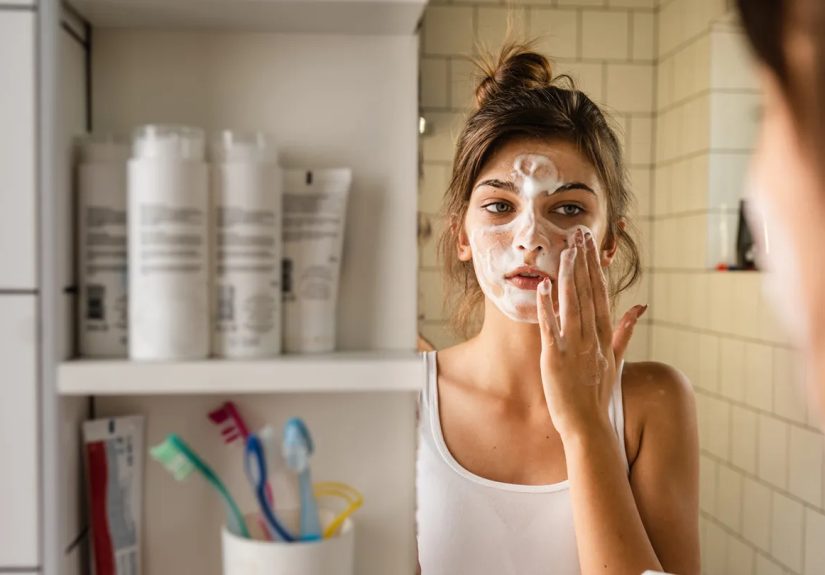
Rosacea is the kind of skin condition that loves drama. One minute your face is minding its own business; the next, your cheeks are hosting a tiny red-carpet event with flushing, burning, dryness, bumps, and sensitivity all trying to grab the microphone. If that sounds familiar, you are not alone. Rosacea is a chronic inflammatory skin condition that often affects the central face, especially the cheeks, nose, chin, and forehead. It may look like persistent redness, visible blood vessels, acne-like bumps, or skin that stings when a product even thinks about being harsh.
The good news? Rosacea-prone skin is not impossible skin. It is simply picky skin with excellent standards. The right routine can help reduce irritation, support the skin barrier, and lower the chances of flare-ups. The wrong routine, however, can turn your bathroom shelf into a tiny chaos factory. That “tingly” toner? The gritty scrub? The fragrance-heavy cream that smells like a tropical vacation? Your rosacea may file a complaint.
This guide breaks down 8 critical skin-care tips for rosacea in a practical, easy-to-follow way. You will learn how to cleanse, moisturize, protect, simplify, test, and calm your skin without turning your routine into a 14-step spreadsheet. Whether you are newly diagnosed or simply trying to stop your cheeks from acting like they have their own weather system, these tips can help you build a rosacea-friendly skin-care plan that feels realistic.
What Makes Rosacea-Prone Skin So Sensitive?
Rosacea-prone skin often reacts more easily to heat, sunlight, stress, certain foods, alcohol, wind, harsh products, and sudden temperature changes. Many people with rosacea also have a weakened or irritated skin barrier, which means the outer layer of the skin may have trouble holding moisture and blocking irritants. When the barrier is unhappy, products can sting, redness may linger, and even normal daily activities can trigger flushing.
That is why the best skin-care routine for rosacea is usually not the fanciest one. It is the calmest one. Think gentle cleanser, barrier-supporting moisturizer, daily sunscreen, and careful ingredient choices. In other words, your routine should be less “science experiment at midnight” and more “quiet spa day with responsible adult supervision.”
1. Cleanse GentlyNo Scrubbing, No Squeaky-Clean Finish
Cleansing is important because oil, sweat, sunscreen, makeup, and environmental grime can irritate rosacea-prone skin. But cleansing too aggressively can make redness and dryness worse. The goal is not to attack your face like you are removing paint from a fence. The goal is to clean without stripping.
Choose the Right Cleanser
Look for a mild, fragrance-free cleanser labeled for sensitive skin. Cream, lotion, gel-cream, or non-foaming formulas are often more comfortable than strong foaming cleansers. Avoid cleansers with rough exfoliating beads, strong acids, high alcohol content, menthol, eucalyptus, peppermint, or heavy fragrance. If a cleanser leaves your skin tight, shiny, or squeaky, it may be too harsh.
Use Lukewarm Water
Hot water is a common rosacea trigger. It can increase flushing and leave the skin feeling irritated. Use lukewarm water instead, and wash with your fingertips. Washcloths, cleansing brushes, and scrubbing pads may feel satisfying in the moment, but rosacea-prone skin often remembers that betrayal for hours.
Pat, Do Not Rub
After cleansing, gently pat your face dry with a soft towel. Leave the skin slightly damp before applying moisturizer. This helps your moisturizer trap water and support hydration.
2. Moisturize Like Your Skin Barrier Has a VIP Pass
Moisturizer is not optional decoration for rosacea-prone skin. It is one of the most important parts of a daily routine. A good moisturizer helps reduce dryness, tightness, stinging, and barrier damage. When your barrier is supported, your skin may become less reactive over time.
Ingredients That Can Help
Rosacea-friendly moisturizers often include barrier-supporting ingredients such as ceramides, glycerin, hyaluronic acid, petrolatum, dimethicone, squalane, niacinamide, colloidal oatmeal, or panthenol. These ingredients can help attract water, seal in moisture, and reduce the feeling of roughness or discomfort.
Niacinamide can be helpful for some people because it supports the skin barrier and may reduce visible redness. However, not everyone with rosacea tolerates it. If your skin stings or becomes redder after using a product, stop using it and simplify your routine.
How to Apply Moisturizer
Apply moisturizer after cleansing, and apply it again whenever your skin feels dry. If you use prescription rosacea medication, follow your dermatologist’s instructions. Many people apply medication first, allow it to absorb, and then apply moisturizer. The exact order can depend on the medication, so your dermatologist’s guidance wins the argument.
3. Wear Sunscreen Every Day, Even When the Sky Looks Innocent
Sun exposure is one of the most common rosacea triggers. Ultraviolet light can worsen redness, increase flare-ups, and make sensitive skin harder to calm. Daily sunscreen is one of the most effective skin-care habits for rosacea, even on cloudy days. Clouds are not a permission slip from the sun.
Pick Broad-Spectrum SPF 30 or Higher
Choose a broad-spectrum sunscreen with SPF 30 or higher. Broad-spectrum protection means the product helps protect against both UVA and UVB rays. For rosacea-prone skin, mineral sunscreens containing zinc oxide or titanium dioxide are often well tolerated because they sit on top of the skin and are less likely to sting than some chemical filters.
Consider Tinted Mineral Sunscreen
Tinted mineral sunscreens can be especially useful for rosacea because iron oxides may help protect against visible light, which can contribute to discoloration and redness in some people. A tint can also help neutralize redness without requiring a heavy layer of makeup. Basically, it is sunscreen with a small side hustle.
Reapply When Needed
Apply sunscreen generously in the morning and reapply every two hours when outdoors, sweating, or swimming. Pair sunscreen with shade, wide-brimmed hats, and sunglasses. If sunscreen stings, do not give up on sun protection entirely. Try a different formula, especially one made for sensitive skin.
4. Avoid Common Skin-Care Irritants
Rosacea skin often has a short list of enemies, and many of them live in pretty bottles. A product may look luxurious, smell amazing, and have packaging that whispers, “I belong on a marble countertop.” Unfortunately, rosacea does not care about branding. It cares about ingredients.
Ingredients to Approach Carefully
Common irritants for rosacea-prone skin may include alcohol, witch hazel, fragrance, essential oils, menthol, peppermint, eucalyptus, camphor, sodium lauryl sulfate, strong exfoliating acids, and abrasive scrubs. Retinoids, vitamin C, benzoyl peroxide, and exfoliating acids can be useful for some skin concerns, but they may be too irritating for many people with rosacea unless introduced carefully under professional guidance.
Fragrance-Free Beats “Smells Nice”
Choose products labeled fragrance-free when possible. “Unscented” does not always mean free of fragrance ingredients; sometimes masking fragrances are used to hide the natural smell of a formula. Rosacea-prone skin is not trying to smell like a bouquet. It is trying to stay calm through Tuesday.
5. Patch Test New Products Before Your Face Finds Out the Hard Way
Patch testing is one of the smartest habits for rosacea skin care. It helps you find out whether a product may cause stinging, burning, itching, or redness before you apply it all over your face. This is the skin-care equivalent of reading reviews before buying concert tickets from a suspicious website.
How to Patch Test
Apply a small amount of the product near the jawline, behind the ear, or on a small area of the cheek. Use it once daily for several days while watching for irritation. If the area becomes red, itchy, bumpy, swollen, or uncomfortable, skip the product. If it behaves well, introduce it slowly into your routine.
Introduce One Product at a Time
Do not start a new cleanser, serum, moisturizer, sunscreen, and mask all in the same week. If your skin reacts, you will not know which product caused the problem. Introduce one new product at a time and give your skin several days to respond. Boring? Yes. Effective? Also yes.
6. Keep Your Routine Simple and Consistent
Rosacea-prone skin usually does best with consistency. A complicated routine can increase the risk of irritation because every extra product adds another chance for your skin to object. You do not need seven serums, three toners, and a device that looks like it belongs on a spaceship.
A Simple Morning Routine
A rosacea-friendly morning routine may look like this:
- Cleanse gently or rinse with lukewarm water if your skin is dry.
- Apply any dermatologist-recommended medication.
- Use a fragrance-free moisturizer.
- Apply broad-spectrum SPF 30 or higher.
A Simple Evening Routine
At night, focus on removing sunscreen, makeup, sweat, and pollution without over-cleansing:
- Use a gentle cleanser.
- Apply prescription treatment if directed.
- Finish with a barrier-supporting moisturizer.
That is enough. Your routine does not need to win an award for Most Products Used Before Bed. It needs to help your skin feel stable.
7. Track Your Triggers Like a Skin Detective
Rosacea triggers vary from person to person. Sunlight may be the main trigger for one person, while spicy food, red wine, hot yoga, freezing wind, stress, or hot coffee may be the issue for another. The tricky part is that triggers can stack. A stressful day plus hot weather plus a new exfoliating toner can create a flare-up that feels like your face joined a protest.
Common Rosacea Triggers
Common triggers include sun exposure, heat, hot drinks, spicy foods, alcohol, emotional stress, cold wind, intense exercise, hot showers, saunas, and irritating skin-care products. Some people also notice flares after certain cosmetics, hair products, or laundry detergents that touch the face.
Use a Rosacea Diary
Write down what you ate, what products you used, the weather, your stress level, exercise, and any flare-ups. After a few weeks, patterns may appear. This does not mean you have to avoid every joyful thing forever. It means you can make smarter choices. For example, if hot coffee triggers flushing, iced coffee may be easier on your skin. Your morning personality can remain intact.
8. Know When to See a Dermatologist
Skin care can help rosacea, but it is not always enough on its own. Rosacea is a medical skin condition, and many people benefit from prescription treatment. A dermatologist can help confirm the diagnosis, identify your type of rosacea, and recommend treatments for redness, bumps, visible blood vessels, eye symptoms, or thickened skin.
Signs You Should Get Professional Help
Consider seeing a dermatologist if redness is persistent, flare-ups are frequent, bumps or pustules keep returning, your skin burns or stings often, over-the-counter products make things worse, or you notice eye irritation such as dryness, redness, grittiness, or swollen eyelids. Eye symptoms can occur with ocular rosacea and should not be ignored.
Treatment Options May Help
Depending on your symptoms, a dermatologist may suggest topical medications, oral medications, laser or light-based treatments, or specific skin-care adjustments. Treatments may target inflammation, redness, bumps, or visible blood vessels. The right plan can take time, but you do not have to solve rosacea with guesswork and panic-shopping.
Best Ingredients for Rosacea-Prone Skin
While every face is different, certain ingredients are often more compatible with sensitive, redness-prone skin. Look for gentle, barrier-supportive formulas rather than aggressive “instant transformation” products. Your skin is not a kitchen floor; it does not need polishing.
Helpful Ingredients to Consider
- Ceramides: Help support the skin barrier.
- Glycerin: Draws water into the skin for hydration.
- Hyaluronic acid: Helps the skin hold moisture.
- Dimethicone: Creates a protective, silky barrier.
- Niacinamide: May support barrier function and reduce visible redness for some people.
- Colloidal oatmeal: Can help soothe dry, irritated skin.
- Zinc oxide and titanium dioxide: Mineral sunscreen ingredients often preferred by sensitive skin types.
Skin-Care Mistakes That Can Make Rosacea Worse
Even people with the best intentions can accidentally upset rosacea-prone skin. The most common mistake is doing too much, too fast. When redness appears, it is tempting to throw every “calming” product at your face. But more products can mean more irritation.
Over-Exfoliating
Scrubs, peeling gels, strong acids, and frequent exfoliation can damage the skin barrier and worsen stinging. If you want to exfoliate, ask a dermatologist first. Many people with rosacea do better with little to no exfoliation.
Using Too Many Actives
Retinol, vitamin C, exfoliating acids, acne treatments, and brightening products can be irritating. Some may still be possible, but they should be introduced carefully and not during an active flare.
Skipping Sunscreen
Skipping sunscreen because “I am only going outside for a minute” is how many flare-ups begin their villain origin story. Daily sunscreen is one of the most important habits for rosacea management.
Changing Everything at Once
If your skin is flaring, simplify. Go back to a gentle cleanser, moisturizer, and sunscreen. Once your skin is calmer, add products slowly.
Makeup Tips for Rosacea Without the Cake-Face Situation
Makeup is optional, but many people with rosacea use it to tone down redness and feel more confident. The key is choosing non-irritating formulas and applying them gently.
Try Green-Tinted Primer or Color Corrector
Green neutralizes redness on the color wheel, so a small amount of green-tinted primer or corrector can help reduce the appearance of flushing. Use a light hand. You are aiming for “calm complexion,” not “friendly garden goblin.”
Choose Mineral or Sensitive-Skin Formulas
Powder mineral makeup may work well for some people, while others prefer liquid foundations made for sensitive skin. Avoid heavy fragrance and long-wear formulas that require aggressive removal.
Remove Makeup Gently
At night, use a gentle cleanser or a mild cleansing balm that does not sting. Avoid rubbing. If makeup removal feels like a wrestling match, the product may not be right for your skin.
Lifestyle Habits That Support Rosacea Skin Care
Skin care matters, but rosacea is not only about what you put on your face. Lifestyle habits can also influence flare-ups. The goal is not perfection. The goal is noticing what helps your skin stay calmer.
Manage Heat Exposure
Heat is a common trigger. Choose cooler showers, avoid steamy bathrooms when possible, and take breaks during hot weather. During exercise, try a fan, cool towel, or lower-intensity intervals if intense workouts cause flushing.
Watch Food and Drink Triggers
Spicy foods, hot beverages, and alcohol can trigger flushing in some people. You do not need to eliminate everything immediately. Track your reactions and adjust based on your own patterns.
Reduce Stress Where You Can
Stress can trigger rosacea flares. Deep breathing, short walks, better sleep, journaling, stretching, or quiet time may help. No, a five-minute breathing exercise will not magically answer your emails, but it may help your nervous system stop waving a tiny red flag on your cheeks.
of Real-Life Experience: What Rosacea Skin Care Feels Like Day to Day
Living with rosacea can feel like learning a language your skin made up without giving you a dictionary. At first, many people try to treat rosacea like regular redness or acne. They buy stronger cleansers, try scrubs, layer on acne treatments, or chase every trending serum online. Then the skin responds with burning, flushing, and a dramatic reminder that rosacea does not enjoy surprise parties.
One of the biggest lessons is that “gentle” is not boring. Gentle is strategic. A simple cleanser may not look exciting on the shelf, but when your skin stops stinging after every wash, it suddenly becomes the hero of the story. The same goes for moisturizer. People often underestimate how much a basic, fragrance-free moisturizer can help. When the skin barrier is dry and irritated, almost everything feels uncomfortable. When it is supported, the face may feel less tight, less reactive, and less likely to turn red over tiny triggers.
Sunscreen is another habit that takes practice. Many people with rosacea have a complicated relationship with SPF because some formulas sting, pill, leave a white cast, or make the face feel greasy. The trick is not to quit sunscreen. The trick is to find the right one. Mineral sunscreens are often a good starting point, and tinted formulas can be especially helpful because they protect while softening the look of redness. Once you find a sunscreen your skin tolerates, keep it close. Put one near your toothbrush, one in your bag, and one wherever you are most likely to forget it.
Another real-life lesson: triggers are personal. Your friend may drink hot coffee, eat spicy tacos, sit in the sun, and glow like a skincare commercial. You may do the same and look like you just argued with a volcano. That does not mean your skin is “bad.” It means it has different limits. A rosacea diary can feel silly at first, but it often reveals useful patterns. Maybe red wine is a trigger, but white wine is not. Maybe hot showers cause flushing, but warm showers are fine. Maybe your skin hates one specific moisturizer, not all moisturizers.
Rosacea also teaches patience. A new routine may take weeks to show improvement. Prescription treatments may need time. Flare-ups may still happen even when you do everything “right.” That can be frustrating, but it does not mean you failed. Skin is living tissue, not a phone app with instant settings. Progress may look like fewer flare-ups, shorter flare-ups, less stinging, or feeling confident enough to leave the house without thinking about your cheeks every five minutes.
The most helpful mindset is partnership, not punishment. Do not punish your skin with harsh products because it is red. Support it. Protect it. Give it consistency. Work with a dermatologist when symptoms are persistent or painful. Rosacea may be chronic, but with the right skin-care habits, it can become much more manageable. Your face does not need to be flawless to be healthy, comfortable, and fully yours.
Conclusion: Calm Skin Is the Goal, Not a Complicated Shelf
The best rosacea skin-care routine is built on patience, simplicity, and protection. Start with a gentle cleanser, moisturize consistently, wear broad-spectrum SPF 30 or higher every day, avoid irritating ingredients, patch test new products, track triggers, and get professional help when symptoms persist. Rosacea-prone skin may be sensitive, but it is not hopeless. With the right routine, your skin can spend less time overreacting and more time simply being skin.
Remember: the perfect routine is not the one with the most expensive products or the longest ingredient list. It is the one your skin can tolerate day after day. Keep it gentle, keep it consistent, and let your skin enjoy a little peace and quiet for once.




 Close
Close