
Table of Contents >> Show >> Hide
- What Is a Vertically Stacked Brick or Tile Pattern?
- 9 Inspiring Projects Featuring Vertically Stacked Bricks and Brick-Like Tiles
- 1. A Contemporary Home Extension with Vertical Brick Bonds
- 2. A Mixed-Bond Urban Facade: Vertical Stack Meets Classic Brickwork
- 3. A Stadium Wrapped in Vertically Stacked Brick-Faced Units
- 4. A Museum Studio Addition Clad in Vertically Stacked Brick
- 5. A School Field House with Vertically Stacked Brick Upper Stories
- 6. A “Pink Brick” and Green-Tile Shower with Vertically Stacked Brick Shapes
- 7. A Tall, Spa-Like Bathroom Wrapped in Vertical Stacked Subway Tile
- 8. A Modern Kitchen with a Vertically Stacked Subway Tile Backsplash
- 9. A Small-Apartment Feature Wall with a Vertically Stacked Brick Column
- Design Tips for Using Vertically Stacked Bricks and Brick-Like Tiles
- Experience-Based Insights: What You Learn from Working with Vertically Stacked Bricks and Tiles
- Conclusion
When you picture brick, you probably imagine neat horizontal rows marching across a wall like tiny red soldiers.
But lately, designers have been spinning the classic brick bond 90 degrees and stacking bricks vertically instead.
The result? Sleek, modern facades and interiors that feel taller, bolder, and way more interesting than your average
brick wall or subway tile backsplash.
From statement home extensions and cultural buildings to showers, kitchens, and small apartments, vertically stacked
bricks and brick-like tiles are having a moment. This layout takes a timeless material and gives it a fresh, contemporary
twistwithout sacrificing warmth or texture. Let’s explore what makes this pattern special and then tour nine inspiring
projects that show how powerful vertical brick and tile can be.
What Is a Vertically Stacked Brick or Tile Pattern?
In traditional running bond or classic brick layouts, each course is offset so that the joints are staggered.
That familiar “brick wall” look is strong, forgiving of imperfections, and visually relaxed.
A stack bond pattern, by contrast, lines up joints in a perfect grideach brick or tile sits directly above
the one below. When you rotate that grid 90 degrees so the units stand on end, you get a
vertical stack bond or vertical brick bond. Instead of long horizontal lines, the wall reads
as a series of slim vertical columns.
Designers love this orientation because:
- It emphasizes height. Vertical lines draw the eye up, making rooms and facades feel taller.
- It feels contemporary. The strict grid and clean lines read as more modern than classic brick bonds.
- It works with thin brick and tile. Brick slips and subway tiles are ideal for creating vertical stacked patterns.
- It plays well with color and texture. White, charcoal, blush, and even glazed tiles get extra drama in a vertical layout.
Of course, vertically stacked brickwork is usually used as a veneer or cladding rather than for primary structure,
since stack bond doesn’t distribute loads as efficiently as staggered bonds. But as a design move? It’s a show-stopper.
9 Inspiring Projects Featuring Vertically Stacked Bricks and Brick-Like Tiles
1. A Contemporary Home Extension with Vertical Brick Bonds
One of the most popular uses of vertically stacked brick is on modern house extensions. Instead of trying to mimic the original
masonry, architects often flip the pattern and lay the new brick in a vertical stack bond. The old portion of the home might
feature classic running bond, while the new extension stands out with crisp vertical columns of slim brick.
Visually, this contrast does a few clever things:
- It clearly signals what’s historic and what’s new, without clashing.
- It gives the addition a minimalist, contemporary character.
- It can make a low extension appear taller and more sculptural.
Pair the vertical brick with large-format windows, dark metal frames, and restrained landscaping, and you get a facade that feels
both rooted in tradition and firmly 21st century.
2. A Mixed-Bond Urban Facade: Vertical Stack Meets Classic Brickwork
In dense city settings, facades have to work extra hard. A clever strategy some designers use is to combine
vertical stack bond with more familiar horizontal bonds on the same building. For example, the base of a mixed-use
building might be laid in a stretcher or Flemish bond for warmth and texture, while upper bands or vertical piers are picked out
in vertically stacked brick.
This mixed approach:
- Breaks down the scale of a large facade into readable stripes or panels.
- Uses light and shadow to emphasize depth, especially where bricks are slightly recessed or projected.
- Creates a subtle rhythm, almost like a textile pattern, when seen from the street.
When designers choose monochrome bricksay, warm gray or deep redthe pattern and orientation become the main “decoration,”
keeping the architecture calm but far from boring.
3. A Stadium Wrapped in Vertically Stacked Brick-Faced Units
Sports stadiums used to be all about sheer size and bare structure. Now, many new arenas lean into texture and pattern to avoid
looking like giant concrete boxes. One striking example uses vertically stacked, brick-faced concrete units arranged in
a barcode-like pattern around the facade. The units are aligned in vertical bands, creating a rhythm of solid brick and deep
shadow between elements.
This approach shows how vertical stack bond isn’t just for small-scale walls. When scaled up:
- Vertical brick elements reinforce the sense of height and drama.
- Repetitive units create strong graphic impact, especially under stadium lighting.
- Precast or modular brick-faced elements can speed construction while maintaining a crafted look.
The result feels simultaneously industrial and refinedperfect for a venue that’s both a neighborhood landmark and a high-performance facility.
4. A Museum Studio Addition Clad in Vertically Stacked Brick
In adaptive reuse projects, architects often add new volumes on top of existing structures. A notable example is a museum-related
studio renovation where a new third-floor volume is set back and clad entirely in vertically stacked brick.
Why vertical brick here?
- It differentiates the new addition from the historic base without resorting to glass-on-glass contrast.
- The tight vertical grid pairs nicely with large, carefully placed openings, almost like a frame around each window.
- The surface reads as a textured “skin,” giving the volume a monolithic yet finely detailed look.
For cultural institutions, details like a vertical brick facade signal care, permanence, and a forward-looking attitudeall wrapped in a simple masonry gesture.
5. A School Field House with Vertically Stacked Brick Upper Stories
Even modest community buildings can feel elevated with the right masonry strategy. Consider a field house or gym where the lower
level uses traditional brickwork, while the upper story is composed of vertically stacked brick with tall, metal-framed windows.
This composition has a few key advantages:
- The vertical brick pattern echoes the upright proportions of the windows.
- It makes the building feel more refined than a simple block-and-brick box.
- It adds visual interest from a distanceimportant for buildings that sit on large open sites like playing fields.
The vertical stack bond subtly tells students and visitors: “This isn’t just a shed; it’s a designed place.”
6. A “Pink Brick” and Green-Tile Shower with Vertically Stacked Brick Shapes
Vertically stacked brick patterns aren’t just for real brick. Many tile manufacturers create “brick-shaped” tiles in ceramic or
porcelain that can be used in showers and bathrooms. In one particularly charming bathroom, a warm pink brick-look tile is stacked
vertically and paired with deep-green rectangular tiles laid in a coordinating pattern.
In a small shower, this combination:
- Makes the walls appear taller thanks to the vertical orientation.
- Uses the brick-like tile shape to add texture without feeling rustic.
- Lets color do the heavy liftingsoft pink and leafy green feel playful yet surprisingly sophisticated.
Add patterned wallpaper or a bold floor tile, and you get a space that feels like a boutique hotel, not a builder-basic bath.
7. A Tall, Spa-Like Bathroom Wrapped in Vertical Stacked Subway Tile
Stacked subway tile is one of today’s biggest bathroom trends. Instead of the classic offset subway pattern, designers are choosing
to install tiles in neat columns and sometimes flipping them vertically. This is especially effective when you want to create a spa-like feel.
In a tall bathroom with a walk-in shower, vertical stack bond subway tile can:
- Make the ceiling feel higher by drawing your gaze upward.
- Minimize visual “noise,” since all grout lines line up neatly.
- Highlight fixtures like rain shower heads or wall-mounted faucets by framing them with strong vertical lines.
Soft white or pale gray tile in a vertical stack bond creates a serene, gallery-like backdrop for warm wood vanities, brass hardware,
or simple black accents.
8. A Modern Kitchen with a Vertically Stacked Subway Tile Backsplash
Kitchens are another prime location for vertically stacked brick-like tiles. A common move is to use rectangular subway tiles in a
vertical stack bond backsplash behind the range and along the main counters.
This pattern:
- Feels more tailored and contemporary than the soft zigzag of a brick pattern.
- Pairs beautifully with flat-panel cabinets and quartz or stone countertops.
- Can be surprisingly budget friendlymany vertical stack tiles are affordable ceramics marketed as “modern subway” options.
For extra drama, designers sometimes match the grout to the tile color for a quiet, monolithic look, or use contrasting grout
(like dark grout with white tile) to emphasize the grid for a graphic, almost pixelated effect.
9. A Small-Apartment Feature Wall with a Vertically Stacked Brick Column
In compact apartments and studios, every surface has to do multiple jobs. A single vertically stacked brick column or feature wall
can act as a visual anchor, a subtle room divider, and even an acoustic buffer.
When used as a feature in living areas:
- A vertical brick column can visually separate a kitchenette from a sleeping area without closing off the space.
- The textured surface helps with sound absorption, making open-plan layouts feel less echoey.
- The vertical pattern contributes to the illusion of higher ceilingsespecially helpful in older buildings or lofts.
Paired with simple furnishings and warm lighting, this kind of element becomes both sculpture and structure, giving a small home a strong sense of personality.
Design Tips for Using Vertically Stacked Bricks and Brick-Like Tiles
Before you race off to turn every wall in your home into a tall brick skyscraper, a few practical design tips will help you
get the most from this pattern.
Think About Scale and Proportion
The longer and slimmer your brick or tile, the more dramatic the vertical effect will be. Elongated “plank” bricks or 2×10, 3×9,
or 2×12 tiles create elegant vertical bands. Standard brick size works too, but the look is a bit chunkier.
In very small rooms, tight grout joints and small-format tiles can feel busy if the color contrast is high. If you want a calmer
result, keep grout and tile colors close and let the pattern whisper rather than shout.
Use Vertical Brick as an Accent, Not a Requirement
Many of the most successful projects use vertically stacked brick or tile strategicallyon a single facade band, around entryways,
on a backsplash, or as a shower feature wallrather than everywhere.
Consider:
- Vertical brick at upper levels, with classic bonds at the base.
- A vertical stack pattern at the range or sink wall, with simpler tile elsewhere.
- One column or strip of vertical brick framing a doorway or fireplace.
This targeted approach keeps costs and visual noise under control.
Mind the Structural and Substrate Requirements
For real brick facades, stack bond is typically used as a veneer over a structural backup wall, with proper anchors and cavity design.
For brick slips and tiles, a sound substrate, correct adhesives, and expansion joints become more important as the lines align vertically.
Make sure your installer respects layout, starting lines, and plumbness. With vertical stack, any deviation shows immediately,
like a crooked bookshelf in a minimalist living room.
Play with Color, Texture, and Lighting
Vertical brick and tile patterns invite experimentation:
- Matte white or pale gray for quiet, Scandinavian-style interiors.
- Deep charcoal or black bricks in a vertical pattern for moody, dramatic exteriors.
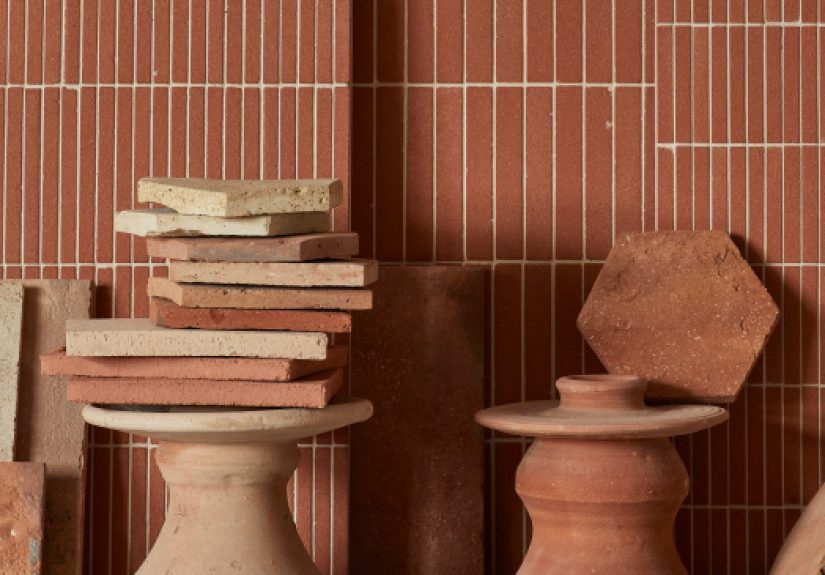
- Soft colorlike blush, sage, or terracottafor bathrooms and kitchens with personality.
- Glazed tiles where light can pick up the vertical ridges and create extra sparkle.
Well-placed lightingwall washers, under-cabinet lights, or facade uplightscan exaggerate the shadow lines between vertical courses
and make the pattern feel more dimensional.
Experience-Based Insights: What You Learn from Working with Vertically Stacked Bricks and Tiles
Designers and homeowners who have embraced vertically stacked bricks and brick-like tiles tend to share a similar story:
the pattern looks simple, but it’s surprisingly unforgiving. Here are some of the most common lessons learned from real-world projects.
1. Layout Planning Is Half the Battle
With a vertical stack bond, your eye follows those grout lines from floor to ceiling. If the pattern suddenly dies into a random cut tile
at the top, it’s noticeable. People who’ve been through a few installs almost always recommend:
- Dry-laying a column or two of tile or brick beforehand.
- Deciding where to “hide” cutsoften at the floor or ceiling edge rather than in the middle of the field.
- Using laser levels or guide battens so every course lines up perfectly.
In other words, the clean look you see in magazine photos starts with very un-glamorous math and measuring.
2. The Right Installer Makes a Huge Difference
Many installers are comfortable with classic running bond but less used to the strict tolerance of vertical stack. People who’ve had
great results often note that they:
- Chose installers with specific experience in stacked or large-format patterns.
- Asked to see photos of previous projects using vertical layouts.
- Were on-site for the first few rows to confirm layout and joint spacing.
Once the pattern is established, it’s harder and more expensive to correct, so getting the first few courses right is critical.
3. Grout and Mortar Color Change Everything
Homeowners often say they underestimated the impact grout color would have. With a vertical stack bond, regular grid lines are part of
the design. If grout contrasts strongly with the brick or tile, the wall becomes graphic and bold; if grout blends in, the wall looks
more monolithic and texture-driven.
Typical takeaways:
- High contrast grout works best where you want the pattern to shoutlike a feature backsplash.
- Low-contrast grout is more forgiving in showers and entire facades, where you may prefer a softer look.
- Test a small mock-up, grout and all, before committing to hundreds of square feet.
4. Vertical Patterns Can Change How a Space Feels
One of the biggest positive surprises is how dramatically vertical brick or tile changes the perceived proportions of a room:
- Short rooms feel taller when walls or showers are wrapped in vertical stacks.
- Long, low spaces can feel more balanced with a vertical feature at one end.
- Entryways gain a sense of ceremony from a narrow vertical brick panel framing the door.
On the flip side, if every surface is vertical, some people report feeling that the room becomes a little too “stripey.” That’s why
strategic usejust one or two key surfacestends to age better visually.
5. Maintenance Is Mostly About Joints and Edges
Vertically stacked brick and tile walls are generally no harder to clean than other masonry surfaces, but experiences highlight a few details:
- Proper sealing of brick or porous tile is essential in wet areas.
- Well-tooled joints on exteriors shed water better and attract less dirt.
- Good edge trims or finishing pieces help protect the ends of vertical runs from chipping.
People who invest in these details up front report that their vertical brick and tile surfaces age gracefully and remain a favorite part of the project.
6. The Style Is Bold but Surprisingly Timeless
Finally, a recurring theme from both designers and homeowners is that vertically stacked brick and brick-like tiles feel modern but not gimmicky.
Because the pattern is built from such a classic modulegood old brick or subway tileit doesn’t date as quickly as some trendier finishes.
If you choose a restrained color palette and use the vertical pattern in places that make architectural sense (framing views, emphasizing height,
or highlighting important spaces), your walls will likely still look intentional and stylish years down the road.
Conclusion
Vertically stacked bricks and brick-like tiles show just how much mileage you can get from a simple rotation of a familiar material.
Whether you’re cladding a stadium, adding a sculptural home extension, creating a spa-worthy shower, or giving your kitchen backsplash a
sleek upgrade, vertical stack bond brings height, clarity, and a distinctly modern edge.
Plan the layout carefully, work with experienced installers, and think through color and grout choices, and you’ll end up with surfaces
that feel both fresh and timeless. In a world full of finishes that come and go, a well-executed vertical brick or tile project is a design
move you’re unlikely to regret.







 Close
Close