
Table of Contents >> Show >> Hide
- What Is a Chipped Tooth?
- Common Causes of a Chipped Tooth
- Signs and Symptoms of a Chipped Tooth
- When a Chipped Tooth Is a Dental Emergency
- What to Do Right Away After You Chip a Tooth
- How Dentists Diagnose a Chipped Tooth
- How a Chipped Tooth Is Repaired
- Can a Chipped Tooth Heal on Its Own?
- What Happens If You Ignore It?
- How to Prevent a Chipped Tooth
- The Bottom Line on Chipped Tooth Repair
- Experiences Related to a Chipped Tooth: What People Commonly Go Through
A chipped tooth has a special talent: it can seem tiny and annoying one minute, then become the star of your entire day by lunchtime. Maybe you bit into popcorn like a champion. Maybe you caught an elbow during a pickup game. Maybe your nightly teeth grinding finally sent your enamel a resignation letter. However it happened, a chipped tooth is more than a cosmetic hiccup. It can affect comfort, chewing, sensitivity, and, in some cases, the health of the tooth itself.
The good news is that modern dentistry has plenty of ways to fix a chipped tooth, and many chips are very treatable when handled early. The trick is knowing what caused the damage, which symptoms matter, and when a simple polish is enough versus when you need bonding, a crown, or something more serious. Let’s break it down without making your molars sweat.
What Is a Chipped Tooth?
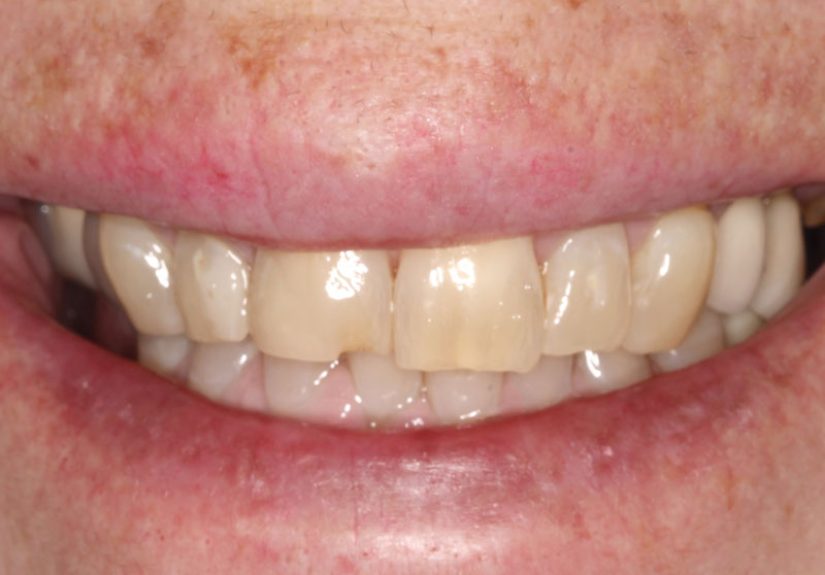
A chipped tooth happens when a small piece of the tooth breaks off. Sometimes the damage involves only the enamel, which is the hard outer shell. Other times the chip reaches dentin, the layer under the enamel, or even the pulp, where the tooth’s nerves and blood supply live. That depth matters a lot, because the deeper the chip, the more likely you are to feel pain, develop sensitivity, or need more involved treatment.
Not every chip looks dramatic. Some are obvious, with a visible missing corner or jagged edge. Others are subtle and show up as a tiny rough spot that catches on your tongue. Front teeth often get attention fast because, well, mirrors exist. Back teeth can be easier to ignore until chewing starts to feel weird or cold water suddenly feels like revenge.
Common Causes of a Chipped Tooth
A chipped tooth usually does not happen out of nowhere. Teeth are strong, but they are not invincible. They also strongly prefer being used for eating, not for opening snack bags, biting pens, or proving you can chew ice “just this once.”
1. Trauma or an accidental blow
Falls, sports injuries, car accidents, and getting hit in the mouth are classic causes of a chipped tooth. Front teeth are especially vulnerable because they tend to take the first hit.
2. Biting hard foods or objects
Ice, hard candy, popcorn kernels, olive pits, and accidental fork-on-tooth moments can all chip enamel. Even healthy teeth can lose that battle.
3. Teeth grinding and clenching
Bruxism places repeated pressure on teeth. Over time, that force can weaken enamel, stress restorations, and make a chip or crack more likely. Some people know they grind; others find out because a dentist points out the wear patterns.
4. Tooth decay
Decay weakens tooth structure from the inside out. A tooth with a cavity can chip more easily because part of the foundation is already compromised.
5. Old fillings or large restorations
Teeth that already have large fillings, previous bonding, or other restorations can be more prone to fracture, especially if the remaining natural tooth structure is thin.
6. Weak or worn enamel
Enamel can become more fragile because of age, acid exposure, underlying enamel defects, or long-term wear. When enamel gets thinner, a tooth has less built-in protection against impact and pressure.
Signs and Symptoms of a Chipped Tooth
Some chips are obvious the second they happen. Others are sneaky little troublemakers. You may notice one or more of the following:
- A visible missing piece of tooth
- A rough, sharp, or jagged edge
- Tongue or cheek irritation from rubbing against the broken area
- Sensitivity to hot, cold, sweet, or air
- Pain when biting down or releasing pressure
- Intermittent discomfort that comes and goes
- Swelling, bleeding, or gum irritation near the damaged tooth
- Discoloration if deeper structures are affected
A very small chip in the enamel may not hurt at all. A deeper chip can expose dentin, which often leads to quick temperature sensitivity. If the damage reaches the pulp, pain can become more intense, lingering, or throbbing. That is when a simple cosmetic fix may no longer be enough.
When a Chipped Tooth Is a Dental Emergency
Not every chipped tooth requires a same-minute dash to the dentist, but some absolutely should be treated quickly. You should seek urgent dental care if the chip is large, the tooth is very painful, there is ongoing bleeding, a portion of the tooth is loose, or you think the nerve may be exposed. Swelling, fever, pus, foul taste, or worsening pain can point to infection and should never be brushed off.
Emergency care is especially important if you have trouble swallowing, trouble breathing, facial swelling, or severe pain that does not let up. That is no longer just a “my tooth is annoying” problem. That is a “please get checked now” problem.
What to Do Right Away After You Chip a Tooth
If you chip a tooth, try not to panic. Teeth look dramatic even when the damage is fixable. Start with these steps:
- Rinse your mouth gently with warm water to clear away debris.
- If there is bleeding, apply clean gauze with gentle pressure.
- Use a cold compress on the outside of the cheek to help with swelling.
- Save any tooth fragments if you can.
- Avoid chewing on that side of your mouth.
- Stick to soft foods until you are evaluated.
- If the edge is sharp, dental wax or sugar-free gum can temporarily cover it.
- Do not try to file, glue, or “fix” the tooth yourself at home.
Over-the-counter pain relievers may help, but they are not a substitute for a dental exam. A chipped tooth can look minor from the outside while hiding deeper damage underneath.
How Dentists Diagnose a Chipped Tooth
Diagnosis is not just a quick glance and a confident nod. A dentist will usually examine the tooth, ask how the injury happened, check your bite, and test for sensitivity. Dental X-rays may be needed to see whether the chip extends deeper, whether the root is involved, or whether nearby bone and tissues were affected. If the chip came from trauma, the dentist may also check for mobility, gum injury, and signs of a crack that is harder to see than a simple surface chip.
How a Chipped Tooth Is Repaired
Treatment depends on the size of the chip, the location of the tooth, whether the pulp is involved, and whether the goal is mainly cosmetic, functional, or both. Here are the most common options.
Polishing or smoothing
For tiny chips that affect only the enamel, a dentist may simply smooth and polish the edge. This is often enough when the main problem is roughness rather than pain or structural weakness.
Dental bonding
Bonding is one of the most common repairs for a minor chipped tooth. The dentist uses a tooth-colored composite resin to rebuild the missing area and shape it so it blends with the rest of the tooth. Bonding is popular for front teeth because it is conservative, effective, and usually looks natural.
Filling or onlay
If the chip affects a chewing surface or overlaps with decay, a filling may be used. In some cases, an inlay or onlay is a better fit, especially when the damage is too large for a standard filling but not extensive enough to require a full crown.
Veneer
For front teeth with visible cosmetic damage, a veneer may be an option. A veneer covers the front surface of the tooth and can hide a chip while improving shape and appearance. It is usually considered when the damage is more noticeable or when a patient wants a more durable cosmetic result than bonding alone.
Crown
If a large portion of the tooth is missing or the tooth is structurally weak, a crown may be the best choice. A crown covers the entire visible part of the tooth above the gumline, helping protect it from further fracture while restoring shape and function.
Root canal therapy
If the chip exposes or damages the pulp, root canal treatment may be needed. This is not the villain of dental folklore; it is a tooth-saving procedure. The damaged pulp is removed, the inside of the tooth is cleaned and sealed, and the tooth is typically restored with a crown or other final restoration.
Extraction and replacement
If the tooth is too badly damaged to save, extraction may be necessary. Replacement options may include a dental implant, bridge, or partial denture depending on the situation. Dentists generally aim to save a natural tooth when possible, but there are times when the damage is simply too severe.
Can a Chipped Tooth Heal on Its Own?
No. A tooth will not regrow the missing piece the way a scraped knee repairs itself. Symptoms may calm down, but that does not mean the tooth has healed. The damaged area can remain weak, rough, sensitive, or vulnerable to further breakage. In some cases, what starts as a small chip becomes a bigger crack later because the tooth never got proper protection.
What Happens If You Ignore It?
Sometimes not much happens right away. That is part of the trap. A tiny chip may seem harmless until it starts irritating your tongue, trapping food, or becoming sensitive months later. If the chip exposes dentin or creates a pathway for bacteria, the tooth may eventually develop inflammation, pain, or infection. A minor repair can become a more expensive and complicated one when care is delayed.
In other words, ignoring a chipped tooth is a bit like ignoring a tiny crack in a windshield. You might get away with it for a while. Then one day, you really do not.
How to Prevent a Chipped Tooth
You cannot bubble-wrap your entire face, but you can lower the odds of chipping a tooth.
- Wear a mouthguard for sports and high-impact activities.
- Use a night guard if you grind or clench your teeth.
- Avoid chewing ice, hard candy, popcorn kernels, and other tooth-testing snacks.
- Do not use your teeth as tools.
- Keep up with checkups so cavities and failing restorations are caught early.
- Address enamel wear, acid exposure, and bite problems before they cause bigger damage.
The Bottom Line on Chipped Tooth Repair
A chipped tooth can range from a quick polish-and-go situation to a deeper structural problem that needs serious repair. The causes are common, the symptoms are not always dramatic, and the best treatment depends on how much tooth structure was lost and whether the pulp is involved. Small chips may be mostly cosmetic. Larger ones can affect chewing, sensitivity, and long-term tooth health.
The smartest move is simple: get it checked. Early treatment often means simpler treatment, better comfort, and a lower chance that a small dental mishap turns into a full-blown tooth drama. Your tooth may have had a rough day, but with the right repair, it can get back to business.
Experiences Related to a Chipped Tooth: What People Commonly Go Through
One of the most common chipped tooth experiences starts with surprise and denial. Someone bites into a popcorn kernel, feels a strange crunch, then spends the next ten minutes hoping it was just a weird piece of shell and not actual tooth. Then the tongue investigation begins. That tiny detective goes straight to the rough spot and confirms the bad news. In many cases, there is no major pain at first, just an irritating sharp edge and the sudden realization that chewing has become a trust exercise.
Another familiar experience happens during sports or a fall. A person gets bumped in the mouth, sees a small corner missing from a front tooth, and immediately shifts into panic mode because front teeth have terrible timing and excellent visibility. Even when the chip is minor, the emotional reaction can be big. People often describe feeling embarrassed, distracted, or oddly self-conscious, especially if the tooth shows when they smile or talk. The dental repair itself may turn out to be straightforward, but the first few hours can feel much bigger than the injury looks on paper.
Then there is the slow-burn version: the person who has been grinding or clenching for months, maybe years, without realizing it. They notice occasional jaw tightness, maybe some morning headaches, maybe a little sensitivity, but nothing dramatic. Then one day a back tooth chips while eating something totally ordinary, like toast or a sandwich. That experience often feels unfair, because there was no dramatic accident, no heroic bite into a frozen candy bar, just regular lunch and sudden betrayal. In those cases, the chip may be the clue that leads to a bigger conversation about bruxism, bite pressure, and long-term enamel wear.
Many people also describe the practical annoyances of living with a chipped tooth before treatment. Cold drinks become suspicious. Hot coffee starts sending mixed signals. Crunchy foods are temporarily demoted. Some people chew only on one side. Others keep running their tongue over the chip even though they know it is making them more aware of it. If the edge is sharp, it can rub the tongue or cheek enough to become its own mini problem. It is amazing how one tiny broken corner can dominate an entire day.
After repair, the experience is usually one of relief. Patients often say the tooth feels “normal” again, which sounds simple but is actually the whole point. The sharpness is gone, the bite feels balanced, and the anxiety drops. People who get bonding on a front tooth are often surprised by how natural it looks. People who need a crown are usually happiest that they can chew without wondering whether the tooth is about to split further. And people who needed a root canal are often relieved to learn that saving the tooth was possible after all. The common thread in most chipped tooth experiences is this: what feels alarming at first often becomes very manageable once a dentist evaluates it and the right repair is done.






 Close
Close