
Table of Contents >> Show >> Hide
- Before we blame the burrito: how “food triggers” actually work
- The biggest food-related migraine triggers (the “usual suspects”)
- 1) Skipping meals, fasting, or letting your blood sugar crash
- 2) Dehydration (and “I drank water… three days ago”)
- 3) Caffeine: helpful, harmful, or both (depending on timing)
- 4) Alcohol (especially certain wines and drinks)
- 5) Additives and preservatives: MSG, nitrates/nitrites, sulfites, sweeteners
- Common “trigger foods” people report (not universal, but worth watching)
- Foods and habits that may help prevent migraines
- How to identify YOUR triggers (without turning meals into an interrogation)
- A migraine-friendlier day of eating (practical example)
- When food isn’t the main trigger (and what to do next)
- Real-life experiences: what people learn the hard way (so you don’t have to)
- Conclusion
(Yes, that title is in Spanish. The content is in standard American Englishbecause migraines don’t care what language you speak.)
If you live with migraine, you’ve probably played this guessing game: “Was it the coffee? The cheese? The weather? My boss’s perfume?
Or did my brain simply wake up and choose chaos?”
Food can matterbut not always in the simple “eat X, get migraine” way social media loves. Migraine is a neurological condition with a
sensitive nervous system and a long list of possible triggers. For many people, the most powerful “food-related” triggers aren’t single foods,
but patterns: skipping meals, dehydration, big caffeine swings, or a surprise ingredient in a packaged snack.
This guide breaks down what’s known (and what’s not), highlights the most common dietary triggers, and shows how to build a migraine-friendly
eating style that doesn’t require you to live on plain rice and regret.
Before we blame the burrito: how “food triggers” actually work
Migraine triggers are personal. Two people can eat the same pepperoni pizzaone feels fine, the other feels like their skull is hosting a drumline.
Even within the same person, triggers can change based on sleep, stress, hormones, hydration, and timing.
Also, beware the “false culprit” effect. Migraine has phases, and early (premonitory) symptoms can include cravings, mood changes, and fatigue.
That means you might crave chocolate because a migraine is startingnot that chocolate caused it.
The most useful mindset is this: food is one piece of a bigger puzzle. Your goal isn’t to create a list of “forbidden foods.” It’s to spot patterns,
reduce avoidable triggers, and keep your brain’s routine pleasantly boring (which is the highest compliment you can pay a migraine-prone nervous system).
The biggest food-related migraine triggers (the “usual suspects”)
1) Skipping meals, fasting, or letting your blood sugar crash
If migraine had a most-wanted poster, “skipping meals” would be on it wearing sunglasses and smirking. Going too long without eating can trigger
attacks in some peopleespecially if you regularly miss breakfast, work through lunch, or attempt a “just coffee until 2 p.m.” lifestyle.
Why it matters: the brain is a high-energy organ. When glucose availability drops, your nervous system may react poorlyespecially if it already
has a migraine tendency. The fix is rarely dramatic; it’s mostly about consistency.
- Eat at regular times (even small meals count).
- Pair carbs with protein or healthy fats for steadier energy.
- Keep an emergency snack on hand (yes, in your bag, car, desklike a responsible squirrel).
2) Dehydration (and “I drank water… three days ago”)
Dehydration is a common trigger, and it’s sneaky because mild dehydration can feel like “nothing”until it feels like “everything.”
If you’re getting frequent migraines, hydration is one of the easiest variables to improve.
- Drink throughout the day, not only when you feel thirsty.
- If you sweat a lot (exercise, heat, physical work), replace fluids proactively.
- If plain water is hard to keep up with, try flavored seltzer or water infused with fruit.
3) Caffeine: helpful, harmful, or both (depending on timing)
Caffeine is the frenemy of migraine. A little can help some people, but too muchor sudden withdrawalcan trigger attacks. The key word is
consistency. If you’re a daily coffee drinker, big changes in amount or timing can backfire.
- If you want to cut back, taper gradually over days to weeks.
- Watch “hidden” caffeine (energy drinks, pre-workout, some teas, chocolate).
- Try to keep caffeine earlier in the day if sleep is a trigger for you.
4) Alcohol (especially certain wines and drinks)
Alcohol is a frequent triggeroften red wine or beer, though any alcohol can be a problem. For some people, it’s dose-related (a little is okay,
more is not). For others, it’s immediate: one drink equals one migraine RSVP.
If alcohol triggers you, experiment with “safer” patterns: smaller servings, more water, food with the drink, and avoiding alcohol when you’re already
sleep-deprived or stressed.
5) Additives and preservatives: MSG, nitrates/nitrites, sulfites, sweeteners
This is where “food triggers” get real for many peoplenot because your body hates flavor, but because some ingredients can be biologically active
(and migraine brains are sensitive).
- MSG (monosodium glutamate): found in some packaged foods, seasonings, and restaurant meals.
- Nitrates/nitrites: common in processed/cured meats (deli meats, hot dogs, pepperoni).
- Sulfites: can appear in wine, dried fruit, and some packaged foods.
- Artificial sweeteners (like aspartame): present in some diet sodas and sugar-free products.
The practical move: read labels for a month, especially on days you get migraines. You don’t need to fear every ingredientjust track whether
specific additives repeatedly show up before attacks.
Common “trigger foods” people report (not universal, but worth watching)
Some foods show up again and again in migraine diaries. They’re not guaranteed triggersbut they’re common enough to deserve a spot on your radar.
- Aged cheeses and other high-tyramine foods (certain aged/fermented products)
- Processed meats (cured meats, deli meats)
- Fermented/pickled foods (kimchi, sauerkraut, kombuchafor some people)
- Chocolate (complicated: can be trigger, craving, or both)
- Very salty or ultra-processed foods
- Artificially sweetened drinks
Important nuance: the evidence for some suspected triggers (like tyramine) is mixed, and sensitivity varies widely. That’s why a personalized
approach beats blanket avoidance.
Foods and habits that may help prevent migraines
There’s no magic “anti-migraine” superfood that will protect you from all attacks (if there were, it would be guarded in a vault). But many people
do better with eating patterns that reduce physiological stress: stable blood sugar, good hydration, and nutrient-dense meals.
Build a steady routine (your nervous system loves boring)
- Eat on a schedule (3 meals, or smaller meals plus snackswhatever keeps you steady).
- Don’t “save calories” by skipping meals if you’re prone to migraine.
- Pair carbs with protein/fat (example: oatmeal + yogurt; apple + peanut butter).
Magnesium-rich foods (and supplements, with guidance)
Magnesium is one of the most-discussed nutrients in migraine prevention. Some people with migraine have low magnesium levels, and supplementation
may modestly reduce migraine frequency for certain individuals. Food-first is a safe starting point.
Magnesium-rich foods to try:
- Pumpkin seeds, chia seeds
- Almonds, cashews
- Spinach and other leafy greens
- Black beans, edamame
- Whole grains (like quinoa)
- Avocado
If you’re considering supplements, do it with a clinician’s inputespecially if you have kidney disease, take multiple medications, or get
significant GI side effects. (Magnesium is famous for one thing besides “helpful mineral,” and it’s not subtle.)
Riboflavin (vitamin B2) and other “nutraceuticals”
Riboflavin has clinical research support in migraine prevention and is commonly used in preventive regimens. You can get riboflavin from foods
like milk, eggs, lean meats, almonds, mushrooms, and enriched grainsbut many studies look at higher supplemental doses than diet alone provides.
Coenzyme Q10 is another option sometimes used for prevention. Supplements aren’t regulated like medications, so quality matterschoose reputable
brands and check with your healthcare provider.
Anti-inflammatory, nutrient-dense eating (without getting weird about it)
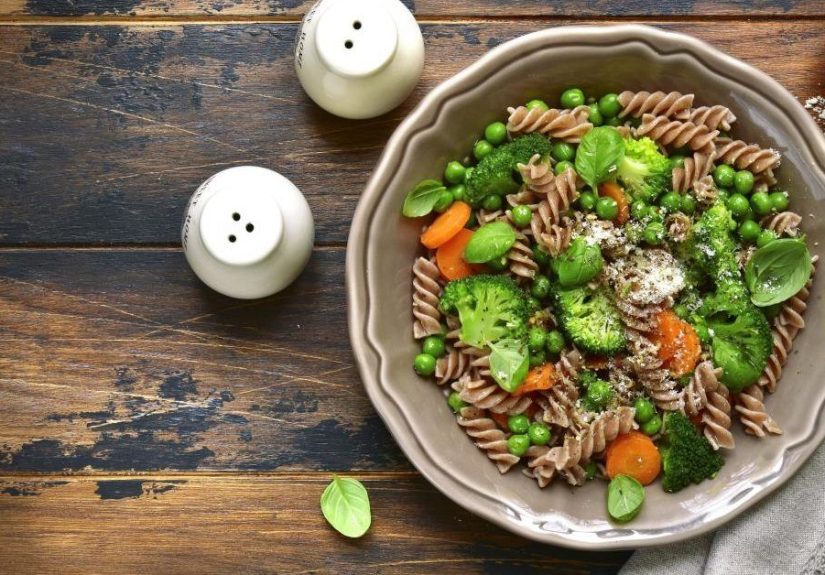
A migraine-friendly diet often looks like… a generally healthy diet:
- Plenty of fruits and vegetables
- Whole grains over refined grains when possible
- Lean proteins and/or plant proteins
- Healthy fats (olive oil, nuts, seeds, fatty fish)
- Less ultra-processed food (often high in sodium, additives, and mystery ingredients)
This approach won’t prevent every migraine, but it can reduce the background “noise” your nervous system has to deal with.
How to identify YOUR triggers (without turning meals into an interrogation)
The most effective method is a simple, structured experiment: track, test, confirm. You’re trying to find repeatable patternsnot blame yesterday’s
sandwich for everything.
Step 1: Keep a migraine-friendly food and symptom log (10 days is a start)
Track the basics:
- Meals/snacks + time
- Hydration (rough estimate)
- Caffeine + alcohol
- Sleep quality
- Stress level (1–10)
- Migraine onset time and symptoms
Step 2: Choose ONE variable to test (not twelve)
If you change everything at once, you’ll learn nothingexcept how to become extremely annoyed. Pick one likely trigger (for example: diet soda, deli
meats, or “skipping lunch”) and test it for 2–4 weeks.
Step 3: Reintroduce and confirm
If symptoms improve during avoidance, reintroduce once (carefully) and watch what happens. A true trigger is repeatable. A false trigger is just a
coincidence with good marketing.
A migraine-friendlier day of eating (practical example)
Here’s a sample day designed to reduce common dietary triggers while staying realistic for busy adults. Adjust for your preferences, allergies, and
medical needs.
Breakfast (steady energy)
- Oatmeal topped with banana + chia seeds, plus a boiled egg
- Or: Greek yogurt with berries + a handful of almonds
Mid-morning snack (prevent the crash)
- Apple slices + peanut butter
- Or: hummus + carrots
Lunch (low-additive, high-satisfaction)
- Brown rice or quinoa bowl with grilled chicken or tofu, spinach, cucumber, and olive oil + lemon
- Or: turkey substitute (or unprocessed turkey) sandwich on whole grain with avocado + side of fruit
Afternoon hydration check
- Water or seltzer; if you’re caffeine-sensitive, avoid “late-day” caffeine.
Dinner (simple, consistent, not a science fair project)
- Baked salmon (or beans/lentils) + roasted sweet potato + steamed greens
- Or: stir-fry with fresh ingredients (watch sauces if MSG is a trigger; use herbs, garlic, ginger, and low-sodium options)
Notice what’s missing: extreme restrictions. You’re building stability, not punishing yourself for having a sensitive brain.
When food isn’t the main trigger (and what to do next)
If you’ve cleaned up meal timing and hydration and you’re still getting frequent migraines, food may be a smaller part of your pattern.
Common non-food triggers include sleep changes, stress, hormonal shifts, weather/barometric pressure changes, and sensory overload.
If migraines are frequent, severe, changing in pattern, or paired with concerning neurological symptoms, talk with a healthcare professional.
Migraine has effective preventive and acute treatments, and you don’t need to white-knuckle your way through it.
Real-life experiences: what people learn the hard way (so you don’t have to)
I can’t offer personal medical anecdotes, but I can share the kinds of experiences many migraine patients commonly describepatterns that show up
again and again in real-world trial-and-error. Think of these as “migraine diary greatest hits.”
Experience #1: “I didn’t skip breakfast… I just postponed it until 1 p.m.”
A lot of people discover that their biggest “food trigger” isn’t a foodit’s a schedule. The story usually goes like this: a busy morning, coffee
for breakfast, meetings for lunch, then a sudden migraine in the afternoon that feels like it came out of nowhere. The log tells a different story:
long gaps between calories, not much water, and stress turned up to eleven.
The fix isn’t glamorous. It’s a portable snack strategy: a protein bar with simple ingredients, nuts, crackers with hummus, or a banana and a yogurt.
Many people report fewer “mystery” migraines once they stop running their brain on vibes alone.
Experience #2: The “weekend wine” surprise
Some people do fine all week and then get hit on Saturday night or Sunday morning. After a few rounds of blaming “sleeping in,” a pattern emerges:
alcohol plus dehydration plus irregular meals. It’s the migraine version of a group project where everyone fails together.
A common approach that helps: set a drink limit, alternate alcohol with water, eat a balanced meal first, and avoid alcohol when you’re already
sleep-deprived. For some, that’s enough. For others, the answer is simpler: certain drinks are reliable triggers, and it’s not worth the trade.
(Your friends will survive if you order seltzer. The bartender has seen weirder.)
Experience #3: “But it’s healthy!” (aka the fermented-food plot twist)
Fermented foods are trendy and can be part of a healthy dietyet some migraine-prone people report issues with kombucha, kimchi, or aged/fermented
products. The confusing part is emotional: you’re trying to do something “good,” and your brain responds like you just challenged it to a duel.
The takeaway isn’t “fermented foods are bad.” It’s “your triggers are yours.” Many people find that they can tolerate small amounts, certain brands,
or fermented foods only when other triggers are controlled (sleep, stress, hydration). Others decide it’s not worth experimenting because the results
are too consistent.
Experience #4: The caffeine tightrope
People often describe caffeine as both a tool and a trap. A small morning coffee helps; a second or third cupor skipping the usual cupleads to a
pounding headache later. The “aha” moment is realizing the nervous system likes predictable inputs. Some people taper to a smaller daily amount;
others keep caffeine but treat it like a prescription: same dose, same time, no drama.
Across these stories, the theme is boring but powerful: migraine prevention often improves when you reduce extremesextreme hunger, extreme dehydration,
extreme caffeine swings, and surprise additives. It’s not about perfection. It’s about fewer preventable triggers stacking on top of each other.
Conclusion
Food can influence migraine, but it’s rarely just one villain ingredient. For many people, the biggest wins come from consistent meal timing,
hydration, stable caffeine habits, and careful attention to additives like MSG, nitrates/nitrites, sulfites, and certain sweeteners.
If you suspect specific trigger foods, use a simple log-and-test approach instead of banning half your grocery cart.
Most importantly: you deserve more than trial-and-error suffering. If migraines are frequent or disabling, a healthcare professional can help you
build a plan that includes lifestyle changes and evidence-based treatment options.





 Close
Close