
Table of Contents >> Show >> Hide
- Why Food Became Central to Juneteenth
- The Meaning of Red Foods on Juneteenth
- Barbecue: Smoke, Skill, and Freedom
- Watermelon: Refreshment With a Complicated History
- Greens, Black-Eyed Peas, and Prosperity Foods
- Red Velvet Cake and Sweet Celebration
- Regional Juneteenth Foods Across America
- Traditional Juneteenth Foods and Their Symbolism
- Why Juneteenth Food Still Matters Today
- Experiences Related to the History Behind Traditional Juneteenth Foods
- Conclusion
Note: This publish-ready article is based on reputable historical, cultural, and culinary references about Juneteenth, African American foodways, and Southern food web publishing.
Juneteenth food is not just food. It is history served hot, sweet, smoky, red, and proudly passed around on paper plates. A Juneteenth table can hold barbecue ribs, red velvet cake, watermelon, strawberry soda, collard greens, cornbread, black-eyed peas, and a pitcher of hibiscus tea that looks like it came dressed for the occasion. But behind every bite is a deeper story: delayed freedom, community survival, African heritage, Southern creativity, and the joy of gathering when gathering itself once required courage.
Juneteenth, celebrated on June 19, marks the day in 1865 when Union Major General Gordon Granger arrived in Galveston, Texas, and announced that enslaved people in Texas were free. This was more than two years after the Emancipation Proclamation and months after the Civil War had effectively ended. For the people who received the news, freedom was not an abstract political idea. It was a life-changing announcement that deserved prayer, song, family, movement, and yes, a feast.
Traditional Juneteenth foods developed from that powerful mix of memory and celebration. They reflect African roots, Texas barbecue culture, Black Southern cooking, and the practical genius of families who knew how to stretch ingredients into abundance. To understand the history behind traditional Juneteenth foods, we have to look beyond recipes and into the meaning of color, smoke, sweetness, land, resilience, and community.
Why Food Became Central to Juneteenth
Food has always been one of the strongest ways communities remember. It gathers people without requiring a speech, though Juneteenth celebrations often included plenty of those too. In the earliest years after emancipation, formerly enslaved Texans organized public gatherings that included music, sermons, political speeches, parades, games, and shared meals. These celebrations were not casual picnics in the modern sense. They were declarations of dignity.
During slavery, many Black people had limited control over where they lived, worked, worshiped, traveled, or gathered. After emancipation, coming together in public to celebrate freedom was itself meaningful. A table full of food said, “We are here. We remember. We belong to ourselves.” That is a lot of emotional labor for a plate of barbecue, but Juneteenth food has always been happy to do the job.
Because Juneteenth began in Texas, local food traditions shaped the early holiday menu. Outdoor cooking was practical for large gatherings, and barbecue could feed a crowd. Red drinks cooled people down in the summer heat. Watermelon was refreshing and widely available. Sides such as greens, beans, and cornbread connected the celebration to Black Southern kitchens, where resourcefulness and flavor had long been close friends.
The Meaning of Red Foods on Juneteenth
If Juneteenth had a signature color on the plate, it would be red. Red drinks, red velvet cake, watermelon, strawberry desserts, hot links, red beans, tomato-based barbecue sauce, and bright fruit punches often appear at celebrations. The color is not there by accident. Red has been widely interpreted as a symbol of sacrifice, resilience, spiritual strength, and the bloodshed endured by enslaved Africans and their descendants.
Red also reaches deeper into African cultural memory. Many historians and food scholars connect Juneteenth’s red foods and drinks to West and Central African traditions, especially among peoples for whom red carried spiritual meaning related to life, transition, power, and ancestral remembrance. This does not mean every person at a Juneteenth cookout is thinking about symbolic cosmology while reaching for a second slice of cake. But traditions often carry meaning even when they travel quietly through generations.
Red Drink: The Unofficial Official Juneteenth Beverage
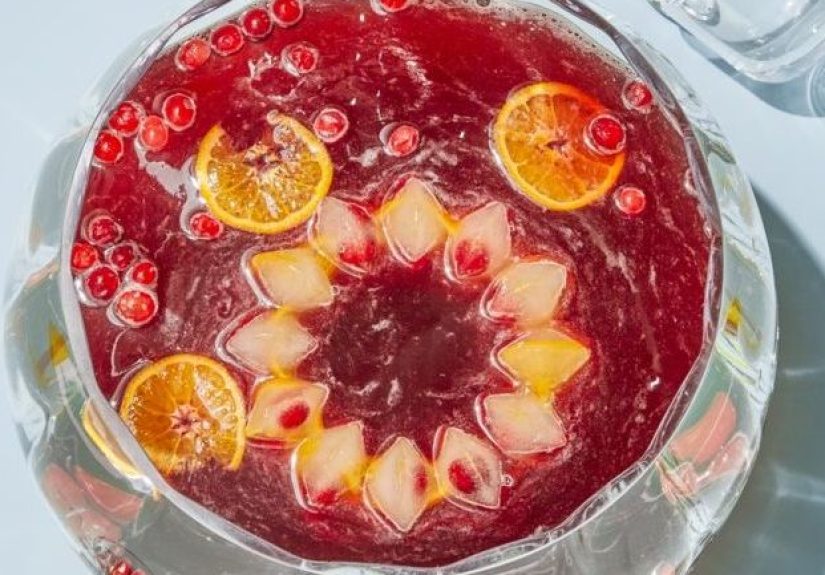
No discussion of traditional Juneteenth foods is complete without red drink. Depending on the family, region, and decade, red drink might mean hibiscus tea, strawberry soda, Big Red, red Kool-Aid, fruit punch, cherry lemonade, or a homemade berry beverage. The form changes, but the color remains the guest of honor.
Food historians often trace red drink to West African beverages made from hibiscus or kola nut. Hibiscus drinks, known in different parts of the African diaspora by names such as bissap or sorrel, have a deep red color and a tart, floral flavor. Kola nut also has historical significance in West African hospitality and ceremonial life. Over time, enslaved Africans and their descendants adapted available ingredients in the Americas, and red beverages evolved into punches, lemonades, sodas, and powdered drink mixes.
By the twentieth century, red soda and red Kool-Aid had become common at Black family gatherings, church events, and Juneteenth celebrations. In Texas, Big Red soda earned a special place at many Juneteenth tables. Is it fancy? Not exactly. Is it deeply loved? Absolutely. Sometimes cultural importance comes in a chilled plastic cup with ice clinking like tiny applause.
Barbecue: Smoke, Skill, and Freedom
Barbecue is one of the most iconic Juneteenth foods because it fits the holiday perfectly. It is communal, celebratory, outdoor-friendly, and deeply tied to Texas and African American food history. A pit, a grill, or a smoker can turn a gathering into an event. The smell alone announces that something important is happening.
In the American South, Black cooks played a major role in shaping barbecue traditions. Enslaved cooks, free Black pitmasters, and later Black-owned barbecue businesses helped develop techniques for seasoning, smoking, roasting, and serving meats at large events. Barbecue required patience, fire management, and experience. It was not just “throw meat near smoke and hope.” Real barbecue has always demanded knowledge.
At Juneteenth gatherings, barbecue could include pork ribs, beef, chicken, sausage, goat, or whatever local resources allowed. In Texas, where cattle culture and open-fire cooking were already strong, barbecue became a natural centerpiece. The cooking process also encouraged people to linger. A Juneteenth barbecue was not only about eating; it was about storytelling, reunion, music, and watching somebody’s uncle guard the grill like it contained classified government documents.
Watermelon: Refreshment With a Complicated History
Watermelon is a traditional Juneteenth food for simple reasons: it is red, sweet, cooling, seasonal, and ideal for feeding many people. In the Texas heat, cold watermelon was not just dessert; it was mercy with seeds.
However, watermelon also carries a complicated history in the United States. After emancipation, many Black farmers grew and sold watermelons as a path toward economic independence. Racist imagery later twisted watermelon into a cruel stereotype used to mock Black freedom and self-sufficiency. Because of that history, some people feel conflicted about watermelon’s place in celebrations.
Yet on Juneteenth, watermelon can be reclaimed as a food of refreshment, abundance, and independence. It belongs to the table not because of stereotypes, but because generations of Black families made it part of summer celebration. Food history is rarely simple. Sometimes a single slice can carry sweetness, pain, resistance, and joy at the same time.
Greens, Black-Eyed Peas, and Prosperity Foods
Juneteenth menus often include foods associated with prosperity, endurance, and good fortune. Collard greens, mustard greens, turnip greens, black-eyed peas, beans, okra, cabbage, and cornbread all appear in different family traditions. These dishes are not always exclusive to Juneteenth, but they fit naturally into the holiday because they come from the wider world of African American Southern cooking.
Greens are commonly linked to money and prosperity because of their color. Black-eyed peas have long been associated with luck and survival in Southern food culture. Cornbread represents both practicality and comfort. Okra, with roots in Africa, speaks to the agricultural and culinary knowledge that enslaved Africans carried across the Atlantic and adapted in the Americas.
These foods also remind us that celebration does not have to mean extravagance. Many beloved Black Southern dishes came from limited resources transformed through skill. A pot of greens is a lesson in patience. Beans are a lesson in stretching. Cornbread is a lesson in making something humble taste like home.
Red Velvet Cake and Sweet Celebration
Red velvet cake is now one of the most recognizable red foods associated with Juneteenth, even though it became popular later than the earliest emancipation celebrations. Its bright color makes it a natural fit for modern Juneteenth tables. Its flavor, somewhere between cocoa, vanilla, tang, and cream cheese frosting, gives people another reason to hover near the dessert table pretending they are “just looking.”
Other red desserts may include strawberry shortcake, cherry pie, raspberry cobbler, red gelatin desserts, berry trifles, and fruit salads. These sweets continue the red theme while allowing families to personalize the menu. Juneteenth food traditions have never been frozen in time. They evolve, absorb regional tastes, and make room for new favorites.
Regional Juneteenth Foods Across America
As Black Texans migrated to other parts of the United States, Juneteenth traveled with them. The menu expanded along the way. In Louisiana or Gulf Coast communities, a Juneteenth spread might include gumbo, jambalaya, seafood boils, or red beans and rice. In the Midwest, families may serve grilled meats, baked macaroni and cheese, fried chicken, potato salad, and pound cake. On the West Coast, celebrations may blend barbecue with fresh produce, vegan dishes, Caribbean flavors, or African-inspired recipes.
This regional variety is one of the most beautiful parts of Juneteenth food history. There is no single required menu. The tradition is less about strict rules and more about meaning. Red foods honor memory. Barbecue gathers people. Soul food connects generations. African diasporic ingredients point back across the ocean. New dishes show that culture is alive, not trapped behind museum glass.
Traditional Juneteenth Foods and Their Symbolism
Red Drinks
Red drinks symbolize resilience, sacrifice, joy, and African diasporic memory. They may include hibiscus tea, strawberry soda, fruit punch, cherry lemonade, or Big Red.
Barbecue
Barbecue represents community, celebration, Texas roots, and the skill of Black pitmasters who helped shape American barbecue traditions.
Watermelon
Watermelon offers summer refreshment and red symbolism while also carrying a history tied to Black farming, independence, and cultural reclamation.
Greens and Black-Eyed Peas
Greens and peas are often connected to prosperity, survival, and Black Southern food traditions built from resourcefulness and agricultural knowledge.
Red Velvet Cake
Red velvet cake brings the symbolic color red into dessert form, blending modern celebration with the holiday’s visual language of remembrance and joy.
Why Juneteenth Food Still Matters Today
When Juneteenth became a federal holiday in 2021, many Americans learned about it for the first time. But Black communities had been celebrating it for generations. That matters. Juneteenth is not a new holiday; it is a newly recognized one. The food traditions remind us that history lived in families long before it appeared on many national calendars.
Today, traditional Juneteenth foods help people teach history in a way that feels accessible. A child may not remember every date from a lecture, but they may remember helping stir red punch while an elder explains why the color matters. A neighbor may come for barbecue and leave understanding that emancipation was not a single simple moment, but a long, uneven process. Food makes history less distant. It puts memory within reach.
At its best, a Juneteenth meal is not performative. It is reflective, generous, and rooted. It honors enslaved people who survived, those who did not, and the generations who built families, churches, schools, businesses, farms, and movements after emancipation. It also celebrates pleasure. Joy is not a side dish on Juneteenth. It is part of the main course.
Experiences Related to the History Behind Traditional Juneteenth Foods
One of the most meaningful ways to understand Juneteenth food is to imagine the experience of arriving at a community celebration before the first plate is made. The air smells smoky before anyone sees the grill. Folding tables are covered with foil pans, plastic containers, cake carriers, and pitchers sweating in the heat. Someone has brought ribs. Someone else has brought baked beans. A grandmother has arrived with greens, and everyone knows not to ask whether they are “store-bought.” That would be socially dangerous.
The experience of Juneteenth food is not only in the eating. It begins in preparation. It is in washing greens leaf by leaf, seasoning meat the night before, slicing watermelon into wedges, chilling soda, stirring hibiscus tea, and deciding whether the potato salad needs more mustard. These small acts can become forms of remembrance. They connect the modern kitchen to older kitchens where recipes were rarely written down but somehow never forgotten.
For many families, Juneteenth is also an intergenerational classroom. Elders may explain why red drink is served, why the holiday began in Texas, or why barbecue became so important to the celebration. Younger people may bring new dishes: vegan barbecue, sparkling hibiscus mocktails, strawberry cupcakes, smoked jackfruit, or salads bright enough to make the dessert table jealous. The conversation between old and new is part of the tradition. Juneteenth food does not lose its meaning because it changes. It stays alive because people keep making it their own.
Another powerful experience is the feeling of community ownership. Juneteenth celebrations often happen in parks, churchyards, backyards, cultural centers, and city blocks. People who may not see one another often come together around food. A shared meal can soften strangers into neighbors. Someone offers you a plate before they know your name. Someone tells you which pan has the spicy links. Someone warns you that the red punch is “sweet, but not too sweet,” which is usually a hopeful statement rather than a scientific fact.
These experiences matter because Juneteenth is both solemn and joyful. It asks people to remember the violence and injustice of slavery without reducing Black history to suffering alone. The food helps hold that balance. Red foods acknowledge sacrifice and resilience. Barbecue celebrates gathering and skill. Sweet desserts make room for delight. Prosperity foods look forward. Together, they create a meal that says history is heavy, but the people who carried it also laughed, cooked, danced, organized, loved, and built futures.
For anyone hosting or attending a Juneteenth meal today, the most respectful experience begins with curiosity. Learn the history. Say the name of the holiday correctly. Understand that Juneteenth is not simply “another summer cookout.” Bring a dish with intention. Ask family members about their food memories. Support Black chefs, farmers, restaurants, historians, and food writers. Make room for storytelling before the plates are cleared.
In that sense, the history behind traditional Juneteenth foods is not locked in the past. It continues every time someone pours a red drink, tends a smoker, carries a cake across a lawn, or teaches a child why June 19 matters. The table becomes more than a place to eat. It becomes a place where memory is protected, freedom is honored, and joy gets a generous second helping.
Conclusion
The history behind traditional Juneteenth foods reveals a story far richer than any single recipe. Red drinks, barbecue, watermelon, greens, black-eyed peas, cornbread, and red velvet cake all carry layers of meaning shaped by African heritage, Texas history, Black Southern cooking, and the long struggle for freedom. These foods are delicious, yes, but they are also cultural messengers.
Juneteenth food traditions remind us that freedom was celebrated first by people who had been denied it, protected by communities who refused to forget, and passed down through meals that turned survival into ceremony. Whether the table holds old family recipes or new interpretations, the heart of the holiday remains the same: remembrance, resilience, community, and joy. And if there is red drink nearby, please pour responsibly. By that, of course, we mean save some for everybody else.







 Close
Close