
Table of Contents >> Show >> Hide
If you’ve ever flipped a food package over and felt personally attacked by the ingredients list, you’re not alone. High fructose corn syrup (HFCS) seems to sneak into everything from soda to sandwich bread. While experts still debate whether HFCS is worse than regular sugar, they agree most of us get too much added sugar overall and that’s the real problem for your waistline, liver, and heart.
The good news? You don’t need a nutrition degree or a second mortgage to eat less high fructose corn syrup. With a few smart label-reading habits, some simple food swaps, and a bit of planning, you can seriously cut back on HFCS without giving up all the foods you love.
Below are three practical, realistic ways to avoid high fructose corn syrup in your everyday life plus some real-world experiences at the end so you can see what it’s actually like to ditch the stuff.
Why People Try to Avoid High Fructose Corn Syrup
First, a quick primer. HFCS is a sweetener made from cornstarch. Regular corn syrup is basically all glucose, but in high fructose corn syrup, some of that glucose is converted into fructose to make it sweeter and easier to use in drinks and processed foods. That’s why it’s so popular in soda, flavored yogurt, pastries, and tons of packaged snacks.
Health concerns about HFCS usually fall into two buckets:
- Too much added sugar overall. U.S. guidelines suggest keeping added sugars under about 10% of your daily calories. That’s roughly 200 calories (about 50 grams) of added sugar for a 2,000-calorie diet. Many people blow past that just with sweetened drinks and snacks.
- Metabolic health and weight gain. High intakes of added sugars (including HFCS) are linked with a higher risk of obesity, fatty liver disease, type 2 diabetes, and heart problems over time. Whether HFCS is uniquely evil or just “another sugar,” cutting down is still a smart move.
Bottom line: you don’t have to live in fear of a single cookie. But if you’d rather not have HFCS lurking in half your grocery cart, here’s how to avoid it in a sane, sustainable way.
Way 1: Become a Label Detective
Step one in avoiding high fructose corn syrup is simple: don’t trust the front of the package. “Made with real fruit!” and “whole grain!” graphics are cute, but they don’t tell you the whole story. The ingredient list and Nutrition Facts panel do.
1.1. Check the “Added Sugars” Line
On modern Nutrition Facts labels in the United States, under “Total Sugars,” you’ll see a separate line for “Added Sugars.” That number tells you how much sugar was added to the product (from HFCS, cane sugar, honey, etc.), not counting natural sugars from things like fruit or milk.
- If the added sugars per serving are close to or more than 10–12 grams, that’s a red flag for a small item like a snack bar or yogurt.
- For drinks, anything with 20–40 grams of sugar in a single bottle is basically dessert in disguise.
- Remember: 4 grams of sugar is about 1 teaspoon. So 20 grams of added sugar equals roughly 5 teaspoons.
Even if you don’t eliminate HFCS completely, this one habit (checking added sugars) helps you spot sugar bombs and choose products that better fit your daily limit.
1.2. Hunt for HFCS in the Ingredients List
To specifically avoid high fructose corn syrup, go straight to the ingredient list. Here’s what to look for:
- High fructose corn syrup
- High-fructose corn syrup (with a hyphen)
- HFCS (less common, but sometimes used)
If you see any of those, you know HFCS is in there. Sometimes you’llalso see regular corn syrup alongside HFCS. They’re related, but not identical. If your personal goal is “no HFCS, but corn syrup is OK occasionally,” you can make that distinction.
1.3. Know the Sneaky Food Categories
HFCS is most common in certain types of processed foods. If you’re short on time, focus your label-detective energy here:
- Sodas and sweetened drinks: regular soda, fruit punch, energy drinks, “juice cocktails,” and some sports drinks.
- Sweetened yogurt and flavored milk: especially low-cost brands or brightly colored “kids’ yogurts.”
- Breakfast foods: sugary cereal, toaster pastries, some “granola” bars, pre-made pancakes or waffles, flavored syrups.
- Breads and baked goods: cheaper sliced bread, hamburger buns, packaged cakes, muffins, cookies, supermarket pastries.
- Condiments and sauces: ketchup, barbecue sauce, sweet salad dressings, some pasta sauces.
Once you start scanning labels in these categories, you’ll quickly discover which brands rely on HFCS and which use alternatives like cane sugar, honey, or no added sugar at all.
Way 2: Swap the Big Sugar Bombs First
If you try to eliminate every gram of high fructose corn syrup overnight, you’ll probably end up cranky and living off almonds and resentment. A better strategy: target the highest-HFCS foods first usually drinks and desserts and replace them with smarter options.
2.1. Rethink Your Drinks
Sweetened beverages are one of the biggest sources of HFCS and added sugar in the typical American diet. One can of regular soda can easily pack 35–40 grams of sugar, often from high fructose corn syrup.
Try these swaps:
- Regular soda → flavored seltzer or sparkling water. Look for unsweetened varieties with natural flavors like lime or blackberry.
- Sweet tea → home-brewed tea with a tiny bit of honey. Make a pitcher, lightly sweeten it yourself, and keep it in the fridge.
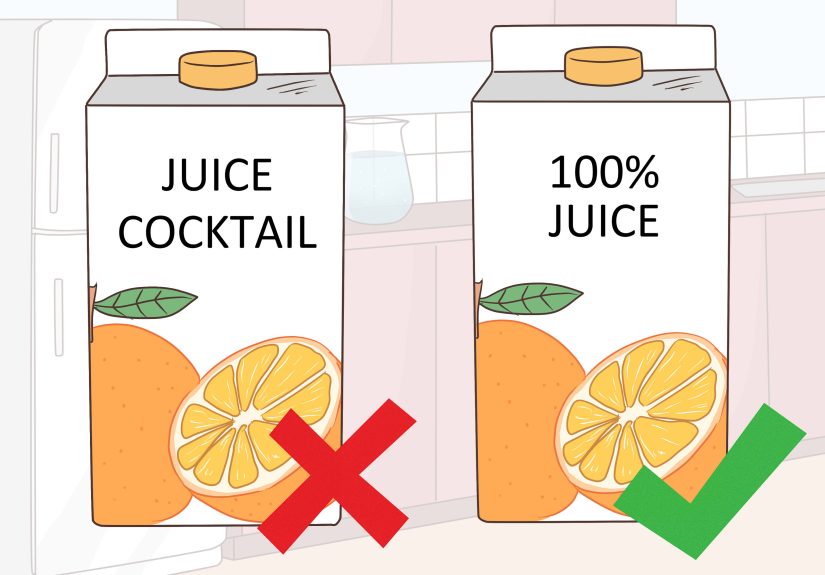
- Fruit punch or “juice cocktail” → 100% fruit juice cut with water or seltzer. You still get sweetness, but with fewer total sugars per glass.
- Fancy coffee drinks → coffee with a splash of milk and a teaspoon of sugar or stevia. Skip the syrup pumps and whipped cream most days.
You don’t have to give up your favorite soda forever, but even switching to a smaller size, having it less often, or choosing a version made with cane sugar instead of HFCS can significantly reduce your intake.
2.2. Smart Snacking: Read Before You Munch
Snacks are another HFCS trap. Many granola bars, fruit snacks, crackers, and cookies use HFCS because it’s cheap, sweet, and keeps products soft and shelf-stable.
When you’re shopping, try this quick rule:
- If HFCS is in the first three ingredients, put it back and compare another brand.
- If there are multiple added sugars (like HFCS, sugar, and dextrose all in one product), consider it a treat, not an everyday staple.
- Look for snack options where the sweetness comes mostly from whole foods like fruit, oats, or nuts (for example, bars made with dates and nuts, or simple trail mix without candy pieces).
Over time, your taste buds adjust. The snacks that once tasted “normal” may start to feel painfully sweet.
2.3. Upgrade Sweets Without Going Sugar-Free
Cutting HFCS doesn’t mean you have to live in a dessert-free abyss. Instead, you can upgrade your sweets:
- Ice cream & frozen treats: Choose brands with short ingredient lists and no HFCS, or make simple frozen yogurt or fruit pops at home.
- Cookies and cakes: If you enjoy baking, use recipes with regular sugar, honey, or maple syrup so you control both the ingredients and portion size.
- Chocolate: Dark chocolate bars often have less sugar overall and rarely contain HFCS. Just double-check the ingredients list.
These options still count as added sugar, but they help you avoid HFCS specifically and make it easier to know exactly what you’re eating.
Way 3: Cook and Shop Like a Minimal-Ingredient Pro
The easiest way to avoid high fructose corn syrup is simple: build most of your meals around foods that don’t come with a barcode. HFCS doesn’t magically appear in an apple or a bag of plain rice it’s mainly in heavily processed foods.
3.1. Base Your Meals on Whole Foods
You don’t need a perfect “clean eating” Instagram feed. Just start leaning a little more on:
- Fruits and vegetables: fresh, frozen, or canned in water (skip fruit packed in heavy syrup).
- Whole grains: oats, brown rice, quinoa, whole wheat pasta, and breads with simple ingredient lists.
- Lean proteins: eggs, chicken, turkey, fish, beans, tofu, and plain yogurt.
- Healthy fats: nuts, seeds, avocado, olive oil.
When most of your plate is real food, HFCS has fewer places to hide. A home-cooked meal with grilled chicken, brown rice, and veggies will almost always have less added sugar than a frozen entrée or fast food combo.
3.2. Choose “No HFCS” Alternatives Without Going Broke
Many brands now brag about “no high fructose corn syrup” right on the front of the package because shoppers are asking for it. That can work in your favor, but don’t assume it automatically means “healthy.” A cookie made with cane sugar instead of HFCS is still… a cookie.
To keep both your health and budget in check:
- Compare store-brand items that avoid HFCS; they’re often cheaper than the big brand.
- Buy large plain tubs of yogurt and sweeten them yourself with fruit, cinnamon, or a drizzle of honey.
- Use simple pantry staples canned tomatoes, olive oil, vinegar, herbs to make basic sauces instead of relying on sweetened jarred sauces.
- When you find a product you like that’s HFCS-free and reasonably priced, write it down or snap a picture so you can rebuy it easily.
3.3. Meal Prep to Avoid “Emergency HFCS” Moments
HFCS-heavy foods often sneak in when you’re tired, hungry, and seconds away from ordering the fastest thing possible. A little prep work can help you dodge that trap:
- Prep grab-and-go snacks: hard-boiled eggs, carrot sticks and hummus, cheese sticks, nuts, or fruit help you skip vending machine “mystery bars.”
- Batch cook simple meals: big pots of soup, chili, or pasta sauce made at home usually don’t need HFCS at all.
- Keep easy backups on hand: frozen vegetables, canned beans, whole grain pasta, and canned tuna can become a fast dinner that doesn’t rely on sugary sauces.
Is meal prep glamorous? Not really. But it’s a powerful way to control what goes into your food and what stays out of it.
Do You Need to Avoid HFCS Completely?
Here’s the honest truth: from a purely scientific standpoint, most evidence suggests that HFCS and regular sugar behave pretty similarly in your body when you’re looking at normal amounts of intake. The main issue isn’t that HFCS is a comic-book villain of sweeteners it’s that ultra-processed foods and sugary drinks make it way too easy to consume a lot of added sugar without realizing it.
So, do you have to avoid high fructose corn syrup 100% of the time? Not necessarily. For most people, a realistic goal is:
- Cut back on the foods and drinks with the highest HFCS and added sugar.
- Choose HFCS-free or lower-sugar options where you can, especially for things you eat every single day (like bread, yogurt, or cereal).
- Make sugary drinks and desserts the occasional guest star in your diet, not the main character.
If you have specific health conditions (like diabetes, nonalcoholic fatty liver disease, or very high triglycerides), your doctor or dietitian may recommend stricter limits on added sugars in general HFCS included. But even then, the same three strategies still apply: read labels, swap out the biggest sugar bombs, and lean more on whole foods.
Real-Life Experiences: What It’s Like to Ditch High Fructose Corn Syrup
All of this sounds great in theory, but what does it feel like when you actually try to avoid HFCS in everyday life? Here’s a look at the kinds of experiences people report when they start paying attention to high fructose corn syrup and added sugar.
4.1. The First Week: “I Had No Idea It Was Everywhere”
Most people are genuinely shocked when they start reading labels. That “healthy” granola bar? HFCS. The burger bun from your favorite fast food place? Also HFCS. The bottled iced tea that seems harmless? Lots of added sugar, often from HFCS or a similar sweetener.
During the first week, it’s totally normal to feel a little overwhelmed. It might seem like every convenient food is suddenly off-limits. You might also notice cravings especially in the afternoon or evening when your brain is used to getting a quick sugar hit from soda, candy, or sweetened coffee drinks.
The key here is not perfection. If you accidentally eat something with HFCS, you didn’t “ruin” anything. Just treat it as information: “Okay, that brand uses HFCS. Next time I’ll try another one.”
4.2. Weeks 2–4: Taste Buds Start to Shift
After a couple of weeks of cutting back on sugary drinks and HFCS-laden snacks, many people notice that foods they used to love now taste oddly sweet. That super-sugary cereal may start to feel like candy instead of breakfast. Yogurts that once tasted “normal” might now taste more like dessert than a snack.
This is actually a good sign. It means your taste buds are recalibrating. As your baseline for sweetness resets, naturally sweet foods like fruit, lightly sweetened yogurt, or a homemade muffin with less sugar start to taste more satisfying.
Energy levels can also change. Some people report fewer energy crashes in the afternoon once they stop relying on sugary drinks and snacks for quick fuel. Others just notice they feel “less puffy” or less bloated.
4.3. Long-Term: “It’s Just How I Shop Now”
After a couple of months, avoiding high fructose corn syrup stops feeling like a project and starts feeling like a habit. You’ll likely have a mental list of go-to products and brands that avoid HFCS, plus a sense of where to look first in the store.
For example, you might know that:
- Your favorite grocery store’s house-brand marinara sauce has no HFCS and tastes great.
- There’s one particular bread label that checks all your boxes whole grain, no HFCS, reasonable amount of sugar.
- Frozen fruit and plain yogurt have become your default dessert, with chocolate or cookies showing up for special occasions.
You might still enjoy the occasional HFCS-containing treat at a party or restaurant, but it becomes the exception rather than the rule. Instead of feeling restricted, you know you’re making intentional choices that line up with your health goals.
Most importantly, you’ll realize that avoiding high fructose corn syrup isn’t about being perfect. It’s about nudging your everyday habits toward fewer ultra-sweet, ultra-processed foods, and more real, recognizable ingredients. That’s a shift your body – and probably your taste buds – will thank you for.
Conclusion
Avoiding high fructose corn syrup doesn’t require an all-or-nothing mindset. By learning how to read labels, swapping out the worst offenders (especially sugary drinks and highly processed snacks), and building more meals around whole, minimally processed foods, you can dramatically reduce your HFCS intake without feeling deprived.
Start small: pick one category maybe soda, breakfast foods, or snack bars and focus on reducing or eliminating HFCS there. As that gets easier, expand to other areas of your diet. Over time, these small changes add up to a big difference in how much added sugar you consume and how you feel day to day.
And remember: the goal isn’t to fear every sweetener on the planet. It’s to be informed, intentional, and kind to your future self every time you pick something off the shelf.






 Close
Close