
Table of Contents >> Show >> Hide
- What Is Swamp Soup (and Why Is It So Popular Right Now)?
- The Best Southern-Style Swamp Soup Recipe (One Pot, Big Flavor)
- Why This Swamp Soup Works (Flavor Analysis Without the Food-Science Lecture)
- Make It Your Own: Variations for Every Pantry Mood
- What to Serve with Swamp Soup
- Storage, Freezing, and Food Safety (Because Soup Deserves a Long Life)
- Swamp Soup FAQ
- of Swamp Soup Experiences (The Real Reason This Recipe Sticks)
- Conclusion
- SEO Tags
If the words swamp soup make you picture a bubbling cauldron guarded by a suspiciously confident alligator, relax.
This is one of those recipes with a goofy name and a very serious mission: get you fed, warm, and slightly smug about how
you “just threw it together.” A proper swamp soup recipe is hearty, flexible, and proudly greenish-brownlike
the world’s tastiest fog bank.
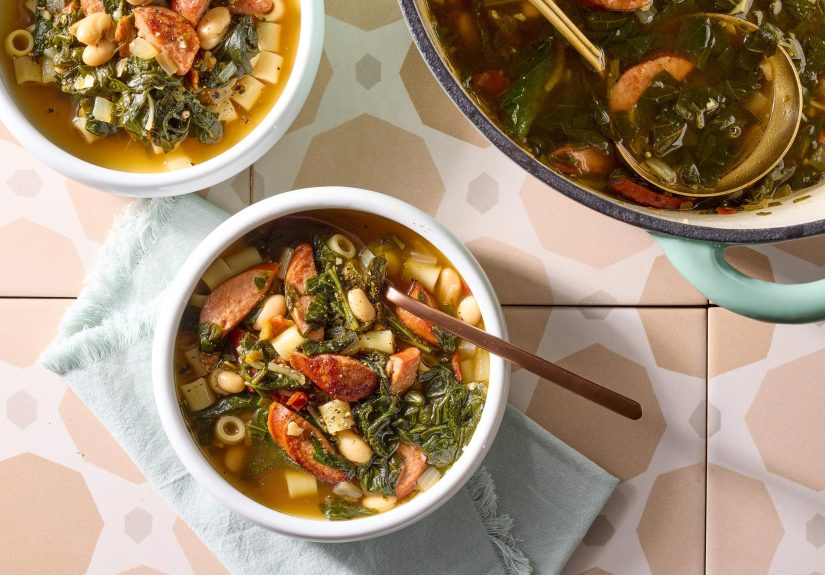
At its core, swamp soup is a Southern-style beans and greens soup that usually includes smoky sausage and something
starchy (potatoes or pasta). It’s cozy enough for a winter night, easy enough for a weeknight, and forgiving enough to survive
your “measurement vibes.” In other words: it’s the soup equivalent of sweatpantsreliable, comforting, and somehow always the right choice.
What Is Swamp Soup (and Why Is It So Popular Right Now)?
“Swamp soup” doesn’t have one single official definition, but most versions share the same delicious DNA:
leafy greens + beans + smoky meat + broth, simmered until everything tastes like it
grew up together. Some recipes lean on turnip greens for that classic bite, while others use collards, kale, or spinach.
The name is basically a compliment to the colormurky, swampy, and wildly satisfying.
You’ll also see “swamp soup” used for a second, more viral style: a super-green, garlicky, gingery chicken-and-rice soup that turns
emerald when blended with greens. Both are valid. Today, we’re focusing on the most classic, crowd-pleasing version:
a Southern-inspired one-pot soup with sausage, beans, greens, and potatoes (with pasta as an optional side quest).
The Best Southern-Style Swamp Soup Recipe (One Pot, Big Flavor)
This version balances smoky sausage, creamy beans, tender potatoes, and greens that wilt into that signature swampy look.
A little tomato (optional) adds depth, and a splash of vinegar at the end wakes everything uplike turning on the lights at a party
and realizing the party is actually delicious soup.
Ingredients (Serves 6–8)
- 1 lb smoked sausage (andouille, kielbasa, or your favorite), sliced into half-moons
- 1–2 tbsp olive oil (skip or reduce if your sausage renders a lot of fat)
- 1 medium yellow onion, chopped
- 2–4 celery stalks, sliced (optional but great for soup-base flavor)
- 3–4 garlic cloves, minced
- 2 tbsp tomato paste (optional, for deeper “cooked” flavor)
- 6 cups chicken stock (or low-sodium broth)
- 1 cup water (as needed for consistency)
- 1 lb Yukon gold potatoes, diced (about 1/2-inch pieces)
- 1 1/2 tsp Creole or Cajun seasoning (start here; adjust later)
- Black pepper, to taste
- 2 cans white beans (cannellini, Great Northern, or navy), drained and rinsed
- 4 cups chopped greens (turnip greens, collards, kale; or 6–8 cups if using tender spinach)
- 1 (10 oz) can diced tomatoes with green chiles (optional, for a spicier, tomato-forward swamp)
- 1–2 jalapeños, seeded and chopped (optional heat boost)
- 2 tsp apple cider vinegar (or lemon juice), added at the end
- Salt, to taste (go easy until the endsausage + seasoning can be salty)
Optional Add-Ins (Choose Your Own Swamp Adventure)
- Pasta: 8 oz ditalini or orzo (cook separately; add to bowls so it doesn’t soak up all your broth)
- “New Year’s” vibes: black-eyed peas instead of white beans
- Extra veg: bell pepper, carrots, okra, corn, or cabbage
- Heat: hot sauce at the table, red pepper flakes, or a pinch of cayenne
Step-by-Step Instructions
-
Brown the sausage. Heat a large pot or Dutch oven over medium heat. Add olive oil (if needed) and the sausage.
Cook until browned and a little crisp on the edges, about 5–7 minutes. Remove sausage to a plate. -
Sauté the aromatics. In the same pot, add onion and celery. Cook until softened, about 5–6 minutes.
Stir in garlic and cook 30–60 seconds, just until fragrant. -
Build the flavor base. If using tomato paste, stir it in now and cook for 1–2 minutes.
This quick “toast” turns it from raw-tomato to rich-and-savory. -
Add broth + potatoes. Pour in stock. Add potatoes, Cajun/Creole seasoning, and black pepper.
Bring to a gentle simmer. Cover with the lid slightly ajar and simmer until potatoes are tender, about 10–12 minutes. -
Beans, greens, and (optional) tomatoes. Stir in beans, the browned sausage, and the greens.
If you’re using diced tomatoes with green chiles, add them here too. Simmer until greens are tender, about 5–10 minutes
(spinach is quick; collards/turnip greens may take longer). -
Finish with brightness. Stir in apple cider vinegar. Taste and adjust: more seasoning, a pinch of salt,
a dash of hot sauce, or a splash of water if it’s thicker than you like. -
Serve. Ladle into bowls. Add cooked pasta to each bowl if you want it. Top with a drizzle of olive oil,
a sprinkle of Parmesan, or a few crushed crackers (no judgment).
Timing Snapshot
- Prep: 15–20 minutes
- Cook: 35–45 minutes
- Total: about 1 hour
Why This Swamp Soup Works (Flavor Analysis Without the Food-Science Lecture)
1) Browning = built-in depth
When you brown sausage first, you’re not just cooking meatyou’re creating concentrated flavor in the pot.
Those browned bits (the fancy word is “fond,” but we’ll call them “tiny flavor stickers”) dissolve into the broth and make the whole
soup taste like it took all day.
2) Beans do double duty
Beans add protein and creaminess. For a thicker, richer broth, mash a half-cup of beans against the side of the pot and stir them back in.
It’s a sneaky, no-blender way to get that velvety texture without cream.
3) Vinegar at the end keeps the soup from tasting “flat”
A small splash of apple cider vinegar (or lemon) brightens everything, balancing smoky sausage and earthy greens.
If your soup tastes “fine but missing something,” it’s usually acidor you ate a cookie right before tasting.
Make It Your Own: Variations for Every Pantry Mood
Greens Options
- Turnip greens: peppery, classic swamp vibe
- Collard greens: sturdy and mellow, great for longer simmers
- Kale: easy to find, holds texture well
- Spinach: tender, fast, and makes the soup greener
- Canned or frozen greens: a legit shortcutjust watch the salt and drain if watery
Beans and “Peas” Options
- Cannellini / Great Northern / navy beans: creamy and mild
- Black-eyed peas: traditional for “lucky” New Year’s-style versions
- Chickpeas: firmer bite; still works
- Vegetarian protein boost: add an extra can of beans and a handful of lentils (adjust simmer time)
Meat Options (or No Meat at All)
- Smoked sausage: the easiest flavor shortcut
- Chicken sausage: lighter, still smoky if you choose a good one
- Ham: diced ham or a ham bone makes the broth extra cozy
- Vegetarian: use vegetable broth, add smoked paprika, and toss in mushrooms for savory depth
Slow Cooker and Instant Pot Notes
-
Slow cooker: Brown sausage first for best flavor. Add everything except delicate greens (and pasta).
Cook on LOW 4–6 hours. Stir in greens for the last 15–30 minutes. -
Instant Pot: Sauté sausage and aromatics, add broth + potatoes, pressure cook 6 minutes, quick release,
then stir in greens and beans on sauté until greens soften.
What to Serve with Swamp Soup
Swamp soup is already a meal, but it loves a sidekick:
- Cornbread (sweet or savoryyour household politics may vary)
- Crusty bread for dunking
- Rice if you want it extra filling
- Pickles or chow-chow for tangy crunch
- A simple salad if you’d like to feel like a person who “balances meals”
Storage, Freezing, and Food Safety (Because Soup Deserves a Long Life)
Swamp soup is meal-prep friendly, but treat it like any cooked food: cool it promptly and store it properly.
Refrigerate leftovers within about 2 hours. For best quality, keep it in the fridge for 3–4 days.
Reheat until piping hotaim for 165°F if you’re using a thermometer, and bring soups to a boil when reheating.
Freeze in airtight containers for longer storage; quality is usually best within a few months.
Pro Meal-Prep Tip
If you’re using pasta, store it separately. Pasta in soup is basically a sponge with ambition, and it will happily drink your broth overnight.
Add it to bowls when serving for the best texture.
Swamp Soup FAQ
Why is my swamp soup too salty?
Smoked sausage, canned greens, bouillon, and Cajun seasoning can all carry salt. Use low-sodium broth, rinse canned beans,
and wait to salt until the end. If it’s already salty, add extra water/broth and a squeeze of lemon or splash of vinegar to rebalance.
How do I make it thicker?
Mash some beans or potatoes in the pot and stir. Or simmer uncovered a little longer. Avoid adding flour unless you want it to turn
into a different soup with a different personality.
Can I make swamp soup vegetarian?
Absolutely. Use vegetable broth, swap sausage for mushrooms (or a plant-based smoked sausage), and add smoked paprika for that “campfire”
note. Beans + greens already do most of the heavy lifting.
What greens are best for beginners?
Kale and spinach are the easiest to find and easiest to cook. Turnip greens are classic and delicious, just a bit more peppery.
If you’re unsure, do half kale and half spinach for a friendly middle ground.
of Swamp Soup Experiences (The Real Reason This Recipe Sticks)
Swamp soup has a special talent: it shows up exactly when people need it. It’s the kind of recipe that gets passed around because
it solves real-life problemslike “What do I cook that won’t cause complaints?” and “How do I turn random pantry items into dinner
without making a second trip to the store?”
For a lot of home cooks, the first swamp soup experience starts with a name that sounds like a prank. Someone mentions it at work,
a friend texts “you HAVE to try this,” or you spot it online and assume it’s either (a) a joke or (b) a Halloween dare. Then you make it,
and the plot twist hits: it tastes like comfort food that knows your schedule is busy.
It’s also a soup that fits into traditions without demanding a strict rulebook. Around New Year’s, many people lean into the “beans and greens”
idea because it’s familiar, filling, and feels auspiciousespecially if black-eyed peas make an appearance. On a random Tuesday, it’s simply a
one-pot dinner that doesn’t require a culinary pep talk. You can make a big batch, eat it for lunch, freeze a few portions, and feel like you
have your life together (even if your laundry pile disagrees).
Another classic swamp soup moment: the weather shifts. The first truly chilly evening of the season arrives, and suddenly salads feel like a
personal insult. Swamp soup steps in with the warm-bowl effectrich broth, smoky sausage, soft potatoes, and greens that taste far more exciting
than they sound. People who swear they “don’t love greens” often become surprisingly quiet after the second bite, which is one of the highest
compliments a soup can receive.
And then there’s the customization factor, which is basically swamp soup’s love language. One cook adds extra jalapeños because they want heat.
Another tosses in cabbage because it’s in the crisper drawer and looking nervous. Someone else skips potatoes and serves it over rice because
that’s what their family likes. Swamp soup doesn’t judge. It’s not here to be preciousit’s here to be useful and delicious.
Finally, swamp soup is a “shareable” recipe in the most practical way. It travels well, reheats well, and tastes even better the next day when
the flavors have had time to mingle. It’s the dish you bring to a friend who just had a busy week, or the pot you keep on the stove when family
is visiting and everyone is hungry at different times. Somehow, it always feels like you cooked with extra efforteven when the truth is you
just browned sausage, opened a few cans, and let the pot do the work. That’s the magic: swamp soup looks humble, tastes impressive, and makes
everyday cooking feel a little more like a win.
Conclusion
A great swamp soup recipe is equal parts hearty and flexible: smoky sausage for flavor, beans for body, greens for balance,
and potatoes (or pasta) for that satisfying, stick-to-your-ribs finish. Make it classic, make it spicy, make it vegetarianjust make it.
The only real rule is this: if it’s warm, savory, and a little bit swampy, you’re doing it right.







 Close
Close