
Table of Contents >> Show >> Hide
Nursing is one of the few careers where your job title can stay the same while your actual day-to-day life changes completely. One nurse might spend the morning calming a frightened second grader with asthma. Another might help a premature baby breathe in the NICU. Another could be translating lab values, symptoms, and medical jargon into plain English for a family that has not slept in 36 hours. Same profession. Very different worlds.
That is the beauty of nursing specialties. They let nurses match their skills, personality, and patience level to the people and problems they want to serve most. Some roles focus on children. Some revolve around specific conditions like cancer, kidney disease, or mental health disorders. Others are rooted in communities, schools, workplaces, homes, and public health systems. In other words, nursing is not one lane. It is a whole interstate system, complete with a few emotional toll booths.
If you are exploring career paths, building content around healthcare careers, or simply trying to understand who does what in a hospital, clinic, or community setting, this guide breaks down 25 important nursing specialties. You will see what each type of nurse typically does, who they care for, and why the role matters.
Why Nursing Specialties Matter
Nurses are often the professionals who spend the most time with patients and families. Because of that, specialization is not just a résumé upgrade. It changes outcomes. A pediatric nurse knows how to assess a child who cannot explain what hurts. A psychiatric-mental health nurse may notice a subtle change in mood or behavior before a crisis unfolds. A hospice nurse understands that comfort, dignity, and communication are just as important as medications and charting.
Specialty nursing also reflects how healthcare really works in the United States. Care does not happen only in hospitals. It happens in schools, dialysis centers, surgical suites, homes, public health departments, labor units, clinics, and community programs. So when people ask, “What types of nurses are there?” the honest answer is: a lot more than the scrubs-on-a-med-surg-floor stereotype suggests.
Types of Nurses for Children and Families
1. Pediatric Nurse
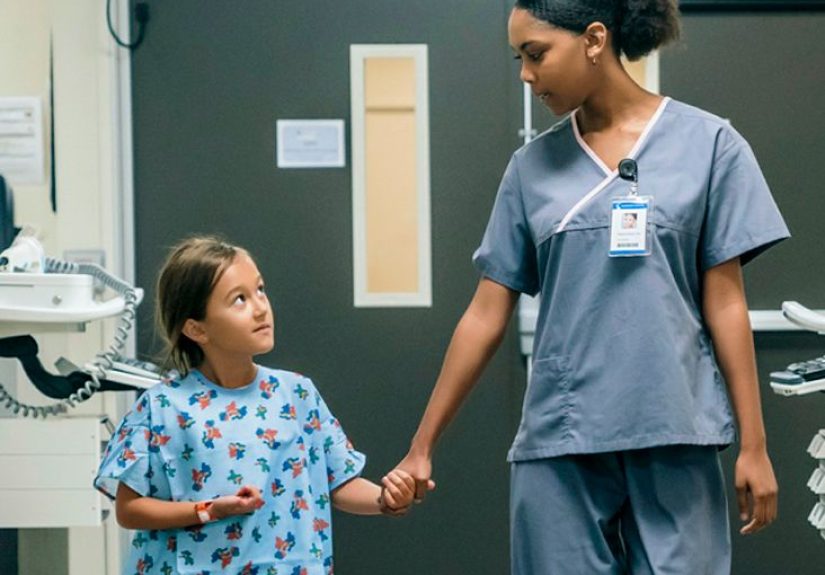
Pediatric nurses care for infants, children, adolescents, and sometimes young adults. Their work combines clinical skill with family-centered communication, because treating the child usually means educating, reassuring, and partnering with parents or caregivers too. On any given day, a pediatric nurse may handle fevers, broken bones, chronic illnesses, vaccinations, or recovery after surgery.
2. Neonatal Intensive Care Unit (NICU) Nurse
NICU nurses care for premature newborns and medically fragile infants who need close monitoring and highly specialized support. These nurses work in an environment where tiny details matter: breathing patterns, feeding tolerance, skin integrity, oxygen levels, and parental bonding. It is high-stakes nursing performed beside patients who are very small and very mighty.
3. Pediatric Intensive Care Unit (PICU) Nurse
PICU nurses care for critically ill children with severe infections, trauma, respiratory failure, congenital disorders, or post-operative complications. The role requires technical skill, fast clinical judgment, and the ability to help families through frightening situations. If ICU nursing is intense in general, PICU nursing adds toy dinosaurs, worried parents, and the need to explain serious care in human terms.
4. School Nurse
School nurses support student health, safety, attendance, and readiness to learn. Their work goes far beyond handing out ice packs and suggesting deep breaths. They manage chronic conditions such as asthma, diabetes, severe allergies, and seizure disorders; coordinate care plans; respond to emergencies; track health needs; and often serve as a bridge between healthcare providers, families, and educators.
5. Pediatric Oncology Nurse
Pediatric oncology nurses care for children and teens receiving treatment for cancers such as leukemia, lymphoma, and solid tumors. They help manage chemotherapy, side effects, infection risk, pain, and emotional stress. This role requires equal parts precision and heart, because patients may need IV medication in one moment and encouragement before a scary procedure in the next.
6. Pediatric Acute Care Nurse Practitioner
This advanced practice role focuses on children with acute, complex, critical, and chronic illness in hospital-based or specialty settings. Pediatric acute care NPs assess, diagnose, treat, and coordinate care for patients whose needs are more complicated than a routine clinic visit. They are often deeply involved in family education and interdisciplinary teamwork.
7. Labor and Delivery Nurse
Labor and delivery nurses care for pregnant patients during childbirth, monitor maternal and fetal well-being, assist during vaginal and cesarean deliveries, and respond to obstetric emergencies. They are part clinician, part coach, part calm voice in a room that can swing from joyful to urgent in seconds. It is one of nursing’s most dramatic specialties, and not just because everyone suddenly cares a lot about timing contractions.
8. Mother-Baby or Postpartum Nurse
Mother-baby nurses care for patients and newborns after delivery, focusing on recovery, feeding, infant assessments, education, and safe transition home. They teach parents how to read hunger cues, swaddle without starting an origami crisis, and recognize warning signs that need follow-up. Their work shapes those first fragile, memorable days after birth.
Types of Nurses Focused on Specific Conditions and High-Acuity Care
9. Emergency Nurse
Emergency nurses work in fast-moving settings where the patient lineup may include chest pain, car accidents, dehydration, infections, fractures, panic attacks, strokes, and exactly one person who says, “This has been happening for six months, but today felt like the day.” They assess quickly, prioritize correctly, stabilize patients, and adapt to the unexpected.
10. Critical Care Nurse
Critical care nurses work with acutely or critically ill patients who require close monitoring, advanced equipment, and rapid response to clinical changes. These nurses often practice in ICUs, cardiac units, trauma units, or specialty transport settings. Precision, vigilance, and strong communication define the role.
11. Oncology Nurse
Oncology nurses care for patients with cancer across diagnosis, treatment, symptom management, survivorship, and sometimes end-of-life care. They may administer chemotherapy, monitor side effects, educate patients about treatment plans, and support people through emotionally demanding decisions. It is one of the clearest examples of nursing that is both highly technical and deeply relational.
12. Psychiatric-Mental Health Nurse
Psychiatric-mental health nurses care for people with mental health conditions, psychiatric disorders, substance use disorders, and co-occurring challenges. They may work in inpatient units, outpatient clinics, primary care, schools, community programs, or crisis settings. Their role blends assessment, therapeutic communication, medication support, safety planning, and advocacy.
13. Nephrology Nurse
Nephrology nurses care for patients with kidney disease, including those receiving hemodialysis, peritoneal dialysis, transplant-related care, or chronic kidney disease management. They need a strong understanding of fluid balance, vascular access, lab trends, patient teaching, and long-term disease management. In many ways, nephrology nursing is the art of managing complexity repeatedly and reliably.
14. Wound, Ostomy, and Continence Nurse
Often called a WOC nurse, this specialist cares for patients with wounds, pressure injuries, fistulas, ostomies, drains, and continence issues. These nurses are experts in skin integrity, healing, prevention, and education. Their work can dramatically improve comfort, mobility, dignity, and recovery, which makes the specialty far more life-changing than its name may first suggest.
15. Rehabilitation Nurse
Rehabilitation nurses help patients adapt after illness, injury, or disability. They work with people recovering from stroke, spinal cord injury, brain injury, orthopedic trauma, or chronic functional loss. The goal is not just clinical stability. It is helping patients regain independence, confidence, and the ability to navigate real life again.
16. Perioperative Nurse
Perioperative nurses work before, during, and after surgery to support safety, sterile practice, patient preparation, and smooth transitions through the surgical experience. Some function as circulators in the operating room, while others support pre-op, post-op, or first-assist functions depending on training and setting. They are highly organized because surgery has enough drama already.
17. Hospice and Palliative Care Nurse
Hospice and palliative care nurses focus on quality of life, symptom relief, communication, and support for patients with serious illness and their families. Palliative care can be provided alongside treatment, while hospice care is typically for people nearing the end of life. These nurses are experts in pain management, goals-of-care conversations, and preserving dignity when cure is no longer the central goal.
Community, Prevention, and Whole-Person Nursing Specialties
18. Public Health Nurse
Public health nurses look beyond individual patients to populations and communities. They work on disease prevention, health promotion, screening, education, outbreak response, immunization efforts, and programs designed to improve access and reduce inequities. If bedside nursing zooms in, public health nursing zooms out.
19. Community Health Nurse
Community health nurses often work where people live, learn, worship, and gather. Their focus is practical and local: access to care, chronic disease prevention, health education, maternal-child support, and outreach for underserved populations. They help healthcare leave the building and meet people where life is actually happening.
20. Home Health Nurse
Home health nurses care for patients in their homes, often after hospitalization, surgery, or major changes in health status. They may manage medications, wound care, assessments, chronic conditions, teaching, and coordination with providers and caregivers. This role requires independence, sharp observation, and the ability to assess not only the patient, but also the home environment and support system.
21. Occupational Health Nurse
Occupational health nurses focus on worker health, injury prevention, workplace safety, wellness programs, and return-to-work support. They may handle screenings, health education, exposure prevention, emergency response planning, and case follow-up. Think of them as the nursing specialty that knows both blood pressure and breakroom hazards.
22. Nurse Practitioner
Nurse practitioners are advanced practice registered nurses who provide primary, acute, and specialty care. Depending on population focus and state practice laws, NPs may assess patients, diagnose conditions, order tests, prescribe treatments, and manage ongoing care. Family nurse practitioners, adult-gerontology NPs, pediatric NPs, and psychiatric-mental health NPs are just a few examples of how broad this role can be.
23. Nurse Midwife
Certified nurse-midwives provide gynecologic, reproductive, and maternity care, including prenatal care, labor support, birth, and postpartum services. They also care for patients across the lifespan in areas such as contraception and wellness. The role combines advanced clinical training with a strong emphasis on patient education and relationship-based care.
24. Nurse Anesthetist
Certified registered nurse anesthetists are advanced practice nurses who deliver anesthesia and related care in surgical, procedural, and pain-management settings. They assess patients before procedures, monitor them throughout anesthesia, and support recovery afterward. It is a highly specialized role built on advanced education, precision, and strong judgment.
25. Informatics Nurse
Informatics nurses work at the intersection of clinical care, data, systems, and technology. They help improve documentation, workflow, electronic health records, safety reporting, analytics, and technology adoption. While they may not spend every shift at the bedside, their work shapes how care is delivered across entire organizations.
How to Choose the Right Nursing Specialty
For nurses, the “best” specialty is rarely the one that sounds most impressive at a dinner party. It is usually the one that fits how you think, communicate, and recover after a hard day. If you like variety and quick decision-making, emergency nursing may feel energizing. If you love education and long-term relationships, home health, school nursing, or community health may be a better match. If physiology and complex devices make your brain light up, critical care, anesthesia, or nephrology could be more your speed.
It also helps to ask a few honest questions: Do you prefer children or adults? Long-term care plans or rapid intervention? Hospital life or community settings? Structured teamwork or autonomous fieldwork? Nursing offers plenty of ways to change direction over time, so choosing one specialty is not a lifetime contract. It is more like choosing your next chapter.
Real-World Experiences Across Nursing Specialties
One of the best ways to understand the types of nurses is to picture what their work actually feels like. Not the polished version from a brochure. The real version, where the coffee gets cold, the pager goes off, and someone needs you right now.
Take the school nurse, for example. By 10:00 a.m., that nurse may have handled a child with an asthma flare, another with a blood sugar issue, two students with mysterious stomachaches that suspiciously appeared before math class, and a call to a parent about a medication form that still is not signed. But underneath the chaos is serious clinical work: assessment, documentation, emergency planning, and chronic condition management. The school nurse is often the one steady healthcare presence in the building, which is a bigger deal than most people realize.
Now picture a NICU nurse. The room is quieter, the equipment is more intense, and every action feels magnified. A feeding that goes well can feel like a triumph. A tiny change in color, breathing, or temperature can shift the whole plan of care. NICU nurses also care for parents who are trying to bond with a baby while surrounded by alarms, monitors, and fear. They teach, encourage, and translate a very technical environment into something a family can survive emotionally.
On the oncology side, the experience is different again. Oncology nurses often get to know patients over time, which means they see courage, exhaustion, humor, side effects, small wins, and terrible days all in the same week. They learn how to explain complex treatment in plain language. They notice when a patient says “I’m fine” in a voice that absolutely means the opposite. They become anchors, not because they can fix everything, but because they know how to stay present when things are hard.
Public health and community nurses often work without the dramatic soundtrack people associate with hospital care, but their impact can be enormous. A vaccine clinic, a blood pressure screening event, a maternal-child outreach visit, or a health education program may not look flashy, yet those efforts can prevent hospitalizations before they happen. Community-based nurses spend a lot of time solving practical problems: transportation, access, trust, follow-up, health literacy, and the reality that people cannot always “just come back next week.”
Hospice nurses experience another side of nursing entirely. Their work is not about doing more at all costs. It is about doing what matters most. That can mean controlling pain, explaining what to expect, helping families feel less afraid, and making a patient comfortable enough to rest, talk, or simply be. It takes clinical skill, emotional steadiness, and a remarkable ability to make room for grief without becoming numb to it.
Across all 25 specialties, one truth stays the same: nurses are interpreters of health, crisis, hope, and next steps. They read symptoms, but they also read people. They manage treatment, but they also manage fear, confusion, and the thousand small details that stand between a patient and better care. Different specialty, same essential mission.
That is why nursing specialties matter so much. They do not divide the profession. They show just how many ways nurses make healthcare work for children, families, patients with complex conditions, and whole communities. And yes, sometimes they do all of that before lunch.







 Close
Close