
Table of Contents >> Show >> Hide
- What Makes This a “New Kind” of Rescue?
- Why Goats and Sheep End Up Needing Rescue
- The Intake Glow-Up: Quarantine, Checks, and Calm
- Health Basics That Keep Them Cute (and Comfortable)
- Food, Water, and the “Please Don’t Feed This” List
- Housing That Feels Like Home (and Doesn’t Invite Chaos)
- Rehab Isn’t Only Physical: It’s Trust, Too
- Three Rescue Stories You’ll Recognize (Because They Happen a Lot)
- How You Can Help (Even If You Don’t Own Overalls)
- Experiences: What It Feels Like to Spend Time With Rescued Goats and Sheep
- Conclusion: Cute Is the HookCompassion Is the Point
Once upon a time, “animal rescue” made most people picture a puppy in a blanket burrito or a cat glaring from inside a carrier like you personally offended it. But there’s a quieter, fluffier rescue world having a glow-up right nowone with cloven hooves, snacky attitudes, and a dramatic talent for turning a bucket into a percussion instrument at 6 a.m.
Welcome to the new kind of animal rescue: sanctuaries and community-based farm rescues saving goats and sheepanimals who are often overlooked because they’re labeled “livestock” instead of “pet.” The twist? These rescues aren’t just providing safety. They’re rebuilding trust, treating neglected health issues, and helping people fall in love with the idea that every animal deserves comfort, agency, and a chance to live a good life.
What Makes This a “New Kind” of Rescue?
Traditional rescues often focus on dogs and cats. Farm rescues (especially those centered on goats and sheep) are expanding what “rescue” can meanbecause the needs are different, the misconceptions are stubborn, and the personalities are… honestly, sitcom-level.
It’s not just a safe placeit’s a whole comeback story
Modern goat and sheep rescue often looks like this:
- Trauma-informed care: slow introductions, gentle handling, and patience for animals that learned humans weren’t safe.
- Medical rehabilitation: addressing chronic hoof issues, parasites, malnutrition, dental problems, and untreated injuries.
- Enrichment and agency: designing spaces where animals can choose where to rest, who to hang out with, and how to play.
- Education: helping communities understand that “farm animal” is not a synonym for “disposable.”
- Support models that work: sponsorships, fosters, volunteer caregiving, and partnerships with animal control.
In other words: it’s rescue, plus long-term healing, plus a little bit of “we’re going to need a bigger hay budget.”
Why Goats and Sheep End Up Needing Rescue
Goats and sheep can be kept as companion animals, for fiber, for milk, for land management, or as part of small farms. But when circumstances change, they’re also some of the easiest animals to “fall through the cracks.”
Common reasons goats and sheep need help
- Backyard “starter animals” that weren’t so starter: People underestimate fencing, feeding, vet costs, and the fact that goats are born engineers.
- Abandonment or surrender: moving, job loss, illness, divorce, or housing rules that say “no livestock,” even if the livestock is basically a fuzzy roommate.
- Neglect cases: including hoarding, lack of medical care, or animals left without proper shelter or nutrition.
- Project animals with no plan B: sometimes after youth programs, auctions, or “we’ll figure it out later” situations.
- Natural disasters and emergencies: where evacuations, damaged fencing, or disrupted feed supply creates a sudden crisis.
What’s heartbreaking is that many of these situations start without crueltyjust overwhelm. And overwhelm plus animals equals urgent rescue.
The Intake Glow-Up: Quarantine, Checks, and Calm
When goats and sheep arrive at a rescue, the first priority is safetyboth for the new arrivals and for the resident herd or flock. That’s why most reputable rescues treat intake like a carefully planned landing sequence, not a chaotic “everybody hug the new goat” moment.
Quarantine: boring, essential, and very responsible
New arrivals are typically quarantined and monitored before being integrated with other animals. This period allows caregivers to watch for illness, assess parasite load, and build a baseline on appetite, behavior, mobility, and stress levels.
What rescues look for right away
- Body condition: underweight, overweight, dehydration, coat quality, anemia signs (especially in small ruminants).
- Feet and legs: lameness, overgrown hooves, hoof infections, swelling, or heat.
- Breathing and energy: coughing, nasal discharge, lethargy, fever concerns.
- Skin and fleece: external parasites, sores, and (for sheep) whether wool condition suggests an urgent shearing need.
- Behavior: fear, shutdown, aggression rooted in stress, or signs the animal was isolated and is craving companionship.
It’s not glamorous content for social media, but it’s where rescue is won: quiet routines, consistent observation, and the kind of patience that deserves its own award show.
Health Basics That Keep Them Cute (and Comfortable)
“Cute” is the marketing. “Comfortable” is the mission. A lot of rescued goats and sheep arrive with very fixable problems that became serious only because nobody caught them early.
Hoof care: the underrated hero of rescue
Overgrown hooves can cause pain, change how an animal walks, and increase the risk of infection. Regular trimming schedules vary by environment and genetics, but many small-ruminant caretakers aim for check-and-trim cycles every few months.
Parasites: common, manageable, and not a moral failing
Internal parasites are a frequent issue for goats and sheep, especially if they came from crowded or poorly managed conditions. Responsible rescues work with veterinarians, use fecal testing, and avoid “panic deworming” that can worsen resistance over time. The goal is targeted care based on real data.
Vaccines and vet partnerships
Veterinary guidance is a cornerstone of good rescue, especially because goats and sheep can mask illness until they feel truly unwell. A rescue team with a solid vet relationship can catch small problems before they become expensive emergencies.
Food, Water, and the “Please Don’t Feed This” List
If you’ve ever seen a goat taste-test a cardboard box like it’s a five-course meal, you already understand why nutrition matters.
Goats browse; sheep graze
Goats are natural browsersthey like variety and often prefer to eat higher off the ground. Sheep are more classic grazers. In rescue settings, that means feeding strategies should match species instincts so everyone eats well and stress stays low.
Minerals: where “helpful” can accidentally become “oops”
One of the biggest mixed-herd gotchas is minerals. Sheep are especially sensitive to copper, so a mineral blend designed for goats can be risky for sheep. Many rescues handle this by separating mineral access or choosing sheep-safe options when animals share space.
Treats should be… treats
Sanctuaries often use small treats to build trustthink a little produce or a handful of pelletswhile keeping the real diet anchored in quality forage. Also: moldy hay is never “fine,” and “they’ll eat anything” is not a feeding plan. It’s a comedy plot line at best.
Housing That Feels Like Home (and Doesn’t Invite Chaos)
Proper shelter keeps animals safe from weather extremes, reduces stress, and lowers disease risk. Good housing is also about behaviorbecause goats will climb, sheep like calm, and both species thrive with consistent routines.
Three non-negotiables in well-run rescues
- Dry, draft-protected shelter: a clean resting area that stays comfortable in rain, heat, and cold.
- Safe fencing: not “decorative fencing,” but “goat-proof fencing,” which is a completely different scientific category.
- Social companionship: goats and sheep are social animals; isolation is stressful and can spiral into health and behavior problems.
Rehab Isn’t Only Physical: It’s Trust, Too
A rescued goat might flinch at a raised handnot because it’s “mean,” but because it learned to brace for the worst. A rescued sheep might freeze and shut down, especially if it’s been chased, mishandled, or kept alone. The new kind of rescue respects that emotional reality.
What rebuilding trust looks like
- Moving slowly and consistently (yes, even when the goat is yelling like it pays rent).
- Letting the animal approach firstcuriosity is a powerful healer.
- Pairing timid animals with confident friends, when appropriate.
- Using enrichment: climbing structures for goats, scratching brushes, safe toys, and plenty of space to decompress.
Over time, you see the moment the animal realizes: “Oh. This place is different.” It’s not always dramatic. Sometimes it’s just a nap in the sun without tension in the shoulders. But it counts.
Three Rescue Stories You’ll Recognize (Because They Happen a Lot)
1) The Sheep with the Unplanned Winter Coat
A wool sheep arrives with heavy, dirty fleece and signs of heat stress during warm days. The rescue team prioritizes hydration, shade, and a careful shearing plan (done safely and at the right time). Afterward, the sheep moves easier, rests more comfortably, and suddenly looks like the “after” photo in a makeover showexcept the makeover is literally basic welfare.
2) The Goat Who Walked Like It Was Tiptoeing Through Legos
Overgrown hooves are common in rescue goats, especially when trimming has been neglected for months (or years). After gradual corrective trims and treatment for any infections, the goat’s posture improves. It starts playing again. It discovers jumping. Everyone in the barn immediately regrets underestimating the jumping.
3) The “We Love Them, We Just Can’t Keep Up” Pair
A goat and sheep are surrendered by a family that genuinely cared but couldn’t manage rising feed costs and medical needs. At intake, the animals are shy but not broken. With steady routines, a calm herd, and consistent handling, they become the greetersthose animals who walk right up to visitors like “Hi, do you have snacks and emotional availability?”
How You Can Help (Even If You Don’t Own Overalls)
You don’t need land or a barn to support goat and sheep rescue. In fact, the most helpful support is often predictable, practical, and boringin the best way.
Real ways to make a difference
- Sponsor an animal: monthly support helps cover feed, bedding, and veterinary care.
- Donate supplies: hay, straw, mineral tubs (the right kind), buckets, and bedding are always in demand.
- Volunteer: rescues need hands for cleaning, feeding, enrichment, and facility maintenance.
- Share responsibly: social media can boost adoptions, sponsorships, and fundraisingwhen it’s honest and not sensational.
- Learn and advocate: support humane policies and community education that prevent neglect before it starts.
- Report neglect: if animals appear without adequate shelter, water, or care, contact local animal control or humane law enforcement.
The new kind of rescue is community-powered. It’s built on people who understand that compassion isn’t only for animals that fit in a tote bag.
Experiences: What It Feels Like to Spend Time With Rescued Goats and Sheep
If you’ve never visited a goat and sheep sanctuary, imagine this: the air smells like hay and clean earth, and the soundtrack is a mix of soft munching, the occasional “baa,” and one goat who has decided the universe needs louder opinions. The first thing you notice is how different rescued animals can look when their needs are metsteady eyes, relaxed posture, coats that actually shine, and a calm that feels contagious.
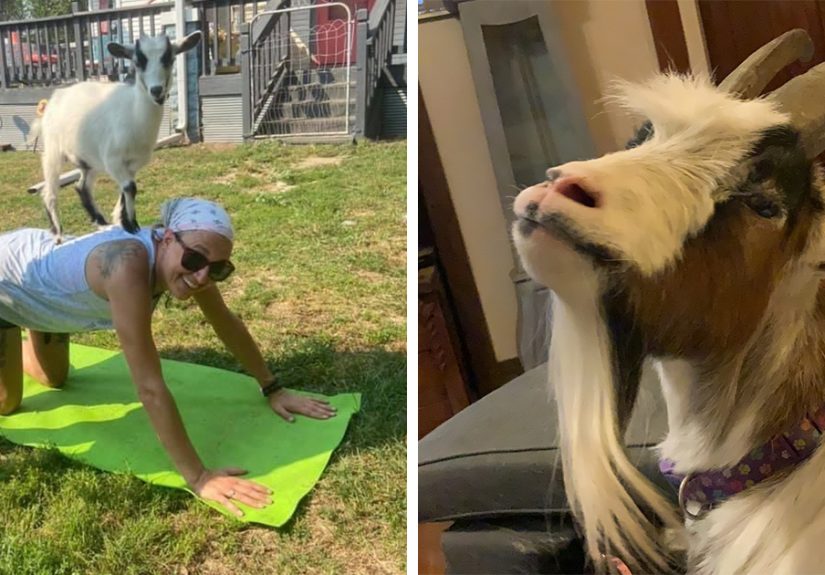
A typical visit often starts with introductions that aren’t forced. Caregivers will tell you who’s shy, who’s confident, and who will absolutely try to untie your shoelaces if you stand still too long. You might see a sheep choose to rest beside a buddy, shoulder-to-shoulder, like a quiet “I’m safe here” statement. You might watch a goat hop onto a platform, pause dramatically at the top like it’s accepting an award, and then leap down for no reason other than pure joy.
Volunteering has its own rhythm. There’s a gentle routine to itrefresh water, check hay, tidy bedding, walk the space to make sure fencing and gates are secure. It’s hands-on, but it’s also strangely peaceful. You start to understand that rescue isn’t only emergencies. It’s consistency. It’s noticing that one sheep is eating a little slower today, or that a goat is favoring a foot, and telling the caregiver so it can be addressed early.
The most memorable moments are often small. A goat that used to back away now steps forward to sniff your hand. A sheep that once froze during handling now stands calmly while a caregiver checks its legs. You realize how much healing can happen when an animal is given choiceswhere to stand, when to approach, which friend to nap beside. It changes the whole feeling of “animal interaction” from entertainment to relationship.
And yes, there’s cutenessunfair amounts of it. Goats have expressive faces and comedic timing. Sheep have a soft steadiness that makes them feel like the gentle friend who always remembers your birthday. But what sticks with you is the deeper truth: these animals aren’t props, products, or background scenery. They’re individuals. When you leave a sanctuary, you don’t just remember the adorable faces. You remember the idea that care can be intentional, that rescue can be proactive, and that “a good life” is something we can choose to provideone hoof trim, one clean water bucket, one calm interaction at a time.
Conclusion: Cute Is the HookCompassion Is the Point
Goats and sheep are charming, funny, and ridiculously easy to root for. But the new kind of animal rescue isn’t just about adorable photos (though we are definitely not discouraging adorable photos). It’s about recognizing that farmed animals can need rescue just as urgently as any dog or catand that healing looks like routine, safety, veterinary care, and respect.
If you want to help, start small: learn, share responsibly, support a sanctuary, sponsor a goat or sheep, or volunteer. The impact is real. The friendships are real. And somewhere in a barn, a goat is probably celebrating your decision by climbing onto something it definitely shouldn’t.






 Close
Close