
Table of Contents >> Show >> Hide
- What People Mean by “African Porridge”
- Why Porridge Became a Staple (Hint: It’s Not Just Because It’s Delicious)
- The Grain Lineup: Millet, Sorghum, Maize, Teff, and More
- Fermentation: The Tangy Superpower
- Textures Matter: From Silky Bowls to Sturdy Pap
- How to Make a Simple African-Style Porridge at Home
- Flavor Ideas That Respect Tradition and Still Feel Modern
- Nutrition Notes, Without the Hype
- Frequently Asked Questions
- Experiences Around African Porridge (A 500-Word Add-On)
If you’ve ever watched a pot of porridge bubble on the stove, you already understand the secret superpower of this food: it turns a handful of grain and water into something warm, filling, and weirdly comfortinglike an edible blanket. Across Africa, “porridge” isn’t one recipe so much as a whole family of everyday staples. It can be silky and tangy, spoonable and sweet, or thick enough to stand up to a hearty stew without flinching.
This is your friendly, practical guide to African porridge: what it is, why it matters, how it changes from region to region, and how to make a satisfying bowl at home without needing a plane ticket or a culinary degree.
What People Mean by “African Porridge”
Africa is not a single kitchen. So “African porridge” is really shorthand for a wide range of porridges and pap-like dishes made from local grainsoften maize (corn), millet, sorghum, teff, rice, cassava, or wheat/semolina depending on the region. What connects them isn’t a single ingredient; it’s the idea: grains cooked into a nourishing base that can be sweet, savory, fermented, or enriched.
West Africa: Ogi, Akamu, Koko, and Friends
In many West African householdsespecially in Nigeriafermented cereal porridge is a breakfast classic. You’ll hear it called ogi, akamu, or koko depending on language and community. It’s commonly made from maize, millet, or sorghum, soaked and fermented until it develops a pleasant tang, then cooked into a smooth pap. It’s often served warm with sugar, milk, or sometimes alongside savory bites like bean cakes and steamed bean puddings.
East Africa: Uji (and a Spectrum of Grain Blends)
In Kenya, Tanzania, Uganda, and beyond, you’ll find uji: a porridge that may be made from millet, sorghum, maize, or blended flours. Some versions are fermented for depth and digestibility; others are simply cooked fresh. Uji can be lightly sweetened, spiced, or boosted with groundnuts/peanut flour for extra richness.
Southern Africa: Pap / Mieliepap (Soft, Crumbly, or Stiff)
In South Africa and neighboring countries, pap (often made from maize meal) is a staple with multiple personalities. Soft pap can resemble a breakfast porridgecreamy and soothingwhile stiffer versions are served as an everyday starch with braais, stews, and relishes. Same ingredient, different vibe.
North Africa and the Sahel: Semolina, Barley, and Millet Traditions
In parts of North Africa and across the Sahel, porridges may lean toward semolina or barley, and millet remains a major player. The details vary by country and community, but the role is familiar: a warm base food that can be dressed up with dairy, oils, sweeteners, or savory sauces.
Why Porridge Became a Staple (Hint: It’s Not Just Because It’s Delicious)
Porridge thrives because it solves real-life problems elegantly:
- It’s efficient. A small amount of grain feeds a lot of people.
- It’s flexible. Breakfast? Dinner? A quick meal for a kid? A gentle food when someone isn’t feeling great? Yes.
- It stretches ingredients. Add milk, groundnuts, beans, fruit, greens, or spicesporridge welcomes everyone to the party.
- It fits local agriculture. Millet and sorghum tolerate heat and drought better than some other grains, so they show up often in porridge traditions.
In short: porridge is the culinary equivalent of a multi-tool. Not flashy, but it gets the job donebeautifully.
The Grain Lineup: Millet, Sorghum, Maize, Teff, and More
The grains used in African porridge are as diverse as the continent itself. Here’s what you’ll commonly see, and why each one matters:
Millet
Millet is a broad category (not one single grain), and it’s beloved for good reason: it cooks into a naturally creamy texture, plays well with both sweet and savory flavors, and is often used in porridges across West and East Africa. If you want a bowl that feels hearty without being heavy, millet is your friend.
Sorghum
Sorghum has a mild, earthy flavor and can be fantastic in porridgeespecially when combined with millet. It’s also naturally gluten-free, which makes it useful for people avoiding wheat.
Maize (Corn) / Maize Meal
Maize-based porridges and pap are widespread. The texture depends on the grind (fine vs. coarse) and the water ratio. Fine maize meal can become silky and pudding-like; coarser meal can turn porridge into something with more bite, or even into a firm, sliceable staple.
Teff, Rice, Cassava, and Blends
Depending on region and tradition, porridges may include teff, rice, cassava flour, or mixed grain blends. Blending can be practical (use what you have) and delicious (different grains bring different textures and flavors).
Fermentation: The Tangy Superpower
Some of the most iconic African porridges are fermentedthink ogi/akamu/koko and certain styles of uji. Fermentation does a few important things:
- Flavor: It adds a gentle tang and depth that plain cooked grain can’t match.
- Texture: It can help create that smooth, cohesive “pap” consistency people love.
- Nutrition and digestibility (with nuance): Fermentation may reduce some anti-nutrients (like phytates) and can affect mineral availability. But don’t treat it like a magic spellresults depend on the grain, method, and fermentation conditions.
One important reality check: when you cook fermented porridge, the high heat can reduce or eliminate live microbes. So while fermented foods are often discussed in the context of probiotics, “fermented” does not automatically equal “live cultures in your bowl.” What you still get, consistently, is flavorand potentially fermentation-related changes to the food matrix.
Textures Matter: From Silky Bowls to Sturdy Pap
If you’re new to African porridge, the biggest surprise might be texture. In many places, texture isn’t a side detailit’s the point.
Thin and smooth
Often served for breakfast, especially for kids or anyone who wants something gentle. These porridges may be sweetened, thinned with milk, and lightly spiced.
Medium and creamy
The “Goldilocks zone” for everyday bowls: spoonable, satisfying, and easy to customize with fruit, nuts, or savory toppings.
Thick and firm
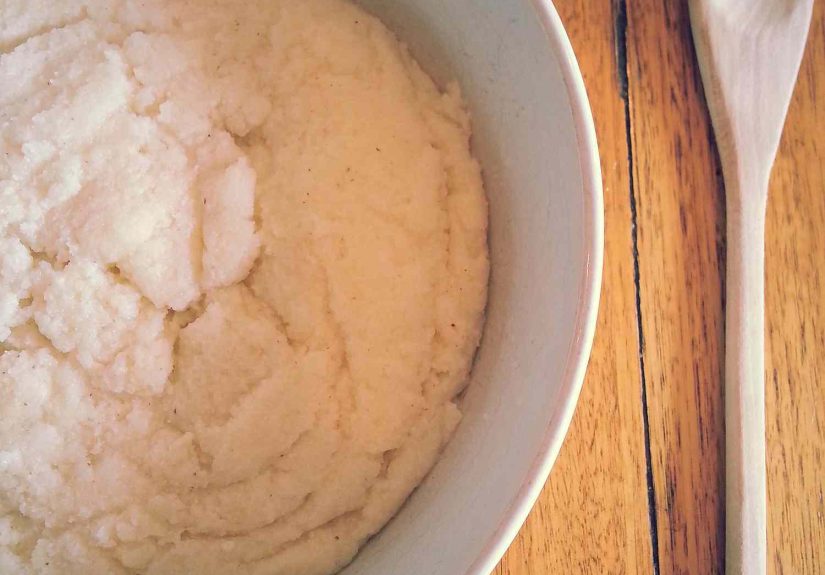
This is where porridge starts acting like a starch staplesomething you can serve with stews, vegetables, relishes, and grilled meats. In Southern Africa, this is the world of pap as a daily anchor food.
How to Make a Simple African-Style Porridge at Home
Let’s make this practical. Below are two approachable methods: a quick non-fermented porridge (fast and friendly), and a fermented-style version (more traditional tang and aroma).
Option 1: Quick Millet or Sorghum Porridge (No Fermentation)
- Whisk first, cook second. In a bowl, whisk 1/3 cup millet flour (or sorghum flour) with 1/2 cup cool water until smooth.
- Bring the heat. In a pot, bring 1 1/2 cups water (or a mix of water and milk) to a gentle simmer with a pinch of salt.
- Stream and stir. Slowly pour in the slurry while stirring constantly to prevent lumps.
- Simmer. Cook on low 8–12 minutes, stirring often, until thick and glossy.
- Finish your way. Sweet: add honey, cinnamon, nutmeg. Savory: add a little butter or oil, then top with sautéed greens or beans.
Option 2: Fermented-Style Maize Porridge (Ogi-Inspired at Home)
Traditional ogi involves soaking whole grains, wet-milling, and straining. That’s beautifuland also a weekend project. Here’s an at-home approach that captures the spirit (tangy, smooth, comforting) without requiring special equipment.
- Create a starter slurry. Mix 1/2 cup fine maize meal (or corn flour, not cornstarch) with 3/4 cup water in a clean jar. Stir well.
- Let it ferment. Cover loosely (you want airflow) and leave at room temperature 24–48 hours. You’re looking for a slightly sour aromapleasant, not funky.
- Cook it gently. Whisk the fermented slurry again. Bring 1 1/2 cups water to a simmer. Pour in the slurry slowly while whisking. Cook on low until smooth and thickened, about 5–10 minutes.
- Serve. Keep it classic with milk and a touch of sugar, or go modern with peanut butter, sliced banana, and a pinch of salt (trust me).
Food safety note: use clean containers and trust your senses. If the ferment smells rotten, moldy, or truly “off,” discard and restart.
Flavor Ideas That Respect Tradition and Still Feel Modern
African porridges are built to be customized. Here are satisfying combinations that work whether you’re cooking millet uji-style, maize pap-style, or a fermented ogi-inspired bowl.
Sweet bowl ideas
- Honey + banana + roasted peanuts (comforting, affordable, and legitimately addictive)
- Milk + cinnamon + dates (dessert energy, breakfast timing)
- Ginger + cardamom + a splash of coconut milk (warm spice without being overpowering)
Savory bowl ideas
- Peanut flour or peanut butter + pinch of salt (nutty, rich, and makes a bowl feel like a meal)
- Sautéed greens + onions + chili (especially good with thicker porridges)
- Beans or lentils on the side (classic “make it filling” strategy)
Nutrition Notes, Without the Hype
Porridge is a smart base food: it’s typically affordable, energy-providing, and easy to digest for many people. But porridge can be lightespecially when it’s mostly grain and water. If you want it to carry you through the morning (or fuel a busy day), consider building it like a balanced meal:
- Add protein: milk, yogurt, groundnuts/peanuts, beans, or eggs on the side.
- Add healthy fats: peanut paste, sesame, a drizzle of oil, or a small pat of butter.
- Add fiber and micronutrients: whole-grain flours, fruit, or leafy greens (savory style).
And if you’re making porridge for babies or people with medical dietary needs, it’s always wise to follow clinician guidance especially around sugar, salt, and choking hazards (like whole nuts).
Frequently Asked Questions
Is African porridge always fermented?
No. Fermentation is common in some iconic porridges (like ogi and certain uji styles), but many porridges are cooked fresh without fermentation.
What’s the difference between porridge and pap?
“Pap” often refers to maize-meal staples in Southern Africa that range from soft porridge-like textures to firm, sliceable forms. In casual conversation, “porridge” usually implies a spoonable consistency, but the boundaries overlap depending on region and family preference.
Can I make it gluten-free?
Often, yes. Millet, sorghum, and maize are naturally gluten-free. Just make sure your flour is certified gluten-free if cross-contamination is a concern.
Experiences Around African Porridge (A 500-Word Add-On)
To understand why African porridge is a staple, it helps to picture the moments it shows upnot as a “recipe,” but as a rhythm. In many homes, porridge is the first warm thing you meet in the day. The kitchen is still half-asleep, but the pot is already awake: soft bubbling, steam rising, someone stirring with the patient focus of a person who has done this a thousand times and will do it a thousand more.
There’s usually a small ritual to it. Someone knows exactly how thick it should bethin enough to sip from a cup on busy mornings, or thick enough to hold a spoon upright when the day needs extra backbone. If it’s fermented, that gentle tang hits the air early: not sharp, not sour like a prank, but brightlike the food is quietly announcing, “Yes, I have flavor, and yes, I plan to help you function.”
The toppings and sides tell you what kind of morning it is. Sweetened bowls feel like comfort and celebration, even when the ingredients are simple. A spoonful of sugar, a swirl of milk, maybe banana or dates if they’re on handsuddenly it’s not just grain; it’s a soft landing. Some people like spiceginger, cinnamon, cardamombecause warmth can be built in layers, like clothing. Others keep it plain and let the side dish talk.
Savory pairings turn porridge into a proper meal. A thicker pap next to a stew isn’t trying to be fancy; it’s being useful. It’s the steady base that holds sauce, catches flavor, and makes sure nothing delicious gets left behind. In that role, porridge becomes social: eaten together, served to guests, or made extra-large because someone will wander in hungry. You don’t really “portion” porridge in these moments. You make enough.
And then there’s the diaspora experienceAfrican porridge living a second life in new places. The same bowl travels well: a taste of home in a different climate, a familiar breakfast before school or work, a comfort food when someone is sick, or a weekend batch made ahead because weekday mornings are chaotic everywhere on Earth. People adapt with what they can finddifferent brands of maize meal, millet flour from an international market, or a blender doing the job that used to be done with a stone grinder. The method shifts, but the goal stays the same: warm, nourishing, reliable.
That’s the real story of African porridge as a staple. It isn’t famous because it’s trendy. It’s famous because it’s thereday after daydoing what staples do best: feeding people, fitting the moment, and tasting like care.







 Close
Close