
Table of Contents >> Show >> Hide
- What Is Ambivalent Attachment Style?
- Ambivalent Attachment vs. Anxious Attachment
- Signs of Ambivalent Attachment Style
- What Causes Ambivalent Attachment Style?
- How Ambivalent Attachment Style Affects Adult Relationships
- Can Ambivalent Attachment Style Change?
- How to Cope With Ambivalent Attachment Style
- What Healing Can Look Like
- Experiences Related to Ambivalent Attachment Style
- Final Thoughts
Some people can enjoy closeness without turning every delayed text into a five-act emotional opera. Others, unfortunately, can spiral from “Hey, they’re busy” to “They hate me, they’ve moved to another state, and now I must dramatically refresh my messages 47 times.” If that sounds painfully familiar, you may be dealing with an ambivalent attachment style.
Also called anxious attachment or anxious-preoccupied attachment in adults, this pattern can make relationships feel intense, unpredictable, and exhausting. The good news? It is not a life sentence. Understanding the meaning of ambivalent attachment style, recognizing the signs, and learning coping strategies can make relationships feel a lot less like emotional dodgeball and a lot more like actual connection.
In this guide, we’ll break down what ambivalent attachment style means, what causes it, how it shows up in dating, friendships, and family life, and what you can do to cope in healthy, realistic ways.
What Is Ambivalent Attachment Style?
Ambivalent attachment style is a form of insecure attachment. In childhood, it usually describes a child who feels highly distressed when separated from a caregiver but is not easily soothed when that caregiver returns. In adults, the same underlying pattern often shows up as anxious attachment: a strong desire for closeness mixed with fear, doubt, and emotional hypervigilance.
In plain English, people with this attachment pattern often want love deeply but do not fully trust that love will stay. That tension can create a push-pull experience. They may crave reassurance, read too much into small changes, and feel emotionally thrown off when they sense distance, even if the distance is minor or temporary.
This doesn’t mean a person is “too needy” by nature or doomed to chaotic relationships. It means their nervous system may have learned that connection feels important, but not always safe or reliable. That’s a big difference, and it matters.
Ambivalent Attachment vs. Anxious Attachment
You’ll often see these terms used together, and that can get confusing fast. Here’s the simple version:
In children
Ambivalent attachment usually refers to a pattern noticed in early caregiver-child relationships. A child may be clingy, distressed by separation, and still upset or hard to comfort during reunion.
In adults
The term anxious attachment style is more common. Adult signs can include fear of abandonment, reassurance-seeking, jealousy, low self-worth, and heightened sensitivity to relationship changes.
So, when people search for “ambivalent attachment style,” they are often talking about the adult version too. Think of anxious attachment as the grown-up sequel. Same emotional universe, slightly better vocabulary, same tendency to panic over a three-word text.
Signs of Ambivalent Attachment Style
The signs can vary, but several patterns tend to show up again and again. You do not need every single one to recognize yourself in this attachment style.
1. Fear of abandonment
This is one of the biggest hallmarks. A small disagreement, slower reply, or canceled plan may feel much bigger than it objectively is. Instead of reading it as a normal bump, your brain may label it as a threat to the relationship itself.
2. Constant need for reassurance
You may ask questions like, “Are we okay?” or “Do you still love me?” more often than you would like. Reassurance can help for a moment, but the relief may fade quickly, which leads to a cycle of needing more.
3. Overanalyzing everything
You become the Sherlock Holmes of texting habits. A period instead of an exclamation point? Suspicious. A short reply? Disturbing. “Talk later” suddenly feels like an emotional cliffhanger.
4. Difficulty trusting stability
Even when a relationship is going well, it may feel hard to relax into it. Calm can feel unfamiliar, so your mind searches for hidden danger.
5. Strong emotional reactions to distance
If someone you care about seems distracted, tired, or less expressive, you may feel rejected quickly. The emotional intensity is real, even when the situation does not call for alarm.
6. People-pleasing and weak boundaries
Some people with anxious or ambivalent attachment put other people’s needs first in hopes of preserving connection. That can look caring on the outside, but underneath it is often driven by fear rather than balance.
7. Jealousy, insecurity, or comparison
If you often worry that someone else is more lovable, more interesting, or more likely to “replace” you, attachment insecurity may be playing a role.
What Causes Ambivalent Attachment Style?
Attachment patterns usually develop early, especially through repeated interactions with caregivers. Ambivalent attachment is often linked to inconsistent caregiving. That means care may have been loving and responsive sometimes, but emotionally unavailable, intrusive, unpredictable, or confusing at other times.
When a child cannot reliably predict whether comfort will be available, they may become highly tuned in to signs of disconnection. In other words, they learn to monitor closeness like it is their full-time job.
Several experiences can contribute:
Inconsistent emotional responsiveness
If a caregiver was nurturing one day and dismissive the next, a child might grow up feeling unsure whether their needs will be met.
High family stress or chaos
Conflict, instability, mental health struggles, substance use, grief, or major life disruptions can affect how consistently adults show up emotionally.
Trauma or relational loss
Traumatic experiences, abandonment, neglect, or confusing relationship endings can strengthen anxious attachment patterns later in life, even if childhood was relatively secure.
Learned relationship beliefs
If you absorbed messages like “love has to be earned,” “people always leave,” or “my needs are too much,” those beliefs can shape adult relationships in powerful ways.
It is also worth saying this clearly: having ambivalent attachment is not proof that anyone failed on purpose. Families are messy. Caregivers can love deeply and still be inconsistent because of stress, trauma, or limitations they never had the chance to heal.
How Ambivalent Attachment Style Affects Adult Relationships
An ambivalent attachment style can influence nearly every kind of close bond, from romance to friendship to work relationships.
Romantic relationships
This is where anxious attachment often gets the most airtime. You may fall hard, bond quickly, and feel deeply invested early on. But you may also become preoccupied with the relationship’s status, notice every shift in tone, and feel intense distress when communication changes.
Sometimes, people with anxious attachment are drawn to emotionally unavailable or avoidant partners. That pairing can create a frustrating cycle: one person pursues closeness, the other withdraws, and both end up feeling misunderstood.
Friendships
Ambivalent attachment does not only show up in dating. It can appear in friendships too. You may worry that a friend is upset with you after a brief or neutral message. You may feel hurt when they make plans without you or need space, even if the friendship is actually stable.
Family relationships
Adult children with anxious attachment may feel unusually responsible for keeping family peace, fear conflict intensely, or become emotionally flooded during even ordinary misunderstandings.
Work dynamics
Yes, attachment style can even sneak into professional life. You may overread feedback, fear disappointing others, or overextend yourself to secure approval. Suddenly your calendar is full, your stress is high, and you are somehow apologizing for things that were not your fault. Classic overfunctioning.
Can Ambivalent Attachment Style Change?
Yes. Absolutely. No dramatic trumpet needed, but it would be deserved.
Attachment patterns are deeply learned, but they are not fixed forever. People can become more secure over time through self-awareness, healthier relationships, therapy, emotional regulation skills, and repeated experiences of safe connection.
The goal is not to become a robot who never needs reassurance and glides through emotional life like a Zen-powered swan. The goal is to build enough internal safety that closeness does not constantly feel like a threat.
How to Cope With Ambivalent Attachment Style
Coping well does not mean shaming yourself for having needs. It means learning how to respond to those needs in a steadier, healthier way.
1. Name the pattern without judging yourself
Start by noticing your common triggers. Do you spiral after silence? Do you panic during conflict? Do you confuse distance with rejection? When you can identify the pattern, you are more likely to interrupt it.
2. Slow down your story-making
People with attachment anxiety are often brilliant at filling in blanks, and unfortunately, the blanks usually become worst-case scenarios. Try asking: What actually happened, and what am I assuming? That one question can save you from a lot of unnecessary suffering.
3. Build self-soothing skills
Because anxious attachment can activate the nervous system fast, calming the body matters. Deep breathing, movement, journaling, grounding exercises, stepping away from your phone, and talking to a trusted person can help reduce emotional flooding before you react.
4. Practice secure communication
Instead of hinting, testing, or sending a text that says “It’s fine” when it is spectacularly not fine, try direct communication. For example: “I noticed I felt anxious when I didn’t hear back, and I want to talk about what communication works best for both of us.”
5. Strengthen boundaries
Healthy attachment is not about merging into one emotional blob. It includes respecting your own limits, needs, time, and identity. Boundaries help you relate from self-respect instead of fear.
6. Stop outsourcing all your worth
This one is hard but essential. If your entire sense of value rises and falls based on someone else’s mood, text speed, or affection level, your emotional world will always feel unstable. Build identity outside the relationship through hobbies, friendships, work, values, and routines that remind you who you are.
7. Consider therapy
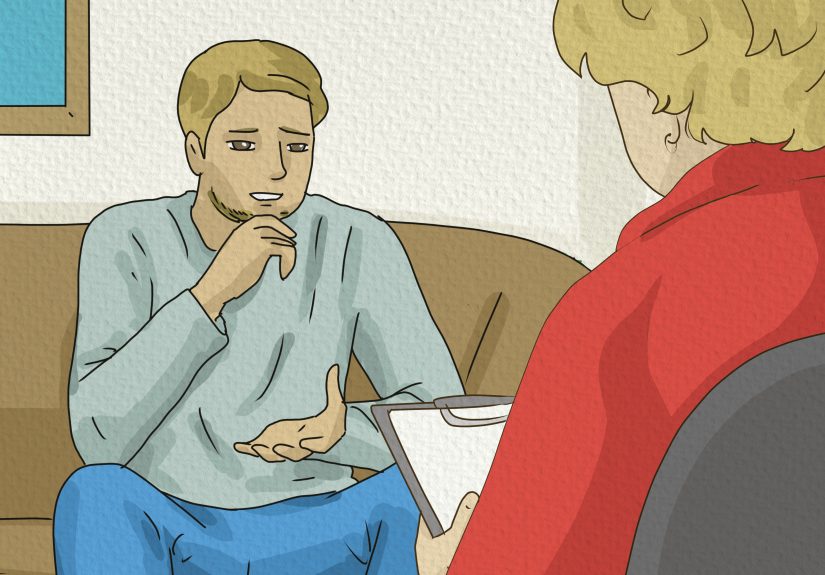
Therapy can be especially helpful for attachment wounds, anxiety, trauma history, and relationship patterns that feel repetitive. A therapist can help you identify core beliefs, regulate distress, and build more secure ways of relating. For many people, this is where the real untangling begins.
8. Choose healthier relationships
Healing is much harder when you are in relationships that are inconsistent, manipulative, or dismissive. A secure or emotionally available partner, friend, or support system can help reinforce new patterns.
What Healing Can Look Like
Healing from ambivalent attachment style is often less dramatic than social media makes it seem. It may look like:
- Waiting an extra hour before sending the third follow-up text
- Asking for clarity instead of assuming disaster
- Noticing jealousy without turning it into accusation
- Feeling anxious and still choosing a grounded response
- Letting someone love you without constantly testing whether they will leave
That is real progress. Not glamorous, maybe, but very real.
Experiences Related to Ambivalent Attachment Style
For many people, ambivalent attachment style does not feel like a theory. It feels like living with your emotional smoke alarm set far too high. You are not imagining the distress, but the system goes off before there is an actual fire.
Take dating, for example. Someone with anxious-preoccupied tendencies may have a perfectly nice first few weeks with a new partner. Then one evening, the partner replies with a short text: “Busy today. Talk later.” Rationally, that message is harmless. Emotionally, though, it can land like a breakup announcement. The anxious mind starts racing: Are they pulling away? Did I say too much? Are they bored with me already? By bedtime, a simple scheduling issue has become a full emotional thriller.
Another common experience is feeling deeply connected and deeply exhausted at the same time. A person with ambivalent attachment may love hard, show up consistently, and care in big, generous ways. They may remember birthdays, send thoughtful check-ins, and sense when something feels off before anyone says a word. But that emotional attunement can come with a cost. They may monitor the relationship so closely that they hardly get to rest inside it.
Friendships can carry the same tension. Imagine a friend who normally replies quickly but takes a day or two because work is chaotic. For someone with a secure attachment style, that delay may register as mildly annoying at most. For someone with ambivalent attachment, it can trigger fears of being forgotten, disliked, or replaced. They may replay the last conversation, search for hidden meaning, and feel embarrassed for caring so much. Then the friend replies casually, completely unaware that an emotional earthquake just happened.
Family relationships can be even more layered. Some adults realize their attachment pattern shows up most around a parent who was loving but inconsistent. Maybe affection came freely one day and criticism the next. Maybe support was available, but only when it fit the adult’s mood. As a result, the now-grown child may still feel unusually reactive to that parent’s tone, approval, or emotional distance. One short comment can sting for hours because it touches an older wound.
There are also people who look calm on the outside while feeling absolutely chaotic on the inside. They may not appear clingy at all. Instead, they become hyper-independent in practical life while privately craving reassurance, closeness, and clear proof that they matter. They may draft texts and delete them, hold back needs until resentment builds, or act “cool” while internally conducting a full relationship audit.
The hopeful part of these experiences is that many people do change. They begin to notice their triggers sooner. They learn not every pause is rejection, not every disagreement is abandonment, and not every uncomfortable feeling requires immediate action. They start choosing partners and friends who are consistent instead of confusing. Over time, relationships feel less like walking on emotional stilts and more like standing on solid ground.
If any of this feels familiar, the takeaway is not that you are broken or “too much.” It is that your attachment system may have learned to protect you in ways that no longer serve you well. And that system, with support and practice, can learn something new.
Final Thoughts
Ambivalent attachment style can make love, friendship, and family closeness feel both irresistible and terrifying. It often grows from inconsistency, uncertainty, or emotional unpredictability, and it can leave people craving connection while fearing loss at the same time.
But here is the encouraging truth: awareness changes things. Once you understand the meaning, signs, causes, and coping tools connected to ambivalent attachment, you can stop treating every emotional trigger like destiny. You can pause, reflect, communicate more clearly, and create relationships that feel safer and steadier.
You are allowed to want closeness. You are allowed to need reassurance sometimes. And you are absolutely allowed to outgrow the patterns that once helped you survive. That is not weakness. That is healing.







 Close
Close