
Table of Contents >> Show >> Hide
- Quick Verdict: Is the American Express Gold Card Worth It?
- American Express Gold Card Rewards Structure
- American Express Gold Card Benefits
- Membership Rewards: Why the Points Matter
- The Biggest Downsides
- Who Should Get the American Express Gold Card?
- Best Use Cases for the Card
- How It Compares to Other Cards
- Real-World Experience: What It Feels Like to Live With the AmEx Gold
- Final Verdict
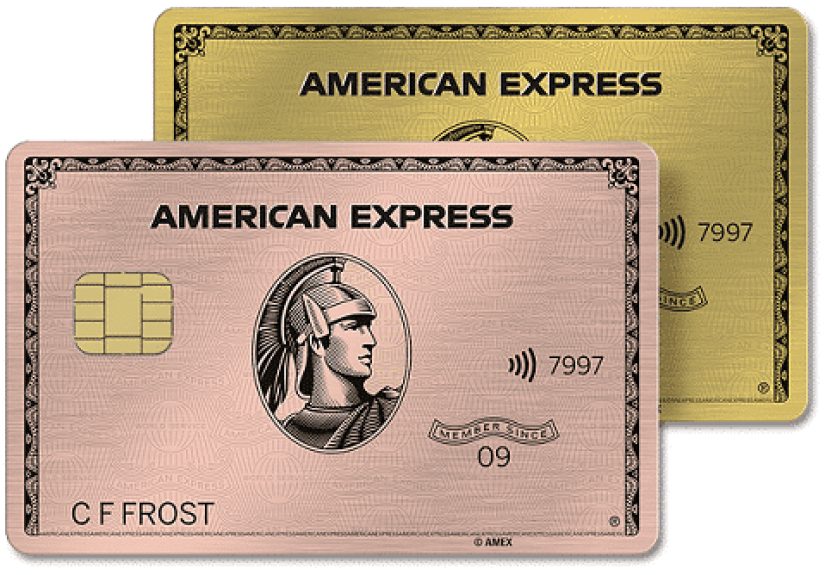
If credit cards had personalities, the American Express Gold Card would be that stylish friend who always knows where to get the best pasta, somehow turns grocery runs into a points strategy, and insists that “yes, this brunch absolutely counts as self-care.” The good news: the card really does offer standout rewards and benefits. The less-fun news: it also expects you to keep up.
In this American Express Gold Card review, the big takeaway is simple. This card is excellent for people who spend heavily on dining and groceries, want flexible travel rewards, and are willing to manage a stack of monthly and semiannual credits. If that sounds like your lifestyle, the Gold Card can deliver serious value. If you prefer a simpler setup with fewer moving parts, the relationship may get awkward fast.
Quick Verdict: Is the American Express Gold Card Worth It?
Yes, for the right cardholder. The American Express Gold Card is one of the strongest rewards cards for food spending in America. It earns high rewards at restaurants worldwide and at U.S. supermarkets, which makes it unusually useful for everyday life. That alone gives it a big edge over many travel cards that shower you with points for airfare but yawn at your grocery cart.
Still, this is not a “set it and forget it” card. Its annual fee is premium-level, and much of the value comes from credits that are split into monthly or twice-yearly chunks. In other words, the AmEx Gold can absolutely pay off, but only if you use it like a grown-up who tracks benefits instead of like a raccoon swiping a shiny metal card and hoping for the best.
American Express Gold Card Rewards Structure
Where the card shines
The rewards setup is the headline act here, and it is genuinely strong. The card earns elevated Membership Rewards points at restaurants worldwide, including a category that appeals to both frequent diners and people whose “home chef” era involves buying expensive groceries and pretending it is cheaper than takeout.
Here is the part most people care about: the American Express Gold Card is built to reward food spending first, travel second, and everything else in a polite but unenthusiastic third place. That makes it a smart fit for households that spend a lot on meals, grocery runs, takeout, and the occasional flight.
In practical terms, this card is strongest when your monthly budget naturally includes restaurants and supermarkets. If your biggest expenses are rent, gas, insurance, or general shopping, the Gold Card becomes less impressive. It is a specialist, not a generalist.
What that looks like in real life
Imagine a household spending about $700 a month at U.S. supermarkets and $500 a month at restaurants. That is $1,200 a month in bonus categories, or $14,400 a year. At 4 points per dollar, that spending alone would generate 57,600 Membership Rewards points before even counting flights, special offers, or any welcome bonus. That is the kind of math that makes this card exciting for food-forward spenders.
Now flip the scenario. If you cook at home on a budget, rarely eat out, and mostly want simple cash back, the value proposition gets much weaker. The card can still be useful, but it no longer feels like a slam dunk. It starts to feel like showing up to a backyard barbecue in a tuxedo: impressive, but maybe not the right tool for the job.
American Express Gold Card Benefits
Dining and lifestyle credits
The Gold Card’s benefits package is built around statement credits and lifestyle perks. On paper, the value looks excellent. In practice, the usefulness depends on your habits.
The most talked-about benefits are the dining-related credits. Eligible cardmembers can receive monthly dining credits with select merchants, monthly Uber Cash for eligible rides or Uber Eats in the U.S., monthly Dunkin’ credits, and semiannual Resy credits. These benefits can add up to meaningful value over the course of a year, especially if you already use those merchants and services.
That “already” matters. A lot. If you naturally order from Grubhub, hop in Ubers, grab Dunkin’, and dine at restaurants on Resy, the card feels generous. If you have to remind yourself every month to use a $7 credit for coffee you did not want in the first place, the card begins to feel like a coupon binder wearing designer shoes.
Travel perks
The American Express Gold Card is not a luxury travel card in the airport-lounge-and-champagne sense. It is more of a lifestyle travel card. You can earn solid rewards on flights, redeem Membership Rewards points in flexible ways, and get access to The Hotel Collection benefits on eligible bookings. That makes it travel-friendly, but not travel-obsessed.
There is also no foreign transaction fee, which helps if you want to use the card abroad. That is particularly useful because one of the card’s best bonus categories is dining worldwide. If you are eating your way through Tokyo, Rome, or Mexico City, the Gold Card has a better reason to be in your wallet than many “travel” cards that quietly tack on extra fees when you leave the country.
At the same time, travelers should know what is missing. You do not get airport lounge access. You do not get the premium travel status stack that comes with higher-end cards. So while this card works well on trips, it is not trying to be the most glamorous thing in your carry-on.
Membership Rewards: Why the Points Matter
The reason people get so attached to the Gold Card is not just the number of points. It is the kind of points. Membership Rewards is one of the most flexible points currencies in the market, and that flexibility matters. You can redeem points for travel, transfer them to airline and hotel partners, use them through AmEx travel channels, or cash them out in less exciting ways like statement credits or gift cards.
In general, the best value usually comes from travel redemptions and transfer partners, not from cash-like redemptions. That is why the Gold Card tends to appeal more to people who enjoy playing the rewards game than to people who want the simplest possible rebate. If you want easy, predictable cash back, there are less complicated cards. If you like the idea of turning dinner and groceries into future flights, this card becomes much more compelling.
The Biggest Downsides
The annual fee is real money
Let us address the golden elephant in the room: the annual fee is high enough that you need a plan. This is not a card you keep around because it looks nice next to your driver’s license. The fee only makes sense if you earn enough rewards and use enough credits to offset it.
That is why the Gold Card works best for consistent spenders, not occasional ones. Someone who spends heavily on food every month can justify the fee much more easily than someone who just likes the idea of having a premium card.
The credits can be annoying
This is the most common complaint in major reviews, and it is fair. The Gold Card offers a lot of value, but it does not hand that value to you in one elegant pile. It breaks the benefits into monthly and semiannual pieces, often tied to specific merchants. That design encourages regular card use, but it also increases the effort required to extract full value.
Some people do not mind that at all. For them, the credits line up with existing habits and feel effortless. Others will find the structure fussy, overly specific, and weirdly bossy. A credit card should not feel like a part-time administrative job.
Not ideal for carrying a balance
The Gold Card is far more appealing for people who pay on time and stay organized. While it offers flexible payment features, it is not the kind of card that makes sense for carrying debt month after month. Rewards are fun. Interest charges are not. If you expect to revolve a balance, the card’s benefits can be wiped out in a hurry.
AmEx acceptance is better, but not universal
American Express acceptance in the U.S. is much better than it used to be, but it is still not as universally accepted as Visa or Mastercard in every situation. For many people, that simply means the Gold Card works best as part of a two-card setup rather than as your only card. It is a star player, but it may still need a backup guard coming off the bench.
Who Should Get the American Express Gold Card?
You should strongly consider the Gold Card if you spend a lot at restaurants and U.S. supermarkets, value flexible travel points, and can use the credits without changing your habits. It is also a very strong option for urban professionals, frequent diners, families with substantial grocery bills, and travelers who want rewards on everyday spending more than luxury perks in the airport.
You may want to skip it if you prefer straightforward cash back, dislike tracking monthly credits, want better lounge access, or will not spend enough in the bonus categories to justify the annual fee. It is also a weaker fit for people who want one simple card for everything. The Gold Card rewards a certain kind of behavior. If that is not your behavior, the sparkle fades quickly.
Best Use Cases for the Card
1. The foodie traveler
You dine out regularly, buy quality groceries, and take a few trips a year. This is the Gold Card’s natural habitat. You earn points quickly at home, then redeem them for travel. That is where the card feels smartest.
2. The family grocery strategist
If your household grocery bill is substantial, the U.S. supermarket earning rate can do serious work. Add restaurant spending on top, and the points can pile up much faster than with a flat-rate card.
3. The credits maximizer
If you already use Uber, Grubhub, Resy, Dunkin’, or the eligible dining partners, the annual fee becomes easier to defend. In that case, the credits are not chores. They are simply discounts on spending you would have done anyway.
How It Compares to Other Cards
The American Express Gold Card sits in a very specific middle lane. It is richer than many mid-tier cards because of its rewards and transferable points, but less glamorous than ultra-premium travel cards because it lacks lounge access and heavy travel luxury perks. Against lower-fee cards, it often wins on earnings power for dining and groceries. Against simpler cash-back cards, it loses on convenience.
If you compare the Gold Card to a lower-fee travel card, the decision usually comes down to spending patterns. If your budget leans toward food, the Gold Card often looks better. If your budget is more general and you want easy redemptions, another card may be the smarter long-term pick.
Real-World Experience: What It Feels Like to Live With the AmEx Gold
Using the American Express Gold Card over time feels a little like subscribing to a very rewarding lifestyle newsletter that occasionally quizzes you on whether you read the fine print. In the first few months, the card is exciting. The welcome offer gets your attention, the restaurant and grocery points accumulate faster than expected, and the card itself has that premium feel that makes even a boring checkout line slightly more dramatic. Hand it to a waiter and, for a brief shining moment, you feel like the main character in a financial wellness montage.
Then real life settles in, and that is where the Gold Card either proves itself or becomes a mild source of monthly guilt. If your habits naturally line up with the benefits, the card starts to feel brilliant. You order dinner through an eligible partner, use Uber a few times, grab a coffee at Dunkin’, and visit a Resy restaurant twice a year without having to change your routine. In that case, the statement credits quietly soften the annual fee while the points keep stacking up in the background.
For frequent grocery shoppers, the experience is especially satisfying. Big supermarket runs that would normally feel like punishment begin to look like progress. Family dinner ingredients, snacks, last-minute dessert, overpriced sparkling water you definitely did not need but absolutely bought anyway; all of it contributes to a healthy points balance. The same goes for regular restaurant spending. If you live in a city, travel often, entertain clients, or just happen to be the friend who always books dinner, the rewards engine works hard without much effort.
Where things get trickier is when the card starts nudging your behavior instead of rewarding it. This is the part many cardholders notice after the honeymoon phase. You may find yourself thinking, “I should use that monthly credit before it disappears,” which is a sentence no one has ever said with genuine joy. If you are buying something only because a credit expires soon, the value is technically real but emotionally suspicious. It is the financial version of eating leftovers because you paid too much for them.
Travel adds another layer to the experience. The Gold Card is pleasant to take abroad because of the dining rewards and no foreign transaction fee, but it does not transform the airport experience the way more premium cards do. You are not breezing into lounges or collecting elite perks at every turn. Instead, you are earning strong rewards on meals, flights, and everyday travel purchases while staying grounded in reality. For many people, that is actually the sweet spot: premium enough to be useful, not so premium that it becomes absurd.
Over a full year, the lived experience comes down to one question: did the card fit your life, or did your life have to bend around the card? When the fit is natural, the American Express Gold Card feels excellent. It rewards spending categories people genuinely use, offers flexible points, and delivers enough benefits to justify its place in a well-planned wallet. When the fit is off, it feels expensive and oddly needy. That is why the Gold Card is best described not as a universally great card, but as a very great card for a very specific kind of spender.
Final Verdict
The American Express Gold Card remains one of the best cards on the market for dining and grocery spending, and that is not faint praise. Those are two of the biggest everyday categories for many households, which means this card can earn valuable rewards where people actually live, not just where they vacation.
Its biggest strengths are easy to understand: excellent rewards on food spending, flexible Membership Rewards points, no foreign transaction fees, and a benefit lineup that can more than justify the annual fee for the right user. Its biggest weaknesses are equally clear: a high annual fee, benefit tracking that requires attention, and a rewards structure that makes less sense for people who want simplicity above all else.
So, is the American Express Gold Card worth it? For foodies, frequent grocery shoppers, and travelers who like flexible points, absolutely. For everyone else, it may be a beautiful card with someone else’s ideal lifestyle attached to it. And that, perhaps, is the most honest review possible.
Note: Card terms, welcome offers, eligible merchants, and credit enrollment requirements can change. Verify the current offer and benefits before applying or publishing time-sensitive details.







 Close
Close