
Table of Contents >> Show >> Hide
- What an Anti-Inflammatory Diet Really Looks Like
- What to Eat More Often on an Anti-Inflammatory Diet
- 1. Colorful Vegetables
- 2. Fruit, Especially Berries and Citrus
- 3. Fatty Fish and Other Omega-3-Rich Foods
- 4. Extra-Virgin Olive Oil, Nuts, Seeds, and Avocados
- 5. Beans, Lentils, and Soy Foods
- 6. Whole Grains Instead of Refined Carbs
- 7. Yogurt and Fermented Foods
- 8. Herbs, Spices, Coffee, Tea, and Water
- What to Limit If You Want to Reduce Inflammation
- A Simple Anti-Inflammatory Plate Formula
- Common Mistakes People Make
- Real-Life Experiences With an Anti-Inflammatory Diet
- Conclusion
-5.4 Thinking
“Anti-inflammatory diet” sounds a little like something invented by a blender company and a yoga mat. In reality, it is much less dramatic and far more useful. It is not a cleanse, not a punishment, and definitely not a menu made of sadness. It is simply a way of eating that emphasizes foods linked with lower levels of chronic inflammation and better long-term health.
That means loading your plate with colorful produce, fiber-rich carbohydrates, healthy fats, beans, nuts, seeds, and fish, while cutting back on the ultra-processed, sugar-heavy, deep-fried, and mysteriously fluorescent stuff that tends to dominate the modern grab-and-go diet. In other words, your grandmother would probably recognize most of it, which is usually a good sign.
Chronic inflammation is different from the short-term inflammation your body uses to heal an injury or fight an infection. That short-term response is normal. The problem is when low-grade inflammation hangs around for too long. Diet is not the only factor involved, but it is one of the most powerful daily habits you can actually control. The goal is not perfection. The goal is to build meals that nudge your body in a friendlier direction, one forkful at a time.
What an Anti-Inflammatory Diet Really Looks Like
There is no single official anti-inflammatory diet with a gold medal and a theme song. But most evidence-based versions look a lot like a Mediterranean-style eating pattern. That means whole foods, plenty of plants, smart fats, and less dependence on processed convenience foods.
The central idea is simple: eat foods that bring fiber, antioxidants, polyphenols, vitamins, minerals, and healthy fats to the table. These nutrients and compounds are often found in foods that also support heart health, metabolic health, and healthy aging. That overlap is not an accident. The same plate that is kind to your arteries is often kind to inflammation too.
So if you are waiting for an excuse to eat more berries, beans, salmon, leafy greens, and olive oil, congratulations. This is your moment.
What to Eat More Often on an Anti-Inflammatory Diet
1. Colorful Vegetables
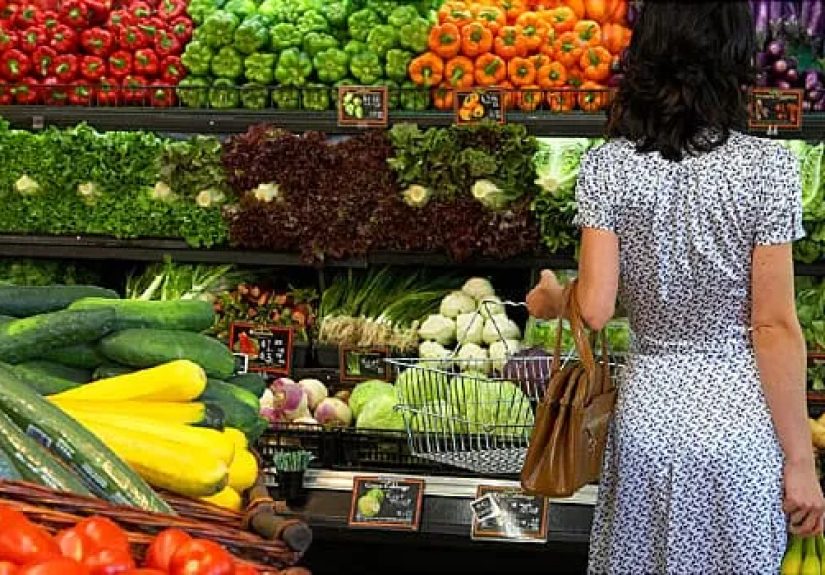
If your plate looks like it was painted by a cheerful toddler, you are probably doing something right. Vegetables are one of the biggest stars of an anti-inflammatory diet because they deliver fiber, antioxidants, and plant compounds without bringing along a parade of excess sugar, sodium, or saturated fat.
Focus especially on leafy greens and deeply colored vegetables. Good choices include spinach, kale, collards, broccoli, Brussels sprouts, cauliflower, carrots, bell peppers, tomatoes, cabbage, and beets. Cruciferous vegetables such as broccoli and Brussels sprouts are especially useful to include regularly. A good target is to fill at least half your plate with vegetables at lunch and dinner.
Fresh is great, but frozen vegetables are also excellent. They are convenient, budget-friendly, and much less likely to rot in your refrigerator while you keep promising to “cook something healthy tomorrow.”
2. Fruit, Especially Berries and Citrus
Fruit gets dragged into internet arguments far more often than it deserves. Whole fruit is not the villain. In fact, it is one of the easiest anti-inflammatory foods to add to your routine. Berries, cherries, oranges, grapefruit, apples, grapes, and pomegranate are all strong options.
Berries are especially popular in anti-inflammatory eating because they contain fiber and plant pigments such as anthocyanins. Citrus fruit also earns its place thanks to vitamin C and its general usefulness in making breakfast feel more alive. Choose whole fruit more often than juice so you get the fiber too.
A bowl of berries with yogurt, sliced apple with almond butter, or orange segments tossed into a salad are easy ways to make fruit feel practical instead of aspirational.
3. Fatty Fish and Other Omega-3-Rich Foods
If anti-inflammatory foods had a varsity team, fatty fish would make the starting lineup. Salmon, sardines, mackerel, trout, herring, and tuna provide omega-3 fats, which are associated with lower inflammation and heart-health benefits.
A realistic goal is to eat fish, especially fatty fish, about twice a week. That can look like baked salmon for dinner, sardines on toast, or canned salmon mixed into a grain bowl. If fish is not your favorite, try different preparations before giving up entirely. Many people think they dislike fish when they really just dislike dry fish, and honestly, fair enough.
Plant foods such as walnuts, chia seeds, flaxseeds, and hemp seeds also contribute helpful fats, though they are not a perfect substitute for seafood. Still, they are excellent additions to an anti-inflammatory meal plan.
4. Extra-Virgin Olive Oil, Nuts, Seeds, and Avocados
Healthy fats matter. An anti-inflammatory diet is not about eating dry lettuce while whispering “wellness” into the void. It is about replacing less helpful fats with better ones.
Extra-virgin olive oil is one of the best choices for cooking and dressings. It pairs beautifully with vegetables, beans, grain bowls, and roasted fish. Nuts and seeds such as walnuts, almonds, pistachios, chia, flax, and pumpkin seeds also fit well. Avocados are another smart option when you want creaminess without reaching for heavily processed spreads.
The practical trick is substitution. Drizzle olive oil instead of butter. Snack on nuts instead of packaged pastries. Add seeds to oatmeal instead of relying on sugary toppings. Tiny swaps do not look flashy on social media, but they are often what make a diet sustainable in real life.
5. Beans, Lentils, and Soy Foods
Beans are wildly underrated. They are inexpensive, filling, packed with fiber, and rich in plant compounds that support a healthier eating pattern. Black beans, chickpeas, lentils, white beans, kidney beans, and split peas all deserve regular appearances.
Beans and lentils help you build meals that are satisfying without leaning too hard on red meat or processed meat. That is important because anti-inflammatory eating is not only about what you add. It is also about what you crowd out.
Soy foods such as tofu, tempeh, and edamame can also work well. They provide protein, are versatile in savory meals, and can help diversify your plate. A lentil soup, chickpea salad, bean chili, or tofu stir-fry all fit comfortably into an anti-inflammatory diet.
6. Whole Grains Instead of Refined Carbs
Carbohydrates are not the enemy. The quality of the carbohydrate matters much more than internet panic would have you believe. Whole grains bring fiber, vitamins, minerals, and a slower, steadier energy release than refined grains.
Good choices include oats, brown rice, quinoa, barley, farro, bulgur, and whole-grain bread or pasta. Compare that with refined carbohydrates such as white bread, many crackers, sugary cereals, and pastries, which are easier to overeat and often show up in highly processed foods.
A bowl of oatmeal with berries and walnuts, quinoa with roasted vegetables, or a sandwich on hearty whole-grain bread is a much sturdier anti-inflammatory choice than a breakfast pastry that disappears in four bites and leaves you hungry by 10 a.m.
7. Yogurt and Fermented Foods
Fermented foods are not magic, but they can be a useful part of an overall healthy pattern. Plain yogurt with live cultures, kefir, kimchi, sauerkraut, and miso can add variety and may support gut health. Since the gut and the immune system are closely connected, this is one reason fermented foods keep showing up in inflammation conversations.
The key word here is plain. A yogurt loaded with added sugar and dessert-level toppings is less helpful than a simple, unsweetened version dressed up with fruit, cinnamon, and a few nuts.
8. Herbs, Spices, Coffee, Tea, and Water
Herbs and spices can add flavor without leaning on excess salt, sugar, or heavy sauces. Ginger, garlic, cinnamon, rosemary, oregano, black pepper, and turmeric are all welcome in an anti-inflammatory kitchen. Turmeric, in particular, gets a lot of attention, and it is perfectly fine to use it in cooking. Just do not expect one golden latte to cancel out a diet built on soda and drive-thru fries. Food is not a movie plot twist.
Coffee and tea can also fit into an anti-inflammatory eating pattern, especially when they are not disguised as milkshakes. Green tea and black coffee are simple choices. Water should still do most of the heavy lifting for hydration.
What to Limit If You Want to Reduce Inflammation
An anti-inflammatory diet is not only a shopping list of saintly foods. It also asks you to cut back on items that tend to push your eating pattern in the wrong direction.
Foods worth limiting include processed meats such as bacon, sausage, hot dogs, and deli meats; sugary drinks; refined grains; candy; baked goods; heavily fried foods; and ultra-processed snack foods. These foods often combine excess sodium, refined carbohydrates, added sugar, and less helpful fats in one very convenient package. Delicious? Sometimes. Supportive of your long-term goals? Usually not.
Red meat does not need to vanish forever, but it should not dominate every dinner plate. Think of it as an occasional guest rather than a permanent roommate. And when it comes to packaged foods, a shorter ingredient list and less industrial-level engineering are usually good clues that you are making a smarter choice.
A Simple Anti-Inflammatory Plate Formula
If you want to stop overthinking every grocery trip, use this formula:
- Half the plate: vegetables and fruit
- One quarter: beans, fish, tofu, yogurt, eggs, or another quality protein
- One quarter: whole grains or starchy vegetables
- Add: olive oil, nuts, seeds, or avocado for healthy fat
Here is what one day might look like:
- Breakfast: oatmeal with blueberries, walnuts, chia seeds, and cinnamon
- Lunch: quinoa bowl with salmon, spinach, cucumbers, tomatoes, chickpeas, and olive oil dressing
- Snack: plain yogurt with berries or an apple with almond butter
- Dinner: lentil soup, roasted broccoli, and a side salad with olive oil and lemon
No strange powders. No hunger games. Just real food arranged with a little strategy.
Common Mistakes People Make
The first mistake is chasing one “superfood” instead of improving the whole pattern. Blueberries are great, but they cannot carry the entire team if the rest of your diet is built on soda, fries, and cookies the size of throw pillows.
The second mistake is relying on supplements instead of meals. Some supplements are heavily marketed for inflammation, but food-first eating remains the most practical and well-supported strategy for most people. Spices and supplements may be interesting, but they are not a replacement for vegetables, fish, beans, whole grains, and less processed meals.
The third mistake is changing everything overnight. Going from ultra-processed convenience meals to hand-massaged kale at every meal is a setup for rebellion. Start with a few upgrades: add one vegetable to lunch, swap butter for olive oil, eat beans twice a week, and replace one processed snack with fruit and nuts.
Real-Life Experiences With an Anti-Inflammatory Diet
One reason the anti-inflammatory diet works well in the real world is that people often notice practical changes before they notice anything dramatic. The first shift is usually not “I have become one with the universe.” It is more like, “I am weirdly less hungry between meals,” or “I did not crash at 3 p.m. and stare at a vending machine like it owed me money.” Meals built around fiber, protein, and healthy fats tend to be more filling, which makes day-to-day eating easier.
Many people also describe a change in how their kitchen functions. Before, the refrigerator might have looked like a graveyard for good intentions: a lonely cucumber, three sauces, and a pizza box. After switching to a more anti-inflammatory routine, the fridge often starts holding ingredients that can become actual meals. There may be washed greens, cooked grains, yogurt, berries, roasted vegetables, beans, eggs, and leftovers that are useful on purpose. That small shift matters. When healthy food is visible and ready, eating well starts to feel less like a moral challenge and more like basic logistics.
Another common experience is that taste buds adapt faster than expected. At first, less sugary yogurt or a high-fiber breakfast might seem suspicious. Then, a couple of weeks later, ultra-sweet cereal tastes like it is trying too hard. Roasted vegetables begin to taste better. Olive oil and lemon start feeling like a real dressing instead of a punishment. People are often surprised by how quickly “healthy food” stops feeling like a side quest and becomes normal food.
There can be awkward moments too. Eating out may require more planning. Family habits do not always change at the same speed. Some people miss convenience foods at first, especially when life gets busy. Others discover that they were under-eating protein or over-relying on smoothies that sounded healthy but did not keep them full. These are not signs of failure. They are normal parts of adjusting your routine.
What tends to help most is building repeatable habits instead of chasing motivation. People who do well with an anti-inflammatory diet often keep a few dependable breakfasts, a short grocery list, and two or three easy dinners they can make without summoning heroic energy. They also tend to focus on addition rather than restriction: more vegetables, more beans, more fish, more whole grains, more flavor. That mindset feels less punishing and is much easier to maintain.
And perhaps the most honest experience of all is this: nobody eats perfectly all the time. Birthday cake happens. Takeout happens. Travel happens. Life happens. The people who succeed long term are usually not the ones with the strictest rules. They are the ones who return to a balanced pattern without drama. One less-than-ideal meal is just one meal. The next plate still counts.
Conclusion
An anti-inflammatory diet is less about trendy labels and more about consistent choices. Eat more vegetables, fruit, beans, whole grains, nuts, seeds, olive oil, and fish. Build meals around minimally processed foods. Cut back on sugary drinks, refined carbs, fried foods, processed meat, and ultra-processed snacks. That is the heart of it.
You do not need a perfect pantry, a chef’s knife collection, or a refrigerator full of ingredients you cannot pronounce. You need a realistic pattern you can repeat. The best anti-inflammatory diet is the one you can live with long enough for it to matter. Make it colorful, make it satisfying, and make it taste like food you would actually want to eat again tomorrow.







 Close
Close