
Table of Contents >> Show >> Hide
- What Is a Smoothie?
- Are Smoothies Good for You?
- Nutrition Information: What Is Usually in a Smoothie?
- Health Benefits of Smoothies
- Potential Downsides of Smoothies
- Smoothies vs. Juices: Which Is Healthier?
- Best Ingredients for a Healthy Smoothie
- Ingredients to Limit or Avoid
- How to Build a Balanced Smoothie
- Healthy Smoothie Examples
- Are Smoothies Good for Weight Management?
- Are Smoothies Good for Kids?
- Common Smoothie Mistakes
- of Real-Life Experience: What Smoothies Teach You After the First Week
- Final Verdict: Are Smoothies Healthy?
Smoothies have a reputation that swings wildly between “wellness superhero” and “milkshake wearing yoga pants.” One person blends spinach, berries, Greek yogurt, and chia seeds and calls it breakfast. Another orders a 32-ounce tropical dessert with juice, sorbet, honey, and whipped cream and calls it “being healthy.” Technically, both are smoothies. Nutritionally, they live in different zip codes.
So, are smoothies good for you? The honest answer is: they can be. A smoothie is not automatically healthy just because it contains fruit, looks green, or comes in a cup with a leaf on the logo. But when built with whole foods, protein, fiber, healthy fats, and reasonable portions, smoothies can be a convenient way to add more fruits, vegetables, and key nutrients to your day.
This guide breaks down the benefits, drawbacks, nutrition facts, smart ingredient choices, and real-life tips for making smoothies that actually support your health instead of sneaking in enough sugar to make your pancreas file a complaint.
What Is a Smoothie?
A smoothie is a blended drink usually made from fruit, vegetables, liquid, and optional add-ins such as yogurt, milk, protein powder, nut butter, oats, seeds, or ice. Unlike juice, which removes much of the fiber from fruits and vegetables, a smoothie usually keeps the whole ingredient in the blender. That means a smoothie can retain more fiber, texture, and fullness potential than juice.
However, the word “smoothie” is broad. A small homemade green smoothie with spinach, berries, plain Greek yogurt, and unsweetened milk is very different from a large store-bought smoothie loaded with fruit juice, frozen yogurt, sweetened syrups, and oversized portions. The health value depends on what goes into the blender and how much ends up in the glass.
Are Smoothies Good for You?
Yes, smoothies can be good for you when they are balanced. A nutritious smoothie can provide vitamins, minerals, antioxidants, fiber, hydration, and protein in a quick, easy-to-consume format. This can be especially helpful for busy mornings, post-workout snacks, people who struggle to eat enough produce, or anyone who wants a practical breakfast that does not require turning on the stove while half-awake.
The problem starts when smoothies become oversized sugar bombs. Fruit is nutritious, but blending multiple servings of fruit with juice, sweetened yogurt, honey, and other sugary extras can create a drink that is high in calories and sugar but low in staying power. You may drink it quickly, feel full for only a short time, and then find yourself hunting for snacks like a raccoon with Wi-Fi.
The best smoothies include three key elements: fiber, protein, and healthy fat. This trio slows digestion, supports steadier energy, and helps the smoothie feel more like a meal or satisfying snack instead of a fruity drink that vanishes in five minutes.
Nutrition Information: What Is Usually in a Smoothie?
Smoothie nutrition varies dramatically based on ingredients and serving size. A light fruit-and-greens smoothie may contain fewer than 200 calories, while a large smoothie with juice, sweetened yogurt, nut butter, granola, and added sweeteners can climb well above 600 calories.
Common Nutrients in a Healthy Smoothie
A well-made smoothie may provide:
- Carbohydrates: Usually from fruit, vegetables, milk, yogurt, oats, or other whole-food ingredients.
- Fiber: Found in berries, apples, leafy greens, oats, chia seeds, flaxseed, and other plant foods.
- Protein: From Greek yogurt, milk, soy milk, protein powder, cottage cheese, tofu, or nut butter.
- Healthy fats: From avocado, chia seeds, flaxseed, hemp seeds, walnuts, or natural nut butter.
- Vitamins and minerals: Such as vitamin C, potassium, folate, calcium, magnesium, and vitamin K, depending on ingredients.
- Antioxidants: Especially from berries, dark leafy greens, cocoa powder, and colorful fruits.
A Simple Nutrition Example
A balanced homemade smoothie might include 1 cup frozen berries, 1 cup spinach, 3/4 cup plain Greek yogurt, 1 tablespoon ground flaxseed, and unsweetened milk. This type of smoothie can offer protein, fiber, calcium, potassium, and antioxidants without relying on added sugar.
By contrast, a smoothie made with fruit juice, sweetened vanilla yogurt, a large banana, honey, and frozen fruit can still contain vitamins, but it may also contain a lot more sugar and fewer nutrients that help you stay full. The difference is not the blender. The difference is the blueprint.
Health Benefits of Smoothies
1. Smoothies Can Help You Eat More Fruits and Vegetables
Many people do not eat enough fruits and vegetables. Smoothies make it easier to add produce because you can blend several nutrient-dense ingredients into one drink. A handful of spinach disappears surprisingly well behind berries and banana. Kale is a little more dramatic, but even kale can behave if blended thoroughly.
Fruits and vegetables provide vitamins, minerals, fiber, and phytochemicals that support overall health. Berries offer vitamin C and antioxidant compounds. Leafy greens provide folate, vitamin K, and plant compounds. Bananas contribute potassium and natural sweetness. Mangoes bring vitamin C and a creamy texture. A smoothie can be a friendly delivery system for foods you may not otherwise eat often.
2. Smoothies Can Be High in Fiber
Fiber is one of the biggest advantages smoothies have over juice. Because smoothies use whole fruits and vegetables, they can keep much of the fiber intact. Fiber supports digestion, helps maintain bowel regularity, contributes to fullness, and may help support healthier cholesterol and blood sugar patterns.
To boost fiber, use berries, pears with the skin, apples with the skin, oats, chia seeds, flaxseed, white beans, avocado, or leafy greens. Yes, beans in a smoothie sound suspicious. But mild white beans can blend into creamy smoothies without announcing themselves like they are running for mayor.
3. Smoothies Can Support Satiety When Balanced
A fruit-only smoothie may taste great, but it can leave you hungry quickly. Adding protein and healthy fat changes the experience. Greek yogurt, milk, soy milk, tofu, cottage cheese, or a sensible amount of protein powder can make a smoothie more filling. Seeds, avocado, or nut butter can add healthy fats that slow digestion and improve texture.
This is especially useful if the smoothie is replacing breakfast or lunch. A meal smoothie should not be just blended fruit and ice. It should include enough protein, fiber, and calories to function like a meal. Otherwise, it is more like a snack wearing a breakfast costume.
4. Smoothies Are Convenient
Convenience matters. A nutritious eating pattern only works if it fits real life. Smoothies can be made in minutes, carried in a bottle, and customized based on what you have in the fridge or freezer. Frozen fruit, pre-washed greens, shelf-stable seeds, oats, and unsweetened milk can make healthy smoothie prep almost automatic.
For people who skip breakfast because mornings are chaotic, a balanced smoothie can be better than running on coffee and vibes until noon. It can also be a practical option after exercise, when protein and carbohydrates can help refuel the body.
5. Smoothies Can Be Customized for Different Goals
Smoothies are flexible. Need more protein? Add Greek yogurt or soy milk. Want more fiber? Add berries, oats, or chia seeds. Want a dairy-free option? Use fortified soy milk, pea protein milk, or unsweetened almond milk with protein from tofu or plant-based yogurt. Want more calories for higher energy needs? Add avocado, oats, or nut butter. Want a lighter snack? Keep the portion smaller and use more greens and water.
This flexibility is helpful because nutrition is not one-size-fits-all. A teen athlete, an older adult, a person with diabetes, and someone who simply wants a quick afternoon snack may need very different smoothie formulas.
Potential Downsides of Smoothies
1. Smoothies Can Be High in Sugar
The most common smoothie problem is sugar overload. Natural sugars from whole fruit come packaged with fiber, vitamins, and water. But when you combine several servings of fruit with fruit juice, sweetened yogurt, honey, agave, syrups, or sorbet, sugar can add up quickly.
A good rule: choose whole fruit instead of juice, use unsweetened dairy or plant-based milk, and skip added sweeteners unless truly needed. Ripe banana, berries, mango, or dates can add sweetness, but portions still matter. Your smoothie does not need to taste like melted candy to be enjoyable.
2. Liquid Calories Can Be Easy to Overconsume
Drinks are easy to consume quickly. Even a nutritious smoothie can become too much if the portion is huge. A 12-ounce smoothie may be a reasonable snack or light meal addition. A 32-ounce smoothie with multiple calorie-dense ingredients can be more like a full meal plus dessert plus a small emotional support beverage.
Drinking slowly helps. So does serving smoothies in a normal glass rather than a container large enough to irrigate a garden. If your smoothie is a meal, make it balanced. If it is a snack, keep it smaller.
3. Store-Bought Smoothies May Contain Hidden Calories
Commercial smoothies can be convenient, but they often include fruit juice concentrates, frozen yogurt, sweetened bases, sherbet, syrups, or large portions. Some also sound healthier than they are because words like “boost,” “tropical,” “clean,” or “power” do not automatically mean balanced nutrition.
When buying a smoothie, check the ingredients and nutrition information if available. Look for options with whole fruit, vegetables, protein, and no added sugar. Ask for water, unsweetened milk, or plain yogurt instead of juice or sweetened bases. Choose the smallest size when unsure.
4. Smoothies May Not Be Ideal for Everyone
People with diabetes, kidney disease, digestive conditions, food allergies, or specific medical nutrition needs should be more careful with smoothie ingredients. For example, a fruit-heavy smoothie may affect blood sugar more quickly than a balanced smoothie with protein, fat, and fiber. Some people with kidney concerns may need to monitor potassium from ingredients such as bananas, spinach, avocado, and certain dairy products.
This does not mean smoothies are “bad.” It means the right smoothie depends on the person. When medical conditions are involved, a registered dietitian or healthcare professional can help tailor ingredients safely.
Smoothies vs. Juices: Which Is Healthier?
Smoothies usually have a nutritional advantage over juices because they keep the whole fruit or vegetable, including more fiber. Juice removes much of the fiber, which can make it easier to drink a lot of sugar quickly. A glass of orange juice may require several oranges, but you can drink it in seconds. Eating several whole oranges would take longer and feel more filling.
That said, a smoothie is not automatically better if it is overloaded with juice, sweeteners, and giant portions. The healthiest choice is usually a smoothie made with whole fruits, vegetables, protein, fiber-rich add-ins, and little to no added sugar.
Best Ingredients for a Healthy Smoothie
Fruits
Berries are excellent because they are flavorful, colorful, and often higher in fiber than many tropical fruits. Bananas add creaminess and sweetness, but half a banana may be enough. Mango, pineapple, peaches, cherries, apples, and pears can all work well. Frozen fruit is just as useful as fresh fruit and often more budget-friendly.
Vegetables
Spinach is the beginner-friendly green because it blends smoothly and has a mild flavor. Kale is more fibrous but nutrient-dense. Cauliflower adds creaminess with a neutral taste. Cucumber adds freshness. Carrots bring sweetness. Beets add color, though they do arrive with a very strong personality.
Protein Sources
Protein helps turn a smoothie into something satisfying. Good options include plain Greek yogurt, kefir, milk, fortified soy milk, tofu, cottage cheese, or a protein powder with minimal added sugar. For most everyday smoothies, simple whole-food protein sources work beautifully.
Healthy Fats
Healthy fats add creaminess and staying power. Try chia seeds, ground flaxseed, hemp seeds, avocado, walnuts, or a small spoonful of natural peanut or almond butter. Keep portions reasonable because fats are calorie-dense. A tablespoon of nut butter is helpful; half the jar is a plot twist.
Liquids
Choose water, unsweetened milk, unsweetened soy milk, or other unsweetened fortified plant-based milk. Coconut water can be refreshing but may add more natural sugar. Fruit juice should be used sparingly or skipped, especially if the smoothie already contains fruit.
Ingredients to Limit or Avoid
Some ingredients can turn a smoothie from nutritious to dessert-like very quickly. Limit or avoid fruit juice concentrates, sweetened yogurt, flavored syrups, ice cream, sherbet, large amounts of honey or agave, sweetened protein powders, candy toppings, and oversized portions of nut butter.
Granola can also be sneaky. A small sprinkle may add crunch, but a heavy handful can add a lot of calories and sugar. The same goes for dried fruit. Dates, raisins, and dried mango are nutritious in small amounts, but they are concentrated sources of sugar and easy to overuse.
How to Build a Balanced Smoothie
Use this simple formula:
- 1 cup fruit: berries, peach, mango, banana, apple, or mixed frozen fruit.
- 1 to 2 cups vegetables: spinach, kale, cucumber, cauliflower, carrots, or zucchini.
- 1 protein source: Greek yogurt, milk, soy milk, tofu, cottage cheese, or protein powder.
- 1 fiber or fat booster: chia seeds, flaxseed, oats, avocado, or nut butter.
- Unsweetened liquid: water, milk, or unsweetened plant-based milk.
Blend until smooth, taste, and adjust. If it needs more sweetness, add a little more fruit rather than syrup. If it is too thick, add liquid. If it tastes too “green,” add berries, citrus, cinnamon, vanilla, or a small piece of banana.
Healthy Smoothie Examples
Berry Protein Smoothie
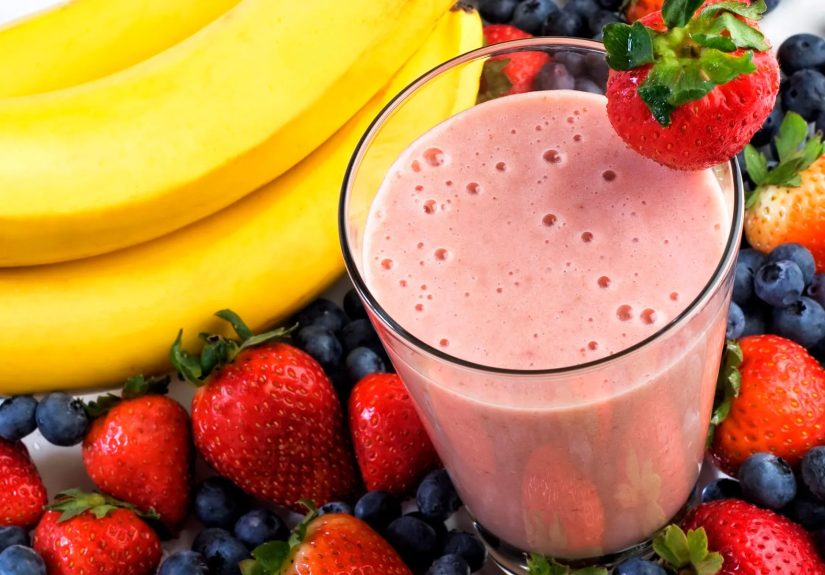
Blend frozen blueberries, strawberries, plain Greek yogurt, spinach, ground flaxseed, and unsweetened milk. This is a balanced option with protein, fiber, antioxidants, and a creamy texture.
Green Breakfast Smoothie
Blend spinach, half a banana, frozen mango, plain yogurt, chia seeds, and water or unsweetened milk. It tastes bright and tropical without needing added sugar.
Chocolate Peanut Butter Smoothie
Blend unsweetened cocoa powder, half a banana, Greek yogurt, milk, a tablespoon of natural peanut butter, and ice. It tastes like dessert but can still provide protein and nutrients when portions are sensible.
Oatmeal Smoothie
Blend oats, berries, cinnamon, plain yogurt, milk, and a spoonful of ground flaxseed. This one works well for people who want a thicker, more breakfast-like smoothie.
Are Smoothies Good for Weight Management?
Smoothies can fit into a balanced eating pattern, but they are not magic weight-management drinks. A smoothie can be helpful when it replaces a less nutritious meal or snack and contains enough protein and fiber to keep you satisfied. It can be less helpful if it adds extra calories on top of regular meals or is loaded with juice and sweeteners.
The key is intention. Is the smoothie a meal, a snack, or a dessert? A meal smoothie should include protein, fiber, and healthy fats. A snack smoothie should be smaller. A dessert smoothie can be enjoyed occasionally, but it should not be confused with a vegetable-rich breakfast just because the blender was involved.
Are Smoothies Good for Kids?
Smoothies can be a fun way for kids to enjoy fruit, vegetables, yogurt, and other nutritious foods. They can also help picky eaters become more comfortable with new ingredients. The best kid-friendly smoothies are small, colorful, and not overly sweet. Use whole fruit, plain yogurt, milk, and mild vegetables such as spinach or cauliflower.
Avoid giving very young children smoothies with added sugars. For older kids, keep portions reasonable and treat smoothies as part of meals or snacks rather than an all-day sipping habit. Drinking sugary liquids frequently can affect dental health, even when the sugar comes mostly from fruit.
Common Smoothie Mistakes
Mistake 1: Using Too Much Fruit
Fruit is healthy, but more is not always better. A smoothie with banana, mango, pineapple, apple juice, and honey may contain plenty of vitamins, but it can also contain a lot of sugar. Try using one main fruit and adding vegetables for volume.
Mistake 2: Forgetting Protein
Without protein, many smoothies digest quickly and may not keep you full. Add Greek yogurt, milk, soy milk, tofu, cottage cheese, or a low-sugar protein powder.
Mistake 3: Drinking a Giant Portion
Even nutritious ingredients add up. Keep snack smoothies around a modest size and meal smoothies balanced enough to truly replace a meal.
Mistake 4: Treating Smoothies Like Detox Products
Your body already has built-in detox systems: the liver, kidneys, digestive tract, lungs, and skin. Smoothies can support a healthy eating pattern, but they do not “cleanse” your body in a magical way. Anyone selling a miracle detox smoothie probably also owns too many inspirational fonts.
of Real-Life Experience: What Smoothies Teach You After the First Week
After making smoothies regularly, the first thing most people learn is that the blender is brutally honest. It does not care that you “only added a little” honey, a “tiny splash” of juice, and “just one” giant banana. It blends everything into one sweet, drinkable truth. That is why the best smoothie habit starts with measuring ingredients for a few days. You do not need to measure forever, but doing it briefly teaches your eyes what a balanced portion looks like.
Another practical lesson: frozen fruit is your best friend. It makes smoothies cold and creamy without needing ice cream or sugary bases. Frozen berries, mango chunks, peaches, cherries, and pineapple can turn a basic smoothie into something that tastes like a café drink. The difference is that you control the ingredients, the sweetness, and the portion size. Keeping frozen fruit on hand also prevents the classic produce tragedy: buying fresh berries with big plans, then discovering them in the fridge three days later looking like a science project.
People also quickly discover that greens are less scary than expected. Spinach is the easiest starter green because it almost disappears when blended with fruit. Kale is stronger and needs a good blender, but it works well with citrus, mango, or pineapple. Cauliflower is surprisingly useful because it adds thickness without a strong flavor. Zucchini does the same. Once you realize vegetables can quietly improve texture and nutrition, smoothies become more flexible and less sugar-heavy.
The most important experience, though, is noticing how different smoothies make you feel. A fruit-only smoothie may taste refreshing but leave you hungry soon after. A smoothie with Greek yogurt, flaxseed, berries, and oats may keep you satisfied much longer. A giant smoothie may make you feel sluggish. A smaller, protein-rich one may feel energizing. Paying attention to fullness, energy, digestion, and cravings is more useful than following random online smoothie rules.
Another real-life tip: taste before adding sweetener. Many smoothies become sweet enough after blending because frozen fruit releases flavor and ripe bananas do a lot of heavy lifting. Cinnamon, vanilla extract, cocoa powder, mint, lemon juice, or ginger can make a smoothie taste brighter without adding much sugar. Sometimes the smoothie does not need more sweetness; it needs more flavor.
Finally, smoothies work best when they fit your routine. If mornings are rushed, prep freezer bags with fruit, greens, and seeds. If cleanup annoys you, rinse the blender immediately before the smoothie dries into cement. If you get bored, rotate flavor themes: berry vanilla, tropical green, chocolate banana, peach oatmeal, or cucumber mint. Smoothies are not a cure-all, but they can be a realistic, enjoyable habit when they are built with balance instead of wishful thinking.
Final Verdict: Are Smoothies Healthy?
Smoothies can absolutely be healthy, but they are only as good as the ingredients and portions you choose. A balanced smoothie made with whole fruits, vegetables, protein, fiber, healthy fats, and unsweetened liquids can support better nutrition, convenience, and satiety. A large smoothie loaded with juice, sweetened yogurt, syrups, and dessert-style extras can quickly become a high-sugar drink with a health halo.
The best approach is simple: build smoothies like food, not like liquid candy. Use whole ingredients. Add protein. Keep fiber high. Limit added sugar. Watch portion size. Drink slowly. When you do that, smoothies can be more than trendythey can be a genuinely useful part of a healthy, realistic eating routine.







 Close
Close