
Table of Contents >> Show >> Hide
- What Is Shoulder Arthroscopy?
- Purpose: Why Doctors Recommend Arthroscopic Shoulder Surgery
- How Surgeons Decide You’re a Candidate
- Preparation Before the Procedure
- The Procedure: Step-by-Step (No Horror-Movie Details)
- Risks and Complications
- Recovery and Rehabilitation
- Procedure Examples (So This Feels Less Abstract)
- Frequently Asked Questions
- Conclusion
- Real-World Experiences: What Recovery Feels Like (and What Nobody Warns You About)
If your shoulder has been acting like a squeaky door hingeclicking, catching, and complaining every time you reach for a coffee mugyour doctor might bring up arthroscopic shoulder surgery. The name sounds like it belongs in a sci-fi movie, but it’s simply a minimally invasive way to look inside the shoulder joint and fix what’s broken using a tiny camera and specialized instruments.
Shoulder arthroscopy is popular for good reasons: smaller incisions than many traditional open procedures, less disruption of surrounding tissue in many cases, and often a faster path back to daily life. But let’s be clear: “minimally invasive” doesn’t mean “minimal healing.” The cuts are small; the repairs can be major. Below is a practical, in-depth guide to what it’s for, how it works, and what recovery really looks like.
What Is Shoulder Arthroscopy?
Shoulder arthroscopy is a surgical technique where an orthopedic surgeon inserts an arthroscope (a pencil-sized camera) through small incisionsoften called “portals”to visualize the inside of the shoulder. Sterile fluid is used to gently expand the joint, improving visibility and creating working space. Through additional portals, the surgeon uses miniature tools to shave, smooth, remove damaged tissue, or repair torn structures.
Think of it like home repair: the camera is your flashlight, the portals are your access hatches, and the tools are tiny power tools that don’t require ripping out the whole wall. (Your shoulder appreciates the less dramatic renovation.)
Purpose: Why Doctors Recommend Arthroscopic Shoulder Surgery
The main goal is to relieve pain and restore function by diagnosing and treating damage to the joint’s soft tissuestendons, ligaments, cartilage, and the labrum. It’s often recommended when nonsurgical treatments haven’t delivered enough relief, such as physical therapy, activity modification, anti-inflammatory medications, or injections.
Common Conditions Treated
- Rotator cuff tears (partial or full-thickness): Repairing torn tendons back to bone using anchors and sutures.
- Labral tears (including SLAP tears): Repairing or trimming torn cartilage around the socket.
- Shoulder instability and recurrent dislocations: Stabilizing the joint (often with a Bankart repair) and tightening stretched tissue.
- Impingement syndrome and bursitis: Removing inflamed bursa or smoothing bone spurs that irritate the rotator cuff (when appropriate).
- Biceps tendon problems: Procedures like biceps tenodesis/tenotomy when the long head of the biceps is painful or unstable.
- Frozen shoulder (adhesive capsulitis): In select cases, releasing a tight capsule when severe stiffness persists.
- Targeted “cleanup” for certain cartilage or tissue damage: Debridement can help some patients, though advanced arthritis usually needs different solutions.
When Arthroscopy Might Not Be the Best Fit
Arthroscopy isn’t a magic wand for every shoulder problem. Large complex tears, advanced arthritis, major fractures, or certain revision cases may require open surgery or shoulder replacement. A good surgeon will explain why arthroscopy isor isn’tthe right tool for your specific situation.
How Surgeons Decide You’re a Candidate
Diagnosis usually starts with your story (injury history, pain pattern, work/sport demands), followed by a physical exam and imaging such as X-rays and MRI. Surgeons look for a match between:
- Symptoms (pain, weakness, instability, stiffness, night pain),
- Exam findings (range-of-motion limits, strength deficits, provocative tests), and
- Imaging evidence (tears, inflammation, bone spurs, cartilage damage).
In other words: it’s not just “your MRI looks spicy.” It’s “your MRI looks spicy and it explains why you can’t shampoo your hair without negotiating with gravity.”
Preparation Before the Procedure
Pre-op Evaluation
Before surgery, you’ll typically have a preoperative visit to review medications, allergies, medical conditions, and anesthesia options. Certain medicinesespecially blood thinnersmay need to be adjusted. You’ll also discuss the surgical plan: what your surgeon expects to do, what they might find, and how that affects recovery.
Practical Prep You’ll Thank Yourself For
- Arrange a ride home and someone to stay with you the first night.
- Set up “one-handed living”: easy clothes, prepped meals, and frequently used items at waist level.
- Practice sling logistics: you don’t want your first sling tutorial to happen while you’re groggy.
- Plan for rehab: physical therapy isn’t an optional accessory; it’s part of the success equation.
The Procedure: Step-by-Step (No Horror-Movie Details)
Specific steps vary based on what’s being repaired, but most arthroscopic shoulder procedures follow a similar flow.
1) Anesthesia
Many patients receive general anesthesia (fully asleep). Some also get a regional nerve block to help with pain control afterward. Your anesthesia team recommends the safest approach based on your health and the planned procedure.
2) Positioning and Sterile Setup
You’ll be positioned either in a “beach chair” (reclined) or lateral decubitus (on your side). The shoulder is cleaned and draped. It’s basically a tiny, sterile, highly technical dance floorminus the music.
3) Portals and Camera Insertion
The surgeon makes small incisionsoften only a few millimetersthen inserts the arthroscope. Saline fluid helps distend the joint for better visualization. Images appear on a monitor so the surgeon can inspect cartilage, the labrum, rotator cuff tendons, the biceps anchor, and the joint lining.
4) Fixing the Problem
This is where your diagnosis turns into a repair plan. Common arthroscopic treatments include:
- Debridement: smoothing frayed tissue or removing loose fragments.
- Rotator cuff repair: reattaching a torn tendon to the humerus with anchors and sutures.
- Labral repair: reattaching the labrum to the socket rim to improve stability.
- Subacromial decompression: clearing inflamed bursa and addressing bone spurs that pinch the rotator cuff (when appropriate).
- Biceps tenodesis: securing the biceps tendon when it’s a persistent pain generator.
Surgeons may address multiple issues in one operationbecause shoulders love to multitask when it comes to getting injured.
5) Closing and Recovery Room
Once the repair is complete, the fluid is drained, portals are closed with small sutures or sterile strips, and dressings are applied. You’ll wake up in recovery, where staff monitor you, manage pain and nausea, and review discharge instructions.
Risks and Complications
Most people do well with shoulder arthroscopy, but every surgery carries risk. Complications your surgeon typically reviews include:
- Infection (rare, but possible).
- Bleeding or excessive swelling.
- Blood clots (uncommon in upper-extremity surgery, but still a consideration).
- Nerve or blood vessel injury (rare, but important).
- Stiffness and loss of motion (especially without appropriate rehab).
- Persistent pain or incomplete symptom relief.
- Anesthesia-related issues (nausea, sore throat, andvery rarelymore serious complications).
Risk isn’t one-size-fits-all. Smoking, diabetes, certain medications, poor tissue quality, and ignoring rehab restrictions can raise the chance of problems. The best outcomes usually come from good surgical technique and thoughtful preparation.
Recovery and Rehabilitation
Shoulder arthroscopy recovery depends on what was done. A simple debridement often heals faster than an arthroscopic rotator cuff repair or labral stabilization. Your surgeon will give a specific protocol, but the big themes are consistent: protect the repair, restore motion, rebuild strength, and return to activity safely.
Right After Surgery (First 1–2 Weeks)
- Expect soreness, swelling, and fatigue. Surgery is controlled trauma; your body responds accordingly.
- You may wear a sling, especially after tendon or labral repairs.
- Incision care typically means keeping dressings clean and dry at first, then following your surgeon’s timeline for showering and bandage changes.
- Sleep can be tricky; many people do better slightly reclined with pillows supporting the arm.
Physical Therapy: The Not-So-Secret Ingredient
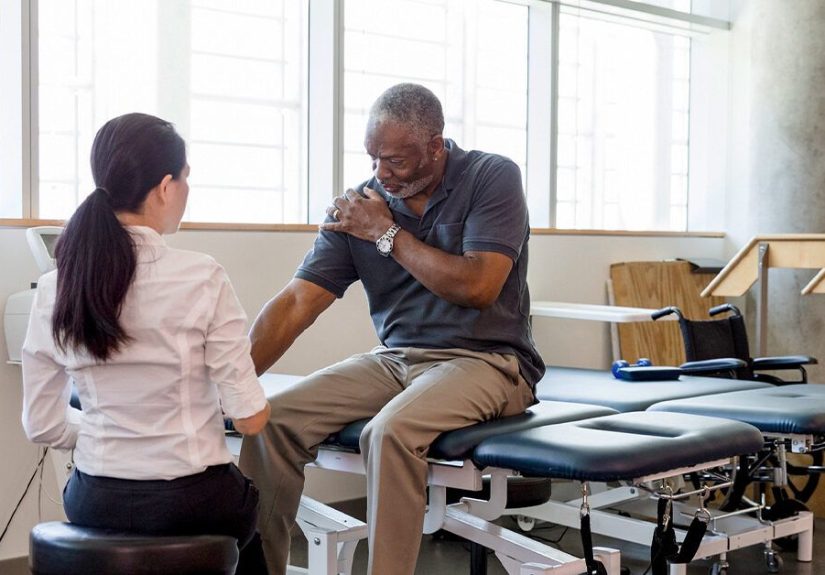
Rehab often begins with passive range-of-motion (someoneor somethingmoves your arm for you), then progresses to active-assisted motion, then strengthening. The pace depends on tissue healing: repairs need time to mature, so aggressive early movement can backfire. The goal is steady progress, not heroic suffering.
A Practical Timeline (Broad Strokes)
- 0–6 weeks: protection phase; pain control, safe mobility, and swelling management.
- 6–12 weeks: increasing active motion and starting light strengthening.
- 3–6 months: more substantial strengthening; many return to heavier daily tasks and some sports training.
- 6–12 months: full recovery for major repairs can take this long, especially for athletes and heavy labor jobs.
If that sounds like a long time, it is. But biology doesn’t care about your vacation calendarit cares about collagen remodeling, tendon-to-bone healing, and gradual load tolerance.
Procedure Examples (So This Feels Less Abstract)
Example 1: Rotator Cuff Tear in a Weekend Warrior
A 52-year-old recreational tennis player has shoulder pain, weakness with overhead serves, and night pain. MRI shows a full-thickness supraspinatus tear. Arthroscopic repair reattaches the tendon using anchors. The patient uses a sling for several weeks, begins guided passive therapy early, and returns to tennis drills months laterwhen strength and control, not just “I feel okay,” are back.
Example 2: Labral Tear and Instability in a College Athlete
A 19-year-old with recurrent dislocations has a Bankart lesion. Arthroscopic stabilization reattaches the labrum and tightens the capsule. Rehab is longer and more cautious, because stability repairs need time to mature. The payoff is a shoulder that stays in place during contact and overhead motion.
Frequently Asked Questions
Is arthroscopy always better than open shoulder surgery?
Not always. Arthroscopy can reduce soft-tissue disruption, but certain injuriesespecially massive tears, complex fractures, or advanced arthritismay be better treated with open or replacement procedures. The “best” approach is the one that produces the most reliable repair for your condition.
Will I have less pain because the incisions are smaller?
Often there’s less incision-related pain, but internal repairs still hurt. Pain control is typically a mix of nerve block options, medication (as prescribed), icing, and smart activity pacing.
What can I do to improve my outcome?
- Stop smoking (or at least take a serious breakyour tissues will notice).
- Follow sling and motion restrictions exactly.
- Show up for physical therapy and do the home program.
- Call your care team early if fever, increasing redness, drainage, severe swelling, or new numbness develops.
Conclusion
Arthroscopic shoulder surgery is a powerful, minimally invasive way to diagnose and treat many common shoulder problemsfrom rotator cuff tears to labral injuries and instability. It can reduce soft-tissue disruption compared with open surgery, but the success story still depends on smart patient selection, careful technique, and consistent rehabilitation.
If you’re considering shoulder arthroscopy, your best next step is a clear conversation with an orthopedic specialist: what exactly is being fixed, what your rehab timeline looks like, and what “success” means for your lifewhether that’s throwing 95 mph, lifting a toddler, or simply sleeping through the night without waking up like a startled meerkat.
Real-World Experiences: What Recovery Feels Like (and What Nobody Warns You About)
Now for the part that doesn’t show up on the consent form: day-to-day life after arthroscopic shoulder surgery. Not the “surgery day” dramathe regular Tuesday reality of trying to exist with one arm temporarily on vacation.
Surprise #1: Your shoulder is involved in everything. Brushing teeth? Shoulder. Pulling up jeans? Shoulder. Reaching for the seatbelt? Shoulder. Even opening a stubborn jar becomes a group project starring the countertop, a rubber grip, and a teammate who suddenly feels very popular.
Surprise #2: Sleep can be the real boss fight. Many people feel manageable during the day and then get humbled at night when the shoulder aches and the sling feels like a seatbelt you can’t unbuckle. A wedge pillow or a recliner setup helps a lot. Keep water, snacks, and your phone within reach so you don’t accidentally attempt an overhead Olympic lift at 2 a.m.
Surprise #3: Physical therapy is a relationship. Early rehab can feel almost too gentle, like you’re paying someone to move your arm two inches while you stare at the ceiling thinking, “That’s it?” Later, the exercises get real. The goal isn’t to win a pain contestit’s to steadily rebuild motion, then strength, then coordination. Patients who do best usually treat rehab like a routine: short, consistent sessions, plus the home program, rather than a once-a-week “I’ll do it when I remember” situation. Consistency beats intensityespecially early on, when protecting the repair matters as much as regaining motion.
The emotional curve is real. Week one often feels like: “I made a mistake; I will never be normal again.” Week three can feel like: “I can finally wash my hair (kind of)!” And month three is when many patients hit the “impatient plateau”pain is better, motion is improving, but strength still lags. That’s normal. Tendons and repaired cartilage don’t heal on your schedule; they heal on biology’s schedule.
And yes, you may need help. Asking for it isn’t a character flaw; it’s good strategy. If your surgeon recommends activity restrictionsespecially after a rotator cuff repair or stabilization proceduretake them seriously. The repair is strongest when it’s protected early and strengthened gradually. The “I felt fine so I did push-ups” moment is a classic plot twist nobody wants.
Also, plan for the “awkward chores.” Showering, cooking, and typing can feel oddly challenging at first. Button-up shirts and zip hoodies are your friends. If your job involves lifting, ask early about restrictions and timelinesmany people can return to desk work sooner than to hands-on labor, but only your surgeon can tailor that guidance to your repair. And if you’re a side-sleeper, accept the temporary identity shift: you may become a “pillow engineer,” building a small fortress to keep the shoulder supported.
Small wins matter. Putting on a T-shirt without inventing new yoga poses? Huge. Sleeping four hours straight? Celebrate. Carrying groceries with the non-surgical arm while the surgical arm supervises from the sling like a tiny manager? Also a win.
Many people say the best part of recovery is the clarity it brings: you learn what movements trigger pain, what posture makes things worse, and how much good strength and mobility work matters. By the time rehab is done, you’re often not just “back”you’re better informed, better conditioned, and much more respectful of your shoulder’s surprisingly complicated job description.







 Close
Close