
Table of Contents >> Show >> Hide
- Why Athlete’s Foot and Staph Infections Get Mentioned Together
- What Athlete’s Foot Actually Is
- What a Staph Infection Is
- Where Risk Goes Up Fast
- The Best Ways to Avoid Athlete’s Foot and Staph Infections
- 1. Keep Feet Clean and Seriously Dry
- 2. Wear Shower Shoes in Shared Areas
- 3. Choose Breathable Footwear
- 4. Use Antifungal Products When Needed
- 5. Do Not Share Personal Items
- 6. Protect Cuts, Scrapes, and Blisters
- 7. Clean Shared Equipment Before and After Use
- 8. Shower After Workouts
- 9. Keep Nails Trimmed and Skin Healthy
- 10. Pay Extra Attention if You Have Higher Risk
- Early Signs You Should Not Ignore
- Common Prevention Mistakes
- What to Do If You Think You Have Athlete’s Foot or a Staph Infection
- Everyday Experiences and Lessons People Commonly Learn the Hard Way
- Final Takeaway
- SEO Tags
Few places test your trust in humanity like a damp locker room floor. It looks innocent enough. Maybe even freshly mopped. But between sweaty shoes, shared benches, wet shower tiles, and that one mysterious towel nobody claims, communal spaces can be a dream home for germs. Two of the most common troublemakers are athlete’s foot and staph infections. One is usually caused by fungus, the other by bacteria, and neither deserves a free pass onto your skin.
The good news is that avoiding athlete’s foot and staph infections is often less about fancy products and more about smart habits. Clean skin, dry feet, covered cuts, breathable shoes, and a strict “my towel is my towel” policy can go a long way. Think of prevention as basic maintenance for your skin barrier. When your skin stays healthy and intact, germs have a much harder time causing problems.
This guide breaks down what these infections are, why they often show up in the same environments, how they spread, which early signs matter, and what simple daily habits can help keep you out of the pharmacy aisle muttering, “Why is my toe itchy and why does that scrape look angry?”
Why Athlete’s Foot and Staph Infections Get Mentioned Together
Athlete’s foot and staph infections are different conditions, but they can become part of the same story. Athlete’s foot is a fungal infection that often affects the skin between the toes. It can cause itching, burning, scaling, and cracking. Staph infections are caused by staphylococcal bacteria, which can live on the skin or in the nose without causing any trouble until they find an opening.
That opening matters. When athlete’s foot causes tiny breaks in the skin, bacteria may get in more easily. That is one reason doctors and dermatology experts often encourage people to treat athlete’s foot early instead of shrugging it off as “just a little peeling.” Your skin is not only your body’s wrapping paper. It is also security staff. When it cracks, security gets a lot less strict.
Shared environments also connect the two. Locker rooms, public showers, pool decks, mats, benches, and sports gear can expose people to fungi and bacteria, especially when the area is warm, damp, crowded, and not cleaned well. Add friction, sweating, and small skin injuries, and you have a classic setup for trouble.
What Athlete’s Foot Actually Is
Athlete’s foot, also called tinea pedis, is a common fungal infection of the feet. It often starts between the toes, though it can affect the soles, sides of the feet, or even the toenails if things keep escalating like a bad sequel nobody asked for. Common symptoms include itching, burning, flaky or cracked skin, redness, and sometimes a rash that seems determined to ignore your schedule.
The fungi that cause athlete’s foot thrive in warm, moist settings. That is why sweaty socks, tight shoes, damp floors, and feet that stay wet too long can create perfect conditions for it to spread. Walking barefoot in public showers or around locker rooms can increase risk, especially if the skin is already irritated.
Mild cases often improve with over-the-counter antifungal creams, sprays, or powders when used exactly as directed and continued for the full recommended time. Stopping too soon because the itching eased up is one of the oldest mistakes in foot-care history. The fungus loves a comeback tour.
What a Staph Infection Is
Staph infections are caused by staphylococcus bacteria. These bacteria can be present on the skin or in the nose of healthy people without causing illness. Problems start when the bacteria enter through a break in the skin, such as a cut, scrape, blister, shaving nick, bug bite, or cracked area caused by dry skin or athlete’s foot.
Some staph skin infections may look like a tender bump, pimple, boil, or sore. The skin may become red, warm, swollen, or painful. Sometimes there is drainage. Sometimes there is not. Not every red bump is staph, but any skin infection that is worsening, painful, or spreading deserves attention.
In sports settings, staph can spread through close skin contact, shared personal items, contaminated equipment, and uncovered wounds. Methicillin-resistant Staphylococcus aureus, or MRSA, is one form of staph that can be harder to treat with some antibiotics. That is why prevention is not just about comfort. It is also about avoiding a more complicated infection than the one your week had room for.
Where Risk Goes Up Fast
Locker Rooms and Public Showers
Warm, wet floors are ideal for fungi, and busy shared areas increase the chance of contact with contaminated surfaces. Going barefoot in these places is basically giving your feet a mystery tour.
Sports and Gyms
Close physical contact, skin friction, mats, benches, towels, pads, and shared gear can all increase the spread of skin infections. Athletes are often told to shower after practice, clean equipment, and cover cuts for a reason.
Hot, Sweaty Feet
Feet trapped in damp socks and tight shoes for hours create the kind of environment fungi adore. Moisture is not a harmless detail here. It is the party invitation.
Cracked or Damaged Skin
Dry, peeling, blistered, or scraped skin gives bacteria a better opportunity to enter. Even minor damage matters more than people think.
The Best Ways to Avoid Athlete’s Foot and Staph Infections
1. Keep Feet Clean and Seriously Dry
Wash your feet daily with soap and water, then dry them well, especially between the toes. That last part matters. A rushed half-dry foot shoved into a sneaker is one of the easiest ways to help fungus settle in.
If your feet sweat heavily, change socks during the day. Moisture-wicking socks can help. So can rotating shoes instead of wearing the same pair every day without giving them time to dry.
2. Wear Shower Shoes in Shared Areas
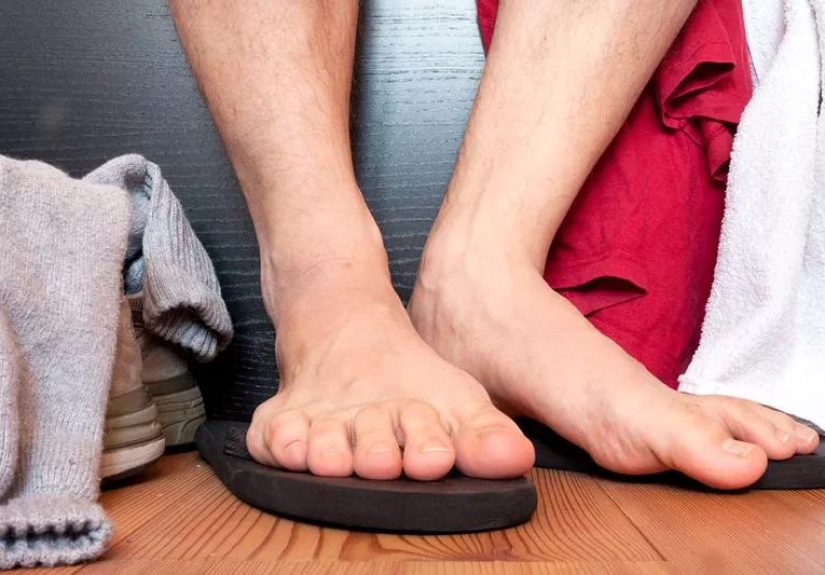
Flip-flops or shower sandals are not glamorous, but they are loyal. Wear them in public showers, locker rooms, and around pool decks. That small barrier can reduce direct contact with surfaces where fungi may linger.
3. Choose Breathable Footwear
Breathable shoes allow airflow and help reduce moisture. If possible, switch pairs from day to day. Stuffing damp sneakers back onto your feet every morning is like reheating leftovers no one wanted.
4. Use Antifungal Products When Needed
If you are prone to athlete’s foot or you know your feet stay sweaty, antifungal powder or spray may help lower recurrence risk. If you already have symptoms, use a proven antifungal product and follow the label directions carefully.
5. Do Not Share Personal Items
Do not share towels, socks, shoes, razors, or washcloths. This advice sounds obvious right up until someone says, “Can I borrow your towel for a second?” The answer is still no. Skin infections do not care about politeness.
6. Protect Cuts, Scrapes, and Blisters
Clean small skin injuries promptly and cover them with a clean bandage. Change the bandage as needed. If you play sports, inspect your skin regularly. An uncovered scrape plus shared equipment is not a smart combination.
7. Clean Shared Equipment Before and After Use
Use disinfecting wipes or facility-approved cleaners on gym equipment, mats, benches, and similar surfaces when possible. Put a towel or clothing barrier between your skin and shared equipment if appropriate.
8. Shower After Workouts
Do not stay in sweaty clothes longer than necessary. Shower after sports or exercise, then change into clean, dry clothing. This matters for both foot hygiene and general skin protection.
9. Keep Nails Trimmed and Skin Healthy
Short, clean toenails and fingernails reduce accidental scratching and skin injury. Moisturize dry skin to help prevent cracking, but do not apply moisturizer to open wounds. Healthy skin is harder for germs to exploit.
10. Pay Extra Attention if You Have Higher Risk
People with diabetes, circulation problems, eczema, recurring skin infections, or weakened immune systems should be especially careful. A problem that seems minor at first can become more serious more quickly in these groups.
Early Signs You Should Not Ignore
For athlete’s foot, watch for itching, peeling, scaling, cracking, burning, or a persistent rash on the feet, especially between the toes. For staph or other bacterial skin infections, watch for redness, warmth, swelling, tenderness, or a bump or sore that seems to worsen instead of settle down.
Get medical advice sooner rather than later if you notice fever, spreading redness, increasing pain, drainage, rapidly worsening swelling, or symptoms that do not improve with basic care. It is always better to be the person who checked early than the person who said, “I thought it would just go away,” while limping gently into regret.
Common Prevention Mistakes
One mistake is treating athlete’s foot like a harmless annoyance. Another is stopping antifungal treatment too soon. Others include reusing damp socks, wearing the same sweaty shoes every day, shaving over irritated skin, sharing towels, leaving cuts uncovered, and ignoring suspicious bumps after sports practice.
There is also the classic overconfidence problem. People often think, “I’m healthy, so I’m fine.” Maybe. But fungi and bacteria are not especially moved by confidence. They respond more to moisture, friction, and opportunity.
What to Do If You Think You Have Athlete’s Foot or a Staph Infection
If athlete’s foot seems likely, keep the area clean and dry and use an over-the-counter antifungal product as directed. Wash socks, avoid walking barefoot in shared places, and do not share footwear or towels. If it keeps returning, spreads, involves the nails, or does not improve, get medical care.
If you suspect a staph infection, keep the area clean and covered and avoid squeezing, popping, or picking at it. Do not share anything that touched the area. Wash your hands well, especially after changing a bandage. Then get medical advice, particularly if the area is painful, spreading, or accompanied by fever.
In short: fungus usually calls for antifungal treatment, bacteria may need a different approach, and guessing wrong for too long is rarely a winning strategy.
Everyday Experiences and Lessons People Commonly Learn the Hard Way
Many people do not think much about foot hygiene until they have a reason to. A common experience goes like this: someone joins a gym, starts showering there to save time, walks barefoot for “just a second,” and within a couple of weeks notices itching between the toes. At first it feels minor, almost ignorable. Then the skin starts peeling, the irritation gets worse after workouts, and suddenly every step feels like a reminder that the body keeps receipts.
Another familiar story happens in school athletics. A student athlete has a small scrape from practice, tosses a towel over a shoulder, shares equipment, forgets to clean the cut, and thinks nothing of it. A day or two later the area is red and more tender than expected. That moment of “This seems weird” is often the turning point. People remember afterward that prevention sounded boring until they realized boring is actually very convenient.
Parents often notice patterns before kids do. One child keeps coming home from the pool with damp feet in closed sneakers. Another leaves shin guards, socks, and towels marinating in a sports bag like a science project no one approved. Over time, families learn that clean gear, dry footwear, and a quick shower routine are not overprotective habits. They are sanity-preserving habits.
Adults with busy schedules often report a different issue: they try to multitask hygiene right out of the routine. They shower fast, skip drying between the toes, wear the same work shoes every day, and assume a little irritation is no big deal. Then comes the cycle of itching, cracking, buying the wrong product, forgetting to use it consistently, and wondering why the problem keeps coming back. The lesson is usually simple but memorable: consistency beats intensity. You do not need a dramatic foot-care transformation. You need repeatable habits.
People who have had a skin infection once also tend to become much more aware of small precautions afterward. They start carrying flip-flops to hotel showers, packing extra socks, wiping down gym benches, and keeping bandages in sports bags. Not because they became paranoid, but because experience made the risk feel real. Once you have dealt with a stubborn rash or a painful infected bump, “I’ll just be careful later” stops sounding persuasive.
Perhaps the most relatable experience of all is realizing that prevention is made up of tiny decisions. Wearing sandals in a locker room. Changing out of sweaty socks. Covering a blister. Not borrowing a roommate’s towel. Cleaning a yoga mat. None of these choices feels heroic in the moment. But together, they create the kind of routine that keeps athlete’s foot and staph infections from barging into your life like uninvited guests with terrible timing.
Final Takeaway
If you want to avoid athlete’s foot and staph infections, focus on the basics that actually work: keep feet clean and dry, wear footwear in shared wet spaces, avoid sharing personal items, cover cuts, clean equipment, and treat athlete’s foot early before cracked skin becomes an easier entry point for bacteria. It is not glamorous advice, but it is reliable. And when it comes to skin infections, reliable beats dramatic every single time.
Your best defense is not luck. It is routine. Build a few smart habits now, and your feet, skin, gym bag, and future self will all be quietly grateful.







 Close
Close