
Table of Contents >> Show >> Hide
- Why Hyperrealistic Cakes Need a Different Kind of Toolkit
- The Core Tools Behind Hyperrealistic Cakes
- 1. Silicone Molds for Tiny Details
- 2. Modeling Chocolate: The MVP of Edible Sculpture
- 3. Fondant for Smooth Skins and Clean Geometry
- 4. Gum Paste for Thin, Delicate Add-Ons
- 5. Offset Spatulas, Bench Scrapers, and Turntables
- 6. Piping Bags and Tips for Precision Work
- 7. Sculpting Tools, Craft Knives, and Stitching Tools
- 8. Brushes, Sponges, and Edible Paint
- 9. Airbrush Tools for Realistic Color Gradients
- 10. Dowels, Boards, and Advanced Structural Supports
- The Ingredients That Help These Tools Work Better
- How Bakers on Shows Like Is It Cake? Sell the Illusion
- A Smart Beginner Workflow for a Hyperrealistic Cake
- Common Mistakes That Ruin the Illusion
- What It Feels Like to Bake a Hyperrealistic Cake
- Conclusion
- SEO Tags
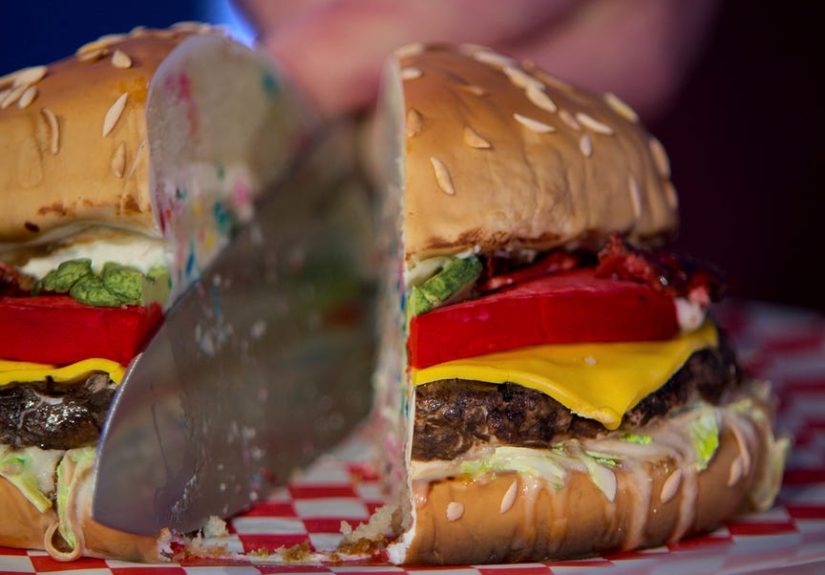
If one TV show managed to make America suspicious of purses, sneakers, bowling balls, and possibly its own breakfast, it is Is It Cake? The series turned hyperrealistic cake decorating into mainstream entertainment, but the real magic is not just in the final reveal. It is in the tools, techniques, and tiny artistic choices that make a dessert look like a boot, a handbag, or a random object you would absolutely never expect to taste like vanilla sponge.
Baking hyperrealistic cakes is part baking, part sculpture, part painting, and part “why am I staring at a shoe for 45 minutes?” The best cake artists are not simply frosting layers. They are building structure, controlling texture, studying light, and deciding whether a surface should look glossy, matte, cracked, fuzzy, metallic, or slightly beat up in that convincingly “real life” way. That means the toolkit goes far beyond a mixing bowl and a whisk.
If you have ever watched Is It Cake? and thought, “I want to make a cake that emotionally confuses people,” this guide breaks down the tools that matter most. Some come straight from the world of the show, while others are standard cake-decorating staples that do the unglamorous heavy lifting behind every believable fake-out.
Why Hyperrealistic Cakes Need a Different Kind of Toolkit
A classic birthday cake can get away with being soft, fluffy, and charmingly uneven. A hyperrealistic cake cannot. Realistic cakes need clean edges, strong internal support, smooth finishes, and surfaces that can be carved, painted, pressed, and detailed without collapsing into a sugar-based identity crisis.
That is why the most convincing illusion cakes usually begin with a dense cake, a stable filling, and a clear structural plan. The outer finish is just the final costume. Underneath, there is engineering. Lots of engineering. The cake has to survive stacking, trimming, covering, chilling, detailing, transport, and the dramatic knife-cut moment when everyone in the room yells, “No way.”
The Core Tools Behind Hyperrealistic Cakes
1. Silicone Molds for Tiny Details
One of the smartest tools in the realistic-cake world is the food-safe silicone mold. This is how decorators capture crisp details from real-life objects, whether it is a coin, a handle, a button, or the surface pattern on something manufactured. Instead of sculpting every little groove by hand, bakers can press a material into a mold and recreate that detail with much more precision.
For a cake meant to resemble a designer accessory, a sneaker sole, or a gadget with texture, molds can be the difference between “impressive” and “wait, why does that look unsettlingly real?” They are especially useful when working with modeling chocolate or fondant because both can hold fine impressions well.
2. Modeling Chocolate: The MVP of Edible Sculpture
If hyperrealistic cake artists had a group chat, modeling chocolate would probably be pinned at the top. Many decorators love it because it behaves more like clay than frosting. It can be kneaded, rolled, sculpted, shaved, blended, and patched. It also tends to taste better than the fondant skeptics fear.
For realistic cakes, modeling chocolate is ideal for shaped elements like leather folds, petals, handles, straps, fabric-like flaps, and sculpted details that need more body than buttercream can offer. It softens with the warmth of your hands, which gives artists great control, but it also firms up enough to hold form. That balance is gold.
White modeling chocolate is especially handy because it can be tinted into whatever color your illusion demands. If you are recreating a cereal box, a red apple, a tan boot, or a faded blue denim cap, color control matters. A digital thermometer also becomes important here because modeling chocolate behaves best when temperature is carefully managed. Too hot, and things get greasy. Too cool, and it feels like edible drywall.
3. Fondant for Smooth Skins and Clean Geometry
Fondant still earns a spot in the realistic-cake lineup because it creates smooth, uniform surfaces that are hard to beat. If you need a polished shell over a structured form, fondant does the job beautifully. It is especially useful for simple shapes with clean lines, like boxes, books, luggage, or objects that need a neat finish before painting and texturing begin.
The essential fondant companions are a rolling pin, preferably one with guide rings for even thickness, and a fondant smoother. Those two tools make a massive difference. Uneven fondant reads as homemade. Smooth fondant reads as “could be a real object, and now I do not trust my own eyes.”
Fondant is not always the star of the flavor conversation, but it remains valuable as a design medium. In hyperrealistic cakes, realism often begins with getting the surface dead smooth before distressing it back into something believable.
4. Gum Paste for Thin, Delicate Add-Ons
When decorators need fine details that must dry firm, gum paste enters the chat wearing a tiny crown. It is excellent for pieces like petals, leaves, tags, labels, bows, and decorative elements that need sharper edges and more rigidity than fondant usually provides.
You may not need gum paste for every Is It Cake?-style project, but it is incredibly useful when the object includes thin pieces that should not slump. Think paper-like flourishes, crisp embellishments, or details that must stand away from the cake.
5. Offset Spatulas, Bench Scrapers, and Turntables
These are the unsung heroes. Realistic cakes are often born in the boring phase: leveling layers, stacking them, applying a crumb coat, smoothing buttercream, and trying very hard not to get frosting where it should not be. An offset spatula spreads frosting neatly without turning your knuckles into collateral damage. A bench scraper gives you cleaner, straighter sides. A turntable makes smooth finishes faster and more consistent.
Together, these tools build the base that everything else depends on. If your underlying form is lumpy, your realistic handbag may end up looking less like luxury fashion and more like a beanbag with emotional issues.
6. Piping Bags and Tips for Precision Work
Piping bags are not only for birthday borders and buttercream roses. In realistic cake decorating, they help place frosting, ganache, or filling exactly where you want it. They also help apply fine lines, seams, borders, and controlled decorative details without creating a sticky crime scene.
Piping tips matter when you want texture, but even a plain piping bag with a small cut can be useful for controlled application. Some decorators even rely on zip-top bags in a pinch. Fancy is optional. Precision is not.
7. Sculpting Tools, Craft Knives, and Stitching Tools
This is where cake decorating starts looking a little like a tiny prop department. Basic sculpting tools help push, define, shape, and refine surfaces. They are useful for carving seams, smoothing joins, pressing curves, and giving an object a more organic look. Craft-style knives or very sharp precision blades help with clean cuts that will not snag soft coverings.
A stitching tool deserves special attention because it is one of those niche tools that instantly sells the illusion of fabric or leather. On realistic cakes inspired by hats, shoes, jackets, or bags, stitch marks can transform a smooth sugar surface into something that suddenly looks sewn rather than baked.
8. Brushes, Sponges, and Edible Paint
Hyperrealistic cake decorating is not just about shape. It is about finish. That means painting. Lots of it. Bakers use food-safe brushes in multiple sizes to add shadows, highlights, logos, speckles, scuffs, wood grain, rust tones, skin texture, or subtle color variation that makes the object look lived-in instead of freshly born from a fondant planet.
Sponges are surprisingly useful too. They help create irregular textures and break up flat areas so the cake feels more natural. A sponge-dabbed surface can mimic bread crust, bark, weathered leather, stone, and even skin-like texture. Yes, that last one is both impressive and slightly terrifying.
9. Airbrush Tools for Realistic Color Gradients
When artists want soft color transitions, misty shading, or an even coat without visible brush marks, airbrushing becomes a powerful move. It is especially effective for metallic-looking finishes, faded edges, gentle gradients, or subtle grime and shadow. A brush can add detail, but an airbrush can create atmosphere.
For home bakers, this tool is optional rather than mandatory. But if you are trying to make something look truly manufactured, worn, or professionally finished, airbrushing helps bridge the gap between “nice cake” and “that should not be edible.”
10. Dowels, Boards, and Advanced Structural Supports
No matter how gorgeous a realistic cake looks, gravity is still waiting in the wings. Dowels and cake boards are essential for support, especially when the build is tall, oddly shaped, or heavily sculpted. They distribute weight, stabilize tiers, and keep the whole dessert from doing an accidental modern dance routine on your table.
For especially large or unusual builds, some professional decorators use advanced supports beyond basic dowels. This is not beginner territory, but it explains why realistic cake artists often think like engineers. The illusion only works if the cake can stand still long enough to fool someone.
The Ingredients That Help These Tools Work Better
Tools are only half the story. Hyperrealistic cakes rely on materials that cooperate with carving and finishing. Dense cakes are preferred because they hold shape better than ultra-light sponges. Stable frostings and ganache help create cleaner surfaces. Cake scraps mixed with frosting can be used like edible patching material to build soft contours and fill awkward gaps.
A crumb coat is especially important. That first thin layer of frosting seals in crumbs and creates a smoother base for the final finish. Without it, your fondant or modeling chocolate can telegraph every bump, loose crumb, and structural regret underneath.
How Bakers on Shows Like Is It Cake? Sell the Illusion
The trick is not simply copying the object. It is studying it. Great realistic cake artists look at scale, proportion, color variation, wear patterns, and texture before they ever touch the cake. A perfect red apple is less convincing than one with tiny color shifts and a natural stem shadow. A boot needs stitch marks, a certain sheen, and maybe a little scuffing. A cereal bowl needs believable surface shine and crisp edges where milk would catch the light.
That is why many of the best realistic cakes feel oddly familiar. They are not too polished. They include imperfections on purpose. In cake decorating, realism often lives in the flaws.
A Smart Beginner Workflow for a Hyperrealistic Cake
- Choose a simple object first. A mug, a cereal bowl, a small handbag, or a sneaker-shaped box is a better first project than a full-size lawn mower. Ambition is fun, but so is finishing.
- Start with dense cake layers. Let them cool completely, then wrap and chill them so carving is cleaner.
- Stack and shape. Use filling sparingly and carve slowly. Save scraps for patching and contour building.
- Apply a crumb coat. Chill until firm. This step is boring and non-negotiable.
- Add the outer medium. Use fondant for smooth geometry, modeling chocolate for sculpted realism, or a mix of both.
- Build details. Add seams, handles, logos, texture, and dimensional pieces.
- Paint and finish. Use brushes, edible colors, dusts, or airbrush shading to make the object believable.
- Step back often. Realistic cake artists constantly compare the cake to the real object. Up close, you fix details. From a few feet back, you judge the illusion.
Common Mistakes That Ruin the Illusion
The biggest mistake is over-focusing on decoration and under-focusing on form. If the silhouette is wrong, no amount of edible paint will save it. Another common problem is using a cake that is too soft. Light, fluffy cake may taste fantastic, but it can be a nightmare for carving and support. Rushing the chilling stages is another classic blunder. Warm cake plus detailed sculpting equals sadness.
Then there is over-coloring. Real objects usually contain more variation than you think, but less saturation than you assume. Beginners often go too bright, too clean, or too shiny. Realism is subtle. Hyperrealistic cakes are not cartoons. They are edible trickery with excellent lighting decisions.
What It Feels Like to Bake a Hyperrealistic Cake
The experience of baking a hyperrealistic cake is wonderfully chaotic. At the start, it feels like a normal baking project. You preheat the oven, mix batter, line pans, and act like a calm, capable adult. Then the cake cools, the carving begins, and suddenly you are crouched over a turntable whispering things like, “Why does this banana look judgmental?”
What surprises most people is how physical the process becomes. You are lifting layers, trimming edges, smoothing surfaces, kneading modeling chocolate, stepping back to squint, then walking forward again to add one tiny seam that nobody will consciously notice but everybody will somehow feel. It is art by obsession. You are not simply decorating. You are problem-solving every ten minutes.
There is also a weird emotional arc to it. Midway through the project, the cake often looks awful. Truly awful. This is the valley of despair, where the object resembles neither cake nor intended object. It is just a lumpy form wearing a suspicious amount of beige. This is normal. Every realistic cake spends time looking like a mistake before it starts looking like a miracle.
Then comes the texture stage, which is where the whole thing gets addictive. A sponge adds a little mottling. A brush deepens a crease. A stitching tool makes a seam feel sewn. A bit of edible dust knocks back the shine. Suddenly the object gains character. It no longer looks like a cake trying hard. It starts looking like a thing that accidentally happened to be made of cake.
And then there is the final reveal, which is pure theater. Hyperrealistic cakes are one of the few desserts that create suspense before dessert. People circle them. They point. They argue. Someone always taps the table like they are investigating a crime. The joy is not only in serving cake. It is in watching people doubt reality for a moment.
That is why so many bakers become hooked on this style. It combines flavor, engineering, painting, sculpture, comedy, and drama in one project. It is technically demanding, yes, but it is also deeply playful. A realistic cake lets you be precise without being stiff, artistic without being precious, and ridiculous in the best possible way. You can spend six hours making a cake look exactly like a jar of pickles, and somehow that is a perfectly respectable use of time.
It also teaches patience fast. You learn to chill before rushing, to build support before adding weight, and to trust small details. You learn that smooth sides matter, but so do tiny scuffs. You learn that realism is not about perfection. It is about observation. The more carefully you notice the world, the better your cakes become.
So yes, baking a hyperrealistic cake is demanding. It may test your steady hand, your spatial reasoning, and your willingness to clean powdered sugar off every visible surface in your kitchen. But it is also hilarious, rewarding, and weirdly satisfying. Few baking projects let you serve dessert and a magic trick at the same time. That is the real charm of the Is It Cake? effect: it turns baking into performance art, with buttercream as the opening act and disbelief as the grand finale.
Conclusion
Hyperrealistic cakes may look like TV magic, but the craft comes down to a smart combination of structure, sculpting, surface work, and patience. The tools from the Is It Cake? universe are not all flashy. In fact, many of the most important ones are humble: a bench scraper, a turntable, a mold, a brush, a piping bag, a smoother, a dowel. Add modeling chocolate, fondant, good chilling habits, and a willingness to stare at a real object like you are auditioning for a detective show, and you are on your way.
The best part is that you do not need a TV studio to start. You just need a realistic goal, a steady workflow, and the right tools for the illusion you want to build. Make it delicious, make it sturdy, make it weirdly convincing, and then enjoy the most satisfying sentence in modern baking: “Wait… that is cake?”






 Close
Close