
Table of Contents >> Show >> Hide
Basil is the tiny green leaf that somehow walks into a kitchen and convinces tomatoes, mozzarella, pasta, eggs, chicken, fish, and even lemonade to behave better. It is fragrant, bright, peppery-sweet, and famously dramatic when neglected in the refrigerator. One minute it looks like a cheerful garden celebrity; the next, it has turned black and limp as if it just read a bad restaurant review.
But basil is more than a garnish with good public relations. This beloved herb, especially sweet basil, brings flavor without relying on extra salt, adds plant compounds linked with antioxidant activity, and delivers useful micronutrients in small but mighty amounts. While no one should expect a few leaves of basil to replace a balanced diet, regular use of herbs like basil can make healthy eating easier, tastier, and far less boring.
In this guide, we will explore basil nutrition, health benefits, culinary uses, storage tips, safety notes, and practical kitchen experiences that help this humble herb earn its permanent spot on the counter.
What Is Basil?
Basil is a leafy herb from the mint family, which explains why it smells so alive and slightly mischievous. The variety most Americans know best is sweet basil, the star of pesto, Caprese salad, marinara sauce, and summer pasta dishes. Its flavor is fresh, lightly peppery, slightly sweet, and sometimes a little clove-like.
There are many types of basil, and each one brings a different personality to the cutting board. Sweet basil is soft and classic. Thai basil has a stronger anise-like flavor and stands up beautifully in stir-fries, curries, and noodle soups. Holy basil, also called tulsi, is often used as an herbal tea or supplement and is especially associated with traditional wellness practices. Lemon basil adds citrusy brightness, while purple basil brings color and a slightly spicier edge.
In everyday cooking, basil works best when treated gently. Add fresh leaves near the end of cooking or right before serving. Heat can flatten its aroma, and basil did not train all summer just to be boiled into green confetti.
Basil Nutrition: Small Leaves, Real Nutrients
Basil is usually eaten in small amounts, so it is not a major source of calories, protein, or carbohydrates. That is good news if you want big flavor without turning dinner into a math problem. Fresh basil is mostly water, naturally low in calories, and nearly fat-free.
Still, basil contains several important nutrients. It is especially known for vitamin K, a nutrient that helps support normal blood clotting and bone health. Basil also provides smaller amounts of vitamin A, vitamin C, manganese, magnesium, iron, calcium, and potassium. These nutrients matter, but portion size matters too. A few leaves will not transform your diet overnight, but they can contribute to a pattern of nutrient-rich eating.
Key Nutrients Found in Basil
Vitamin K: Basil is particularly rich in vitamin K compared with many herbs. This is helpful for bone and clotting functions, but people taking warfarin or other blood-thinning medication should keep vitamin K intake consistent and talk with a healthcare professional before suddenly eating pesto by the mixing bowl.
Vitamin A and carotenoids: Basil contains plant pigments such as beta-carotene, lutein, and zeaxanthin. These compounds are associated with eye health and antioxidant activity.
Manganese and magnesium: These minerals help support normal body processes, including metabolism and muscle and nerve function.
Polyphenols and essential oils: Basil contains natural plant compounds such as eugenol, rosmarinic acid, caffeic acid, and other aromatic components. These are partly responsible for basil’s smell, flavor, and potential health-supporting properties.
Health Benefits of Basil
Basil is not a magic cure, and it does not wear a tiny doctor coat. However, research and nutrition guidance suggest that basil may support health in several useful ways, especially when it is part of a balanced diet rich in vegetables, fruits, whole grains, lean proteins, and healthy fats.
1. Basil Adds Flavor Without Extra Sodium
One of basil’s most practical health benefits is simple: it makes food taste better without requiring more salt. For people trying to reduce sodium, fresh herbs can be a kitchen lifesaver. Basil pairs beautifully with tomatoes, whole-grain pasta, low-sodium soups, salads, chicken, fish, eggs, beans, and roasted vegetables.
This matters because many people get too much sodium from processed and restaurant foods. Using herbs, citrus, vinegar, garlic, and spices can help meals taste complete while keeping salt in check. Basil is especially good here because it gives a fresh “finished” flavor. A bland bowl of soup with basil suddenly becomes dinner. Without basil, it may feel like warm homework.
2. Basil Contains Antioxidant Compounds
Basil contains antioxidants, including polyphenols and carotenoids, that help protect cells from oxidative stress. Oxidative stress happens when free radicals outnumber the body’s defenses, and over time it may contribute to aging and chronic disease risk.
That does not mean basil alone prevents disease. It means basil belongs in the same smart-food conversation as other colorful plant foods. Add it to meals alongside tomatoes, peppers, leafy greens, olive oil, berries, beans, and whole grains, and you are building a plate with more protective compounds and fewer sad, beige moments.
3. Basil May Support Heart-Friendly Eating
Basil may support heart health in a few indirect but meaningful ways. First, it helps reduce the need for excess salt and heavy sauces. Second, it fits naturally into Mediterranean-style meals, which often include vegetables, herbs, olive oil, fish, legumes, and whole grains. Third, some basil compounds have been studied for possible effects on blood pressure, cholesterol, and inflammation, though many findings come from lab or animal studies rather than large human trials.
The practical takeaway is not “eat basil instead of seeing a doctor.” The takeaway is: use basil to make heart-smart meals more delicious, because the healthiest meal plan is the one you can actually enjoy without sighing into your salad.
4. Basil May Help With Blood Sugar-Friendly Meals
Some research, especially involving holy basil, has explored possible effects on blood sugar control. Early human and laboratory studies are interesting, but they are not enough to treat basil as a medication. Anyone with diabetes, prediabetes, or blood sugar concerns should follow medical advice and avoid replacing prescribed care with herbs or supplements.
Still, culinary basil can be helpful in a blood sugar-friendly eating pattern because it adds flavor to vegetables, lean proteins, beans, lentils, eggs, and whole grains without adding sugar. A tomato-basil omelet, lentil soup with fresh basil, or grilled chicken with basil chimichurri can be both satisfying and balanced.
5. Basil May Offer Anti-Inflammatory Potential
Inflammation is part of the immune system’s normal response, but long-term chronic inflammation is associated with many health concerns. Basil contains compounds such as eugenol and rosmarinic acid that have been studied for anti-inflammatory effects. Much of this research is preliminary, so it is better to think of basil as one anti-inflammatory-friendly ingredient among many.
For example, basil works wonderfully with olive oil, tomatoes, garlic, leafy greens, salmon, beans, and nuts. That is not just a tasty lineup; it is the kind of meal pattern many nutrition experts encourage for long-term wellness.
6. Holy Basil May Support Stress Response, But Use Caution
Holy basil, or tulsi, is different from the sweet basil commonly tossed onto pizza. It is often used in teas, capsules, extracts, and traditional wellness practices. Research reviews suggest holy basil may have potential for stress response, metabolic health, and general wellness, but studies are often small, short-term, or based on specific extracts.
If you drink tulsi tea occasionally, that is usually different from taking concentrated supplements. Supplements can interact with medications and may not be appropriate during pregnancy, before surgery, or for people with certain medical conditions. When basil becomes a pill, it stops being “just a leaf” and deserves grown-up caution.
Popular Uses for Basil
Basil is one of the easiest herbs to use because it makes ordinary food taste intentional. You can add it fresh, dried, blended, torn, chopped, infused, or stirred into sauces. Here are some of the best ways to use basil in everyday meals.
Pesto
Pesto is basil’s headline performance. Traditional pesto often includes fresh basil, garlic, pine nuts, Parmesan cheese, olive oil, and lemon juice. You can also make budget-friendly versions with walnuts, almonds, sunflower seeds, or no nuts at all. Spoon pesto over pasta, grilled vegetables, sandwiches, eggs, fish, chicken, or roasted potatoes.
Tomato Dishes
Basil and tomato are culinary best friends. Add basil to marinara, tomato soup, bruschetta, pizza, Caprese salad, or roasted cherry tomatoes. For the brightest flavor, stir basil in at the end or sprinkle it on top right before serving.
Salads and Grain Bowls
Fresh basil gives salads a restaurant-level lift. Toss torn leaves into green salads, quinoa bowls, farro bowls, chickpea salads, cucumber salads, or watermelon-feta salad. Yes, watermelon and basil work together. It sounds suspicious until the first bite, and then suddenly summer makes sense.
Drinks and Desserts
Basil can brighten lemonade, iced tea, sparkling water, fruit salads, sorbet, and berry desserts. Muddle a few leaves gently with lemon or strawberry for a refreshing drink. Do not pulverize the leaves into swamp paste; basil prefers a light touch.
Eggs, Chicken, Fish, and Beans
Add basil to scrambled eggs, omelets, grilled chicken, baked fish, white beans, lentils, or turkey meatballs. It is especially good with lemon, garlic, olive oil, and cracked black pepper.
Fresh Basil vs. Dried Basil
Fresh basil and dried basil are not identical, but both are useful. Fresh basil tastes brighter, sweeter, and more aromatic. It is best in salads, garnishes, pesto, fresh sauces, and dishes where basil is the main flavor. Dried basil tastes earthier and more concentrated, making it better for soups, stews, marinades, and slow-cooked sauces.
A common rule is to use about one-third the amount of dried herbs when replacing fresh herbs. For example, if a recipe calls for one tablespoon of fresh basil, try one teaspoon of dried basil. Then taste and adjust, because recipes are guidelines, not kitchen dictators.
How to Store Basil
Fresh basil is famously cold-sensitive. Refrigeration can make leaves darken, wilt, or turn black. For short-term storage, trim the stems and place basil in a glass of water at room temperature, like a tiny edible bouquet. Loosely cover it with a plastic bag if needed, and change the water every day or two.
If basil is already chopped or very delicate, use it quickly. Fresh basil is at its best within a few days. For longer storage, you can dry basil, freeze it in oil cubes, or turn it into pesto and freeze it. Food preservation guidance recommends keeping fresh pesto in the refrigerator for only a short time and freezing it for longer storage.
Best Basil Storage Methods
Countertop jar: Best for fresh stems. Keep them in water at room temperature.
Drying: Hang small bunches in a warm, dry, well-ventilated place or use a dehydrator. Store dried leaves in an airtight container away from heat and light.
Freezing: Blend basil with a little olive oil and freeze in cubes. Add cubes to soups, sauces, and sautés.
Pesto: Make pesto fresh, refrigerate briefly, or freeze in small containers for easy future meals.
How to Grow Basil at Home
Basil is beginner-friendly, which is wonderful because it makes you feel like a gardening genius even if your past houseplants have filed complaints. Basil grows best in warm weather, full sun, and well-drained soil. It can grow outdoors, in raised beds, in containers, or indoors near a sunny window.
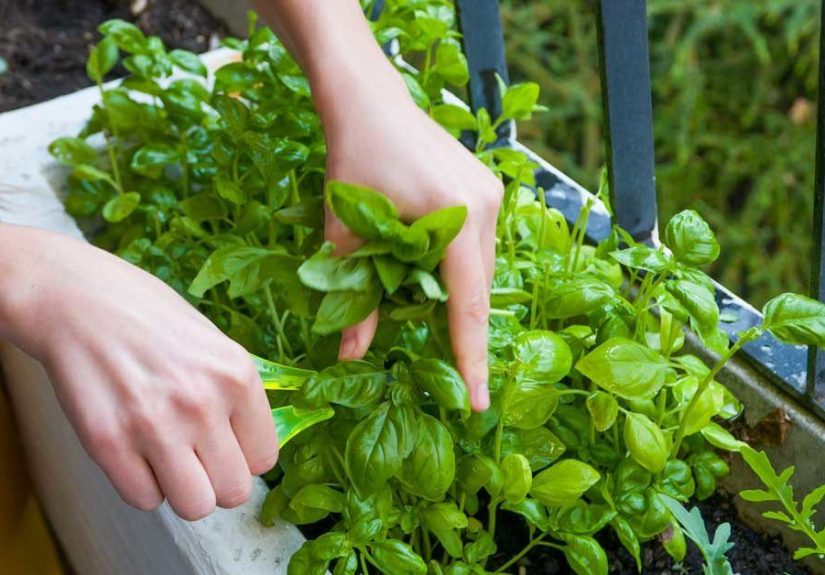
Give basil about six to eight hours of sunlight when possible, water consistently, and pinch off flower buds to encourage leafy growth. Regular harvesting helps the plant become bushier. Instead of plucking one lonely leaf at a time, snip stems just above a pair of leaves. The plant will often branch from that point and reward you with more basil.
Basil dislikes cold weather, so plant it outdoors only after frost danger has passed. Indoors, keep it somewhere bright and warm. A windowsill can work if it receives enough light. If your basil stretches toward the sun like it is auditioning for a plant ballet, it probably needs more light.
Possible Risks and Safety Notes
For most people, basil used as food is safe and healthy. The main cautions involve concentrated supplements, medication interactions, allergies, and vitamin K consistency.
People taking warfarin or other blood-thinning medication should avoid sudden large changes in vitamin K intake. That does not always mean avoiding basil completely, but consistency matters. Anyone preparing for surgery, pregnant or breastfeeding, taking diabetes medication, or using sedatives or blood-thinning drugs should ask a healthcare professional before using holy basil supplements.
Some people may be allergic to basil or related herbs in the mint family. Symptoms can include itching, swelling, rash, or digestive upset. If basil causes a reaction, stop using it and seek medical advice.
Practical Experience: What Basil Teaches You in a Real Kitchen
After using basil in everyday cooking, one thing becomes clear: basil rewards timing. Add it too early to a long-simmering sauce, and much of its perfume disappears. Add it right at the end, and the dish suddenly smells like someone opened a window in an Italian garden. This is why many cooks tear basil over pasta, pizza, or soup just before serving. The heat wakes the aroma without destroying it.
Another lesson is that basil is generous, but not patient. A bunch bought at the grocery store should not be shoved into the back of the refrigerator and forgotten behind the pickles. Basil prefers room temperature, trimmed stems, and a little water. Treat it like flowers, and it behaves like food. Treat it like lettuce, and it may punish you with black leaves.
In meal prep, basil can rescue simple foods. A bowl of cooked white beans becomes a quick lunch with chopped basil, olive oil, lemon juice, garlic, pepper, and a pinch of salt. Leftover chicken becomes sandwich filling with basil, Greek yogurt, celery, and mustard. Plain scrambled eggs become weekend brunch with basil, cherry tomatoes, and a little mozzarella. None of these ideas are complicated, which is exactly the point. Basil makes healthy meals feel less like an obligation and more like a small upgrade.
Growing basil at home adds another layer of appreciation. When you harvest it correctly, the plant becomes fuller. When you forget to pinch off flowers, it becomes woody and less flavorful. Basil is basically a tiny green teacher whispering, “Pay attention, and I will feed you.” A single healthy plant can produce enough leaves for salads, pasta, pesto, and drinks throughout the warm months.
Fresh basil also encourages better cooking habits. Because it tastes best with fresh ingredients, it naturally pushes meals toward tomatoes, vegetables, beans, fish, chicken, whole grains, and homemade sauces. It makes low-sodium cooking more enjoyable because the flavor is bold enough to distract your taste buds from missing extra salt. That is a major win for anyone trying to cook healthier without turning dinner into a punishment.
One helpful trick is to build “basil finishers.” Mix chopped basil with lemon zest, garlic, olive oil, and black pepper, then spoon it over grilled vegetables or fish. Blend basil with yogurt, lemon, and cucumber for a quick sauce. Stir it into vinaigrette for salads and grain bowls. Freeze basil and olive oil in small cubes so future-you can drop summer flavor into winter soup and feel slightly smug in the best possible way.
Basil’s biggest everyday benefit may be emotional as much as nutritional. It makes food smell fresh. It adds color. It turns leftovers into something that looks planned. A few leaves can make dinner feel cared for, and that matters. Healthy eating is easier when meals are enjoyable, colorful, and satisfying. Basil helps with all three, while asking only for sunlight, water, and a little respect.
Conclusion
Basil is small, but it earns a big reputation. It offers vitamin K, plant antioxidants, fresh flavor, and an easy way to make meals more exciting without leaning heavily on salt, sugar, or rich sauces. While basil is not a medical treatment, it fits beautifully into a health-supporting diet and can make everyday cooking more colorful, aromatic, and fun.
Use fresh basil at the end of cooking, pair it with tomatoes and vegetables, blend it into pesto, freeze it for later, or grow a pot on a sunny windowsill. Whether you are chasing better nutrition or simply trying to make Tuesday dinner taste less like Tuesday, basil is ready to help.







 Close
Close