
Table of Contents >> Show >> Hide
- What Are Cookie Trees?
- Why This Is the Best Cookie Trees Recipe
- Ingredients for Cookie Trees
- How To Make Cookie Trees
- Pro Tips for Perfect Cookie Trees
- Buttercream vs. Royal Icing: Which Is Better?
- Flavor Variations
- How To Store Cookie Trees
- Make-Ahead Plan for Stress-Free Baking
- Common Cookie Tree Problems and How To Fix Them
- Serving Ideas for Cookie Trees
- Experience: What I Learned Making Cookie Trees at Home
- Conclusion
Cookie trees are what happens when sugar cookies decide they are tired of lying flat on a plate and would rather become the centerpiece. These adorable stacked Christmas cookie trees are made with graduated star-shaped cookies, a little frosting “glue,” and enough sprinkles to make your kitchen look like it hosted a tiny holiday parade. They are festive, edible, customizable, and much easier than they look.
The best part? You do not need to be a professional pastry chef to make them. If you can roll cookie dough, cut out shapes, bake until lightly golden, and stack cookies from large to small, you can build a forest of cookie trees that looks impressive on a dessert table. The secret is not magic. It is firm dough, even rolling, complete cooling, and the right frosting consistency.
This guide walks you through the best cookie trees recipe, including ingredients, step-by-step directions, decorating ideas, troubleshooting tips, make-ahead advice, and real baking experience from the “why is there powdered sugar on the dog?” school of holiday cooking.
What Are Cookie Trees?
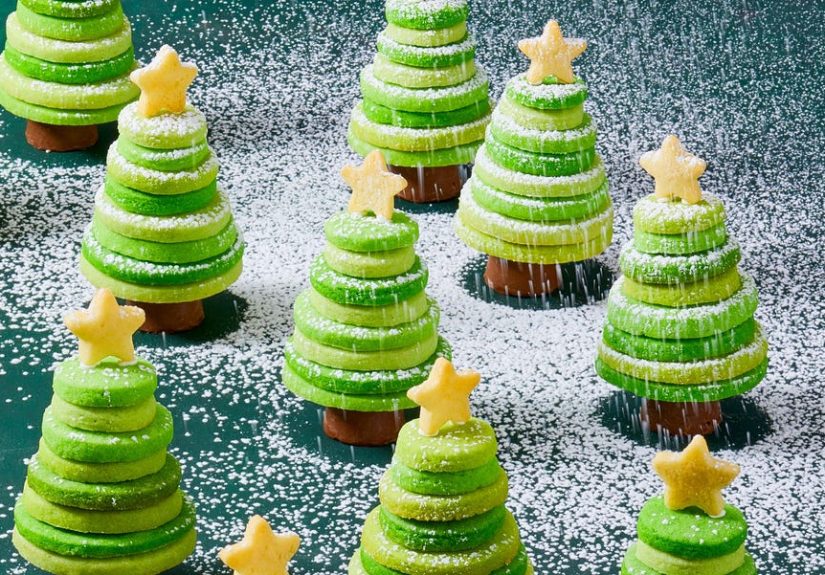
Cookie trees are stacked cookies arranged to look like miniature Christmas trees. Most versions use star-shaped sugar cookies in several sizes. The largest star sits on the bottom, medium stars go in the middle, and the smallest star crowns the top. Frosting, royal icing, or buttercream is piped between layers to hold everything together and create the look of snow or tree branches.
They can be small individual desserts or large cookie tree centerpieces. A mini cookie tree might use three to five cookies, while a dramatic centerpiece can use many layers and graduated cutters. The finished dessert is part cookie, part decoration, and part conversation starter. It is also a clever way to turn a basic cut-out sugar cookie recipe into something that feels special without requiring sculpting skills or a degree in gingerbread engineering.
Why This Is the Best Cookie Trees Recipe
A great cookie tree recipe needs to solve three problems: the cookies must hold their shape, the frosting must support stacking, and the finished trees should taste as good as they look. Some pretty holiday desserts are secretly dry, crumbly, or so hard they could be used to level furniture. Not these.
This version uses a buttery vanilla sugar cookie dough that is sturdy enough for cutouts but still tender when you bite into it. The dough is chilled before rolling and again before baking if needed, which helps the star points stay sharp. The frosting can be made as a simple vanilla buttercream for a soft, creamy bite or as royal icing for stronger structure and cleaner decorating. Both options work beautifully depending on your goal.
If you want quick, kid-friendly cookie trees, use buttercream. If you want trees that stand tall on a dessert board or travel better in a container, use royal icing. If you want to do both, welcome to the holiday baking club. We meet near the sink, holding spatulas.
Ingredients for Cookie Trees
For the Sugar Cookies
- 3 cups all-purpose flour, plus more for rolling
- 1 teaspoon baking powder
- 1/2 teaspoon fine salt
- 1 cup unsalted butter, softened but still cool
- 1 cup granulated sugar
- 1 large egg
- 1 tablespoon milk
- 2 teaspoons pure vanilla extract
- 1/4 teaspoon almond extract, optional
For Vanilla Buttercream Frosting
- 1/2 cup unsalted butter, softened
- 2 cups powdered sugar, sifted
- 1 to 2 tablespoons milk or heavy cream
- 1 teaspoon vanilla extract
- Pinch of salt
- Green gel food coloring, optional
For Royal Icing Option
- 3 cups powdered sugar, sifted
- 2 tablespoons meringue powder
- 5 to 6 tablespoons warm water, added gradually
- 1/2 teaspoon vanilla extract or clear vanilla extract
- Green gel food coloring, optional
For Decorating
- Holiday sprinkles
- White sanding sugar
- Mini candy stars
- Edible pearls
- Powdered sugar for “snow”
- Small piping bags or zip-top bags
- Graduated star cookie cutters
How To Make Cookie Trees
Step 1: Make the Cookie Dough
In a medium bowl, whisk together the flour, baking powder, and salt. In a large bowl, beat the butter and granulated sugar until light and creamy, about two minutes. Add the egg, milk, vanilla extract, and almond extract if using. Beat until smooth.
Add the dry ingredients gradually and mix on low speed until a soft dough forms. The dough should be smooth and pliable, not sticky or wet. If it feels too soft, do not panic and do not add a mountain of flour. Wrap it and chill it. The refrigerator is the quiet hero of cut-out cookies.
Step 2: Chill the Dough
Divide the dough into two disks, wrap tightly, and refrigerate for at least 1 hour. Chilling helps the butter firm up, making the dough easier to roll and less likely to spread in the oven. For sharper star points, you can chill the cut cookies on the baking sheet for another 10 to 15 minutes before baking.
Step 3: Roll and Cut the Stars
Lightly flour your work surface and rolling pin. Roll the dough to about 1/4 inch thick. Try to keep the thickness even so the cookies bake at the same rate and stack neatly. Use star cutters in several sizes. For each cookie tree, cut one large star, one medium-large star, one medium star, one small star, and one mini star. For a taller tree, cut two of each size.
Transfer the stars to parchment-lined baking sheets, leaving a little space between them. If the dough becomes warm or floppy, slide the baking sheet into the refrigerator before baking. Warm dough makes blurry trees. Chilled dough makes confident trees with crisp little points.
Step 4: Bake the Cookies
Bake at 350°F for 8 to 11 minutes, depending on the size of the cookies. Smaller stars may bake faster, so group similar sizes on the same baking sheet when possible. The cookies are done when the edges are set and just barely turning golden. Avoid overbaking because the cookies will firm up as they cool.
Let the cookies cool on the baking sheet for 5 minutes, then transfer them to a wire rack. Cool completely before decorating or stacking. Warm cookies will melt frosting, slide around, and generally behave like tiny holiday troublemakers.
Step 5: Make the Frosting or Royal Icing
For buttercream, beat softened butter until creamy. Add powdered sugar, vanilla, salt, and 1 tablespoon of milk or cream. Beat until fluffy, adding more liquid only if needed. Tint with green gel food coloring if you want a classic Christmas tree look.
For royal icing, whisk powdered sugar and meringue powder together. Add warm water gradually and mix until smooth. For stacking, aim for a thick piping consistency that holds its shape. It should be firm enough to act like glue but not so stiff that it refuses to leave the piping bag. Think toothpaste consistency, not concrete.
Step 6: Stack the Cookie Trees
Place the largest cookie on a flat surface. Pipe a small mound of frosting in the center. Add the next largest cookie on top, rotating it slightly so the star points do not line up perfectly. This gives the tree a fuller, branch-like look. Continue stacking from largest to smallest, adding frosting between each cookie.
Finish with a mini star placed flat or upright on top. Add sprinkles, sanding sugar, edible pearls, or powdered sugar snow. If using royal icing, let the trees dry until stable before moving them. If using buttercream, chill the trees briefly to firm them up before serving.
Pro Tips for Perfect Cookie Trees
Use Gel Food Coloring
Gel food coloring gives bold color without adding too much liquid. Liquid coloring can thin frosting and make royal icing harder to control. A tiny drop of gel can turn plain frosting into a cheerful evergreen shade.
Roll Dough Evenly
Uneven dough creates uneven cookies, and uneven cookies create leaning cookie trees. Rolling guides, dowels, or a rolling pin with thickness rings can help. If you do not have any of those, just slow down and check the dough from multiple angles.
Keep the Dough Cold
If your kitchen is warm, work with half the dough at a time and keep the rest refrigerated. Cold dough cuts cleaner, transfers easier, and holds its shape better in the oven. This one habit can make the difference between crisp star cookies and festive blobs.
Let Cookies Cool Completely
Decorating warm cookies is tempting because patience is not usually invited to holiday baking day. But warm cookies soften frosting and can make the layers slide. Cool cookies give you a sturdy base and a neater finish.
Rotate Each Layer
When stacking, turn each cookie slightly so the star points alternate. This creates the illusion of branches and makes the cookie tree look fuller. It also helps hide small imperfections, which is convenient because cookies are delicious, not robots.
Buttercream vs. Royal Icing: Which Is Better?
Buttercream tastes creamy, rich, and familiar. It is easier for beginners, softer to bite, and great for cookie trees that will be served the same day. It is also very forgiving. If your piping is not perfect, add sprinkles and call it rustic charm.
Royal icing dries firmer and works better when you need structure. It is ideal for cookie trees that need to stand longer, travel to a party, or sit on a dessert table. Royal icing also gives a cleaner, more polished look. The trade-off is that it requires more attention to consistency.
For the best of both worlds, use a small amount of thick royal icing between layers for stability and decorate the outside with buttercream. That way, the trees stand tall and still taste creamy. It is a tiny baking compromise, also known as wisdom.
Flavor Variations
Classic Vanilla Cookie Trees
Use vanilla extract and a touch of almond extract for a bakery-style sugar cookie flavor. This version pairs well with buttercream, royal icing, sprinkles, and powdered sugar.
Gingerbread Cookie Trees
Replace the sugar cookie dough with gingerbread dough for a spiced holiday version. Ginger, cinnamon, cloves, and molasses give the trees deeper flavor and a cozy aroma.
Peppermint Cookie Trees
Add 1/4 teaspoon peppermint extract to the frosting and decorate with crushed peppermint candies. Use a light hand because peppermint can go from merry to toothpaste very quickly.
Lemon Snow Cookie Trees
Add lemon zest to the dough and a little lemon juice to the icing. This bright version is lovely when you want a holiday dessert that is sweet but not heavy.
Chocolate Cookie Trees
Use chocolate sugar cookie dough and white royal icing for a snowy forest look. Add silver sprinkles or edible pearls for a more elegant dessert table.
How To Store Cookie Trees
Store assembled cookie trees in a single layer in an airtight container. If decorated with royal icing, let them dry completely before storing. Place parchment paper between trees if needed, but avoid stacking them directly on top of each other.
Buttercream cookie trees are best served within 1 to 2 days. Royal icing cookie trees can usually be made a few days ahead if stored in a cool, dry place. Avoid humid areas because humidity can soften icing and make decorations sticky.
Unfrosted sugar cookies can be baked ahead and stored in an airtight container for several days. You can also freeze baked cookies before decorating. Let them thaw completely before stacking and icing.
Make-Ahead Plan for Stress-Free Baking
If you are making cookie trees for a party, do not try to do everything at once unless you enjoy chaos with a side of powdered sugar. Make the dough one day ahead and chill it overnight. Bake the cookies the next day. Decorate and stack them once the cookies are fully cool.
For bigger batches, cut and bake all the stars first, then sort them by size. This makes assembly faster and prevents the classic holiday mystery known as “Where did all the medium stars go?” Set up a decorating station with frosting, sprinkles, and trays before you begin stacking.
Common Cookie Tree Problems and How To Fix Them
The Cookies Spread Too Much
The dough was likely too warm, the butter was too soft, or there was not enough chilling time. Chill the cut cookies before baking and avoid placing dough on a hot baking sheet.
The Trees Lean
The cookies may be uneven, or too much frosting may have been added between layers. Use a small centered dollop of frosting and gently press each layer into place. Rotate stars carefully and build on a flat surface.
The Frosting Is Too Runny
Add more powdered sugar, one tablespoon at a time, until it thickens. For royal icing, mix a little longer and add powdered sugar gradually. For buttercream, avoid adding too much milk at the beginning.
The Cookies Are Too Hard
They may have baked too long. Pull sugar cookies from the oven when the edges are set but not deeply browned. They continue to firm as they cool.
The Decorations Slide Off
The icing may be too thin or the cookies may still be warm. Cool the cookies fully and use thicker icing for details and stacking.
Serving Ideas for Cookie Trees
Arrange cookie trees on a white platter and dust them with powdered sugar for a snowy effect. Add rosemary sprigs, cranberries, wrapped candies, or small ornaments around the base for a holiday dessert board. For individual servings, place each cookie tree in a cupcake liner or on a small dessert plate.
Cookie trees also make charming edible gifts. Let royal icing trees dry completely, then package them in clear treat boxes with a ribbon. For buttercream trees, keep them chilled and transport carefully. Nobody wants to open a gift box and find a frosting avalanche, even if it smells amazing.
Experience: What I Learned Making Cookie Trees at Home
The first thing you learn when making cookie trees is that they look fancy, but they are secretly forgiving. A slightly crooked star? Rotate the next layer. A frosting blob that looks less like snow and more like a tiny dairy accident? Add sprinkles. A tree leaning like it heard bad news? Chill it for ten minutes and let the frosting firm up. Cookie trees reward patience, but they do not demand perfection.
The biggest lesson is to respect the chill time. It is tempting to rush, especially when the dough smells like vanilla and the cookie cutters are sitting there like shiny little promises. But warm dough sticks, stretches, and loses its clean edges. Chilled dough behaves better. It rolls smoother, cuts sharper, and transfers to the baking sheet without turning your stars into abstract holiday art. If the dough starts to soften, put it back in the refrigerator. That pause feels annoying in the moment, but it saves time later.
Another helpful experience is baking similar sizes together. The first time you bake large stars and tiny stars on the same pan, the small ones may brown before the large ones are ready. Sorting by size makes the whole process calmer. Large stars can bake together, medium stars can have their own tray, and tiny stars can get a shorter bake. It sounds fussy, but it is actually easier than hovering by the oven like a nervous cookie security guard.
For decorating, thick frosting is your friend. Thin icing looks smooth on flat cookies, but stacked cookie trees need support. A small mound of sturdy buttercream or royal icing between layers works like edible glue. Do not overload each layer, though. Too much frosting makes the cookies slide and can turn your elegant tree into a delicious leaning tower. A centered dollop is enough. Press gently, rotate slightly, and keep building.
Kids love decorating cookie trees because there is no single “correct” design. Some trees can be green with red sprinkles. Others can be white with sanding sugar. One tree may end up wearing every sprinkle in the house, and honestly, that tree usually has the most personality. Set out small bowls of decorations and let everyone build their own. The activity becomes part recipe, part craft, and part holiday memory.
For parties, the smartest move is to bake the cookies ahead and assemble the trees closer to serving time. Unfrosted cookies are easy to store, stack, and transport. Fully assembled trees are more delicate, especially if made with soft buttercream. If you need to travel, royal icing gives better structure. Let the icing dry, pack the trees upright, and use a container that prevents them from tipping.
The best cookie trees are not always the tallest or most perfectly decorated. They are the ones that make people smile before they take a bite. A cookie tree has that rare holiday dessert magic: it looks like a centerpiece, tastes like a cookie, and invites everyone to say, “Wait, did you make that?” Yes, you did. And yes, you should absolutely take credit.
Conclusion
Cookie trees are one of the best holiday desserts for bakers who want maximum charm without maximum stress. With a reliable sugar cookie dough, chilled cutouts, sturdy frosting, and a little decorating creativity, you can turn simple star cookies into beautiful edible Christmas trees. They are perfect for cookie swaps, family baking days, dessert tables, edible gifts, and festive weekends when your kitchen needs to smell like vanilla and victory.
Whether you use buttercream for a soft, creamy finish or royal icing for a polished, sturdy build, this cookie trees recipe is flexible, fun, and easy to personalize. Keep the dough cold, bake similar sizes together, cool the cookies completely, and stack with confidence. The final result is sweet, festive, and just dramatic enough to make regular cookies feel underdressed.







 Close
Close