
Table of Contents >> Show >> Hide
- What Is a Bio Enzyme Laundry Booster?
- How Laundry Enzymes Actually Work
- What a Bio Enzyme Laundry Booster Does Well
- How to Use a Bio Enzyme Laundry Booster the Right Way
- Bio Enzyme Laundry Booster vs. Oxygen Bleach vs. Scent Boosters
- When You Should Be Careful
- How to Choose the Best Bio Enzyme Laundry Booster
- Who Benefits Most from a Bio Enzyme Laundry Booster?
- What Using a Bio Enzyme Laundry Booster Is Actually Like: Real-World Experiences
- Final Thoughts
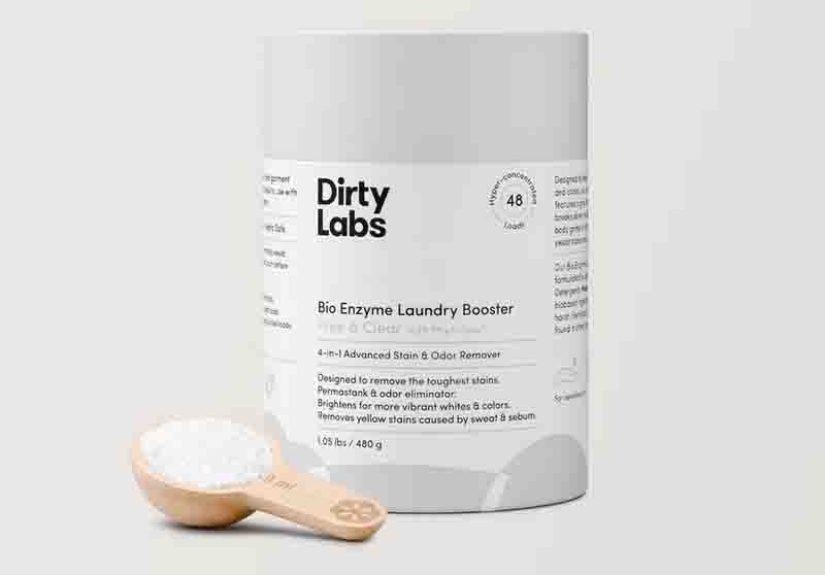
If your laundry routine feels like a weekly showdown with spaghetti sauce, gym funk, and mystery stains that appeared sometime between Tuesday and the school pickup line, a bio enzyme laundry booster may be the upgrade your washer has been waiting for. It sounds a little scientific, a little earthy, and a little like something that belongs in a high school lab. In reality, it is much more practical than dramatic. A bio enzyme laundry booster is simply an enzyme-powered laundry additive designed to help your regular detergent clean better, especially when stains and odors have decided to get comfortable.
That last part matters. Modern laundry is no longer just about making clothes smell “mountain fresh.” People want better stain removal, colder wash options, gentler formulas, and fewer rewashes. Enzyme-based boosters fit neatly into that wish list because they target the stuff ordinary washing struggles with most: body soil, food residue, oils, sweat, and organic messes that cling to fibers like they pay rent.
In this guide, we’ll break down what a bio enzyme laundry booster is, how it works, what it does well, where it can disappoint, and how to use it without turning your laundry room into a chemistry improv show. We’ll also cover how it compares with oxygen bleach, scent boosters, and standard detergent, plus what real-life use tends to look like once the novelty wears off and the socks get serious.
What Is a Bio Enzyme Laundry Booster?
A bio enzyme laundry booster is a laundry additive that works alongside detergent rather than replacing it. Think of it as the backup singer who unexpectedly steals the performance. Your main detergent still handles the overall cleaning job, but the booster is there to improve stain removal, help with odor control, and give the wash a better chance of succeeding on the first round.
The phrase bio enzyme usually refers to the use of biological enzymes, which are proteins that speed up the breakdown of specific soils. That specificity is the whole magic trick. Instead of “clean harder,” the formula cleans smarter. Different enzymes are designed to go after different messes, which is why enzyme-based products are often especially helpful for laundry that contains food stains, sweat, body oils, grass, blood, sauces, and everyday grime.
Many shoppers confuse a bio enzyme laundry booster with three other things:
- Regular detergent: detergent can contain enzymes too, but a booster is an extra product used to increase performance.
- Oxygen bleach: this is a different stain-fighting additive that helps brighten and lift stains but does not work exactly like enzymes.
- Scent boosters: these make clothes smell good, but they are not designed to do the heavy lifting on stains.
That distinction matters because plenty of products promise “freshness,” while only some are actually built to improve cleaning performance. Your nose may be delighted by fragrance beads, but your teenager’s workout shirt may remain spiritually unwashed.
How Laundry Enzymes Actually Work
Enzymes are tiny specialists. Instead of attacking every stain the same way, they break down certain kinds of residue into smaller pieces so the wash water and detergent can carry them away more easily. In plain English, they help turn a stubborn mess into something the machine can stop taking personally.
Common Enzymes Found in Laundry Products
Protease targets protein-based stains such as blood, dairy, egg, and some body soils. This makes it a hero for baby clothes, pillowcases, and that white T-shirt you wore while eating wings with misplaced confidence.
Amylase goes after starch-based stains. If your laundry regularly hosts gravy, pasta sauce, potato residue, or snack-related chaos, this one earns its keep.
Lipase works on fats and oils, which is great news for salad dressing, greasy splatters, sebum, and collars that look clean until the light hits them.
Cellulase is often used for fabric care and appearance, helping cotton fibers release dingy buildup and, in some formulas, improving brightness or reducing fuzziness.
Mannanase may be included to tackle food thickeners from processed foods, sauces, ice cream, and similar messes. In other words, it is here because modern snacks are complicated.
One reason enzyme boosters are popular is that they support effective cleaning in cooler water. That can help with energy savings, fabric care, and color preservation. Cold water is not a universal fix for every laundry issue, but enzyme-assisted cleaning can make it a much more realistic option for everyday loads.
What a Bio Enzyme Laundry Booster Does Well
The best-case scenario for a bio enzyme laundry booster is not “miracle product.” It is “finally, I did not have to wash this twice.” That is actually a pretty strong selling point.
1. It Helps with Organic Stains
Enzyme-based boosters shine on stains tied to food, sweat, body fluids, and daily living. They are especially helpful when a stain contains proteins, starches, oils, or combinations of all three. Tomato sauce, for example, is not just one problem. It can contain pigment, oil, starch, and seasoning residue. The more complicated the mess, the more useful targeted cleaning becomes.
2. It Improves Odor Removal
Bad laundry odors are often tied to body soil and residue left behind in fibers. A shirt that comes out of the dryer smelling fine but starts smelling suspicious after ten minutes of wear usually is not “clean but moody.” It likely still contains trapped soil. By helping break that residue down, a bio enzyme laundry booster can improve odor removal at the source instead of simply covering it with perfume.
3. It Works Well as a Pretreat or Presoak
Many enzyme-based laundry products perform best when given a little time. For tougher stains, a short presoak or direct pretreat can make a noticeable difference. This is especially useful for set-in food stains, sweat-soaked athletic wear, dingy towels, and kids’ clothes that appear to have been marinated in applesauce.
4. It Can Reduce Rewashing
That matters more than it sounds. Rewashing wastes water, detergent, time, and patience. If a booster helps a load come clean on the first try, it adds convenience as well as cleaning power.
How to Use a Bio Enzyme Laundry Booster the Right Way
The number one rule is painfully boring but genuinely useful: follow the label. Different products are designed for different load sizes, machine types, and concentrations. Some are powders, some are liquids, and some are intended to go straight into the drum before clothes are added.
Basic Best Practices
- Use the booster with detergent, not instead of it.
- Add the amount recommended on the label for the load size and soil level.
- For tough stains, pretreat or presoak when the product directions allow it.
- Check whether the product is safe for HE washers if you use a high-efficiency machine.
- Always read the garment care label before using heat or aggressive stain treatments.
- Test for colorfastness first if you are treating a noticeable or delicate area.
One common mistake is assuming more product equals better results. Sometimes more product just means more residue, extra rinsing, or detergent buildup that leaves fabrics stiff or dull. Laundry products are not guacamole. Doubling up rarely improves the outcome.
Bio Enzyme Laundry Booster vs. Oxygen Bleach vs. Scent Boosters
These products often sit near each other on the shelf, which makes it easy to assume they do the same thing. They do not.
Bio Enzyme Laundry Booster
Best for breaking down organic stains and body-related residue. Great for food, sweat, oils, and everyday funk. Strong choice for sportswear, children’s clothes, sheets, and towels.
Oxygen Bleach
Best for brightening, whitening, and helping lift many stains when used correctly. It is chlorine-free and often gentler on fabrics than chlorine bleach, but it is still a separate kind of additive with its own instructions and fabric limits.
Scent Boosters
Best for fragrance. That is not a criticism; that is their lane. But if your laundry problem is stain removal or persistent odor caused by trapped residue, a scent booster is not the same thing as a cleaning booster.
For some households, the smartest move is not choosing one forever. It is knowing which tool matches the problem. Enzymes for the gym clothes. Oxygen bleach for the dingy white towels. Fragrance beads for the person who wants the laundry basket to smell like a luxury candle with a trust fund.
When You Should Be Careful
Bio enzyme laundry boosters are useful, but they are not ideal for every fabric or every situation.
Watch Out for Protein Fibers
Because enzymes are designed to break down certain biological materials, delicate protein-based fabrics such as silk, wool, and cashmere deserve extra caution. In many cases, enzyme detergents and boosters are not recommended for routine washing of those fabrics. Use a specialty detergent instead.
Do Not Assume “Natural” Means Risk-Free
The word bio can make a product sound automatically gentle, but performance products still need correct use. Always check instructions, avoid careless overuse, and store them safely.
Remember That Enzymes Are Not Disinfectants
Enzyme cleaners can help break down stains and odor-causing residue, but they are not the same as sanitizers or disinfectants. If your laundry goal is sanitizing due to illness, contamination, or another high-risk concern, you may need a different product and a different wash approach.
How to Choose the Best Bio Enzyme Laundry Booster
If you are shopping for one, focus less on flashy claims and more on practical fit.
Look for These Features
- Clear usage directions: vague labels are not your friend.
- HE compatibility: important for modern washers.
- Pretreat or presoak instructions: useful for tougher laundry jobs.
- Fragrance level: choose fragrance-free or low-scent options if your household is sensitive.
- Ingredient transparency or safer-choice signals: helpful if you are comparing formulas carefully.
- Good stain focus: choose a product designed for cleaning performance, not just scent.
If your laundry is mostly lightly worn office clothes, you may not need an extra booster in every load. But if your home includes athletes, cooks, toddlers, pet blankets, sweaty sheets, reusable cleaning cloths, or towels that somehow still smell like mildew after washing, a bio enzyme laundry booster can make a lot more sense.
Who Benefits Most from a Bio Enzyme Laundry Booster?
Not every laundry room needs one, but some absolutely do.
- Families with kids: because sticky is not a stain category, it is a lifestyle.
- Athletes and gym-goers: sweat, body oil, and odor buildup love synthetic fabrics.
- Pet owners: blankets, bedding, and washable messes respond well to enzyme help.
- Anyone washing towels and sheets: body soil builds up quietly, then loudly.
- Cold-water washers: enzyme support makes cool-temperature cleaning more effective.
What Using a Bio Enzyme Laundry Booster Is Actually Like: Real-World Experiences
In real households, the appeal of a bio enzyme laundry booster is rarely dramatic at first. Nobody opens the washer and hears a choir. The first sign it is working is usually more ordinary: a shirt that would have needed a second wash comes out clean enough to fold, a towel smells neutral instead of suspicious, or a set of sheets feels fresh for more than a day. That is the real charm. The improvement shows up in less hassle, not just more sparkle.
One of the most common experiences people report with enzyme-based laundry products is better performance on stubborn “life stains” rather than spectacular one-time disasters. The booster earns its place with underarm residue, collar grime, food drips, sweat-soaked athletic wear, and kitchen towels that seem to trap every smell they have ever met. These are the sorts of items that often come out looking decent but still feel slightly off. A good enzyme booster helps bridge that gap between “washed” and “actually clean.”
Another frequent experience is that users learn patience. Enzyme cleaning is often more effective when the product gets a few extra minutes to work, especially during pretreating or presoaking. That can feel mildly annoying in a world built around instant results, but it is often worth it. A stained toddler bib, a pasta-splashed napkin, or a set of gym leggings may not need heroic scrubbing so much as a little time and the right formula. People who start using a booster often discover that the load they used to attack with hot water and blind optimism responds better to a smarter process.
There is also a learning curve with dosage. Many people start by assuming they should dump in extra booster for extra dirty laundry. Then they discover that overdoing it does not create magical results. It can leave residue, waste product, and occasionally make fabrics feel less rinsed out. The better experience usually comes from using the correct amount, pairing it with a strong detergent, and matching the cycle to the fabric. It is less “go big or go home” and more “measure like an adult.”
Households with active people tend to notice the biggest gains. Workout shirts, socks, towels, and bedding often benefit because they collect the exact kind of organic residue enzymes are good at targeting. That is especially true for synthetic activewear, which has a special talent for hanging on to odor. People often describe the difference not as stronger fragrance, but as the absence of that weird stale smell that returns as soon as the fabric warms up.
At the same time, experienced users also become more selective. They stop using enzyme products on everything automatically. They learn to keep them away from silk, wool, and cashmere, to test colorfastness before treating a visible spot, and to reach for oxygen bleach or another specialty product when the problem is dingy whites rather than organic grime. In other words, the longer someone uses a bio enzyme laundry booster, the more they treat it like a smart tool rather than a universal fix.
That may be the most honest takeaway of all. A bio enzyme laundry booster is not exciting because it turns laundry into a glamorous hobby. It is useful because it makes laundry slightly less annoying, slightly more effective, and much less likely to send you back for round two. And in the kingdom of chores, that counts as luxury.
Final Thoughts
A bio enzyme laundry booster is one of those products that sounds niche until you understand what it is really doing. It is not replacing detergent. It is improving performance where laundry often struggles most: stains, odor-causing residue, and loads that look clean but are not quite convincing. Used correctly, it can help clothing, towels, sheets, and activewear come cleaner with less rewashing and better results in everyday cycles.
The smartest way to use one is with realistic expectations. It is a targeted laundry additive, not a miracle potion in a trendy tub. But if your home produces greasy dish towels, sweaty athletic wear, kid-sized food disasters, or bedding that never smells fully fresh, this may be one of the most practical small changes you can make to your laundry routine. Your washer still does the work. The booster just helps it stop losing arguments with spaghetti sauce.






 Close
Close