
Table of Contents >> Show >> Hide
- Why Grout Gets Dirty So Fast
- The Best DIY Grout Cleaner Recipe
- How to Use Homemade Grout Cleaner Step by Step
- Can You Use Vinegar as a DIY Grout Cleaner?
- What About Bleach?
- DIY Grout Cleaner for Different Types of Grout
- Common DIY Grout Cleaner Mistakes
- How Often Should You Clean Grout?
- How to Keep Grout Cleaner Longer
- When DIY Grout Cleaner Is Not Enough
- My Real-World Experience With DIY Grout Cleaner
- Conclusion: Can You Make DIY Grout Cleaner?
Yes, you can absolutely make DIY grout cleanerand no, it does not require a lab coat, a mysterious powder from the back of the garage, or a “cleaning hack” that makes your bathroom smell like a middle school science fair. A good homemade grout cleaner can be simple, affordable, and surprisingly effective when it uses the right ingredients in the right way.
Grout is the narrow, often-forgotten line between your tiles. It starts out looking crisp and clean, then slowly becomes a tiny museum of soap scum, dirt, hard water minerals, cooking splatter, mildew, and whatever your shoes dragged in after “just stepping outside for a second.” Because many types of grout are porous, they absorb grime more easily than the tile around them. That is why your tile may look sparkling while the grout lines look like they have been through three historic eras.
The good news is that you can clean most dirty grout lines with a homemade paste made from common household ingredients. The better news is that you do not need to attack your floors with harsh chemicals every weekend. The best DIY grout cleaner usually combines gentle abrasion, stain-lifting oxygen action, and a little grease-cutting power.
Let’s break down what works, what does not, what to avoid, and how to clean grout without turning your bathroom into a chemistry experiment with consequences.
Why Grout Gets Dirty So Fast
Before making a DIY grout cleaner, it helps to understand the enemy. Grout is often made from cement-based materials, which means it can contain tiny pores. Those pores collect moisture, dust, oils, soap residue, and minerals. In bathrooms, grout also deals with humidity, shampoo, body wash, and mildew. In kitchens, it faces cooking grease, crumbs, spills, and the occasional splash of spaghetti sauce that somehow travels farther than physics should allow.
Tile itself is usually easier to clean because ceramic and porcelain surfaces are dense and smooth. Grout, however, is more textured. Dirt settles into those little grooves, and regular mopping can sometimes push dirty water deeper into the lines instead of removing it. That is why grout often darkens gradually even in homes that are cleaned often.
The Best DIY Grout Cleaner Recipe
For most sealed ceramic or porcelain tile grout, one of the most effective homemade grout cleaner recipes is a paste made with baking soda, hydrogen peroxide, and a small amount of dish soap.
DIY Grout Cleaner Ingredients
- 1/2 cup baking soda
- 1/4 cup 3% hydrogen peroxide
- 1 teaspoon liquid dish soap
- A small bowl
- A grout brush or old toothbrush
- Microfiber cloths
- Warm water for rinsing
- Gloves, especially if your skin is sensitive
How to Make It
Mix the baking soda and hydrogen peroxide in a bowl until they form a thick paste. Stir in the dish soap. The texture should be spreadable but not runny. If it slides off vertical grout lines too quickly, add a little more baking soda. If it is too dry and crumbly, add a small splash of hydrogen peroxide.
This mixture works because each ingredient has a job. Baking soda provides mild abrasion to help scrub away buildup without being as aggressive as harsh scouring powders. Hydrogen peroxide helps lift organic stains and brighten grout. Dish soap cuts through oily grime, body products, and kitchen residue. Together, they make a practical DIY grout cleaner that is strong enough for many household stains but still reasonable for routine cleaning.
How to Use Homemade Grout Cleaner Step by Step
1. Sweep or Wipe the Area First
Do not apply grout cleaner over loose dirt, hair, crumbs, or dust. That only creates cleaning mud, which is exactly as glamorous as it sounds. Sweep the floor, vacuum the area, or wipe shower walls with a damp cloth before applying the paste.
2. Test a Hidden Spot
Always test your DIY grout cleaner in a small, hidden area first. This is especially important if you have colored grout, older grout, natural stone tile, unsealed tile, or a mystery floor installed by a previous homeowner with “creative confidence.” Wait a few minutes, rinse, and check for discoloration or surface changes.
3. Apply the Paste to Grout Lines
Use a spoon, brush, or gloved finger to apply the paste directly onto the grout lines. You do not need to cover the entire tile surface. Focus on the grout because that is where the buildup lives.
4. Let It Sit
Allow the cleaner to sit for about 5 to 10 minutes. For stubborn stains, 10 to 15 minutes may help. Do not let the paste dry completely into a crust, especially on textured tile, because then you have created a second cleaning project. Congratulations, but also no.
5. Scrub Gently
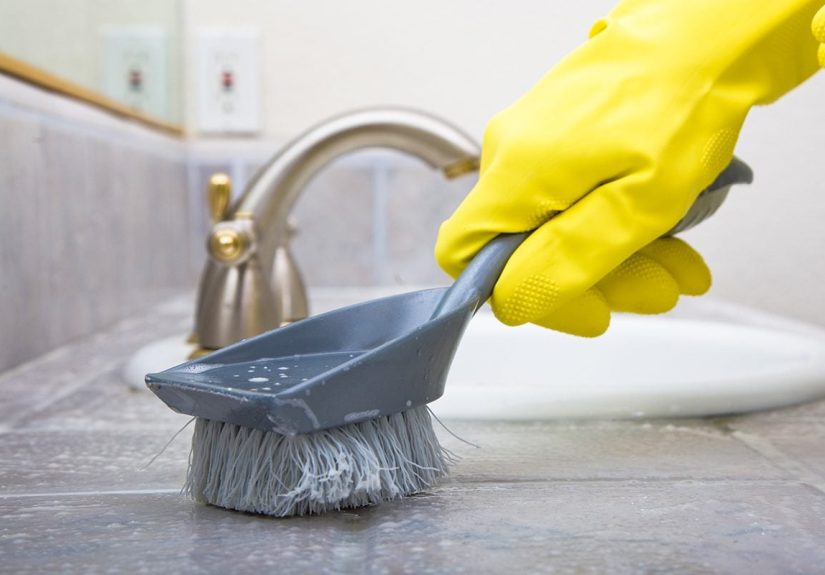
Use a grout brush or old toothbrush and scrub along the lines. A nylon brush is usually best. Avoid steel wool or very stiff metal brushes, which can scratch tile and damage grout. Use steady pressure rather than rage-cleaning. Grout responds better to patience than to dramatic arm workouts.
6. Rinse Thoroughly
Rinse the area with warm water and wipe with a clean microfiber cloth. This step matters. If baking soda residue stays behind, it can leave a chalky film. For floors, mop with clean water after scrubbing. For shower walls, wipe or rinse from top to bottom.
7. Dry the Grout
Use a dry towel or microfiber cloth to remove extra moisture. Drying is especially helpful in bathrooms because mildew loves damp grout. Good ventilation also helps, so turn on the fan or open a window if possible.
Can You Use Vinegar as a DIY Grout Cleaner?
Vinegar is popular because it is cheap, easy to find, and good at dissolving some mineral deposits and soap scum. However, vinegar is acidic, and that acidity is not always grout’s best friend. Used occasionally and carefully on some ceramic or porcelain tile, diluted vinegar may help with light buildup. But it is not the best everyday grout cleaner, and it should not be used on natural stone such as marble, limestone, travertine, or granite.
Acidic cleaners can etch natural stone and may weaken or dull certain surfaces. Vinegar can also be risky for unsealed or damaged grout. If your grout is crumbling, cracked, or old, skip vinegar and choose a gentler baking soda paste or a pH-neutral tile cleaner.
Most importantly, never mix vinegar with hydrogen peroxide in the same container. Do not mix vinegar with bleach either. DIY cleaning should make your grout brighter, not create a hazardous gas situation that requires opening every window and questioning your life choices.
What About Bleach?
Bleach can whiten and disinfect when used correctly, but it is not always the best choice for routine grout cleaning. Frequent use of harsh bleach solutions may discolor grout, weaken materials over time, and create strong fumes. Bleach should never be mixed with ammonia, vinegar, hydrogen peroxide, toilet bowl cleaner, or other cleaning products.
If you decide to use a disinfectant for a specific reason, follow the label exactly, ventilate the space, wear gloves, and rinse well. For everyday dirty grout, the baking soda and hydrogen peroxide method is usually a more practical starting point.
DIY Grout Cleaner for Different Types of Grout
White Grout
White grout usually responds well to baking soda and hydrogen peroxide. The mixture can help brighten dull grout and reduce yellowish or gray staining. For heavily stained white grout, repeat the process rather than scrubbing aggressively in one session.
Colored Grout
Colored grout needs more caution. Hydrogen peroxide may lighten some pigments, especially if the grout is unsealed or old. Start with a paste of baking soda and water, test first, and use only gentle scrubbing. If you want to use hydrogen peroxide, test a hidden spot and wait long enough to see whether the color changes after drying.
Epoxy Grout
Epoxy grout is less porous than traditional cement-based grout and is often more stain-resistant. It may not need the same deep-cleaning approach. Mild dish soap and warm water are often enough. Avoid abrasive tools that could dull the surface.
Natural Stone Tile Grout
If your grout sits between marble, limestone, travertine, slate, or granite tiles, avoid vinegar, lemon juice, and other acidic cleaners. Use a stone-safe cleaner or a very mild pH-neutral cleaner. Natural stone is beautiful, but it can be a diva. Treat it gently.
Common DIY Grout Cleaner Mistakes
Mistake 1: Mixing Too Many Products
More ingredients do not always mean more cleaning power. Sometimes they mean fumes, residue, or a canceled-out reaction. Vinegar and baking soda, for example, fizz dramatically but mostly neutralize each other when mixed directly. It looks exciting, but so does a confetti cannon, and neither one cleans grout especially well by itself after the show is over.
Mistake 2: Scrubbing With the Wrong Brush
A metal brush may seem powerful, but it can damage grout and scratch tile. Use a grout brush, nylon scrub brush, or toothbrush. If your brush is destroying the grout line, it is not cleaningit is excavating.
Mistake 3: Skipping the Rinse
DIY grout cleaner must be rinsed away. Leftover baking soda can dry into a white haze, and soap residue can attract more dirt. Rinse until the tile feels clean, not slippery or gritty.
Mistake 4: Ignoring Ventilation
Even mild cleaners should be used in a well-ventilated room. Bathrooms trap humidity and odors, so run the fan, open the door, and let fresh air do its part.
Mistake 5: Expecting One Cleaning to Fix Years of Buildup
If grout has been collecting stains for years, one round may not restore it completely. Clean it once, rinse, let it dry, and repeat another day if needed. If the grout remains dark after several attempts, it may be stained below the surface, damaged, or in need of resealing or replacement.
How Often Should You Clean Grout?
For bathrooms, a light weekly wipe-down can prevent soap scum and mildew from settling in. Deep cleaning grout once a month or every few months may be enough for many homes. Kitchen floors and entryways may need more frequent cleaning because they deal with food, grease, and outdoor dirt.
The easiest grout to clean is grout that never gets extremely dirty in the first place. That may sound annoying, but it is true. A quick maintenance routine beats a Saturday spent kneeling on tile, negotiating with a toothbrush.
How to Keep Grout Cleaner Longer
After cleaning, prevention becomes the real hero. Wipe shower walls after use, run the bathroom fan, clean spills quickly, and avoid mopping with dirty water. For floors, change mop water often. If the water looks like weak coffee, it is not cleaning anymore; it is distributing grime with confidence.
Sealing grout can also help prevent future stains, especially with cement-based grout. A grout sealer creates a protective barrier that reduces absorption. It does not make grout magically self-cleaning, but it can make future cleaning easier. Always follow the sealer instructions and make sure the grout is clean and fully dry before applying.
When DIY Grout Cleaner Is Not Enough
Homemade grout cleaner is great for everyday grime, light staining, soap scum, and mild discoloration. But it has limits. If grout is cracked, missing, moldy beneath the surface, or permanently stained, cleaning may not solve the problem.
Call a professional or consider regrouting if you notice loose grout, water getting behind tiles, persistent mold growth, or stains that return quickly after cleaning. In showers, recurring mold may point to moisture problems, poor ventilation, failing caulk, or leaks. Cleaning the surface helps, but fixing the cause matters more.
My Real-World Experience With DIY Grout Cleaner
The first time I tried a DIY grout cleaner, I was skeptical. Grout has a way of humbling people. You look at the tile and think, “This will take 20 minutes.” Then an hour later, you are on the floor with a toothbrush, questioning every design decision ever made by the tile industry.
The area I tested was a bathroom floor with light-colored grout that had slowly turned gray near the sink and shower. It was not disaster-level dirty, but it definitely had that “we used to be white” look. I started with the classic mixture: baking soda, 3% hydrogen peroxide, and a small amount of dish soap. The paste was thick enough to sit on the grout lines without running everywhere, which immediately made the job feel more controlled.
The biggest lesson was that dwell time matters. When I scrubbed too soon, the results were okay but not impressive. When I let the paste sit for about 10 minutes, the grout cleaned up much more easily. The hydrogen peroxide had time to bubble lightly and loosen the dingy buildup, while the baking soda gave the brush enough grit to lift grime without scratching the tile.
Another thing I learned quickly: do not use too much dish soap. A tiny amount helps cut greasy residue, but too much creates a slippery film that takes forever to rinse. The first batch I made had a generous squirt, because apparently I believed I was washing a casserole dish. It worked, but rinsing took extra time. The next batch used only a teaspoon, and the cleanup was much easier.
A grout brush also made a real difference. An old toothbrush worked for corners and small spaces, but a proper grout brush cleaned straight lines faster and saved my wrist. The brush did not need to be brutally stiff. Medium nylon bristles were enough. Scrubbing harder did not improve the result as much as scrubbing steadily and rinsing thoroughly.
The most satisfying part was the rinse. At first, the paste looked messy and chalky, and I wondered if I had made the floor worse. But after wiping with warm water and a microfiber cloth, the grout lines looked noticeably brighter. Not “brand-new showroom floor under dramatic lighting” bright, but clean enough that the whole bathroom looked fresher.
I also tried the same method on a kitchen tile area near the stove. That grout had more greasy buildup, so the dish soap helped a lot. I wiped the area first with warm water, applied the paste, waited, scrubbed, and rinsed twice. The second rinse was important because kitchen floors can hold onto soap residue. Once dry, the grout looked cleaner and felt less sticky underfoot.
The experience taught me that DIY grout cleaner is not magic, but it is practical. It works best when you use it as part of regular maintenance instead of waiting until grout becomes a historical artifact. It is inexpensive, easy to mix, and less intimidating than strong commercial cleaners. The key is to test first, use the right brush, avoid dangerous chemical combinations, rinse completely, and dry the area afterward.
Would I use DIY grout cleaner again? Absolutely. Would I clean an entire house of grout lines in one afternoon? Absolutely not. That is how people develop a thousand-yard stare. I would work in sections, take breaks, and reward myself afterward with something that does not involve tile.
Conclusion: Can You Make DIY Grout Cleaner?
Yes, you can make DIY grout cleaner, and the best version is usually simple: baking soda, 3% hydrogen peroxide, and a little dish soap. This homemade grout cleaner can brighten grout, loosen grime, and make tile surfaces look fresher without requiring expensive specialty products.
The secret is not just the recipeit is the method. Apply the paste, let it sit, scrub with a nylon brush, rinse thoroughly, and dry the area. Avoid mixing random cleaning products, be careful with vinegar, skip acids on natural stone, and test colored grout before using hydrogen peroxide.
DIY grout cleaning is not glamorous, but it is satisfying. Few household chores deliver such visible before-and-after results. One minute your grout looks tired and dramatic; the next, it looks like someone turned the brightness setting back up. And honestly, in the world of home cleaning, that counts as a tiny miracle.
Note: This article is for general home-cleaning guidance. Always follow product labels, test cleaners in a hidden area first, and use professional tile or grout care when surfaces are damaged, natural stone is involved, or mold keeps returning.







 Close
Close